Department of Nephrology, Fifth Hospital of Shanxi Medical University (Shanxi Provincial People's Hospital), Taiyuan, China.
Department of Thoracic Surgery, Fifth Hospital of Shanxi Medical University (Shanxi Provincial People's Hospital), Taiyuan, China.
Sci Rep. 2023 Jul 27;13(1):12150. doi: 10.1038/s41598-023-39444-4.
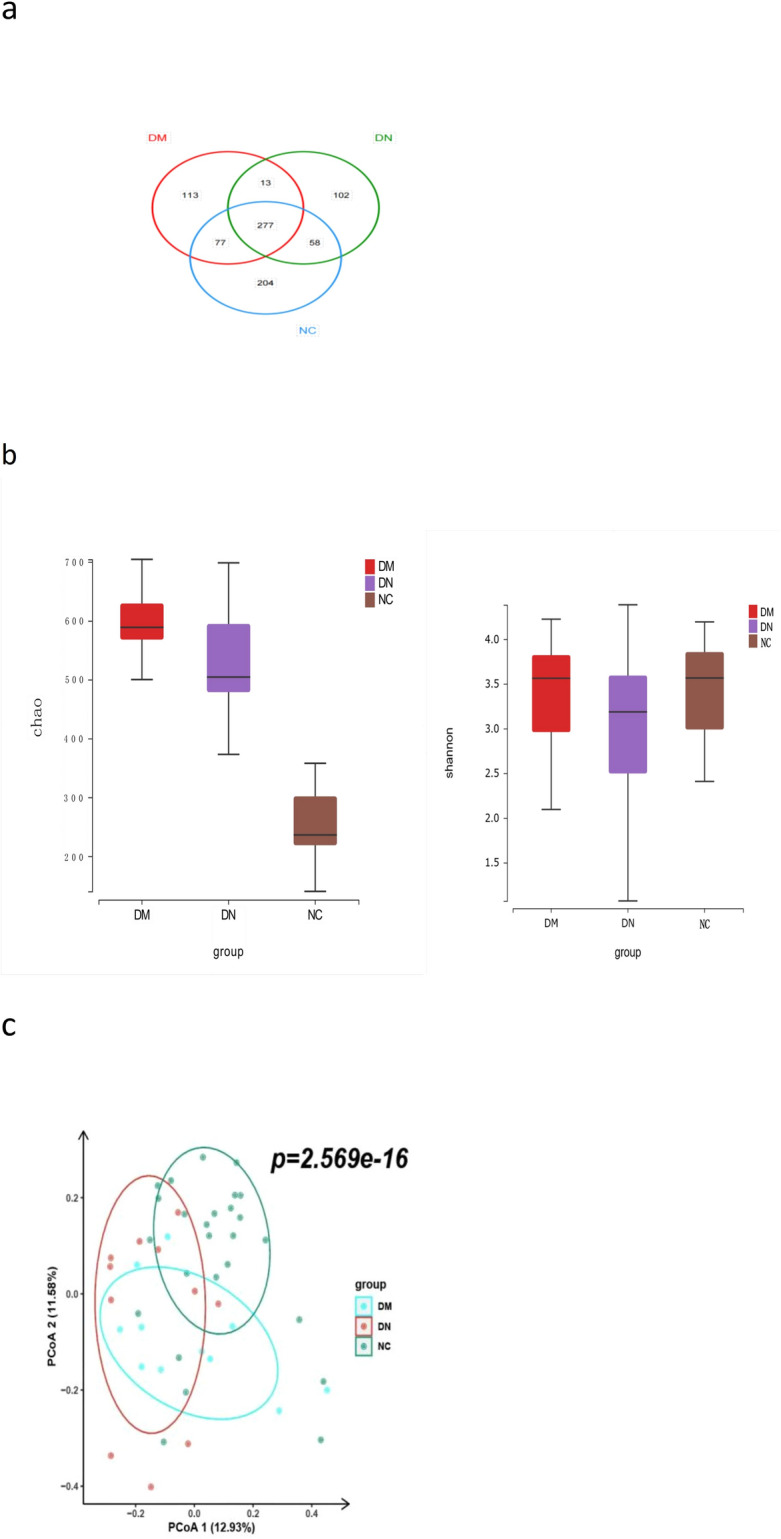
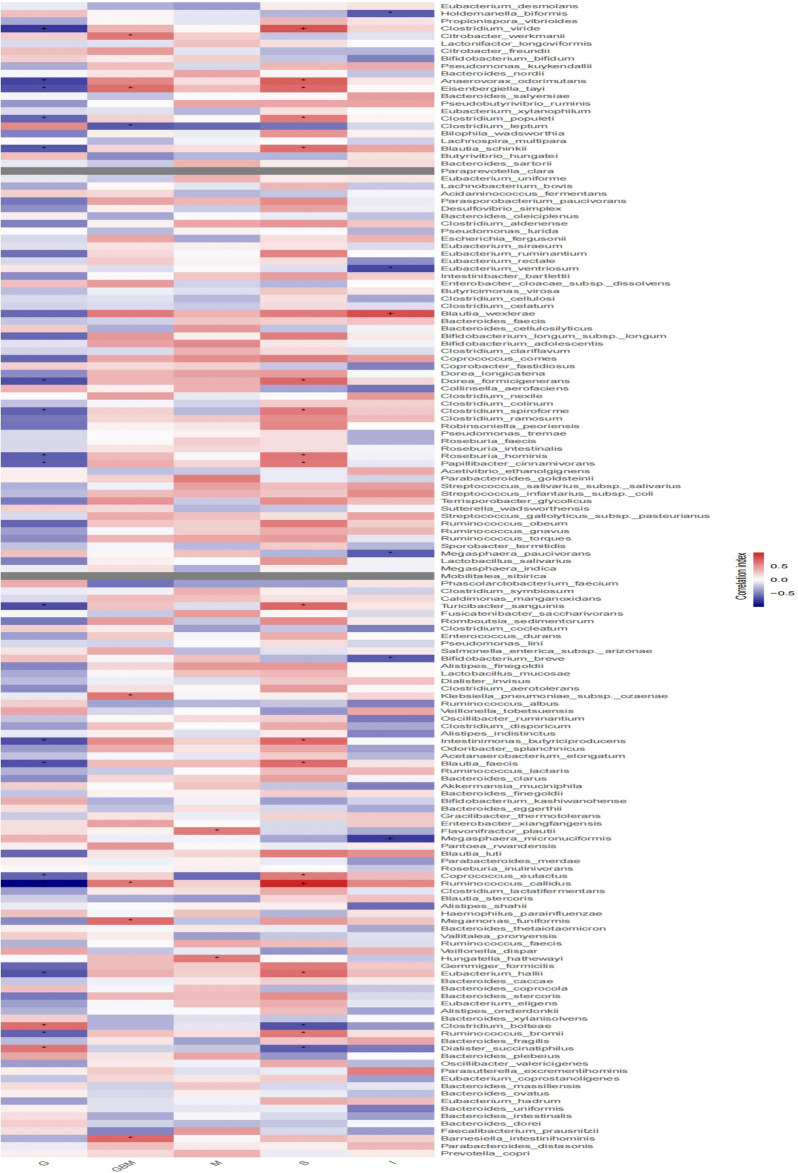
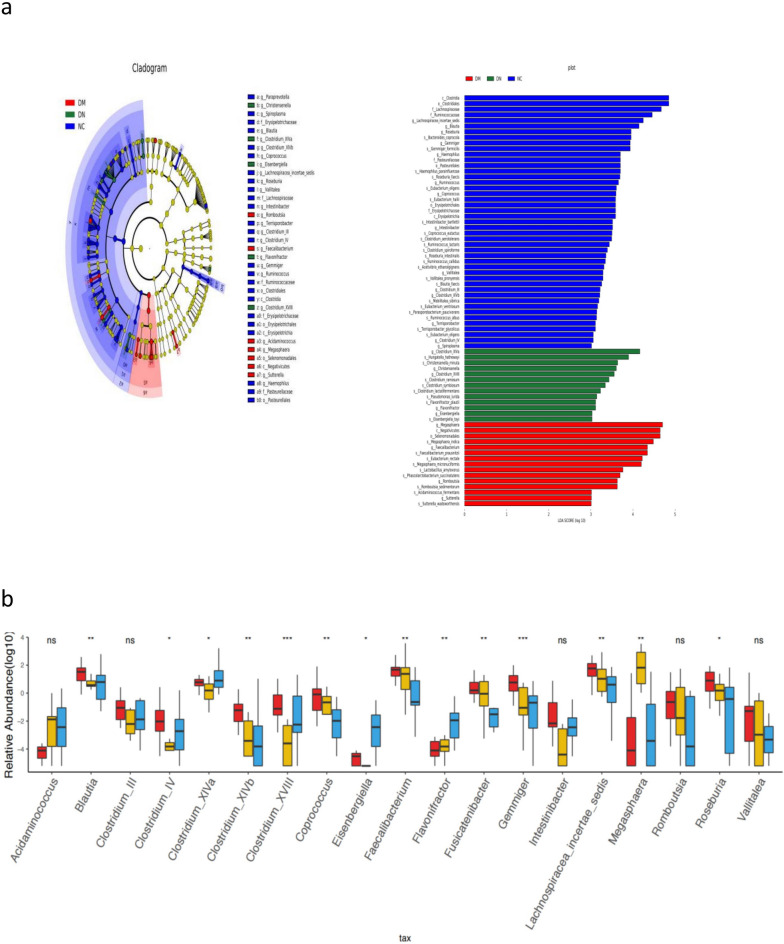
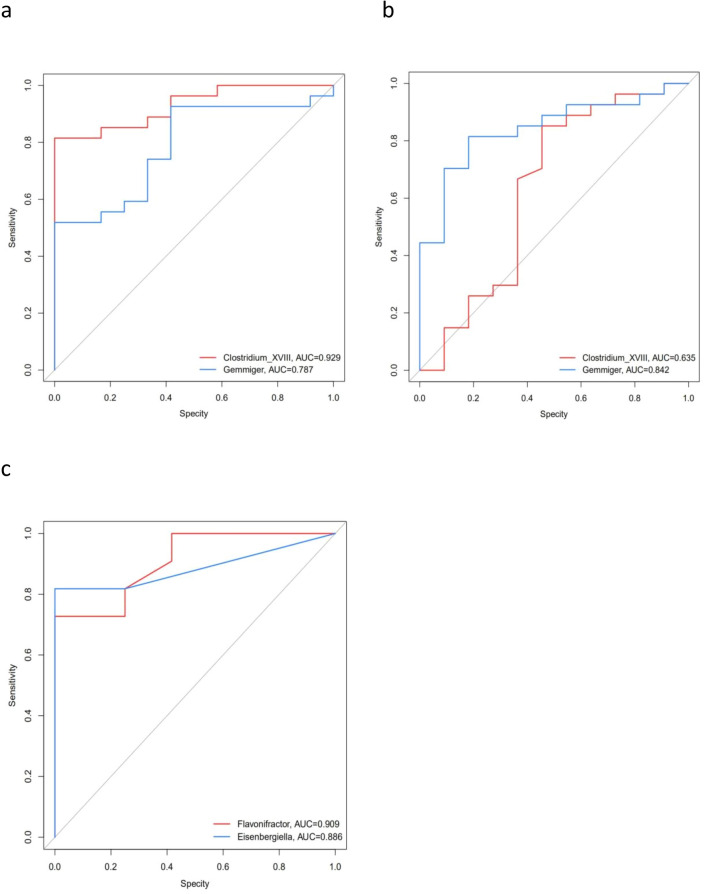
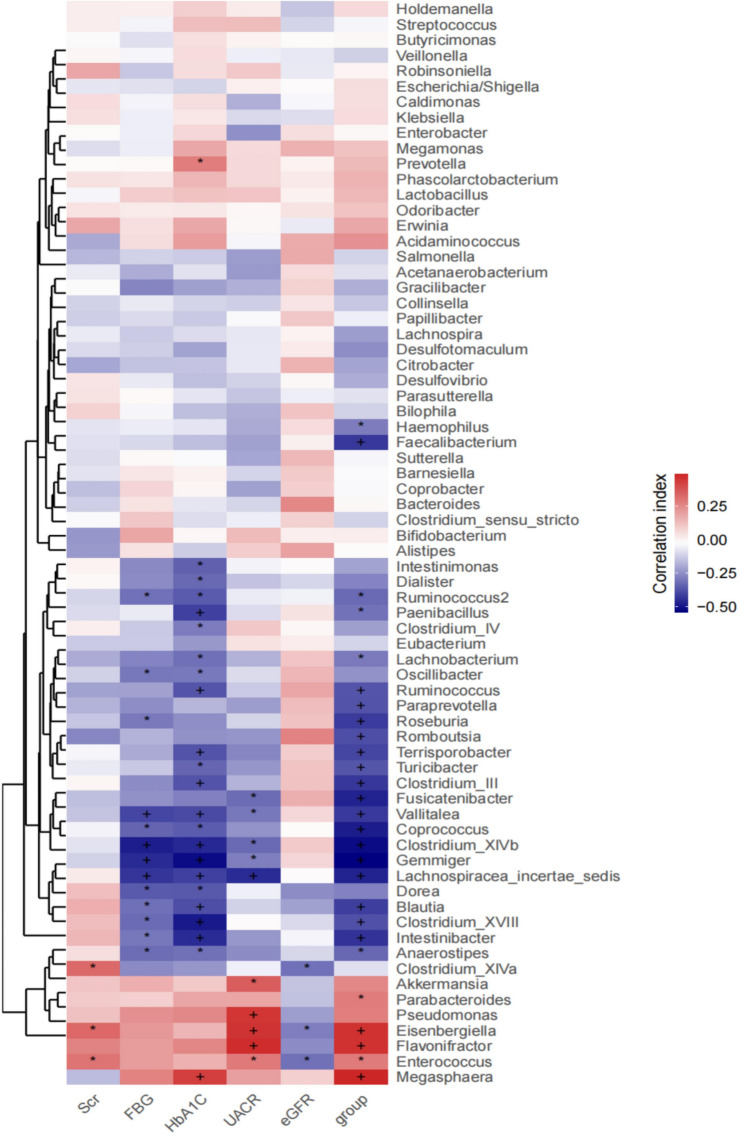
The gut microbiota is closely related to parenteral noncommunicable diseases through intestinal immunity and plays an important role in the occurrence of diabetes and diabetic nephropathy. The aim of the study was to understand the gut-kidney axis by an analysis of gut microbiota composition among patients with biopsy-proven diabetic nephropathy (DN), patients with type 2 diabetes for more than 10 years without kidney damage (DM), and healthy controls (NC). Thirty-five DN patients, 40 DM patients and 40 healthy subjects matched by age and sex were enrolled between January 2022 and December 2022. Baseline information and clinical parameters were collected. 16S rDNA sequencing was performed to characterize the gut microbiome and identify gut microbes that were differentially abundant between patients and healthy controls. The relationship between the relative abundance of specific bacterial taxa in the gut and clinical phenotype and pathological indicators was evaluated. Substantial differences were found in the richness of the gut microbiota and the variation in the bacterial population among DN patients, DM patients and healthy controls. DM patients could be accurately distinguished from age- and sex-matched healthy controls by variations in g_Clostridium-XVIII (AUC = 0.929), and DN patients could be accurately distinguished from age- and sex-matched healthy controls by variations in g_Gemmiger (AUC = 0.842). DN patients could be accurately distinguished from age- and sex-matched DM patients by variations in g_Flavonifractor or g_Eisenbergiella (AUC = 0.909 and 0.886, respectively). The gut microbiota was also closely related to clinical phenotypes and pathological indicators. The study of gut microbiota composition was explored to determine its relationship to the occurrence of DN and a long history of diabetes without kidney damage. The renal pathological progression of DN may be delayed by regulating changes in the gut microbiota.
肠道微生物群通过肠道免疫与肠外非传染性疾病密切相关,并在糖尿病和糖尿病肾病的发生中发挥重要作用。本研究旨在通过分析活检证实的糖尿病肾病 (DN) 患者、患有 10 年以上无肾脏损害的 2 型糖尿病 (DM) 患者和健康对照者 (NC) 的肠道微生物群组成来了解肠道-肾脏轴。2022 年 1 月至 2022 年 12 月期间,共纳入 35 名 DN 患者、40 名 DM 患者和 40 名年龄和性别匹配的健康对照者。收集基线信息和临床参数。进行 16S rDNA 测序以描述肠道微生物组,并确定患者与健康对照组之间差异丰富的肠道微生物。评估肠道特定细菌分类群的相对丰度与临床表型和病理指标之间的关系。DN 患者、DM 患者和健康对照组之间的肠道微生物丰富度和细菌种群变化存在显著差异。通过 g_Clostridium-XVIII 的变化,DM 患者可以与年龄和性别匹配的健康对照者准确区分(AUC=0.929),通过 g_Gemmiger 的变化,DN 患者可以与年龄和性别匹配的健康对照者准确区分(AUC=0.842)。通过 g_Flavonifractor 或 g_Eisenbergiella 的变化,DN 患者可以与年龄和性别匹配的 DM 患者准确区分(AUC=0.909 和 0.886)。肠道微生物群也与临床表型和病理指标密切相关。本研究探索了肠道微生物群组成与 DN 发生和无肾脏损害的糖尿病长期病史之间的关系。通过调节肠道微生物群的变化,可能会延迟 DN 的肾脏病理进展。