Forte Pedro, Encarnação Samuel, Monteiro António Miguel, Teixeira José Eduardo, Hattabi Soukaina, Sortwell Andrew, Branquinho Luís, Amaro Bruna, Sampaio Tatiana, Flores Pedro, Silva-Santos Sandra, Ribeiro Joana, Batista Amanda, Ferraz Ricardo, Rodrigues Filipe
CI-ISCE, Higher Institute of Educational Sciences of the Douro (ISCE Douro), 4560-708 Penafiel, Portugal.
Department of Sport Sciences, Instituto Politécnico de Bragança (IPB), 5300-253 Bragança, Portugal.
Behav Sci (Basel). 2023 Jun 21;13(7):522. doi: 10.3390/bs13070522.
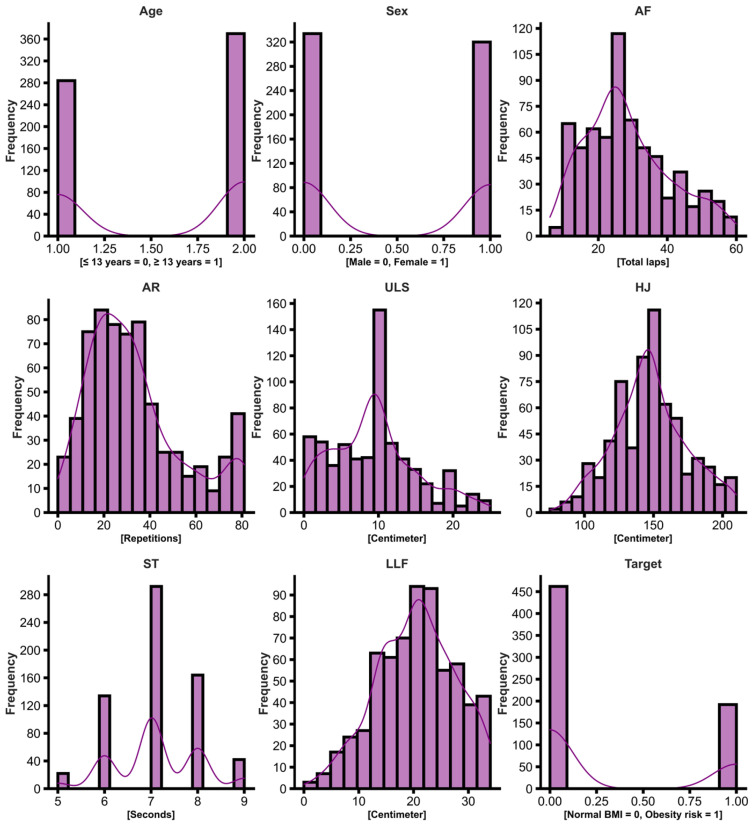
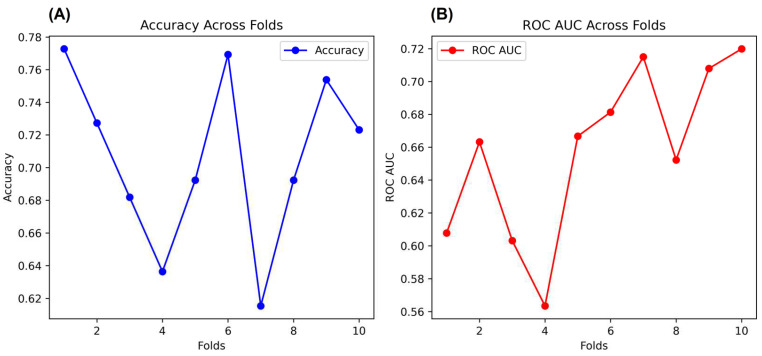
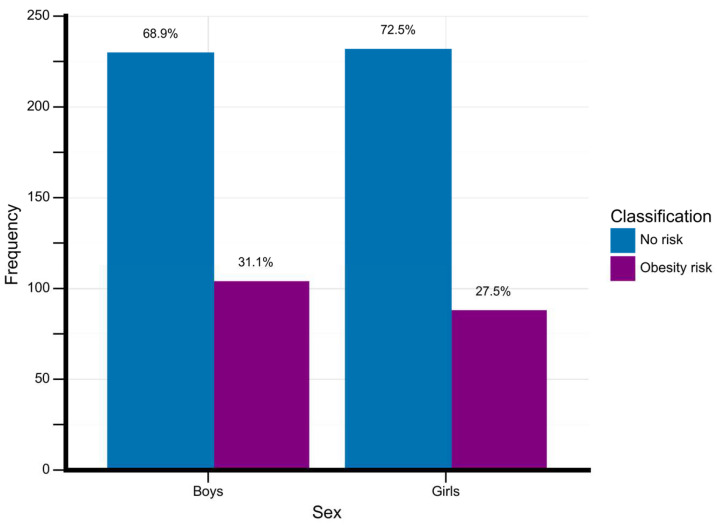
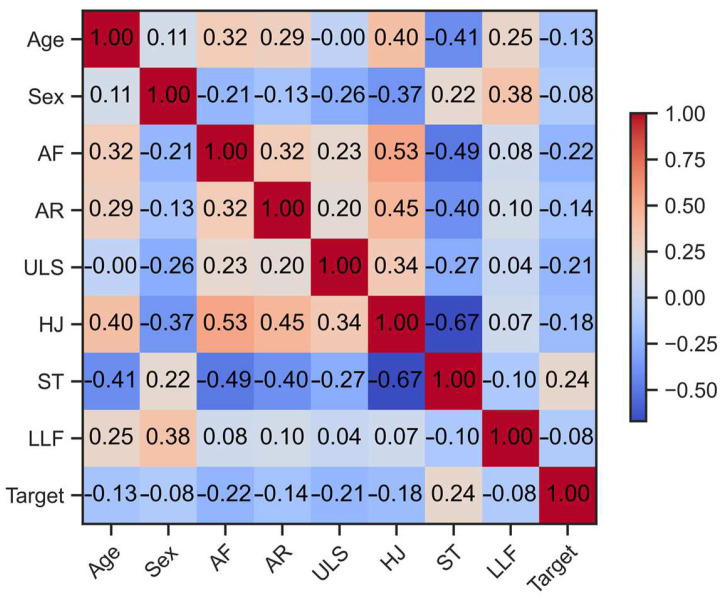
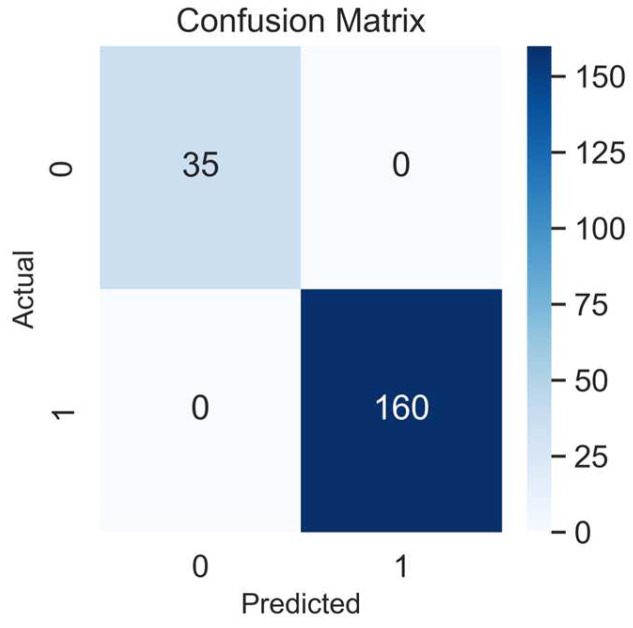
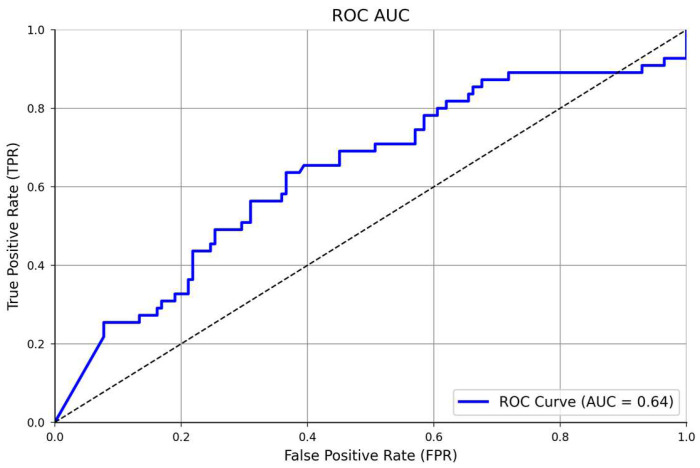
The increasing prevalence of overweight and obesity among adults is a risk factor for many chronic diseases and death. In addition, obesity among children and adolescents has reached unprecedented levels and studies show that obese children and adolescents are more likely to become obese adults. Therefore, both the prevention and treatment of obesity in adolescents are critical. This study aimed to develop an artificial intelligence (AI) neural network (NNET) model that identifies the risk of obesity in Portuguese adolescents based on their body mass index (BMI) percentiles and levels of physical fitness. Using datasets from the FITescola project, 654 adolescents aged between 10-19 years old, male: 334 (51%), female: = 320 (49%), age 13.8 ± 2 years old, were selected to participate in a cross-sectional observational study. Physical fitness variables, age, and sex were used to identify the risk of obesity. The NNET had good accuracy (75%) and performance validation through the Receiver Operating Characteristic using the Area Under the Curve (ROC AUC = 64%) in identifying the risk of obesity in Portuguese adolescents based on the BMI percentiles. Correlations of moderate effect size were perceived for aerobic fitness (AF), upper limbs strength (ULS), and sprint time (ST), showing that some physical fitness variables contributed to the obesity risk of the adolescents. Our NNET presented a good accuracy (75%) and was validated with the K-Folds Cross-Validation (K-Folds CV) with good accuracy (71%) and ROC AUC (66%). According to the NNET, there was an increased risk of obesity linked to low physical fitness in Portuguese teenagers.
成年人中超重和肥胖的患病率不断上升,这是许多慢性疾病和死亡的危险因素。此外,儿童和青少年肥胖率已达到前所未有的水平,研究表明,肥胖儿童和青少年更有可能成长为肥胖的成年人。因此,青少年肥胖的预防和治疗都至关重要。本研究旨在开发一种人工智能(AI)神经网络(NNET)模型,该模型基于葡萄牙青少年的体重指数(BMI)百分位数和身体素质水平来识别肥胖风险。利用FITescola项目的数据集,选取了654名年龄在10 - 19岁之间的青少年参与一项横断面观察性研究,其中男性334名(51%),女性320名(49%),年龄为13.8 ± 2岁。身体素质变量、年龄和性别被用于识别肥胖风险。该神经网络在基于BMI百分位数识别葡萄牙青少年肥胖风险方面具有良好的准确性(75%),并通过受试者工作特征曲线下面积(ROC AUC = 64%)进行了性能验证。有氧适能(AF)、上肢力量(ULS)和短跑时间(ST)之间存在中等效应大小的相关性,这表明一些身体素质变量与青少年的肥胖风险有关。我们的神经网络具有良好的准确性(75%),并通过K折交叉验证(K - Folds CV)进行了验证,准确性良好(71%),ROC AUC为(66%)。根据该神经网络,葡萄牙青少年中身体素质低与肥胖风险增加有关。