Lovato María José, Del Valle Luis J, Puiggalí Jordi, Franco Lourdes
Departament d'Enginyeria Química, Escola d'Enginyeria de Barcelona Est-EEBE, Universitat Politècnica de Catalunya, c/Eduard Maristany 10-14, 08019 Barcelona, Spain.
Center for Research in Nano-Engineering, Universitat Politècnica de Catalunya, Campus Sud, Edifici C', c/Pasqual i Vila s/n, 08028 Barcelona, Spain.
J Funct Biomater. 2023 Jun 30;14(7):349. doi: 10.3390/jfb14070349.
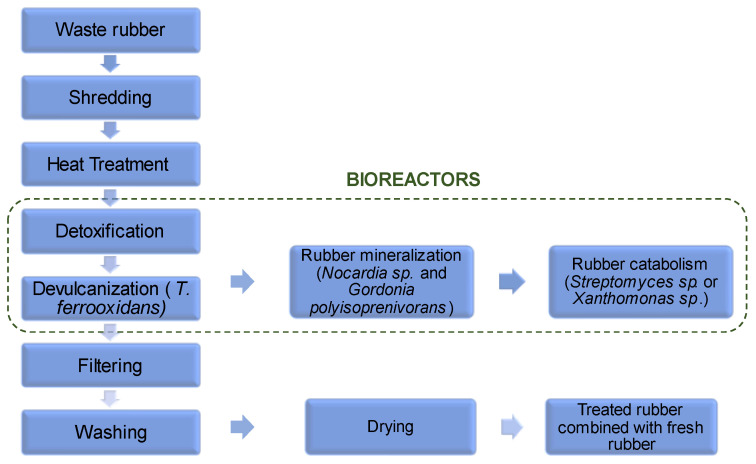
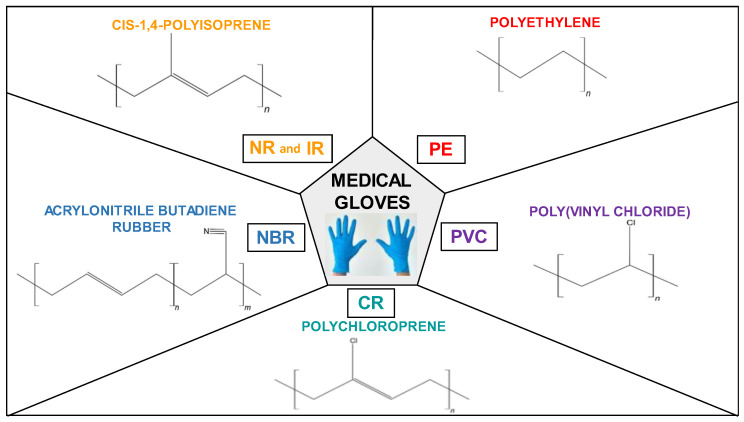
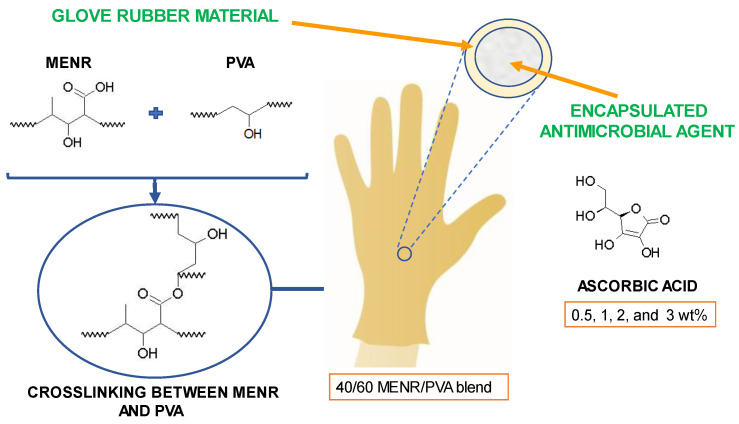
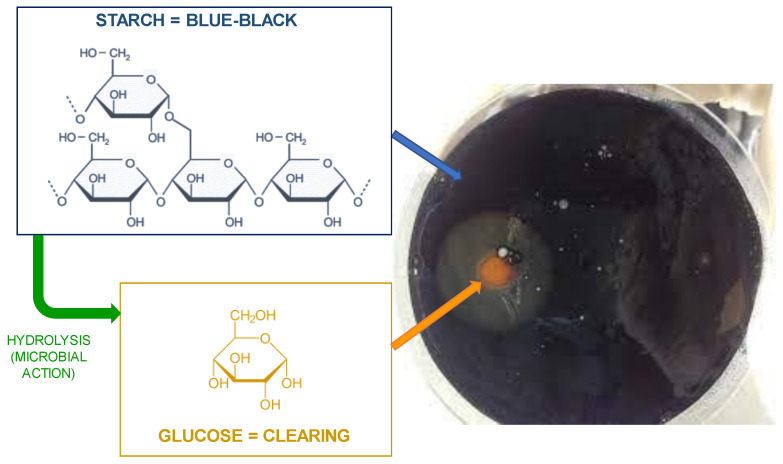
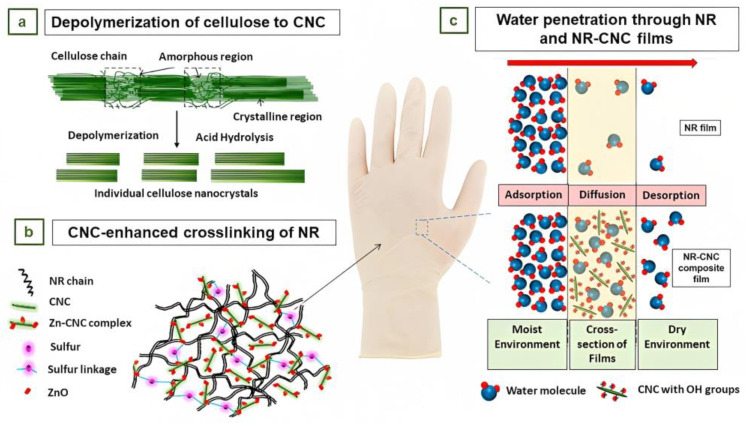
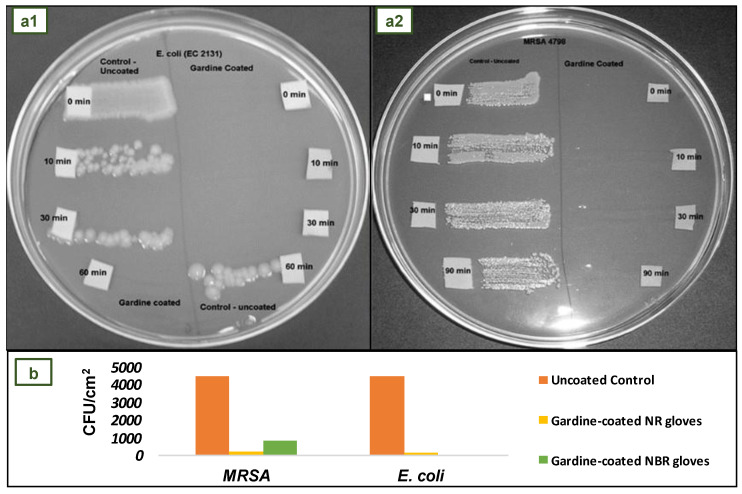
Medical gloves, along with masks and gowns, serve as the initial line of defense against potentially infectious microorganisms and hazardous substances in the health sector. During the COVID-19 pandemic, medical gloves played a significant role, as they were widely utilized throughout society in daily activities as a preventive measure. These products demonstrated their value as important personal protection equipment (PPE) and reaffirmed their relevance as infection prevention tools. This review describes the evolution of medical gloves since the discovery of vulcanization by Charles Goodyear in 1839, which fostered the development of this industry. Regarding the current market, a comparison of the main properties, benefits, and drawbacks of the most widespread types of sanitary gloves is presented. The most common gloves are produced from natural rubber (NR), polyisoprene (IR), acrylonitrile butadiene rubber (NBR), polychloroprene (CR), polyethylene (PE), and poly(vinyl chloride) (PVC). Furthermore, the environmental impacts of the conventional natural rubber glove manufacturing process and mitigation strategies, such as bioremediation and rubber recycling, are addressed. In order to create new medical gloves with improved properties, several biopolymers (e.g., poly(vinyl alcohol) and starch) and additives such as biodegradable fillers (e.g., cellulose and chitin), reinforcing fillers (e.g., silica and cellulose nanocrystals), and antimicrobial agents (e.g., biguanides and quaternary ammonium salts) have been evaluated. This paper covers these performance-enhancing materials and describes different innovative prototypes of gloves and coatings designed with them.
医用手套与口罩和防护服一样,是医疗领域抵御潜在传染性微生物和有害物质的第一道防线。在新冠疫情期间,医用手套发挥了重要作用,因为它们作为一种预防措施在社会日常活动中被广泛使用。这些产品展现出其作为重要个人防护装备(PPE)的价值,并再次证明了其作为感染预防工具的重要性。本综述描述了自1839年查尔斯·固特异发现硫化作用以来医用手套的发展历程,这推动了该行业的发展。关于当前市场,本文对最普遍使用的各类卫生手套的主要特性、优点和缺点进行了比较。最常见的手套由天然橡胶(NR)、聚异戊二烯(IR)、丙烯腈丁二烯橡胶(NBR)、聚氯丁二烯(CR)、聚乙烯(PE)和聚氯乙烯(PVC)制成。此外,还探讨了传统天然橡胶手套制造过程对环境的影响以及缓解策略,如生物修复和橡胶回收利用。为了制造出性能更优的新型医用手套,人们评估了几种生物聚合物(如聚乙烯醇和淀粉)以及添加剂,如可生物降解填料(如纤维素和几丁质)、增强填料(如二氧化硅和纤维素纳米晶体)和抗菌剂(如双胍类和季铵盐)。本文涵盖了这些性能增强材料,并描述了用它们设计的不同创新型手套和涂层原型。