Geana Elisabeta-Irina, Ciucure Corina Teodora, Tamaian Radu, Marinas Ioana Cristina, Gaboreanu Diana Mădălina, Stan Miruna, Chitescu Carmen Lidia
National Research and Development Institute for Cryogenics and Isotopic Technologies, 240050 Ramnicu Valcea, Romania.
Department of Microbiology and Biochemistry, Research Institute of the University of Bucharest-ICUB, 050567 Bucharest, Romania.
Antioxidants (Basel). 2023 Jul 4;12(7):1383. doi: 10.3390/antiox12071383.
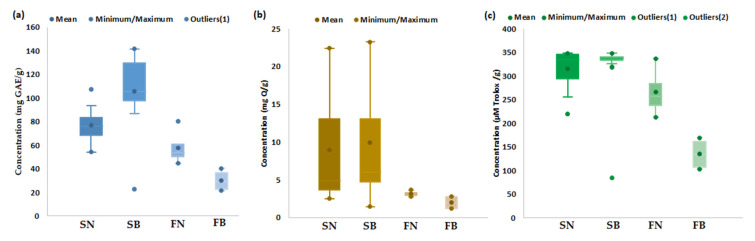
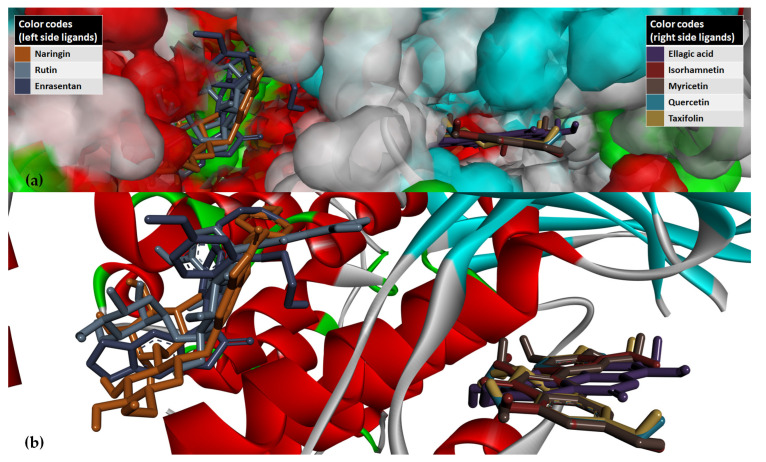
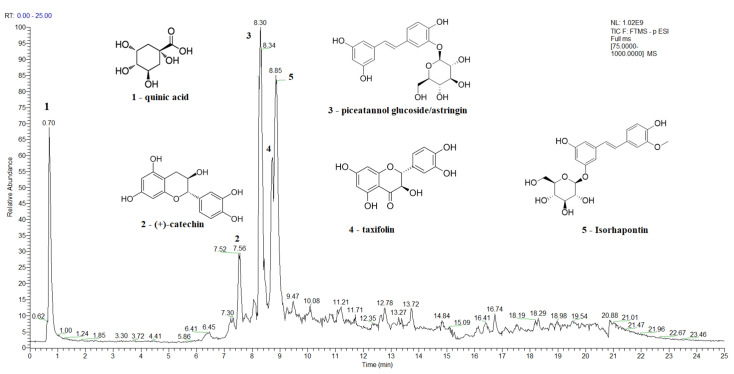
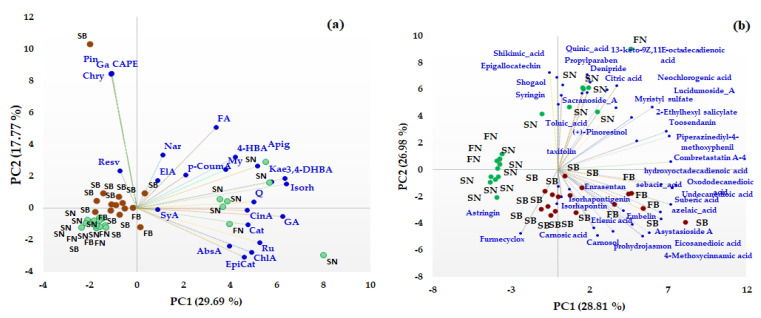
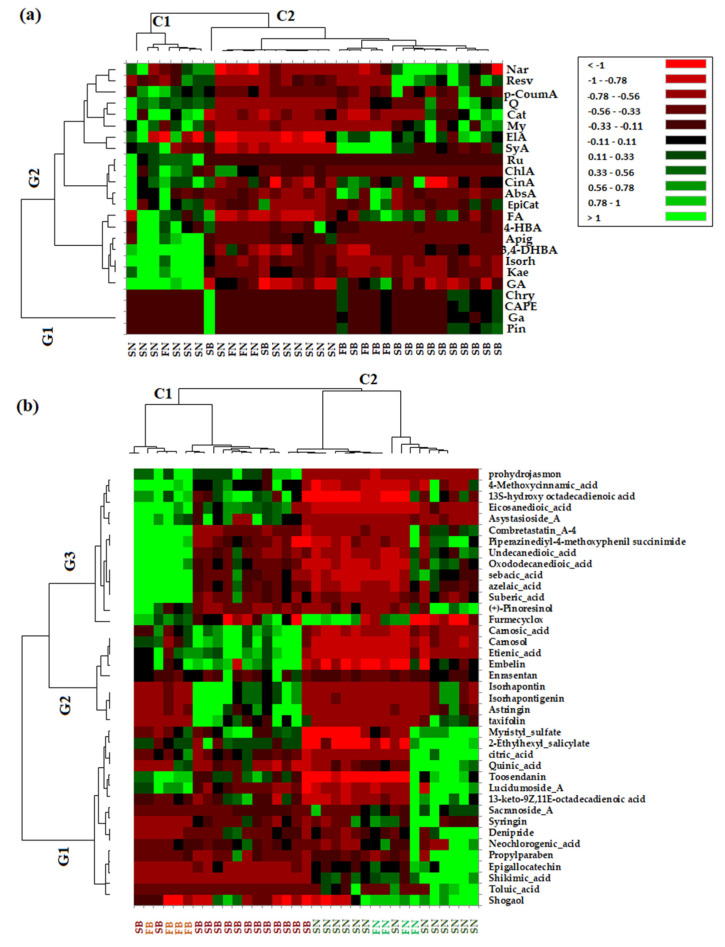
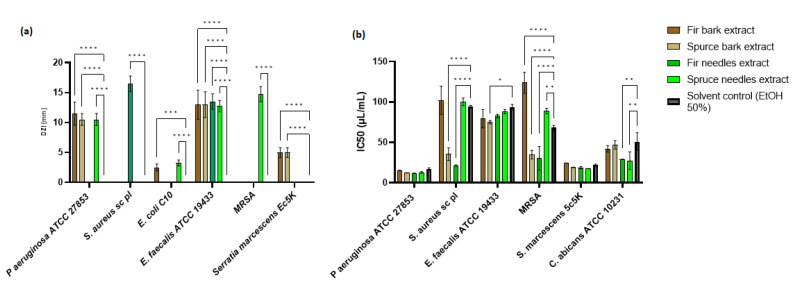
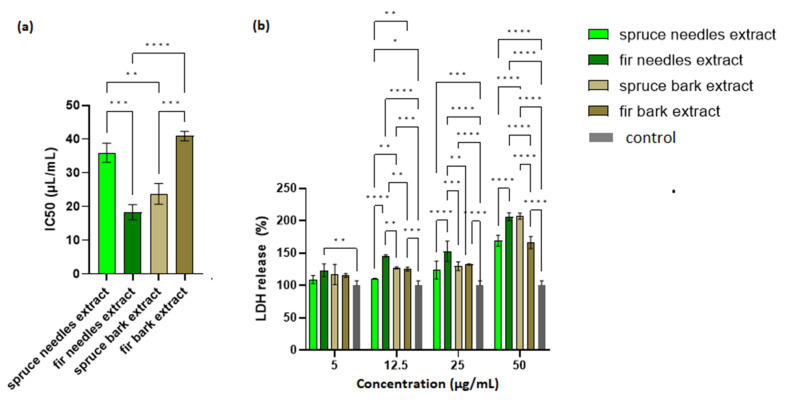
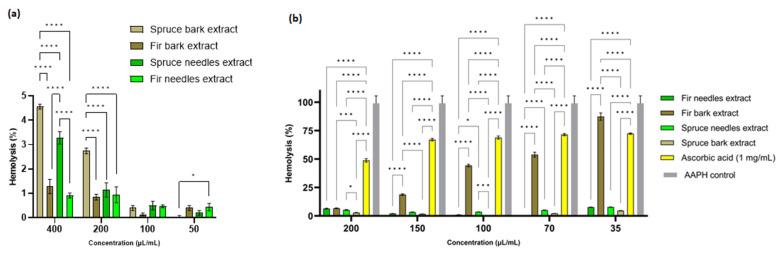
Interest in the extraction of phytochemical bioactive compounds, especially polyphenols from biomass, has recently increased due to their valuable biological potential as natural sources of antioxidants, which could be used in a wide range of applications, from foods and pharmaceuticals to green polymers and bio-based materials. The present research study aimed to provide a comprehensive chemical characterization of the phytochemical composition of forest biomass (bark and needles) of softwood species ( L., H. Karst., and Mill.) and to investigate their in vitro antioxidant and antimicrobial activities to assess their potential in treating and healing infected chronic wounds. The DPPH radical-scavenging method and P-LD were used for a mechanistic explanation of the biomolecular effects of the investigated bioactive compounds. (+)-Catechin, epicatechin, rutin, myricetin, 4 hydroxybenzoic and p-cumaric acids, kaempherol, and apigenin were the main quantified polyphenols in coniferous biomass (in quantities around 100 µg/g). Also, numerous phenolic acids, flavonoids, stilbenes, terpenes, lignans, secoiridoids, and indanes with antioxidant, antimicrobial, anti-inflammatory, antihemolytic, and anti-carcinogenic potential were identified. The needle extract was more toxic to microbial strains than the eukaryotic cells that provide its active wound healing principles. In this context, developing industrial upscaling strategies is imperative for the long-term success of biorefineries and incorporating them as part of a circular bio-economy.
由于植物化学生物活性化合物,特别是生物质中的多酚具有作为抗氧化剂天然来源的宝贵生物潜力,可用于从食品、药品到绿色聚合物和生物基材料等广泛应用,因此最近人们对从生物质中提取这些化合物的兴趣有所增加。本研究旨在对软木树种(L.、H. Karst.和Mill.)的森林生物质(树皮和针叶)的植物化学成分进行全面的化学表征,并研究其体外抗氧化和抗菌活性,以评估其在治疗和愈合感染慢性伤口方面的潜力。采用DPPH自由基清除法和P-LD对所研究生物活性化合物的生物分子效应进行机理解释。(+)-儿茶素、表儿茶素、芦丁、杨梅素、4-羟基苯甲酸和对香豆酸、山奈酚和芹菜素是针叶生物质中主要定量的多酚(含量约为100μg/g)。此外,还鉴定出了许多具有抗氧化、抗菌、抗炎、抗溶血和抗癌潜力的酚酸、黄酮类、芪类、萜类、木脂素类、裂环环烯醚萜类和茚类化合物。针叶提取物对微生物菌株的毒性比对提供其活性伤口愈合原理的真核细胞更大。在这种情况下,制定工业放大策略对于生物精炼厂的长期成功以及将它们纳入循环生物经济的一部分至关重要。