Kobayashi Kaori, Wang Xiaohui, Wang Weiqun
Department of Food Nutrition Dietetics and Health, Kansas State University, Manhattan, KS 66506, USA.
College of Agronomy, Sichuan Agricultural University, Chengdu 611130, China.
Foods. 2023 Jul 21;12(14):2776. doi: 10.3390/foods12142776.
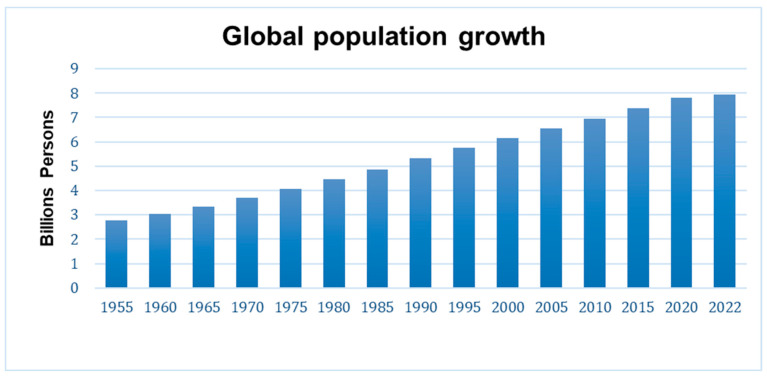
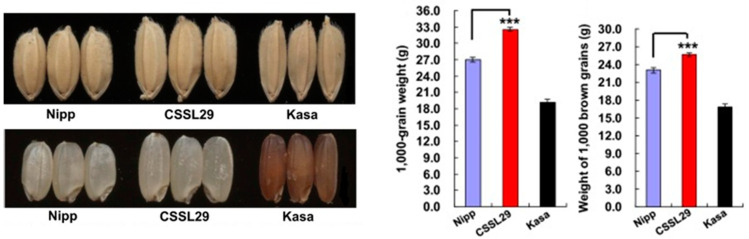
While nearly one in nine people in the world deals with hunger, one in eight has obesity, and all face the threat of climate change. The production of rice, an important cereal crop and staple food for most of the world's population, faces challenges due to climate change, the increasing global population, and the simultaneous prevalence of hunger and obesity worldwide. These issues could be addressed at least in part by genetically modified rice. Genetic engineering has greatly developed over the century. Genetically modified rice has been approved by the ISAAA's GM approval database as safe for human consumption. The aim behind the development of this rice is to improve the crop yield, nutritional value, and food safety of rice grains. This review article provides a summary of the research data on genetically modified rice and its potential role in improving the double burden of malnutrition, primarily through increasing nutritional quality as well as grain size and yield. It also reviews the potential health benefits of certain bioactive components generated in genetically modified rice. Furthermore, this article discusses potential solutions to these challenges, including the use of genetically modified crops and the identification of quantitative trait loci involved in grain weight and nutritional quality. Specifically, a quantitative trait locus called grain weight on chromosome 6 has been identified, which was amplified by the Kasa allele, resulting in a substantial increase in grain weight and brown grain. An overexpressing a specific gene in rice, plasma membrane H+-ATPase1, was observed to improve the absorption and assimilation of ammonium in the roots, as well as enhance stomatal opening and photosynthesis rate in the leaves under light exposure. Cloning research has also enabled the identification of several underlying quantitative trait loci involved in grain weight and nutritional quality. Finally, this article discusses the increasing threats of climate change such as methane-nitrous oxide emissions and global warming, and how they may be significantly improved by genetically modified rice through modifying a water-management technique. Taken together, this comprehensive review will be of particular importance to the field of bioactive components of cereal grains and food industries trying to produce high-quality functional cereal foods through genetic engineering.
世界上近九分之一的人面临饥饿,八分之一的人患有肥胖症,所有人都面临气候变化的威胁。水稻是一种重要的谷类作物,也是世界上大多数人口的主食,由于气候变化、全球人口增长以及全球范围内饥饿与肥胖症的同时盛行,其生产面临挑战。转基因水稻至少可以部分解决这些问题。在过去的一个世纪里,基因工程有了很大的发展。转基因水稻已被国际农业生物技术应用服务组织(ISAAA)的转基因审批数据库批准可安全供人类食用。培育这种水稻的目的是提高作物产量、营养价值以及稻米的食品安全。这篇综述文章总结了转基因水稻的研究数据及其在改善营养不良双重负担方面的潜在作用,主要是通过提高营养品质以及谷粒大小和产量来实现。文章还综述了转基因水稻中产生的某些生物活性成分的潜在健康益处。此外,本文讨论了应对这些挑战的潜在解决方案,包括使用转基因作物以及鉴定与粒重和营养品质相关的数量性状基因座。具体而言,已鉴定出位于6号染色体上的一个名为粒重的数量性状基因座,它被卡萨等位基因扩增,导致粒重和糙米显著增加。在水稻中过表达一个特定基因——质膜H + -ATP酶1,可提高根部铵的吸收和同化,并在光照下增强叶片气孔开放和光合速率。克隆研究还使得能够鉴定出几个与粒重和营养品质相关的潜在数量性状基因座。最后,本文讨论了气候变化带来的日益严重的威胁,如甲烷-一氧化二氮排放和全球变暖,以及转基因水稻如何通过改进水分管理技术来显著改善这些问题。综上所述,这篇全面的综述对于谷物生物活性成分领域以及试图通过基因工程生产高质量功能性谷物食品的食品行业将具有特别重要的意义。