Canciello Grazia, Pate Shabnam, Sannino Anna, Borrelli Felice, Todde Gaetano, Grayburn Paul, Losi Maria-Angela, Esposito Giovanni
Department of Advanced Biomedical Sciences, Federico II University, 80131 Naples, Italy.
Division of Cardiology, Baylor Scott & White Research Institute, Plano, TX 75204, USA.
Diagnostics (Basel). 2023 Jul 19;13(14):2414. doi: 10.3390/diagnostics13142414.
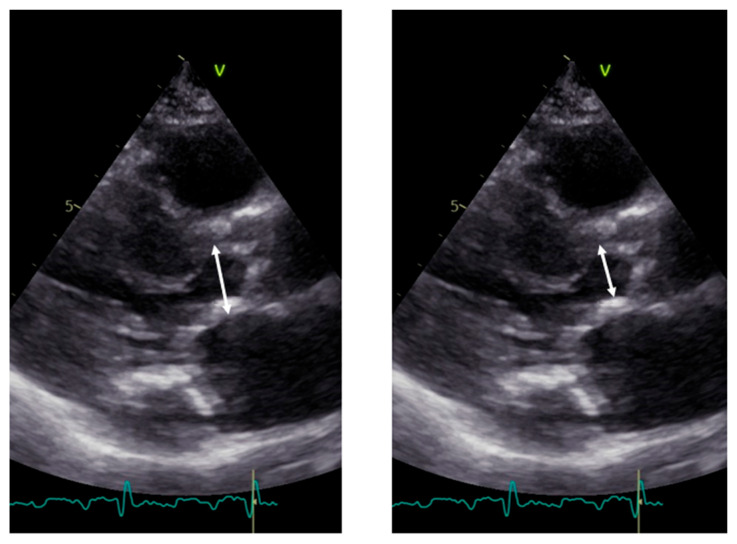
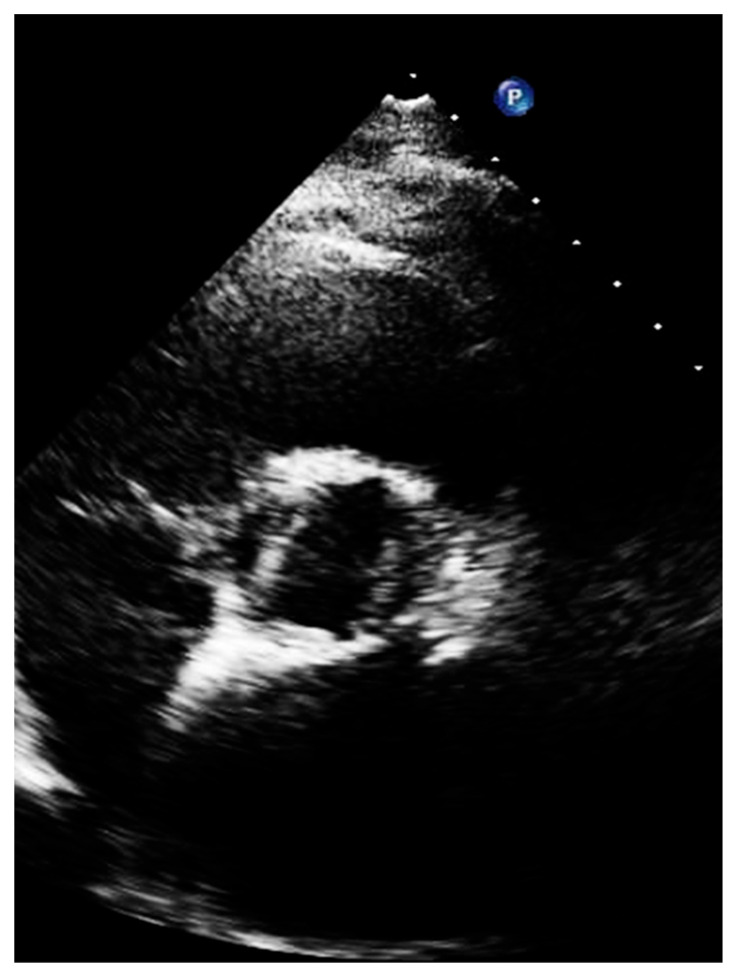
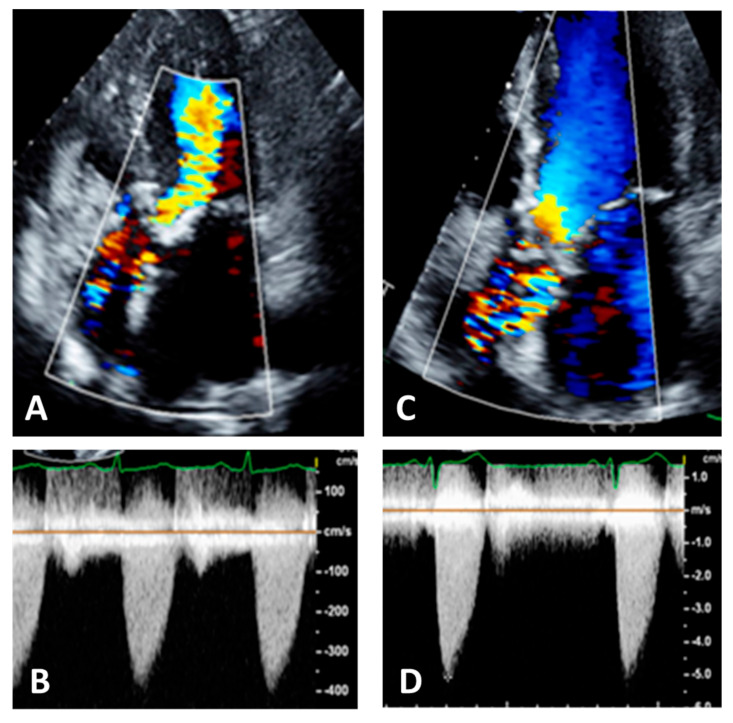
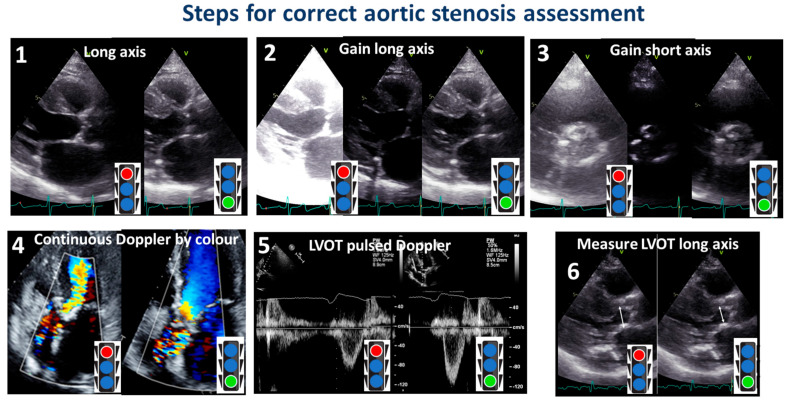
Aortic stenosis (AS) is a valvular heart disease that significantly contributes to cardiovascular morbidity and mortality worldwide. The condition is characterized by calcification and thickening of the aortic valve leaflets, resulting in a narrowed orifice and increased pressure gradient across the valve. AS typically progresses from a subclinical phase known as aortic sclerosis, where valve calcification occurs without a transvalvular gradient, to a more advanced stage marked by a triad of symptoms: heart failure, syncope, and angina. Echocardiography plays a crucial role in the diagnosis and evaluation of AS, serving as the primary non-invasive imaging modality. However, to minimize misdiagnoses, it is crucial to adhere to a standardized protocol for acquiring echocardiographic images. This is because, despite continuous advances in echocardiographic technology, diagnostic errors still occur during the evaluation of AS, particularly in classifying its severity and hemodynamic characteristics. This review focuses on providing guidance for the imager during the echocardiographic assessment of AS. Firstly, the review will report on how the echo machine should be set to improve image quality and reduce noise and artifacts. Thereafter, the review will report specific emphasis on accurate measurements of left ventricular outflow tract diameter, aortic valve morphology and movement, as well as aortic and left ventricular outflow tract velocities. By considering these key factors, clinicians can ensure consistency and accuracy in the evaluation of AS using echocardiography.
主动脉瓣狭窄(AS)是一种瓣膜性心脏病,在全球范围内对心血管疾病的发病率和死亡率有显著影响。该病的特征是主动脉瓣叶钙化和增厚,导致瓣口狭窄以及瓣膜两端压力梯度增加。AS通常从一个称为主动脉瓣硬化的亚临床阶段发展而来,在这个阶段瓣膜钙化但没有跨瓣压差,然后进展到以心力衰竭、晕厥和心绞痛三联征为特征的更晚期阶段。超声心动图在AS的诊断和评估中起着关键作用,是主要的非侵入性成像方式。然而,为了尽量减少误诊,遵循标准化的超声心动图图像采集方案至关重要。这是因为尽管超声心动图技术不断进步,但在AS评估过程中仍会出现诊断错误,尤其是在对其严重程度和血流动力学特征进行分类时。本综述重点为成像人员在AS的超声心动图评估过程中提供指导。首先,综述将报告如何设置超声机器以提高图像质量并减少噪声和伪像。此后,综述将特别强调准确测量左心室流出道直径、主动脉瓣形态和运动以及主动脉和左心室流出道速度。通过考虑这些关键因素,临床医生可以确保使用超声心动图评估AS时的一致性和准确性。