Qadi Wasim S M, Mediani Ahmed, Kasim Zalifah Mohd, Misnan Norazlan Mohmad, Sani Norrakiah Abdullah, Jamar Nur Hidayah
Department of Food Science, Faculty of Science and Technology, Universiti Kebangsaan Malaysia, UKM, Bangi 43600, Malaysia.
Institute of Systems Biology (INBIOSIS), Universiti Kebangsaan Malaysia, UKM, Bangi 43600, Malaysia.
Metabolites. 2023 Jul 13;13(7):849. doi: 10.3390/metabo13070849.
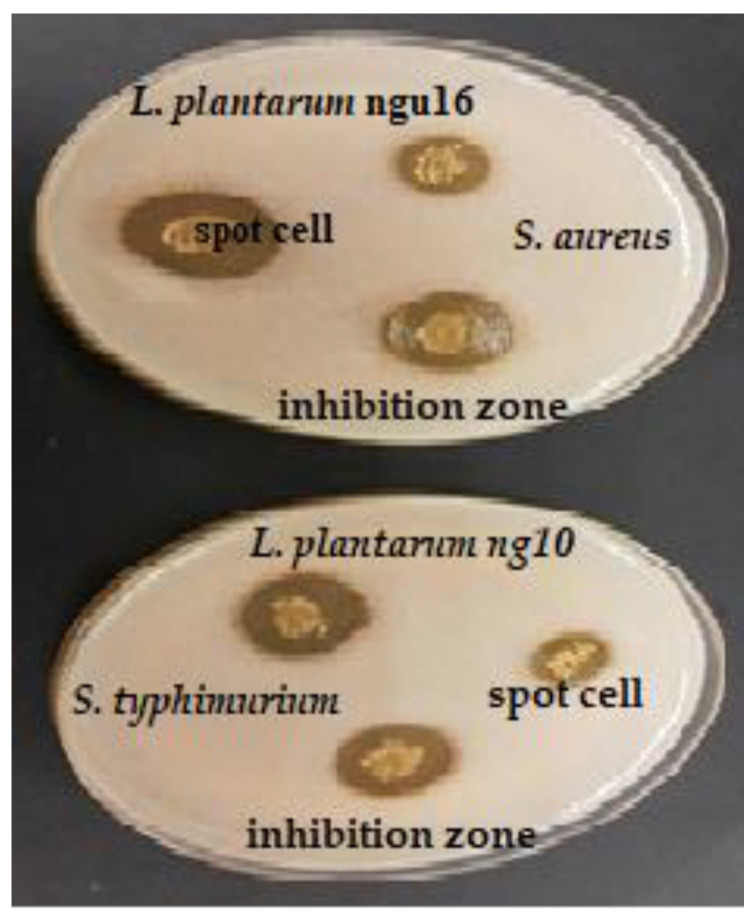
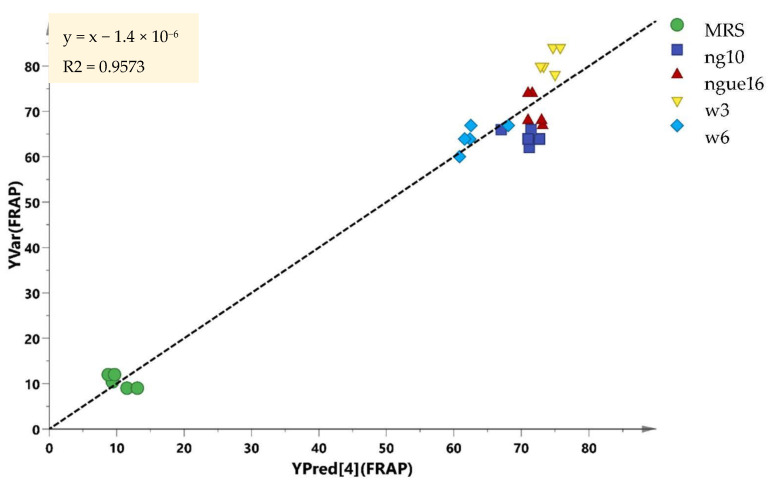
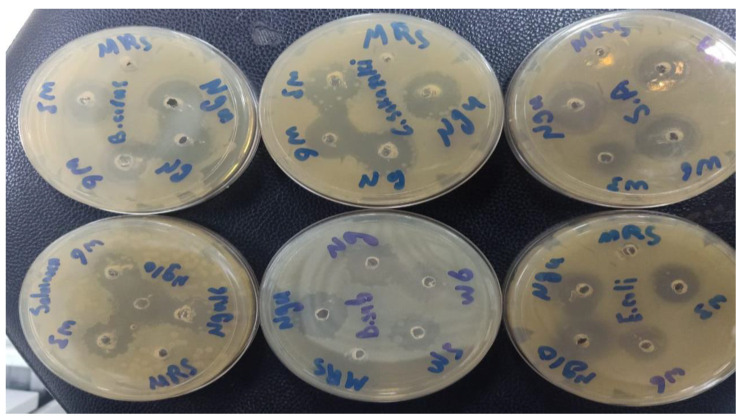
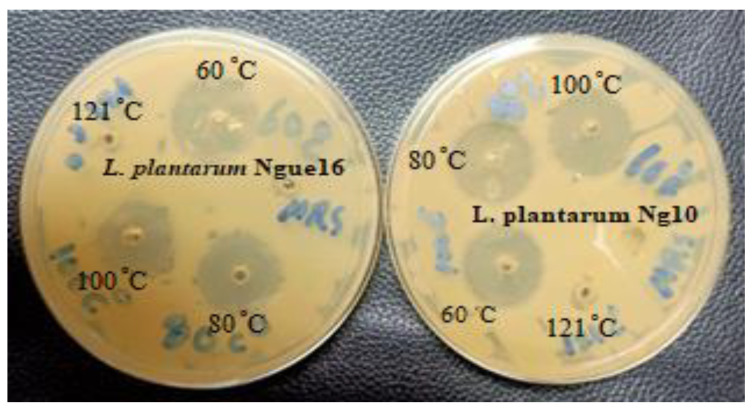
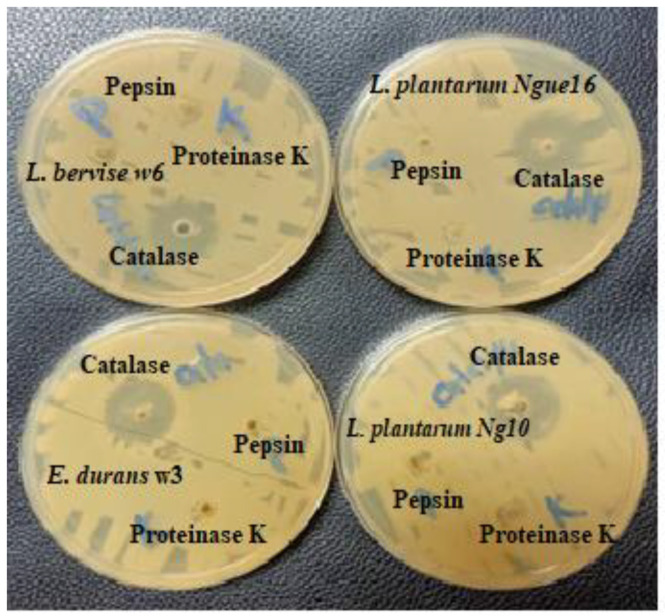
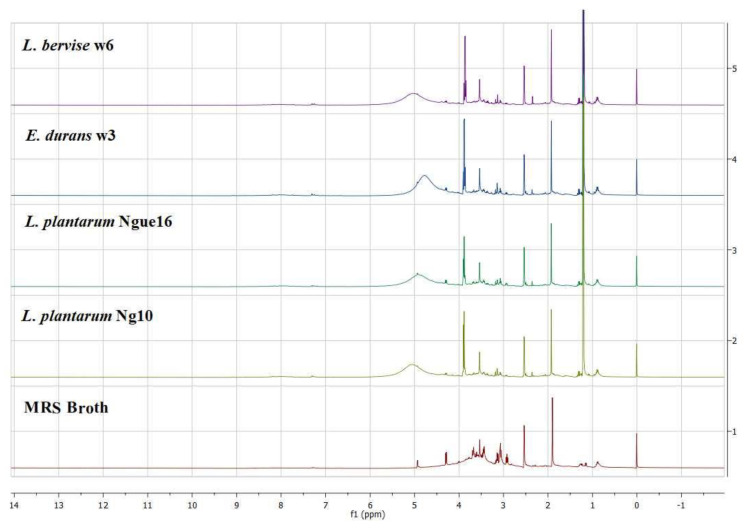
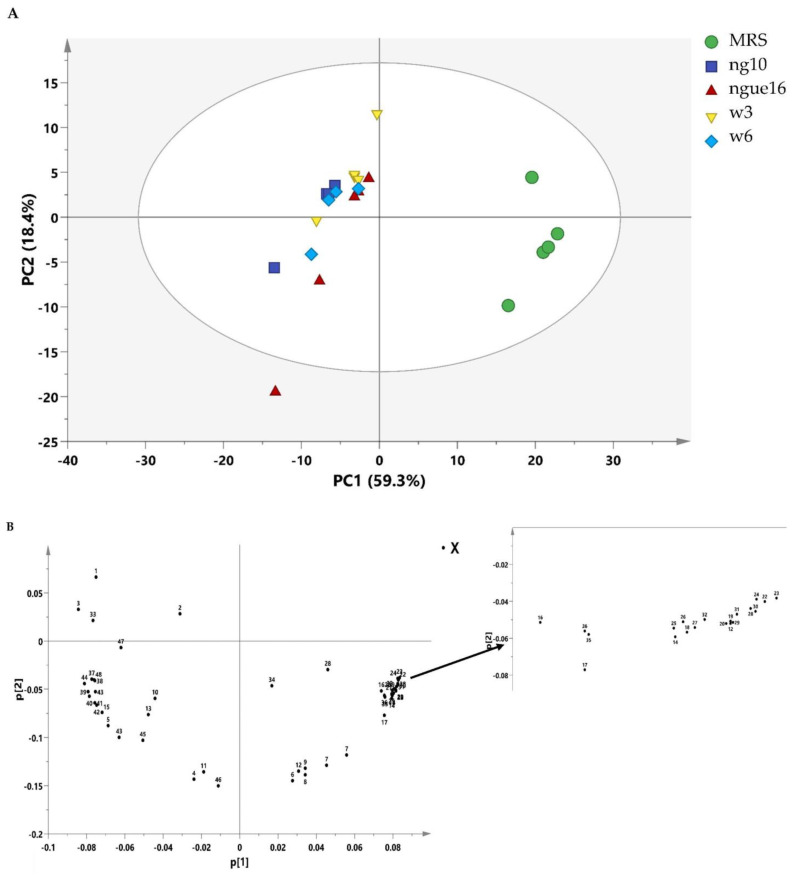
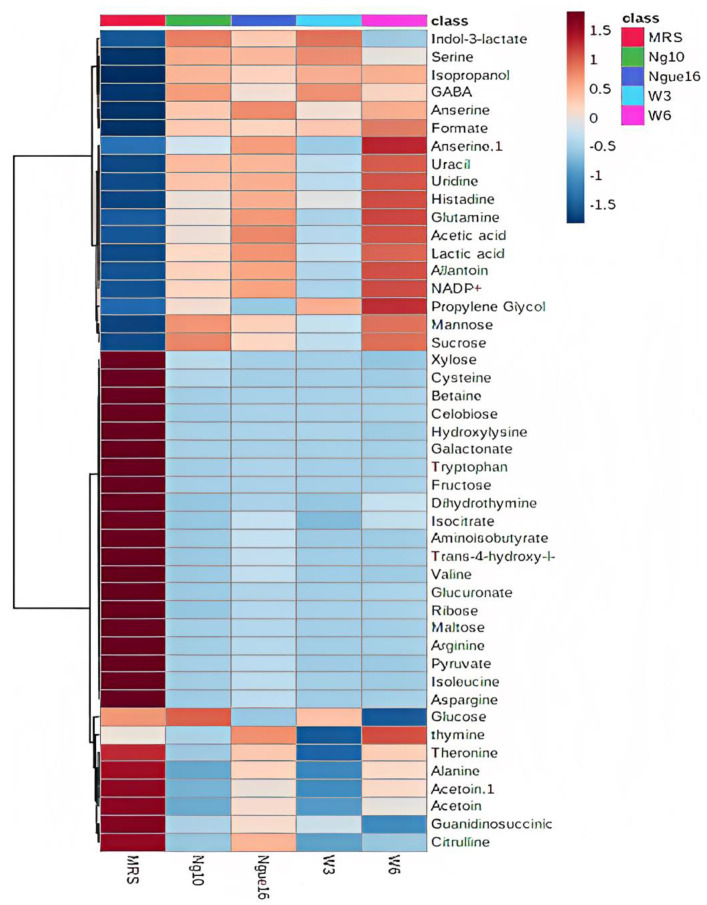
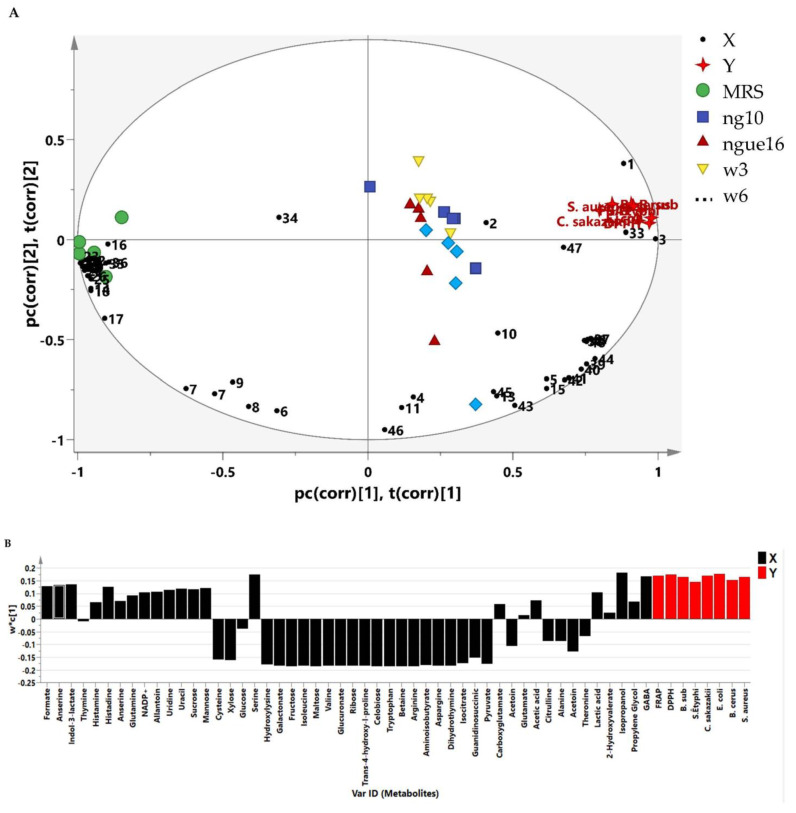
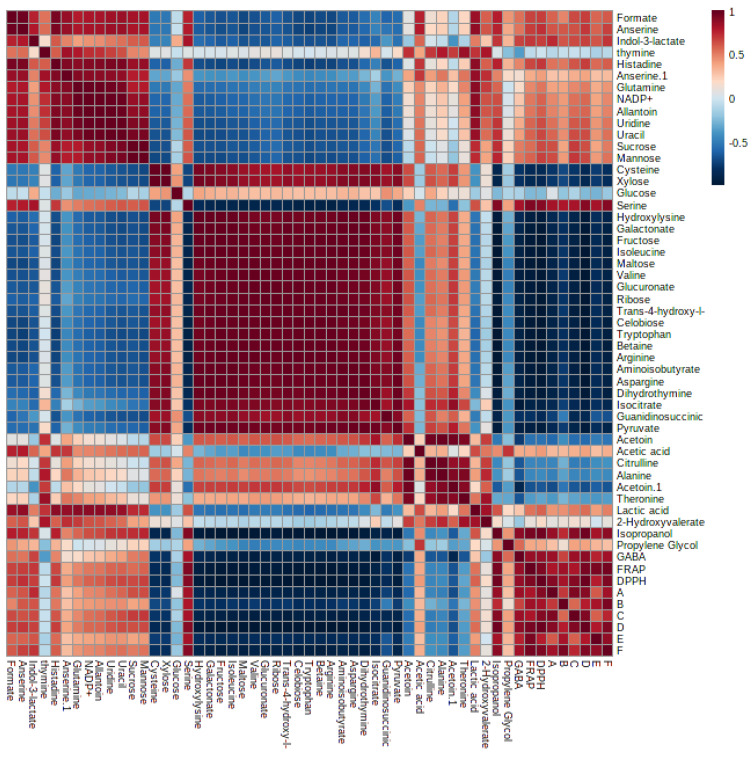
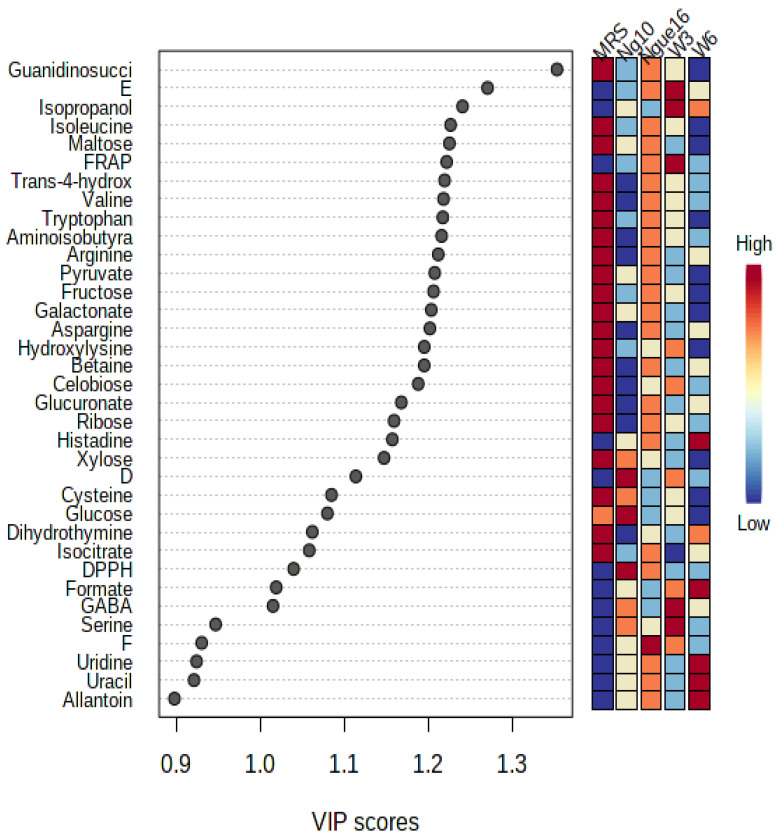
The aim of this research was to assess the antibacterial and antioxidant properties as well as the variation in metabolites of the cell-free supernatant (CFS) produced by lactic acid bacteria (LAB) from local plants: ngue16, ng10, w3, and w6. The tested strains exhibited inhibitory effects against pathogens, including , , , , Typhimurium, using the agar spot assay and well diffusion method. The CFS from all four strains displayed antibacterial activity against these pathogens with minimum inhibitory concentration (MIC) values ranging from 3.12 to 12.5 mg/mL and minimal bactericidal concentration (MBC) values ranging from 6.25 to 25.0 mg/mL. Moreover, the CFS demonstrated resilience within specific pH (3-8) and temperature (60-100 °C) ranges and lost its activity when treated with enzymes, such as Proteinase K and pepsin. Furthermore, the CFS exhibited antioxidant properties as evidenced by their ability to inhibit the formation of two radicals (1,1-diphenyl-2-picrylhydrazyl (DPPH) and ferric reducing antioxidant power (FRAP) compared to the negative control, De Man, Rogosa, and Sharpe (MRS) broth. The use of proton-based nuclear magnetic resonance (H-NMR) spectroscopy revealed the presence and quantification of 48 metabolites in both the CFS and MRS broths. Principal Component Analysis (PCA) effectively differentiated between CFS and MRS broth by identifying the specific metabolites responsible for the observed differences. The partial least squares (PLS) model demonstrated a significant correlation between the metabolites in the LAB supernatant and the tested antibacterial and antioxidant activities. Notably, anserine, GABA, acetic acid, lactic acid, uracil, uridine, propylene glycol, isopropanol, serine, histidine, and indol-3-lactate were identified as the compounds contributing the most to the highest antibacterial and antioxidant activities in the supernatant. These findings suggest that the LAB strains investigated have the potential to be utilized in the production of functional foods and the development of pharmaceutical products.
本研究的目的是评估来自当地植物(ngue16、ng10、w3和w6)的乳酸菌(LAB)产生的无细胞上清液(CFS)的抗菌和抗氧化特性以及代谢物的变化。使用琼脂斑点试验和打孔扩散法,测试菌株对包括大肠杆菌、金黄色葡萄球菌、枯草芽孢杆菌、铜绿假单胞菌、鼠伤寒沙门氏菌在内的病原体表现出抑制作用。所有四种菌株的CFS对这些病原体均显示出抗菌活性,最低抑菌浓度(MIC)值范围为3.12至12.5mg/mL,最低杀菌浓度(MBC)值范围为6.25至25.0mg/mL。此外,CFS在特定的pH(3 - 8)和温度(60 - 100°C)范围内表现出稳定性,而在用蛋白酶K和胃蛋白酶等酶处理时失去活性。此外,CFS表现出抗氧化特性,与阴性对照德氏、罗氏和夏普(MRS)肉汤相比,它们能够抑制两种自由基(1,1 - 二苯基 - 2 - 苦基肼(DPPH)和铁还原抗氧化能力(FRAP))的形成。基于质子的核磁共振(H - NMR)光谱分析揭示了CFS和MRS肉汤中48种代谢物的存在和定量。主成分分析(PCA)通过识别导致观察到差异的特定代谢物,有效地区分了CFS和MRS肉汤。偏最小二乘法(PLS)模型表明LAB上清液中的代谢物与测试的抗菌和抗氧化活性之间存在显著相关性。值得注意的是,鹅肌肽、γ-氨基丁酸、乙酸、乳酸、尿嘧啶、尿苷、丙二醇、异丙醇、丝氨酸、组氨酸和吲哚 - 3 - 乳酸被确定为对上清液中最高抗菌和抗氧化活性贡献最大的化合物。这些发现表明,所研究的LAB菌株有潜力用于功能性食品的生产和药品的开发。