Lin Ding-Yan, Yu Chung-Yu, Ku Chin-An, Chung Chen-Kuei
Department of Mechanical Engineering, National Cheng Kung University, Tainan 701, Taiwan.
Micromachines (Basel). 2023 Jun 30;14(7):1343. doi: 10.3390/mi14071343.
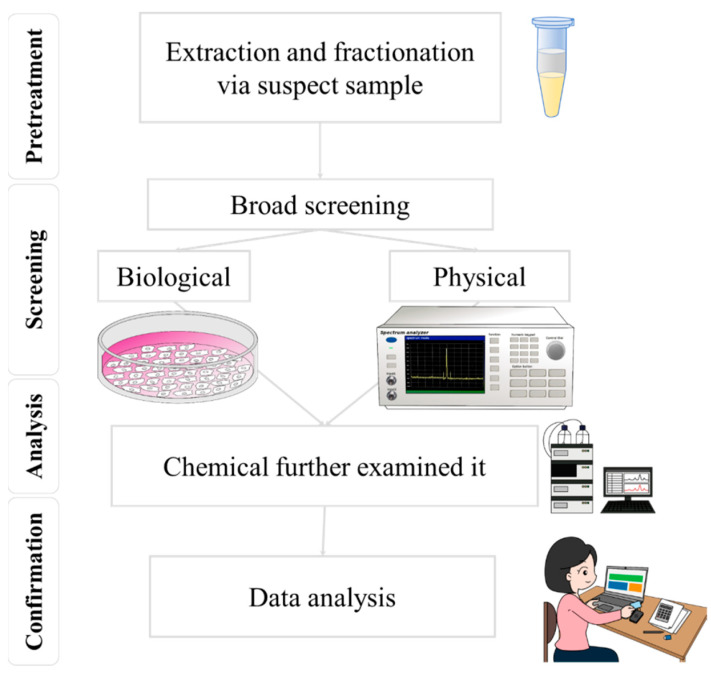
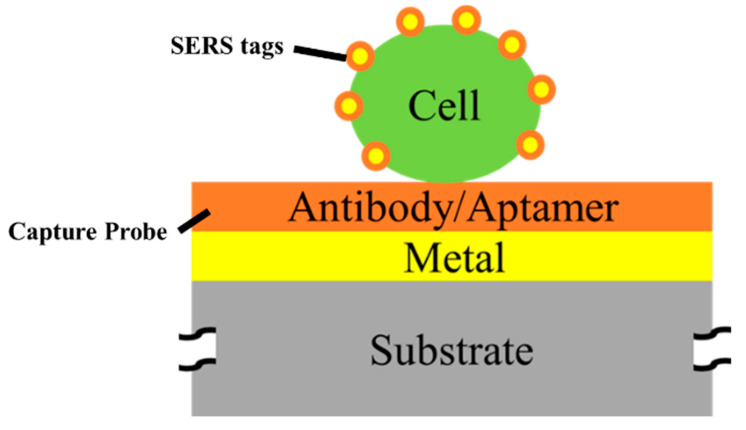
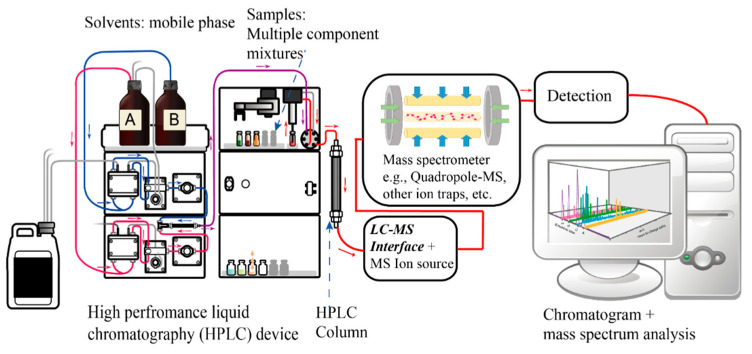
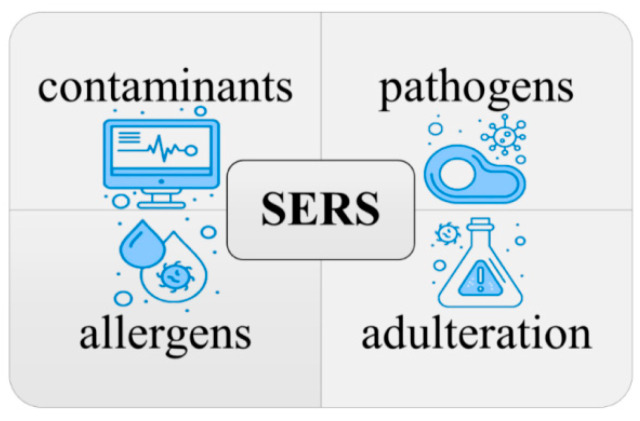
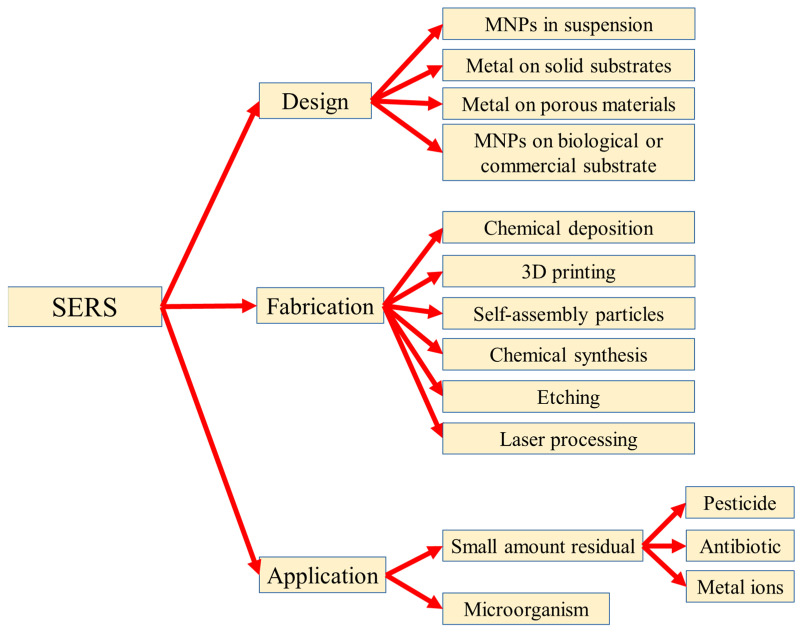
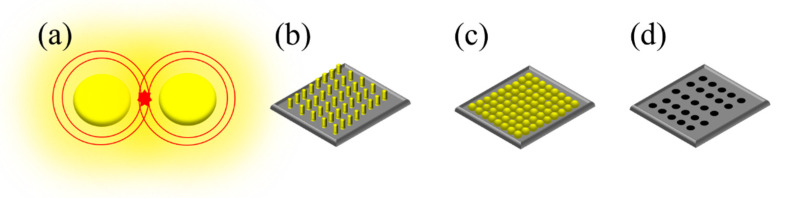
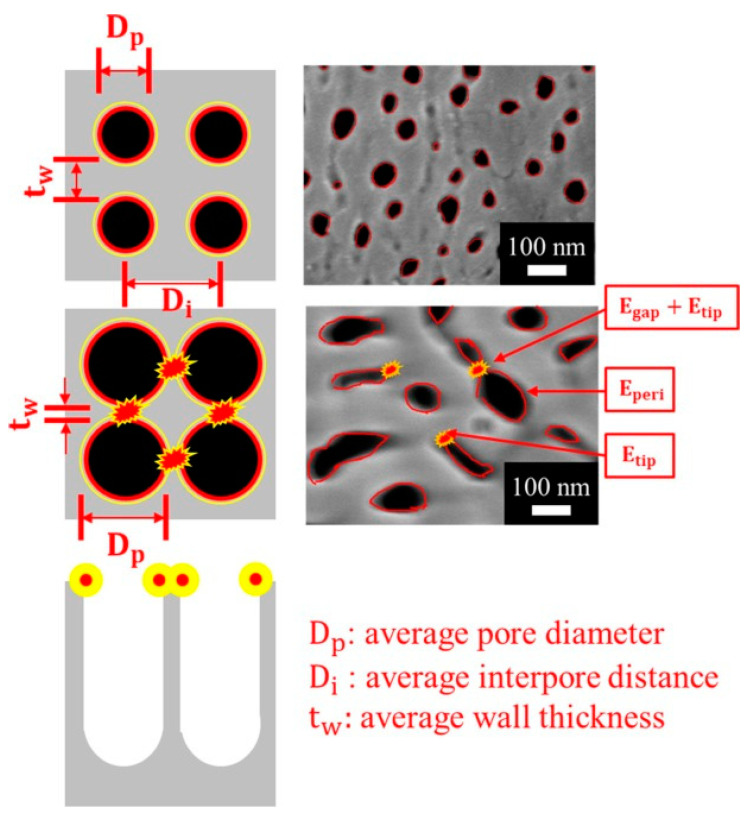
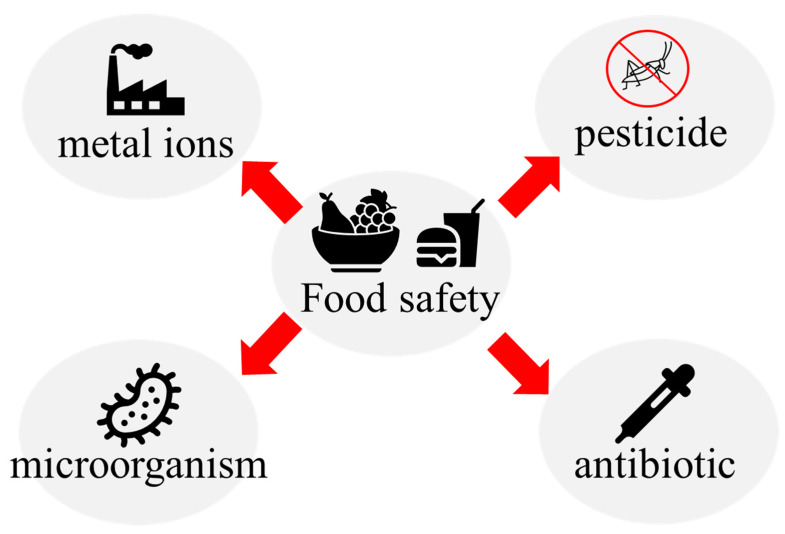
Sustainable and safe food is an important issue worldwide, and it depends on cost-effective analysis tools with good sensitivity and reality. However, traditional standard chemical methods of food safety detection, such as high-performance liquid chromatography (HPLC), gas chromatography (GC), and tandem mass spectrometry (MS), have the disadvantages of high cost and long testing time. Those disadvantages have prevented people from obtaining sufficient risk information to confirm the safety of their products. In addition, food safety testing, such as the bioassay method, often results in false positives or false negatives due to little rigor preprocessing of samples. So far, food safety analysis currently relies on the enzyme-linked immunosorbent assay (ELISA), polymerase chain reaction (PCR), HPLC, GC, UV-visible spectrophotometry, and MS, all of which require significant time to train qualified food safety testing laboratory operators. These factors have hindered the development of rapid food safety monitoring systems, especially in remote areas or areas with a relative lack of testing resources. Surface-enhanced Raman spectroscopy (SERS) has emerged as one of the tools of choice for food safety testing that can overcome these dilemmas over the past decades. SERS offers advantages over chromatographic mass spectrometry analysis due to its portability, non-destructive nature, and lower cost implications. However, as it currently stands, Raman spectroscopy is a supplemental tool in chemical analysis, reinforcing and enhancing the completeness and coverage of the food safety analysis system. SERS combines portability with non-destructive and cheaper detection costs to gain an advantage over chromatographic mass spectrometry analysis. SERS has encountered many challenges in moving toward regulatory applications in food safety, such as quantitative accuracy, poor reproducibility, and instability of large molecule detection. As a result, the reality of SERS, as a screening tool for regulatory announcements worldwide, is still uncommon. In this review article, we have compiled the current designs and fabrications of SERS substrates for food safety detection to unify all the requirements and the opportunities to overcome these challenges. This review is expected to improve the interest in the sensing field of SERS and facilitate the SERS applications in food safety detection in the future.
可持续且安全的食品是全球重要议题,这取决于具备良好灵敏度和实用性的成本效益分析工具。然而,传统的食品安全检测标准化学方法,如高效液相色谱法(HPLC)、气相色谱法(GC)和串联质谱法(MS),存在成本高和检测时间长的缺点。这些缺点阻碍人们获取足够的风险信息来确认产品的安全性。此外,诸如生物测定法之类的食品安全检测,由于样品预处理不够严谨,常常导致假阳性或假阴性结果。到目前为止,食品安全分析目前依赖于酶联免疫吸附测定法(ELISA)、聚合酶链反应(PCR)、HPLC、GC、紫外可见分光光度法和MS,所有这些方法都需要花费大量时间来培训合格的食品安全检测实验室操作人员。这些因素阻碍了快速食品安全监测系统的发展,尤其是在偏远地区或检测资源相对匮乏的地区。在过去几十年里,表面增强拉曼光谱(SERS)已成为食品安全检测的首选工具之一,它能够克服这些难题。由于其便携性、非破坏性以及较低的成本影响,SERS相较于色谱质谱分析具有优势。然而,就目前情况而言,拉曼光谱在化学分析中是一种辅助工具,用于加强和提高食品安全分析系统的完整性和覆盖面。SERS将便携性与非破坏性以及更低的检测成本相结合,从而在色谱质谱分析中占据优势。SERS在迈向食品安全监管应用的过程中遇到了许多挑战,例如定量准确性、重现性差以及大分子检测的不稳定性。因此,SERS作为全球监管公告的筛查工具,在现实中仍不常见。在这篇综述文章中,我们汇编了用于食品安全检测的SERS基底的当前设计和制备方法,以统一所有要求以及克服这些挑战的机遇。这篇综述有望提高人们对SERS传感领域的兴趣,并在未来推动SERS在食品安全检测中的应用。