Badawi Nujud Mohammed, Batoo Khalid Mujasam, Subramaniam Ramesh, Kasi Ramesh, Hussain Sajjad, Imran Ahamad, Muthuramamoorthy Muthumareeswaran
Centre for Ionics, Department of Physics, Faculty of Science, Universiti Malaya, Kuala Lumpur 50603, Malaysia.
Department of Physics, Faculty of Science, College of Science, University of Hafr Al-Batin, Hafer Al-Batin 39921, Saudi Arabia.
Micromachines (Basel). 2023 Jul 21;14(7):1461. doi: 10.3390/mi14071461.
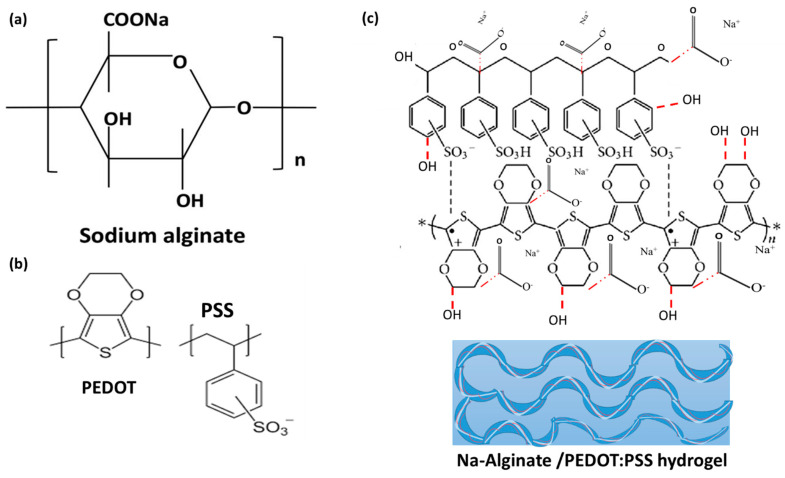
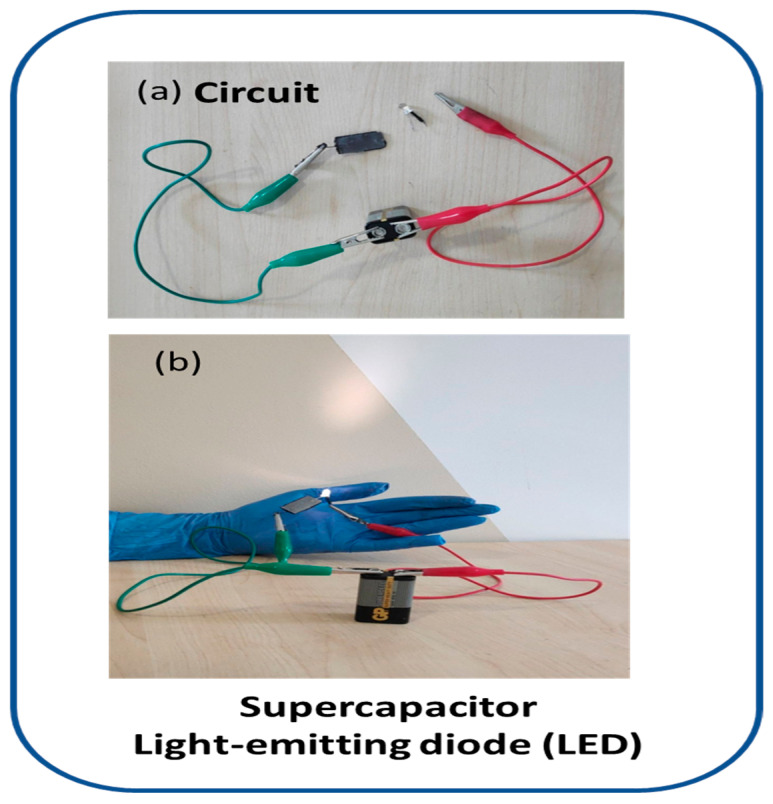
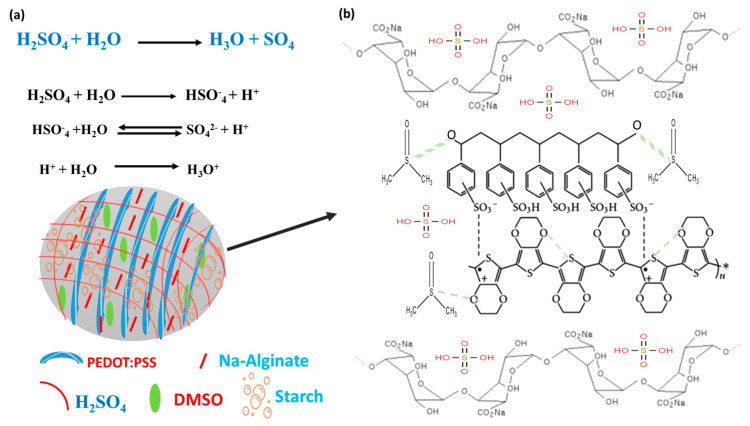
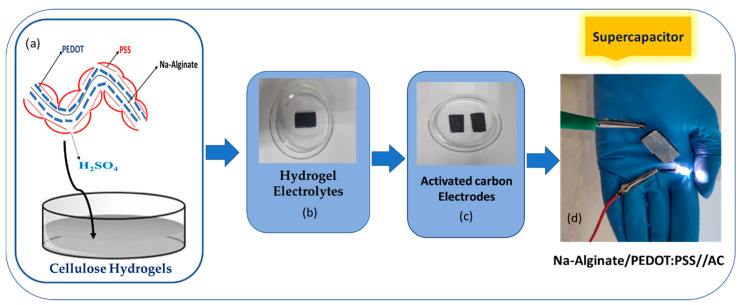
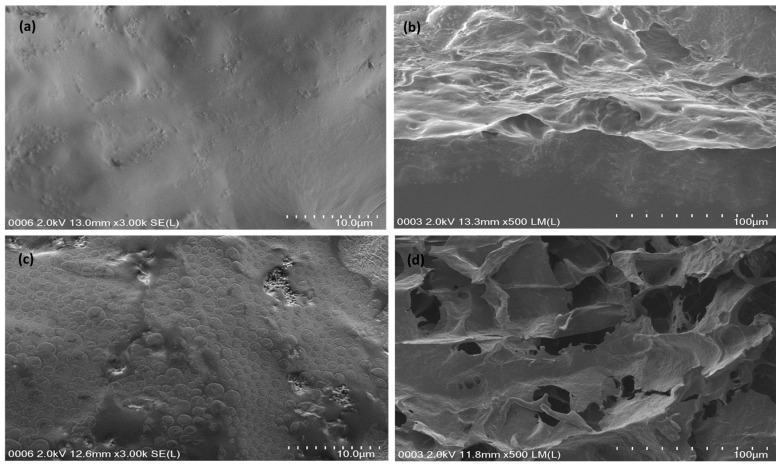
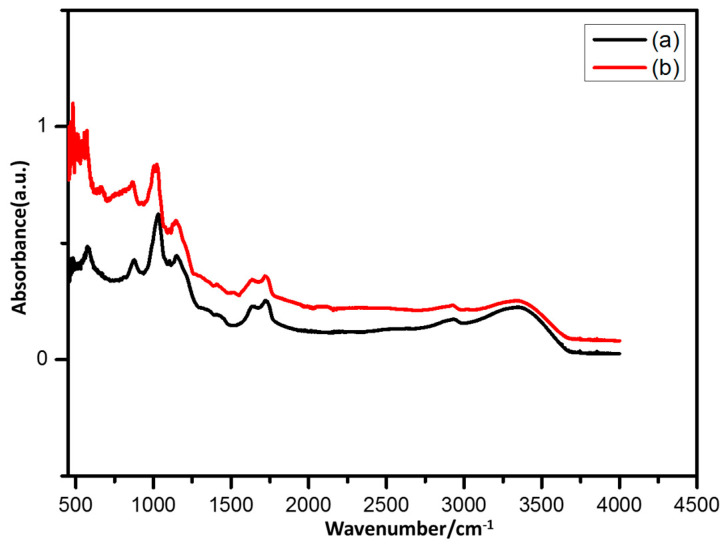
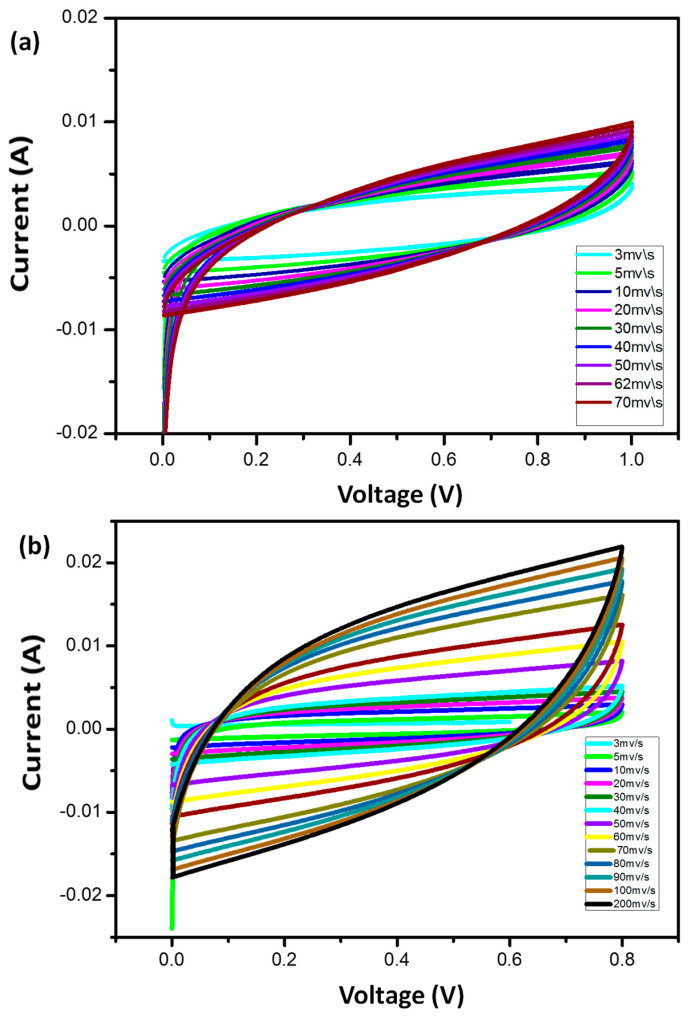
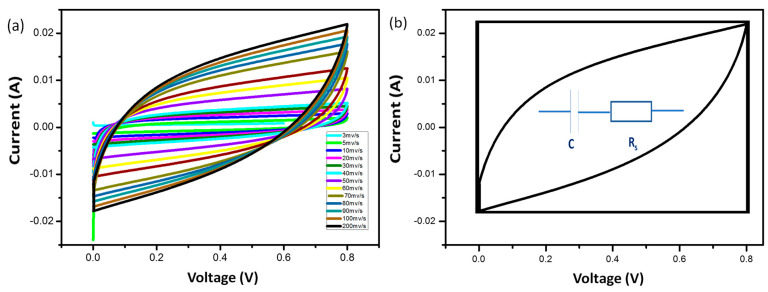
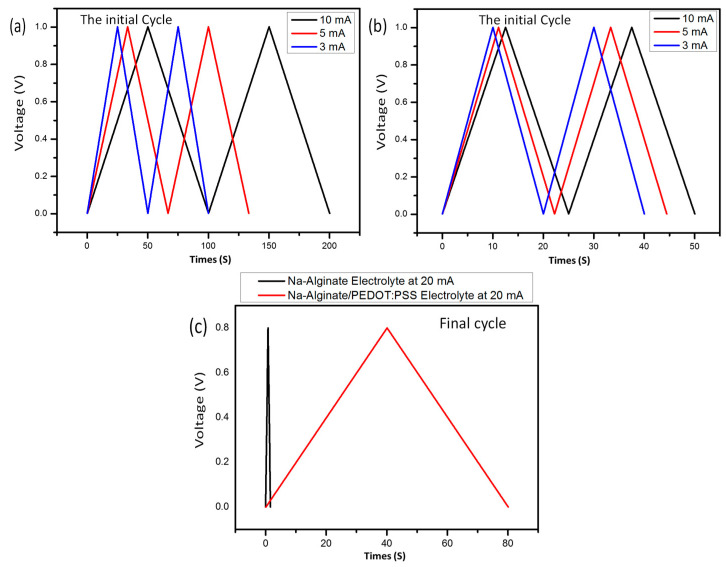
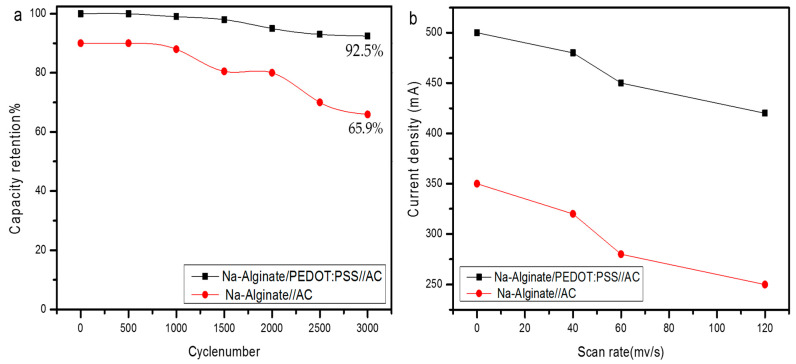
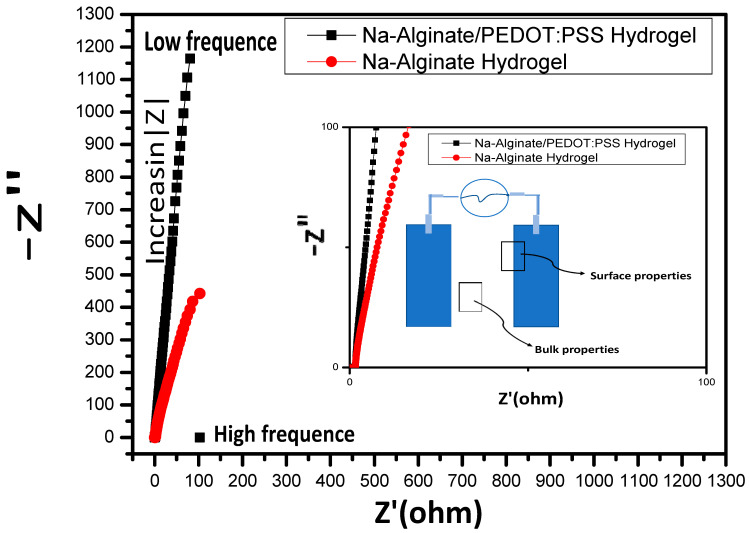
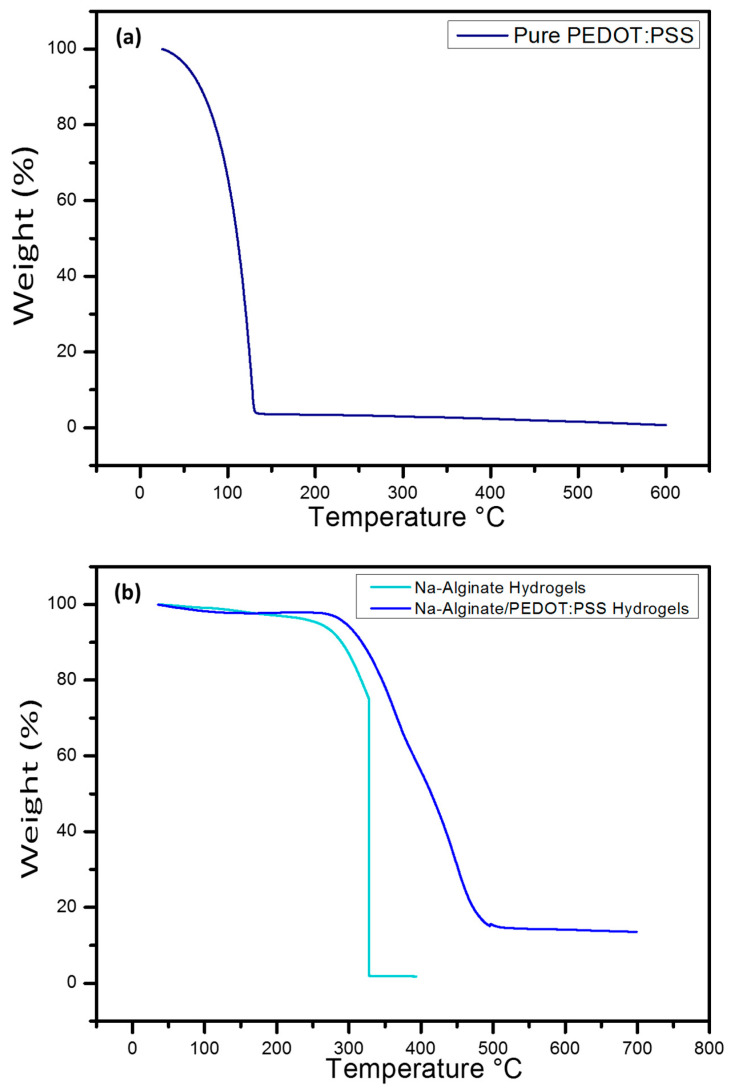
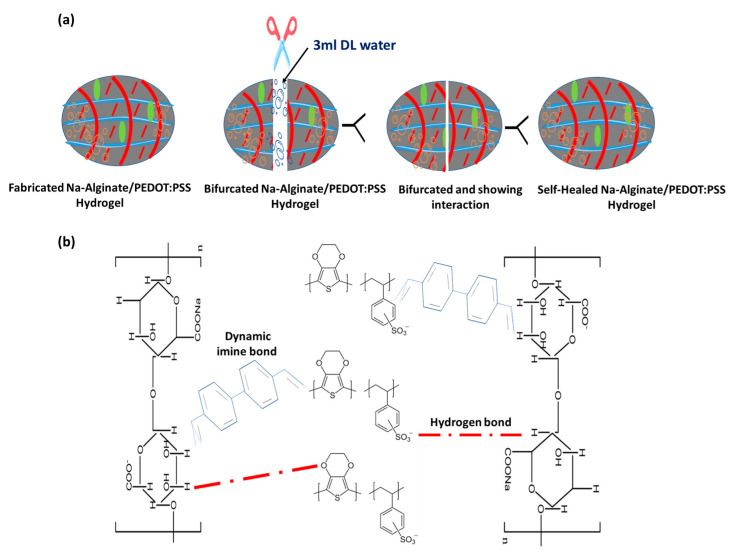
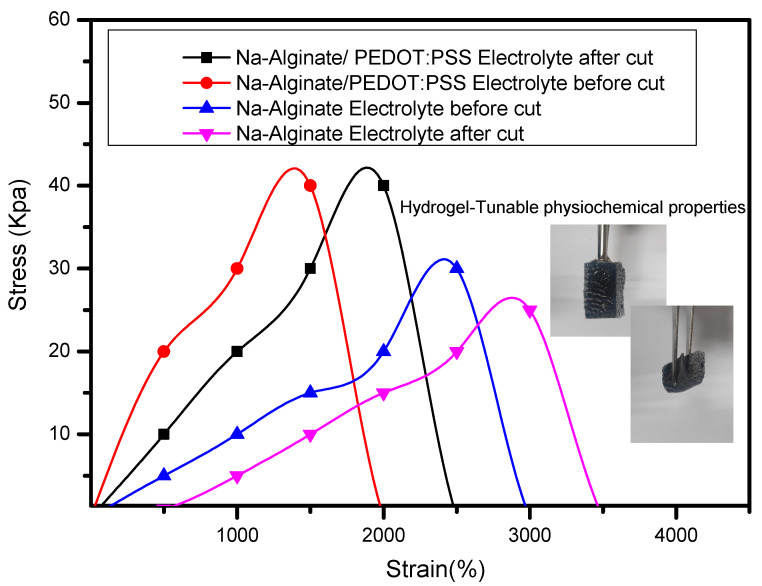
We report Na-Alginate-based hydrogels with high ionic conductivity and water content fabrication using poly (3,4-ethylene dioxythiophene) (PEDOT): poly (4-styrene sulfonic acid) (PSS) and a hydrogel matrix based on dimethyl sulfoxide (DMSO). DMSO was incorporated within the PEDOT:PSS hydrogel. A hydrogel with higher conductivity was created through the in-situ synthesis of intra-Na-Alginate, which was then improved upon by HSO treatment. Field emission scanning electron microscopy (FESEM) was used to examine the surface morphology of the pure and synthetic hydrogel. Structural analysis was performed using Fourier-transform infrared spectroscopy (FTIR). Thermogravimetric analysis (TGA), which examines thermal properties, was also used. A specific capacitance of 312 F/g at 80 mV/s (energy density of 40.58 W/kg at a power density of 402.20 W/kg) at 100 DC mA/g was achieved by the symmetric Na-Alginate/PEDOT:PSS based flexible supercapacitor. The electrolyte achieved a higher ionic conductivity of 9.82 × 10 and 7.6 × 10 Scm of Na-Alginate and a composite of Na-Alginate/PEDOT:PSS at 25 °C. Furthermore, the supercapacitor Na-Alginate/PEDOT:PSS//AC had excellent electrochemical stability by showing a capacity retention of 92.5% after 3000 continuous charge-discharge cycles at 10 mA current density. The Na- Alginate/PEDOT:PSS hydrogel displayed excellent flexibility and self-healing after re-contacting the two cut hydrogel samples of electrolyte for 90 min because of the dynamic cross-linking network efficiently dissipated energy. The illumination of a light-emitting diode (LED) verified the hydrogel's capacity for self-healing.
我们报道了基于海藻酸钠的水凝胶,其具有高离子电导率和高含水量,通过聚(3,4 - 亚乙基二氧噻吩)(PEDOT):聚(4 - 苯乙烯磺酸)(PSS)和基于二甲基亚砜(DMSO)的水凝胶基质来制备。DMSO被引入到PEDOT:PSS水凝胶中。通过原位合成内部海藻酸钠钠生成了具有更高电导率的水凝胶,然后通过HSO处理对其进行改进。使用场发射扫描电子显微镜(FESEM)来检查纯的和合成水凝胶的表面形态。使用傅里叶变换红外光谱(FTIR)进行结构分析。还使用了热重分析(TGA)来检查热性能。基于对称的海藻酸钠/ PEDOT:PSS的柔性超级电容器在100 DC mA / g下,在80 mV / s时实现了312 F / g的比电容(在402.20 W / kg的功率密度下能量密度为40.58 W / kg)。在25°C下,该电解质实现了海藻酸钠的9.82×10和海藻酸钠/ PEDOT:PSS复合材料的7.6×10 S cm的更高离子电导率。此外,超级电容器海藻酸钠/ PEDOT:PSS//AC具有优异的电化学稳定性,在10 mA电流密度下连续3000次充放电循环后容量保持率为92.5%。由于动态交联网络有效地耗散了能量,海藻酸钠/ PEDOT:PSS水凝胶在将两个切割的电解质水凝胶样品重新接触90分钟后表现出优异的柔韧性和自愈性。发光二极管(LED)的照明验证了水凝胶的自愈能力。