Grase Liga, Onufrijevs Pavels, Rezevska Dace, Racenis Karlis, Skadins Ingus, Karosas Jonas, Gecys Paulius, Iesalnieks Mairis, Pludons Arturs, Kroica Juta, Raciukaitis Gediminas
Institute of Materials and Surface Engineering, Faculty of Materials Science and Applied Chemistry, Riga Technical University, 7 Paula Valdena Street, LV-1048 Riga, Latvia.
Institute of Technical Physics, Faculty of Materials Science and Applied Chemistry, Riga Technical University, 7 Paula Valdena Street, LV-1048 Riga, Latvia.
Nanomaterials (Basel). 2023 Jul 9;13(14):2032. doi: 10.3390/nano13142032.
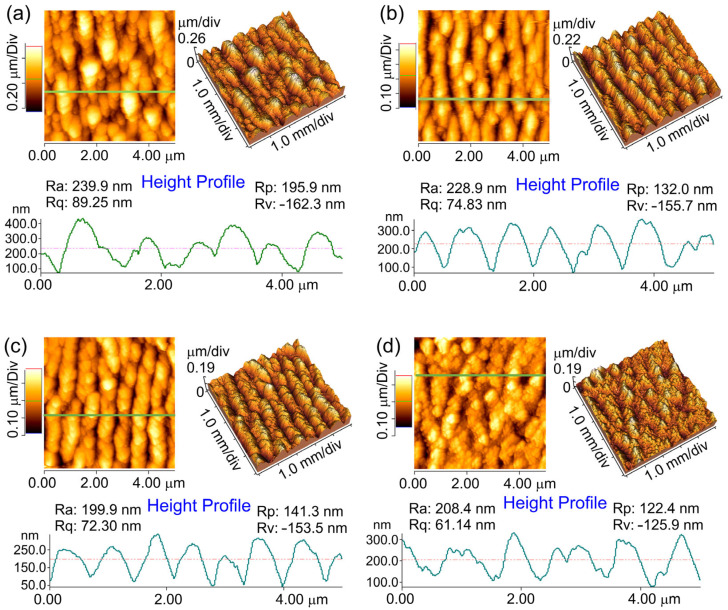
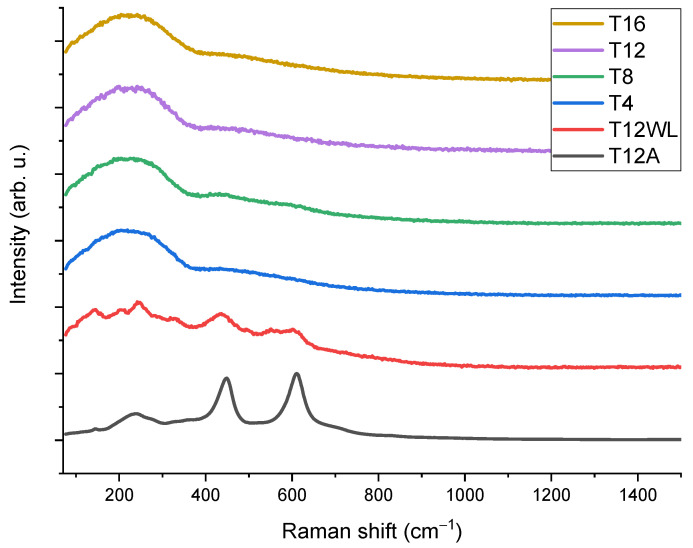
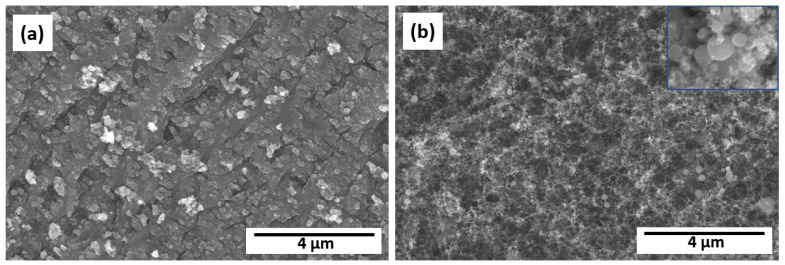
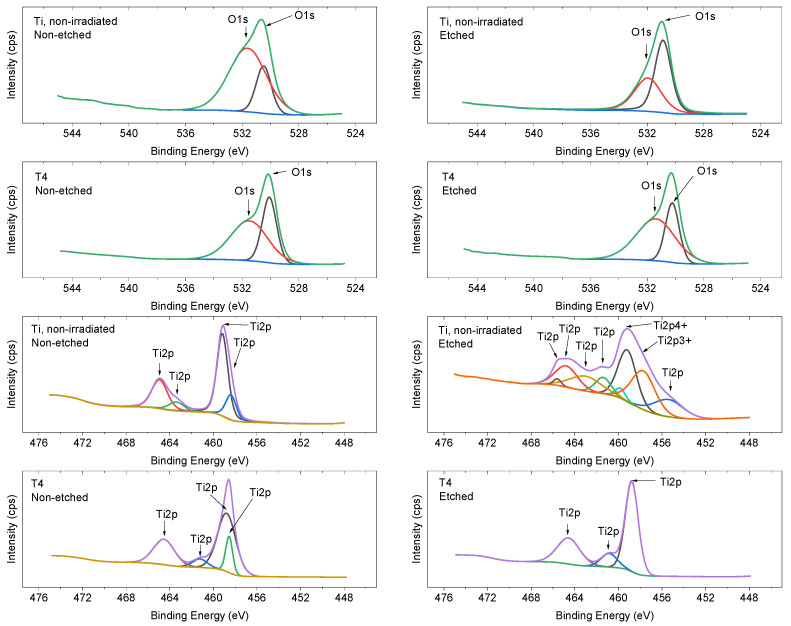
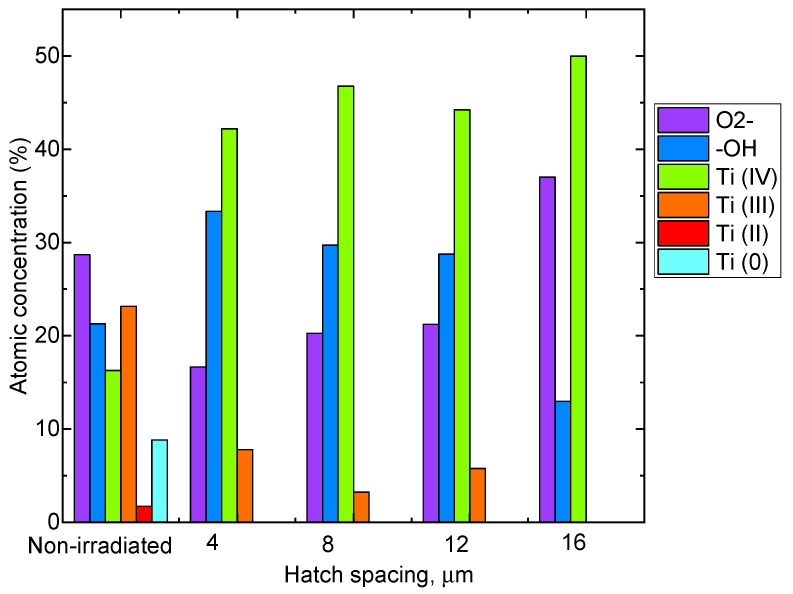
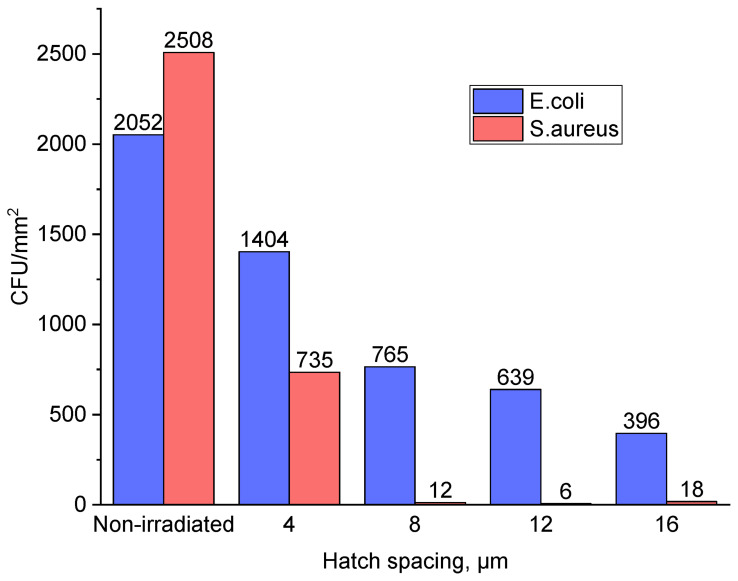
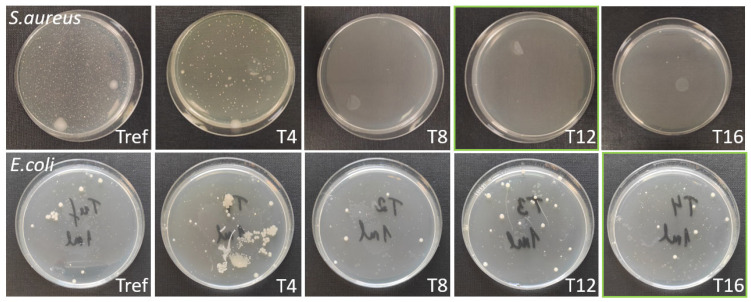
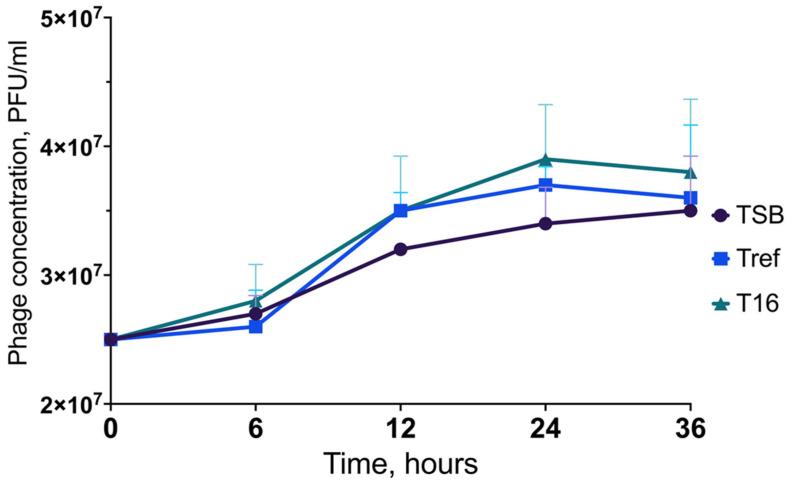
Titanium (Ti) is widely recognized for its exceptional properties and compatibility with medical applications. In our study, we successfully formed laser-induced periodic surface structures (LIPSS) on Ti plates with a periodicity of 520-740 nm and a height range of 150-250 nm. To investigate the morphology and chemical composition of these surfaces, we employed various techniques, including field emission scanning electron microscopy, energy dispersive X-ray spectroscopy, atomic force microscopy, X-ray photoelectron spectroscopy, and Raman spectroscopy. Additionally, we utilized a drop-shape analyzer to determine the wetting properties of the surfaces. To evaluate the antibacterial activity, we followed the ISO 22196:2011 standard, utilizing reference bacterial cultures of Gram-positive (ATCC 25923) and Gram-negative (ATCC 25922). The results revealed enhanced antibacterial properties against by more than 99% and by more than 80% in comparison with non-irradiated Ti. Furthermore, we conducted experiments using the bacteriophage T4 (ATCC 11303-B4) and the bacterial host (ATCC 11303) to investigate the impact of Ti plates on the stability of the bacteriophage. Overall, our findings highlight the potential of LIPSS on Ti plates for achieving enhanced antibacterial activity against common bacterial strains while maintaining the stability of bacteriophages.
钛(Ti)因其卓越的性能以及与医学应用的兼容性而广为人知。在我们的研究中,我们成功地在钛板上形成了周期为520 - 740纳米、高度范围为150 - 250纳米的激光诱导周期性表面结构(LIPSS)。为了研究这些表面的形态和化学成分,我们采用了多种技术,包括场发射扫描电子显微镜、能量色散X射线光谱仪、原子力显微镜、X射线光电子能谱仪和拉曼光谱仪。此外,我们使用了液滴形状分析仪来测定表面的润湿性。为了评估抗菌活性,我们遵循ISO 22196:2011标准,使用革兰氏阳性(ATCC 25923)和革兰氏阴性(ATCC 25922)的参考细菌培养物。结果显示,与未辐照的钛相比,对[具体细菌1]的抗菌性能增强了99%以上,对[具体细菌2]的抗菌性能增强了80%以上。此外,我们使用噬菌体T4(ATCC 11303 - B4)和细菌宿主[具体细菌宿主名称](ATCC 11303)进行实验,以研究钛板对噬菌体稳定性的影响。总体而言,我们的研究结果突出了钛板上的LIPSS在实现对常见细菌菌株增强抗菌活性的同时保持噬菌体稳定性的潜力。