Gizzarelli Manuela, Foglia Manzillo Valentina, Inglese Antonio, Montagnaro Serena, Oliva Gaetano
Department of Veterinary Medicine and Animal Production, University of Naples Federico II, 80137 Naples, Italy.
Ambulatorio Veterinario Dr. Antonio Inglese, 74023 Grottaglie, Italy.
Pathogens. 2023 Jun 22;12(7):864. doi: 10.3390/pathogens12070864.
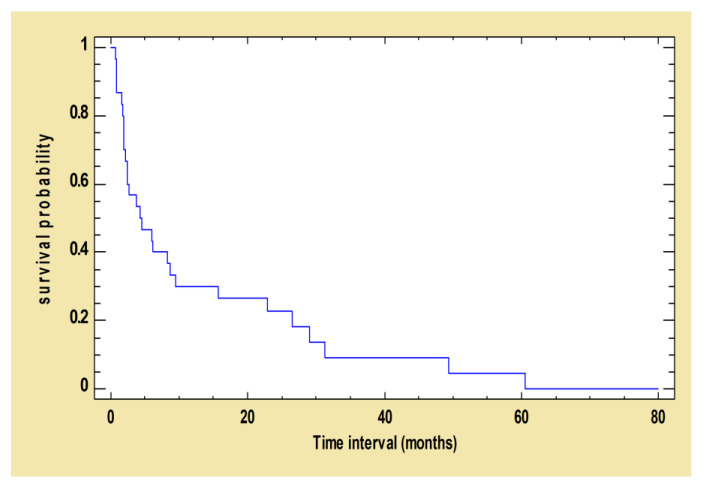
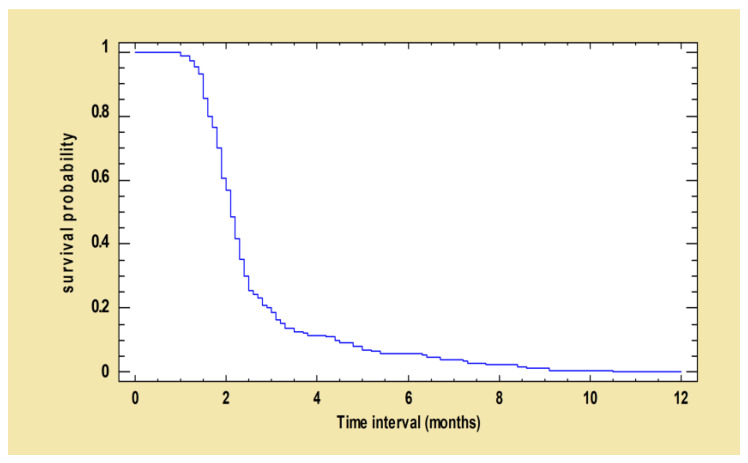
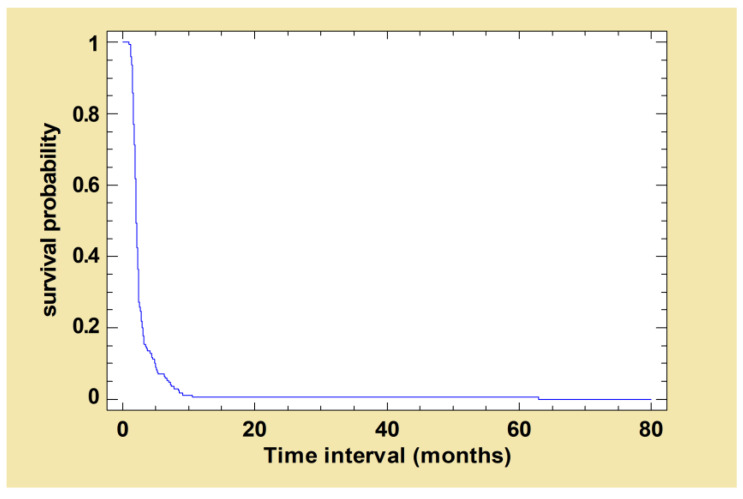
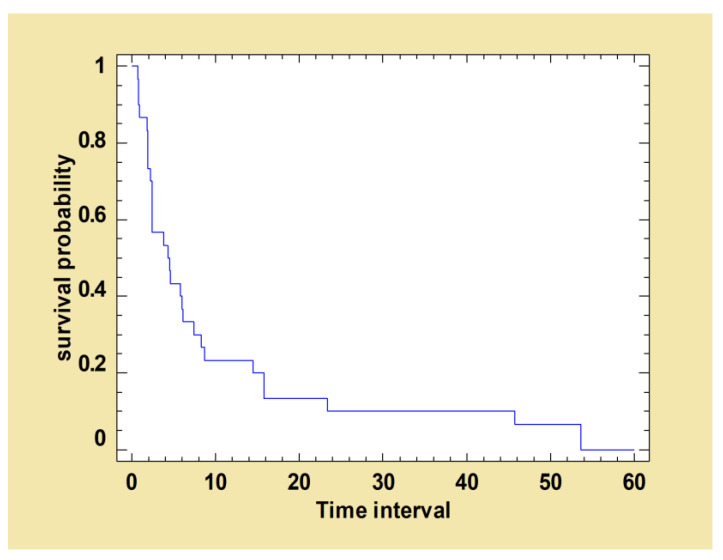
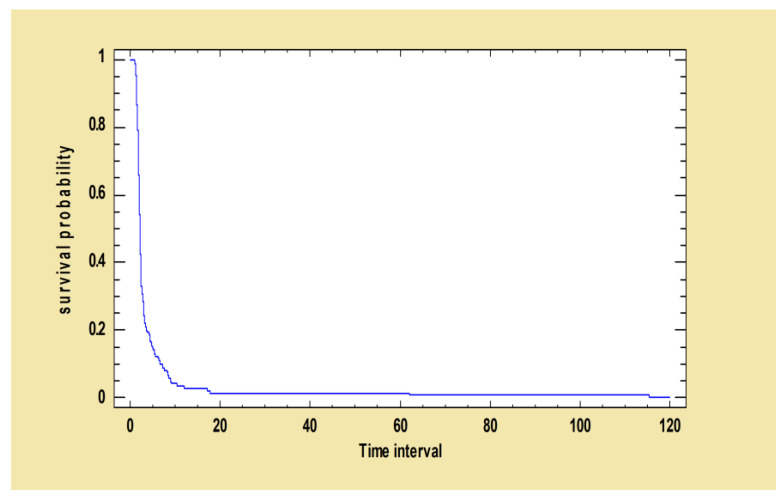
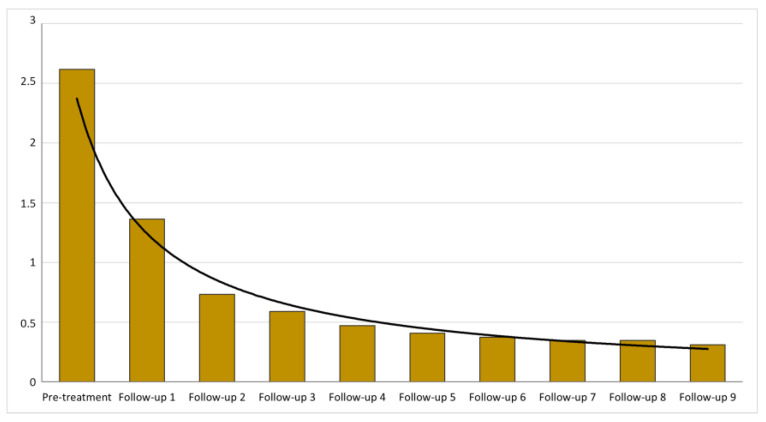
Miltefosine-Allopurinol (MIL-AL) combination is reported to be one of the most effective treatments for canine leishmaniosis, thanks to its oral administration and MIL-documented low impact on renal function. However, MIL-AL is considered a second-choice treatment when compared to meglumine-antimoniate-allopurinol combination, mainly due to the risk of earlier relapses. The aim of this study was to evaluate the efficacy of the MIL-AL protocol during a long-term follow-up with an average duration of nine years. Dogs were living in Southern Italy (Puglia, Italy) in an area considered endemic for Canine leishmaniosis (CanL). Inclusion criteria were clinical and/or clinicopathological signs consistent with CanL; positive result to quantitative ELISA; and negativity to the most frequent canine vector-borne infections. All dogs received 2 mg/kg MIL for 28 days, and 10 mg/kg AL, BID, for a period varying between 2 and 12 months. Ancillary treatments were allowed according to the clinical condition of the dog. A total clinical score and a total clinicopathological score were calculated at each time point by attributing one point to each sign or alteration present and then by adding all points. Improvement after each treatment was defined by the reduction of at least 50% of the total score. A survival analysis (Kaplan-Meier curve) was performed for quantifying the probability of the events occurring during the study follow-up. The following events were considered: decreased and negative ELISA results; improvement/recovery of the clinical and clinicopathological alterations; and relapse of leishmaniasis. One hundred seventy-three dogs (75f and 98m) were retrospectively included in the study by examining their clinical records since the first diagnosis of CanL. One hundred forty-three (83%) dogs were under five years of age. The mean duration of the follow-up period was 5.4 (±1.1) years with a minimum of 3.2 years and a maximum of 9 years. All dogs received a first treatment of MIL-AL at inclusion; then, during the follow-up course, 30 dogs required a second treatment, 2 dogs required a third treatment and 1 dog required a fourth and a fifth treatment. The mean time interval between the first and the second treatment was 27.2 (±18.3) months. After the first treatment, all dogs had decreased ELISA levels, in an average interval of 2.6 (±1.6) months. One hundred seventy dogs (98%) experienced a clinical improvement (mean time 3.0 ± 4.9 months); 152 (88%) dogs were considered clinically recovered after a mean time of 16.7 ± 13.5 months. A similar trend was observed for clinicopathological alterations; interestingly, proteinuria decreased in most dogs ( < 0.0001-Chi-square for trends). Thirty dogs experienced relapses, the earliest after 4.8 months. The mean time without relapse was 90.4 (±2.5) months. In relapsed dogs, the mean time for clinical improvement after the second treatment was 8.6 (±12.6) months, whereas it was 11.0 (±15.4) months for clinicopathological alterations. Five dogs had limited gastrointestinal side effects associated with MIL treatment. The present study confirms that the MIL-AL protocol can be considered one of the most effective treatments for CanL therapy, mainly for its capacity to provide a long-time clinical improvement in a large majority of treated dogs. As reported in the literature, the clinical stabilization of dogs does not occur immediately after treatment, probably due to the particular pharmacokinetic properties of MIL. The efficacy of MIL-AL decreases in dogs that need more than one treatment, suggesting the necessity to alternate anti- drugs for the treatment of relapses. Side effects were transient and slight, even in dogs that required several treatments.
米替福新 - 别嘌醇(MIL - AL)联合用药据报道是治疗犬利什曼病最有效的方法之一,这得益于其口服给药方式以及有文献记载的米替福新对肾功能影响较小。然而,与葡甲胺锑酸盐 - 别嘌醇联合用药相比,MIL - AL被认为是二线治疗方案,主要原因是其早期复发风险较高。本研究的目的是评估MIL - AL方案在平均为期九年的长期随访中的疗效。这些犬生活在意大利南部(普利亚大区)一个被认为是犬利什曼病(CanL)流行的地区。纳入标准为具有与CanL一致的临床和/或临床病理体征;定量ELISA检测结果为阳性;以及对最常见的犬媒传播感染呈阴性。所有犬均接受2mg/kg的米替福新治疗28天,以及10mg/kg的别嘌醇,每日两次,治疗时间为2至12个月。根据犬的临床状况允许进行辅助治疗。在每个时间点计算总临床评分和总临床病理评分,方法是为每个存在的体征或改变赋予一分,然后将所有分数相加。每次治疗后的改善定义为总分至少降低50%。进行生存分析(Kaplan - Meier曲线)以量化研究随访期间事件发生的概率。考虑的事件包括:ELISA结果降低和转为阴性;临床和临床病理改变的改善/恢复;以及利什曼病的复发。通过检查自首次诊断CanL以来的临床记录,回顾性纳入了173只犬(75只雌性和98只雄性)。143只(83%)犬年龄在五岁以下。随访期的平均时长为5.4(±1.1)年,最短为3.2年,最长为9年。所有犬在纳入时均接受了首次MIL - AL治疗;然后,在随访过程中,30只犬需要第二次治疗,2只犬需要第三次治疗,1只犬需要第四次和第五次治疗。首次和第二次治疗之间的平均时间间隔为27.2(±18.3)个月。首次治疗后,所有犬的ELISA水平均下降,平均间隔为2.6(±1.6)个月。170只(98%)犬出现临床改善(平均时间为3.0±4.9个月);152只(88%)犬在平均16.7±13.5个月后被认为临床康复。临床病理改变也观察到类似趋势;有趣的是,大多数犬的蛋白尿减少(趋势的卡方检验<0.0001)。30只犬出现复发,最早在4.8个月后。无复发的平均时间为90.4(±2.5)个月。在复发的犬中,第二次治疗后临床改善的平均时间为8.6(±12.6)个月,而临床病理改变的平均时间为11.0(±15.4)个月。5只犬出现与米替福新治疗相关的轻度胃肠道副作用。本研究证实,MIL - AL方案可被认为是CanL治疗最有效的方法之一,主要是因为它能够在大多数接受治疗的犬中提供长期的临床改善。如文献所报道,犬的临床稳定并非在治疗后立即出现,这可能是由于米替福新特殊的药代动力学特性。对于需要不止一次治疗的犬,MIL - AL的疗效会降低,这表明有必要交替使用抗寄生虫药物来治疗复发。副作用是短暂且轻微的,即使在需要多次治疗的犬中也是如此。