Clinical Microbiology & Infectious Diseases, Transplant Coordination, Hospital Clínico Universitario San Carlos, 28040 Madrid, Spain.
Regional Public Health Laboratory, Infectious Diseases, Internal Medicine, Hospital General Universitario La Paz, 28055 Madrid, Spain.
Viruses. 2023 Jun 27;15(7):1449. doi: 10.3390/v15071449.
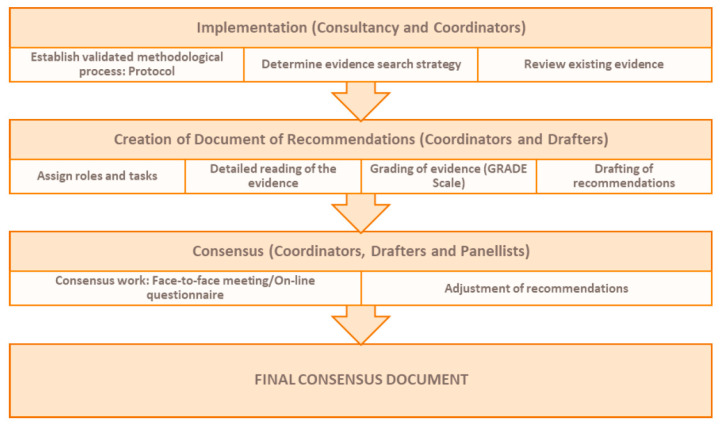
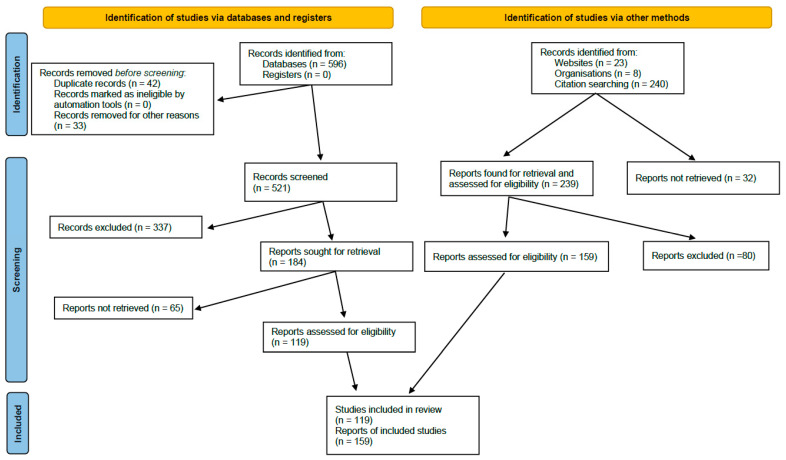
The clinical evolution of patients infected with the Severe Acute Respiratory Coronavirus type 2 (SARS-CoV-2) depends on the complex interplay between viral and host factors. The evolution to less aggressive but better-transmitted viral variants, and the presence of immune memory responses in a growing number of vaccinated and/or virus-exposed individuals, has caused the pandemic to slowly wane in virulence. However, there are still patients with risk factors or comorbidities that put them at risk of poor outcomes in the event of having the coronavirus infectious disease 2019 (COVID-19). Among the different treatment options for patients with COVID-19, virus-targeted measures include antiviral drugs or monoclonal antibodies that may be provided in the early days of infection. The present expert consensus is based on a review of all the literature published between 1 July 2021 and 15 February 2022 that was carried out to establish the characteristics of patients, in terms of presence of risk factors or comorbidities, that may make them candidates for receiving any of the virus-targeted measures available in order to prevent a fatal outcome, such as severe disease or death. A total of 119 studies were included from the review of the literature and 159 were from the additional independent review carried out by the panelists a posteriori. Conditions found related to strong recommendation of the use of virus-targeted measures in the first days of COVID-19 were age above 80 years, or above 65 years with another risk factor; antineoplastic chemotherapy or active malignancy; HIV infection with CD4+ cell counts < 200/mm; and treatment with anti-CD20 immunosuppressive drugs. There is also a strong recommendation against using the studied interventions in HIV-infected patients with a CD4+ nadir <200/mm or treatment with other immunosuppressants. Indications of therapies against SARS-CoV-2, regardless of vaccination status or history of infection, may still exist for some populations, even after COVID-19 has been declared to no longer be a global health emergency by the WHO.
患者感染严重急性呼吸综合征冠状病毒 2 型(SARS-CoV-2)的临床演变取决于病毒和宿主因素之间的复杂相互作用。具有较弱攻击性但传播性更好的病毒变异体的出现,以及越来越多接种疫苗和/或接触过病毒的个体中存在免疫记忆反应,导致大流行的毒性逐渐减弱。然而,仍有一些存在风险因素或合并症的患者,如果感染 2019 年冠状病毒病(COVID-19),其结局可能较差。在 COVID-19 患者的不同治疗选择中,针对病毒的措施包括抗病毒药物或单克隆抗体,这些药物可能在感染的早期提供。本专家共识基于对 2021 年 7 月 1 日至 2022 年 2 月 15 日期间发表的所有文献的回顾,旨在确定具有风险因素或合并症的患者特征,这些特征可能使他们成为接受任何现有针对病毒的措施的候选者,以防止出现严重疾病或死亡等致命结局。通过对文献的回顾共纳入了 119 项研究,通过专家小组事后独立回顾又纳入了 159 项研究。发现与在 COVID-19 发病初期强烈推荐使用针对病毒的措施相关的条件为年龄大于 80 岁,或大于 65 岁且有其他风险因素;正在接受抗肿瘤化疗或患有活动性恶性肿瘤;HIV 感染且 CD4+细胞计数 < 200/mm;正在接受抗 CD20 免疫抑制药物治疗。对于 CD4+细胞最低点<200/mm 的 HIV 感染患者或正在接受其他免疫抑制剂治疗的患者,强烈建议不要使用研究中的干预措施。即使世界卫生组织宣布 COVID-19 不再构成全球卫生紧急事件,针对 SARS-CoV-2 的治疗方法仍可能对某些人群有适应证,无论其疫苗接种状态或感染史如何。