Department of Cellular and Molecular Medicine, University of California San Diego, USA; Department of Medicine, University of California San Diego, USA; Moores Cancer Center, University of California San Diego, USA.
Department of Cellular and Molecular Medicine, University of California San Diego, USA; Department of Pediatrics, University of California San Diego, USA.
EBioMedicine. 2023 Aug;94:104719. doi: 10.1016/j.ebiom.2023.104719. Epub 2023 Jul 27.
Single-cell transcriptomic studies have greatly improved organ-specific insights into macrophage polarization states are essential for the initiation and resolution of inflammation in all tissues; however, such insights are yet to translate into therapies that can predictably alter macrophage fate.
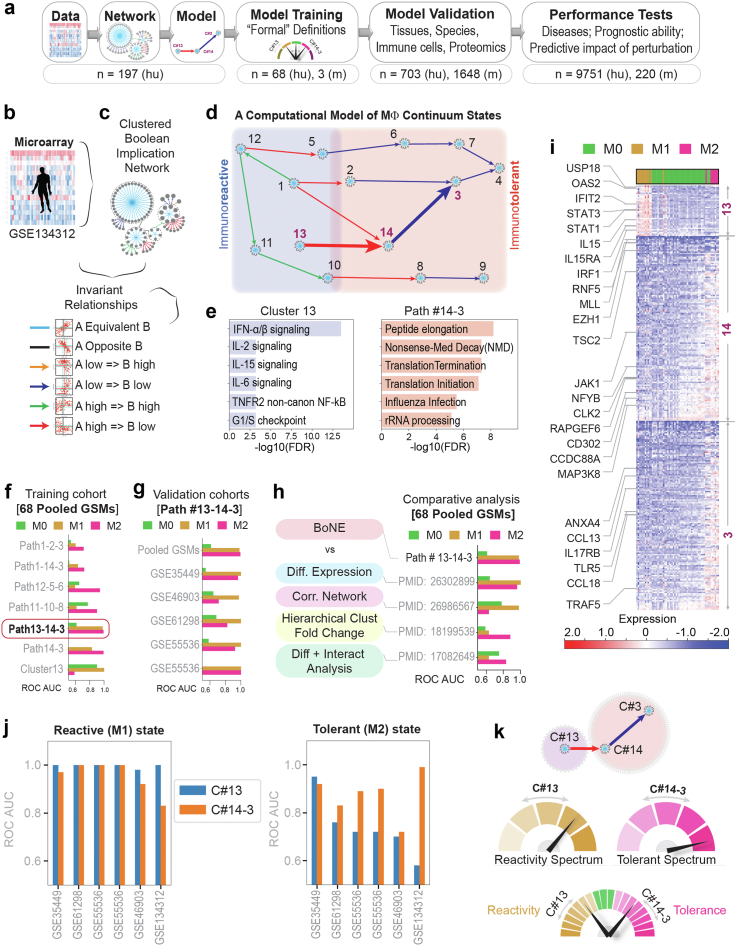
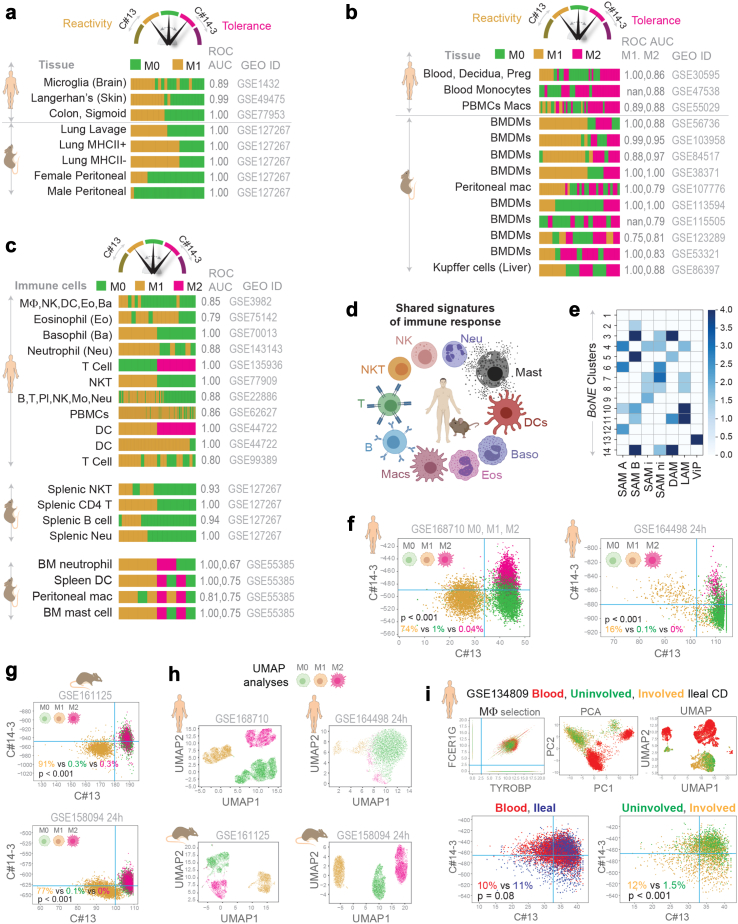
Using machine learning algorithms on human macrophages, here we reveal the continuum of polarization states that is shared across diverse contexts. A path, comprised of 338 genes accurately identified both physiologic and pathologic spectra of "reactivity" and "tolerance", and remained relevant across tissues, organs, species, and immune cells (>12,500 diverse datasets).
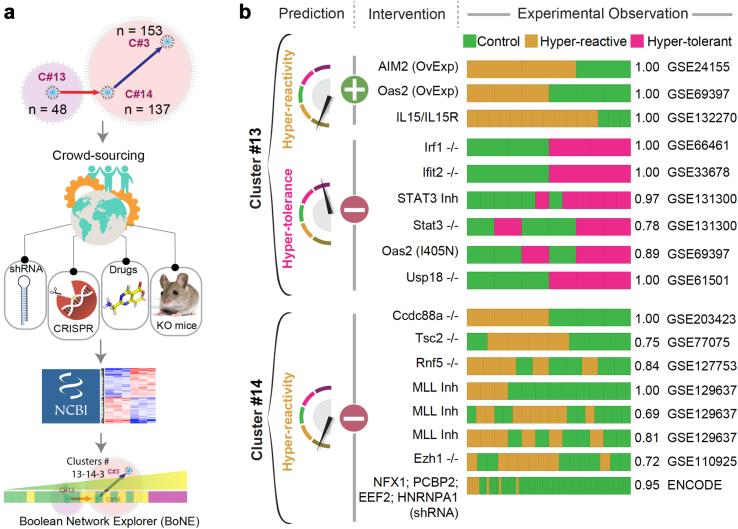
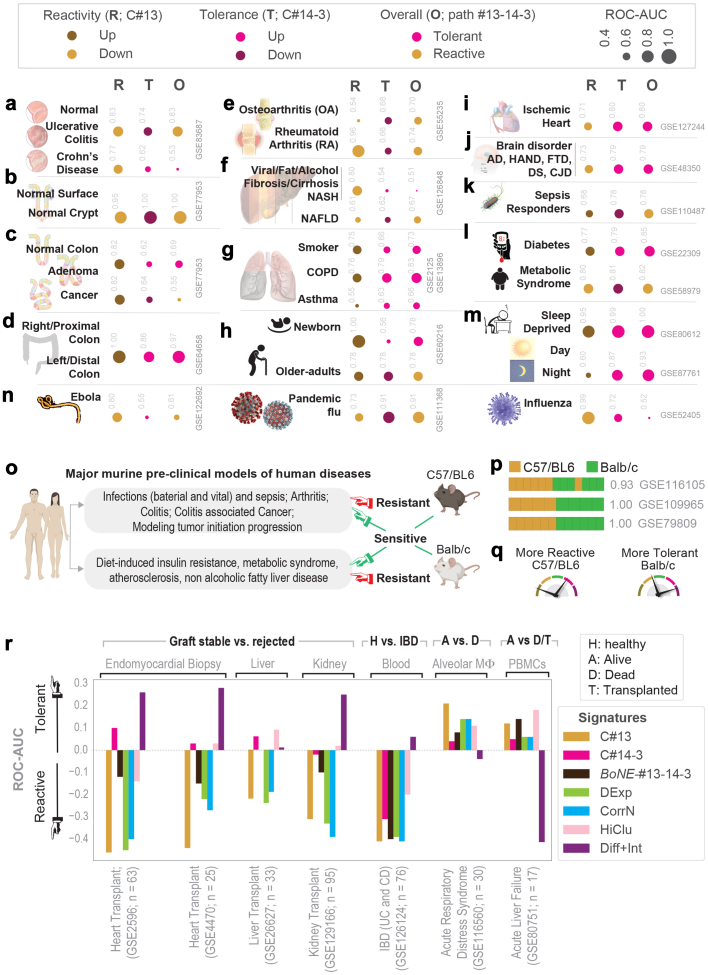
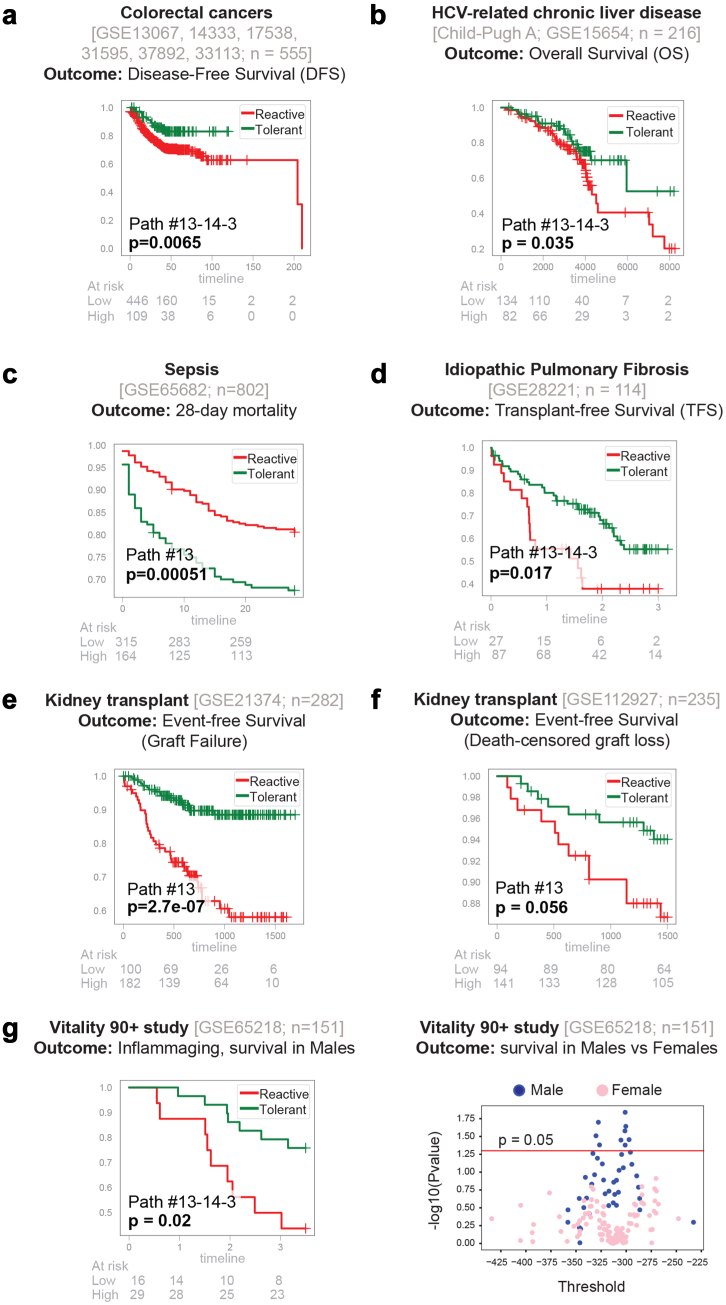
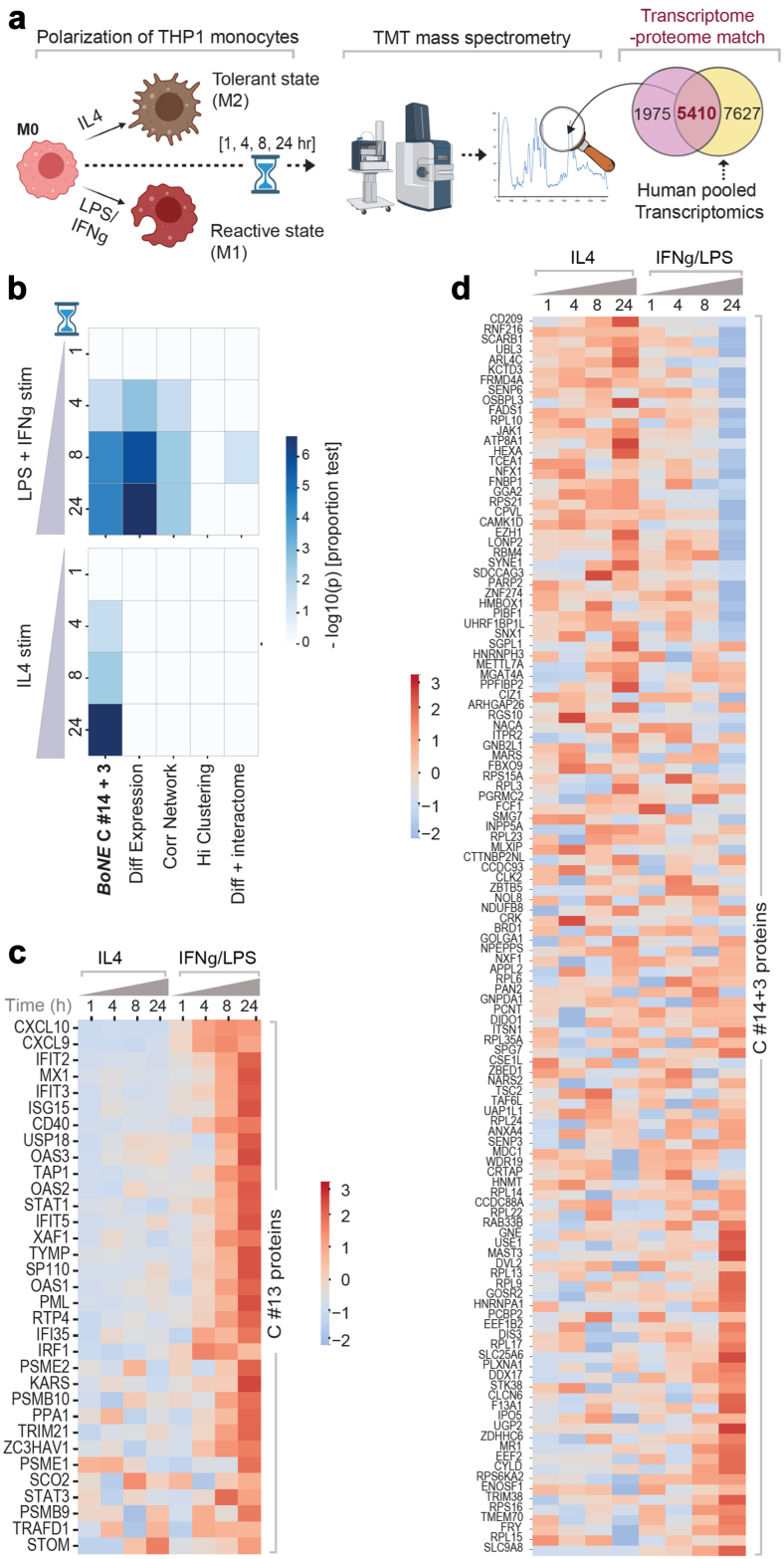
This 338-gene signature identified macrophage polarization states at single-cell resolution, in physiology and across diverse human diseases, and in murine pre-clinical disease models. The signature consistently outperformed conventional signatures in the degree of transcriptome-proteome overlap, and in detecting disease states; it also prognosticated outcomes across diverse acute and chronic diseases, e.g., sepsis, liver fibrosis, aging, and cancers. Crowd-sourced genetic and pharmacologic studies confirmed that model-rationalized interventions trigger predictable macrophage fates.
These findings provide a formal and universally relevant definition of macrophage states and a predictive framework (http://hegemon.ucsd.edu/SMaRT) for the scientific community to develop macrophage-targeted precision diagnostics and therapeutics.
This work was supported by the National Institutes for Health (NIH) grant R01-AI155696 (to P.G, D.S and S.D). Other sources of support include: R01-GM138385 (to D.S), R01-AI141630 (to P.G), R01-DK107585 (to S.D), and UG3TR003355 (to D.S, S.D, and P.G). D.S was also supported by two Padres Pedal the Cause awards (Padres Pedal the Cause/RADY #PTC2017 and San Diego NCI Cancer Centers Council (C3) #PTC2017). S.S, G.D.K, and D.D were supported through The American Association of Immunologists (AAI) Intersect Fellowship Program for Computational Scientists and Immunologists. We also acknowledge support from the Padres Pedal the Cause #PTC2021 and the Torey Coast Foundation, La Jolla (P.G and D.S). D.S, P.G, and S.D were also supported by the Leona M. and Harry B. Helmsley Charitable Trust.
单细胞转录组学研究极大地提高了对巨噬细胞极化状态的器官特异性认识,这对于所有组织中炎症的启动和消退至关重要;然而,这些认识尚未转化为能够预测性地改变巨噬细胞命运的治疗方法。
我们使用机器学习算法对人类巨噬细胞进行分析,揭示了跨越不同环境的极化状态连续体。由 338 个基因组成的路径准确地识别了生理和病理“反应性”和“耐受性”谱,并在组织、器官、物种和免疫细胞(>12500 个不同数据集)中保持相关性。
该 338 基因特征可在单细胞分辨率、生理学和各种人类疾病中以及在小鼠临床前疾病模型中识别巨噬细胞极化状态。该特征在转录组-蛋白质组重叠程度以及检测疾病状态方面均优于传统特征;它还可以预测各种急性和慢性疾病的结局,例如败血症、肝纤维化、衰老和癌症。众包的遗传和药理学研究证实,基于模型的干预措施可引发可预测的巨噬细胞命运。
这些发现为巨噬细胞状态提供了正式的和普遍相关的定义,并为科学界提供了一个预测框架(http://hegemon.ucsd.edu/SMaRT),用于开发针对巨噬细胞的精准诊断和治疗方法。
这项工作得到了美国国立卫生研究院(NIH)R01-AI155696 资助(授予 P.G、D.S 和 S.D)。其他来源的支持包括:R01-GM138385(授予 D.S)、R01-AI141630(授予 P.G)、R01-DK107585(授予 S.D)和 UG3TR003355(授予 D.S、S.D 和 P.G)。D.S 还获得了两个 Padres Pedal the Cause 奖项(Padres Pedal the Cause/RADY #PTC2017 和圣地亚哥 NCI 癌症中心理事会(C3)#PTC2017)。S.S、G.D.K 和 D.D 通过美国免疫学家协会(AAI)交叉奖学金计划获得了计算科学家和免疫学家的支持。我们还感谢 Padres Pedal the Cause #PTC2021 和托雷海岸基金会(拉霍亚)(P.G 和 D.S)的支持。D.S、P.G 和 S.D 还得到了利昂娜·M. 和哈里·B. 赫尔姆斯利慈善信托基金的支持。