Department of Psychiatry, Columbia University, New York, NY, 10032, USA.
Department of Developmental Neuroscience, New York State Psychiatric Institute, New York, NY, 10032, USA.
Mol Psychiatry. 2023 Aug;28(8):3512-3523. doi: 10.1038/s41380-023-02194-w. Epub 2023 Aug 2.
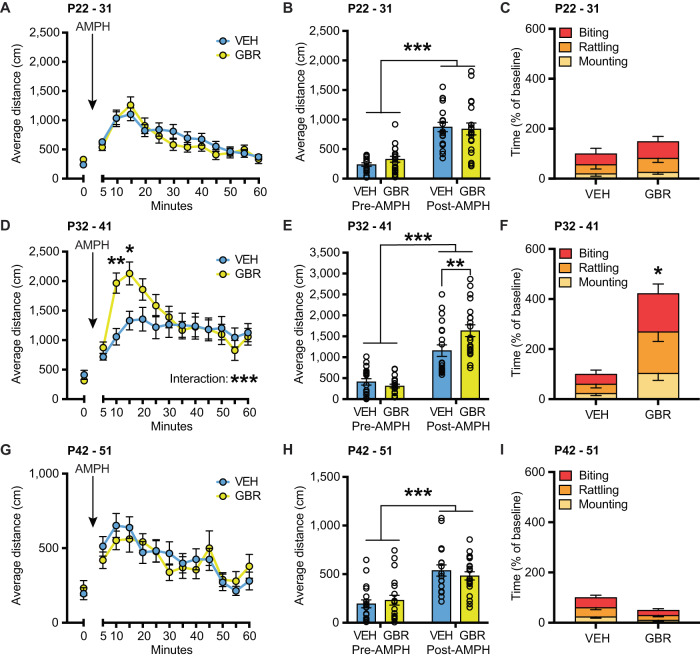
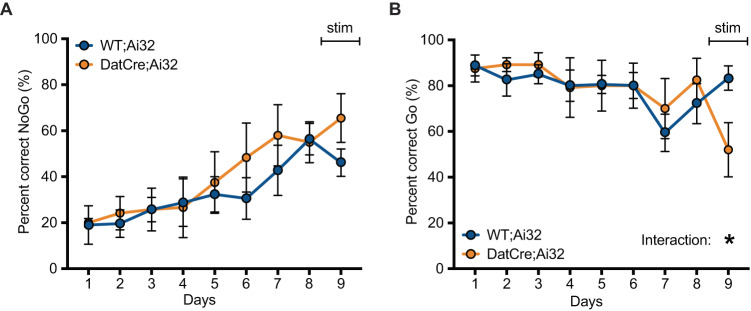
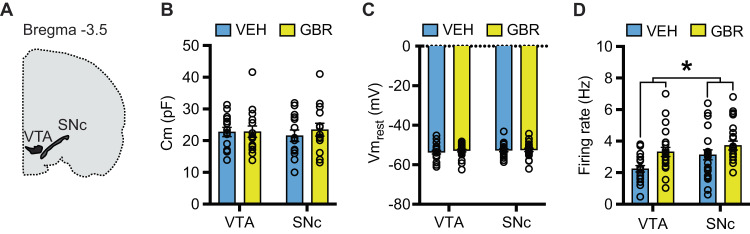
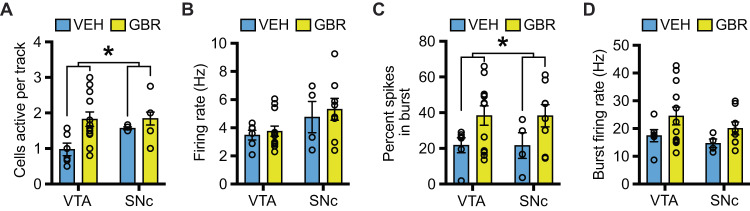
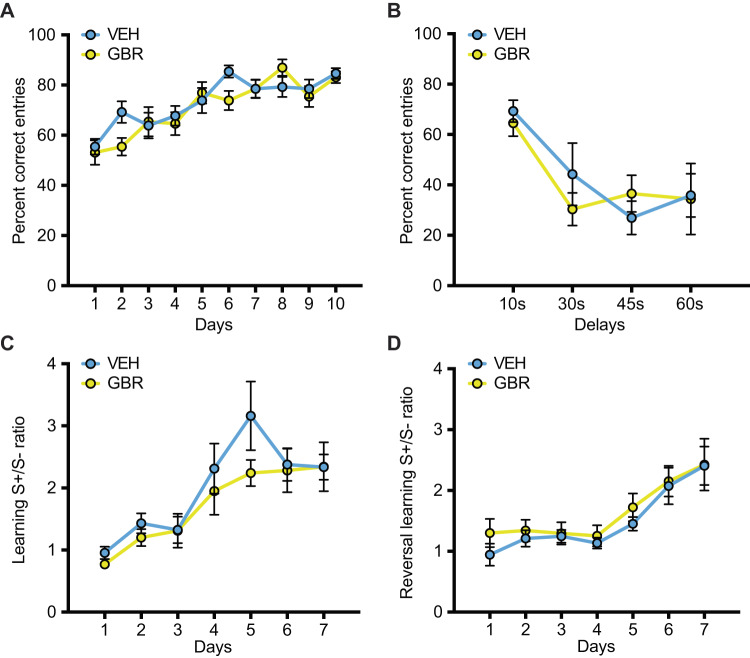
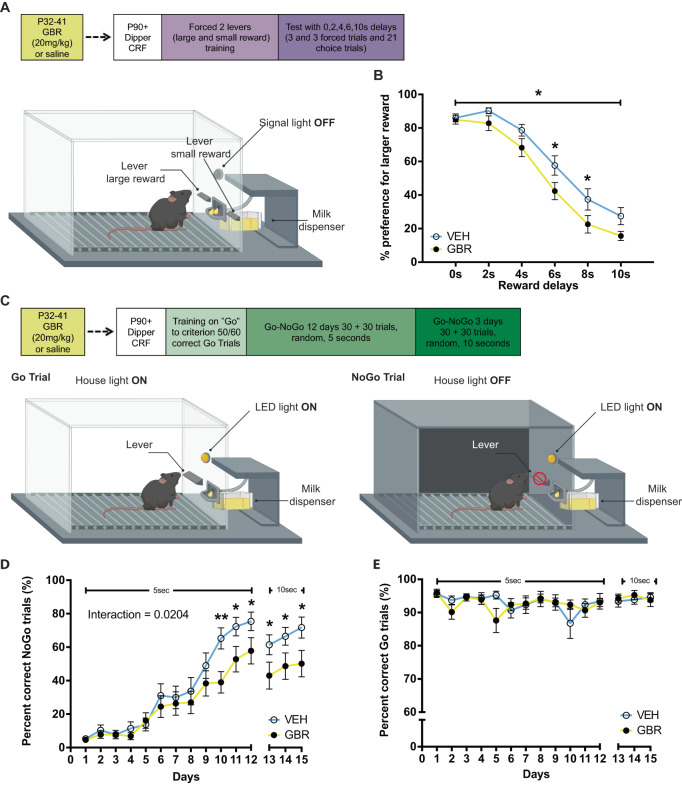
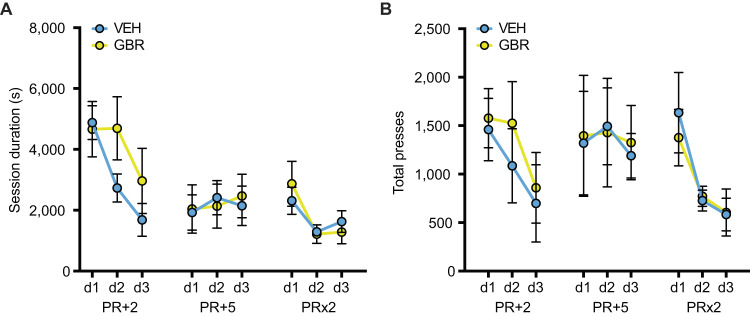
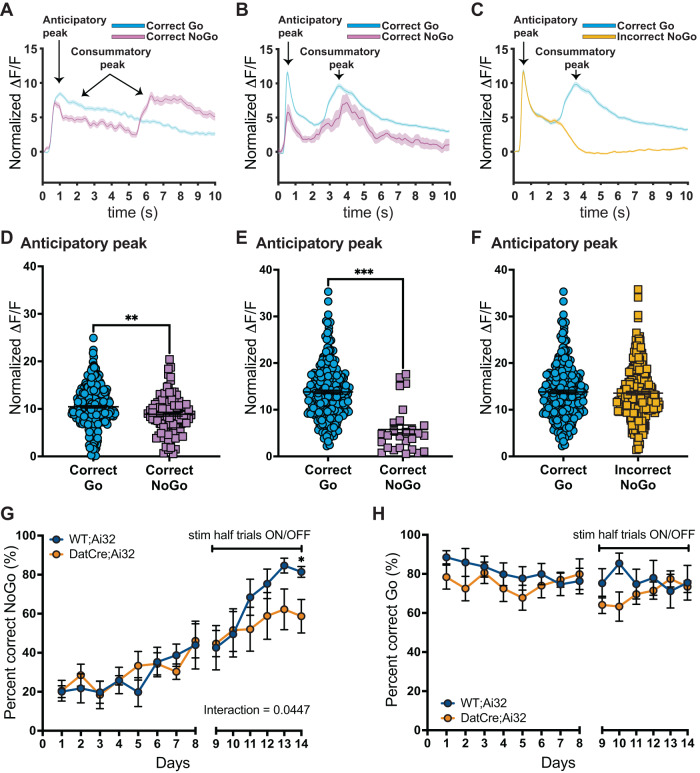
Sensitive developmental periods shape neural circuits and enable adaptation. However, they also engender vulnerability to factors that can perturb developmental trajectories. An understanding of sensitive period phenomena and mechanisms separate from sensory system development is still lacking, yet critical to understanding disease etiology and risk. The dopamine system is pivotal in controlling and shaping adolescent behaviors, and it undergoes heightened plasticity during that time, such that interference with dopamine signaling can have long-lasting behavioral consequences. Here we sought to gain mechanistic insight into this dopamine-sensitive period and its impact on behavior. In mice, dopamine transporter (DAT) blockade from postnatal (P) day 22 to 41 increases aggression and sensitivity to amphetamine (AMPH) behavioral stimulation in adulthood. Here, we refined this sensitive window to P32-41 and identified increased firing of dopaminergic neurons in vitro and in vivo as a neural correlate to altered adult behavior. Aggression can result from enhanced impulsivity and cognitive dysfunction, and dopamine regulates working memory and motivated behavior. Hence, we assessed these behavioral domains and found that P32-41 DAT blockade increases impulsivity but has no effect on cognition, working memory, or motivation in adulthood. Lastly, using optogenetics to drive dopamine neurons, we find that increased VTA but not SNc dopaminergic activity mimics the increase in impulsive behavior in the Go/NoGo task observed after adolescent DAT blockade. Together our data provide insight into the developmental origins of aggression and impulsivity that may ultimately improve diagnosis, prevention, and treatment strategies for related neuropsychiatric disorders.
敏感的发育阶段塑造了神经回路并使机体能够适应环境变化。然而,这些阶段也使机体容易受到干扰发育轨迹的因素的影响。尽管了解敏感时期的现象和机制对于理解疾病的病因和风险至关重要,但目前对于这方面的了解仍远远不够,这些机制与感觉系统的发育是分离的。多巴胺系统在控制和塑造青少年行为方面起着至关重要的作用,并且在这段时间内具有高度的可塑性,因此干扰多巴胺信号传递会对行为产生持久的影响。在这里,我们试图深入了解这个多巴胺敏感时期及其对行为的影响。在小鼠中,从出生后第 22 天到第 41 天阻断多巴胺转运体(DAT)会增加成年后的攻击性和对安非他命(AMPH)行为刺激的敏感性。在这里,我们将这个敏感窗口细化到 P32-41,并确定多巴胺能神经元在体外和体内的放电增加是改变成年后行为的神经相关性。攻击性可能是由于冲动性增强和认知功能障碍引起的,而多巴胺调节工作记忆和动机行为。因此,我们评估了这些行为领域,发现 P32-41 DAT 阻断会增加冲动性,但对成年后的认知、工作记忆或动机没有影响。最后,使用光遗传学来驱动多巴胺神经元,我们发现增加 VTA 但不是 SNc 多巴胺能活性可以模拟青少年 DAT 阻断后在 Go/NoGo 任务中观察到的冲动行为的增加。总之,我们的数据为攻击性和冲动性的发育起源提供了深入的了解,这可能最终会改善相关神经精神疾病的诊断、预防和治疗策略。