Liang Xiaoyu, Wu Shangping, Li Ke, Zhang Haolin, Yang Fujing, Wang Xinhui, Yang Guangyi
Qi-Huang Chinese Medicine School, Beijing University of Chinese Medicine, Beijing, 100029, China.
School of Traditional Chinese Medicine, Beijing University of Chinese Medicine, Beijing, 100029, China.
Heliyon. 2023 Jul 19;9(8):e18442. doi: 10.1016/j.heliyon.2023.e18442. eCollection 2023 Aug.
This review assessed the effects of reflexology on symptoms in pregnancy.
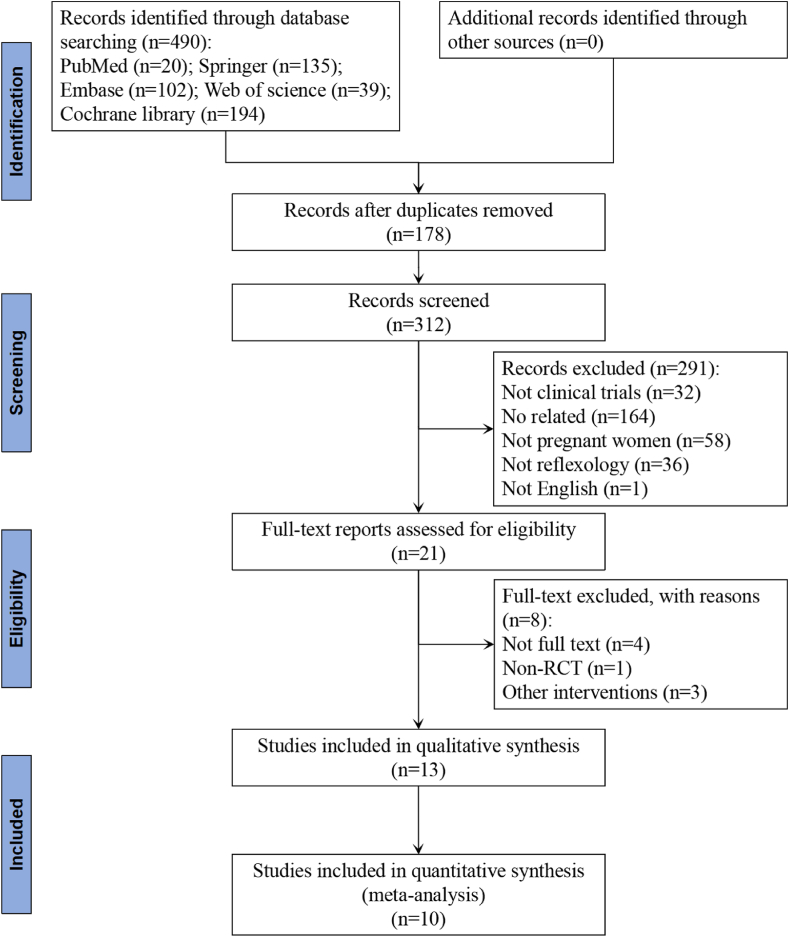
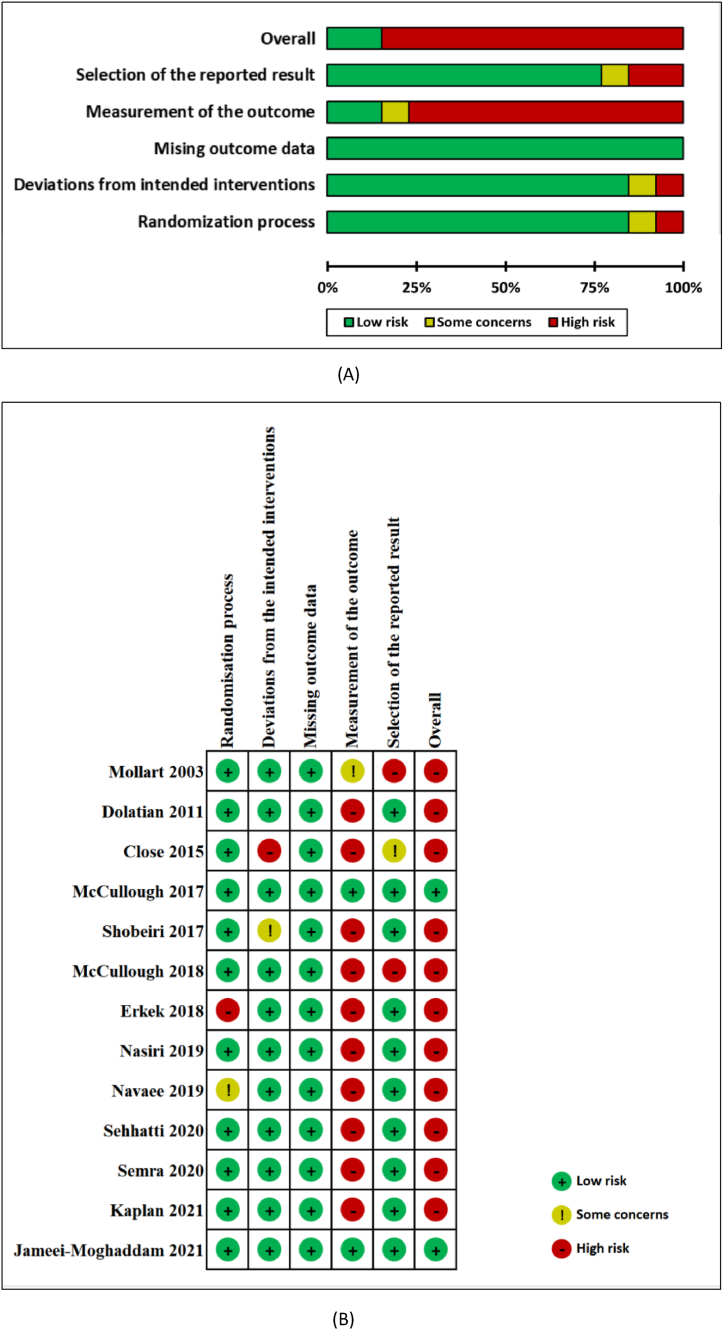
PubMed, Embase, Springer, Web of Science, the Cochrane Library, and reference lists of previous systematic reviews were searched for the eligible randomized controlled trials (RCT) from the inception date of each predefined database up to May 31st, 2023. Data were extracted, and methodological quality was evaluated by the Revised Cochrane risk-of-bias tool for randomized trials (RoB 2). The efficacy of treatment was assessed using pooled effect sizes (Hedges' g) and 95% confidence intervals (CI). Meta-analysis was performed using the RevMan 5.4 manager, and publication bias was evaluated by Begg's test.
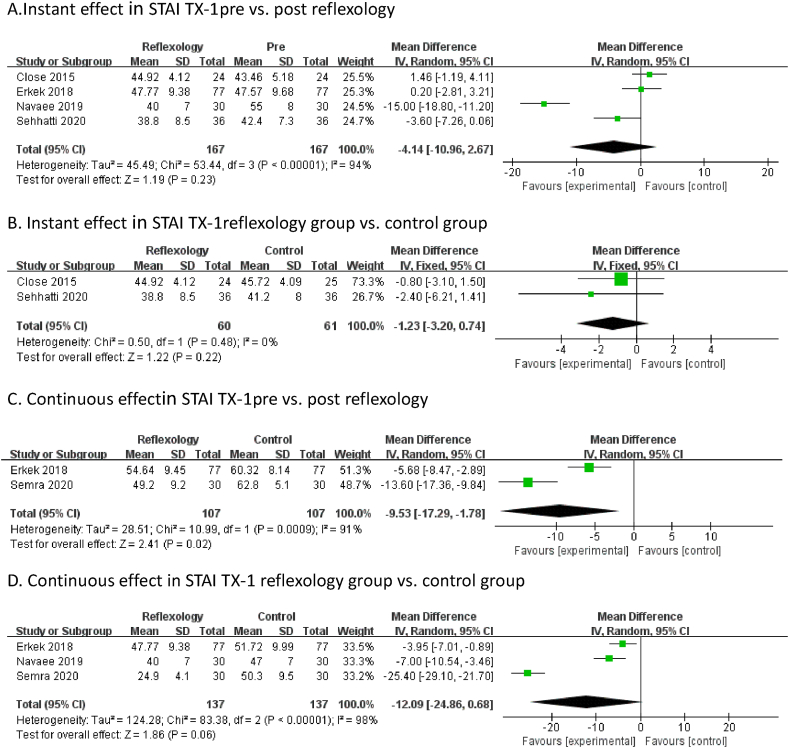
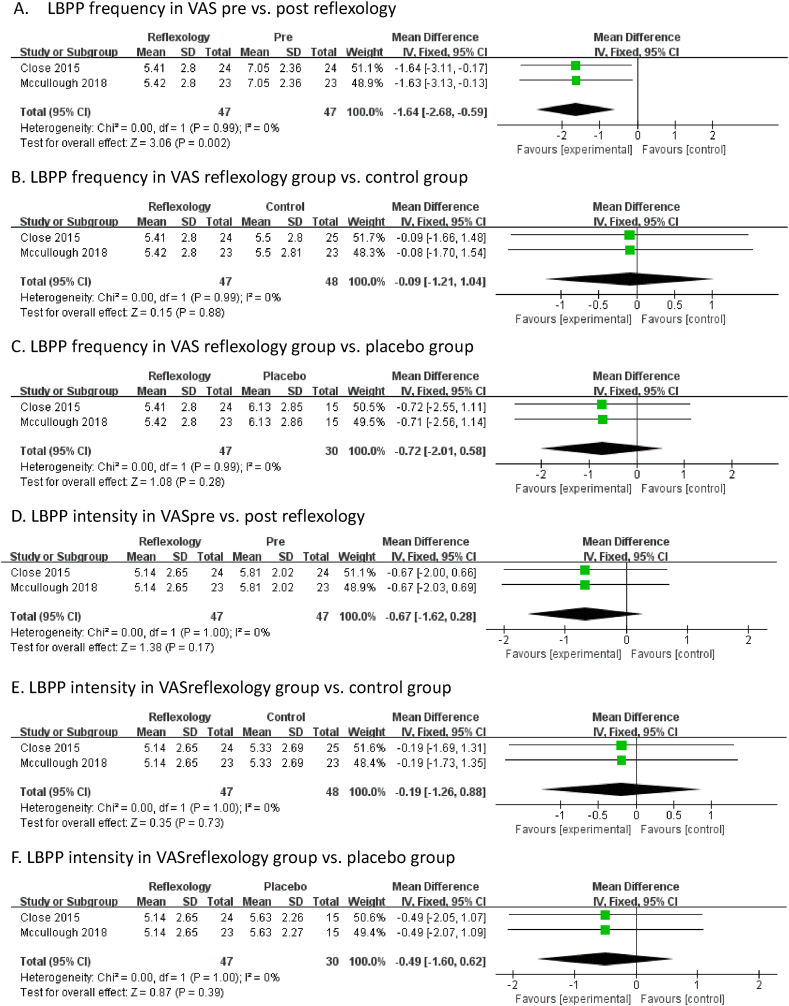
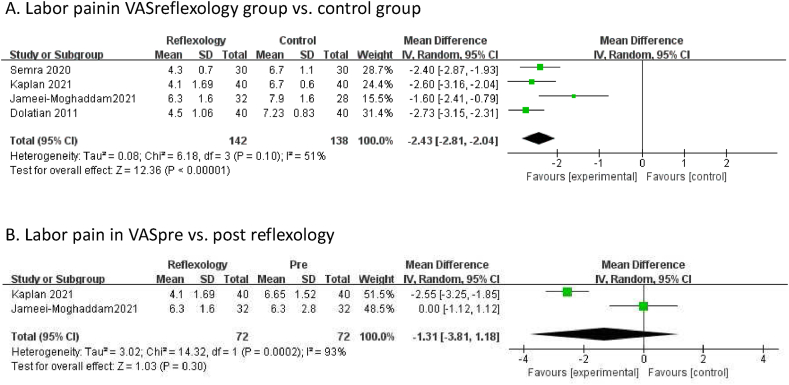
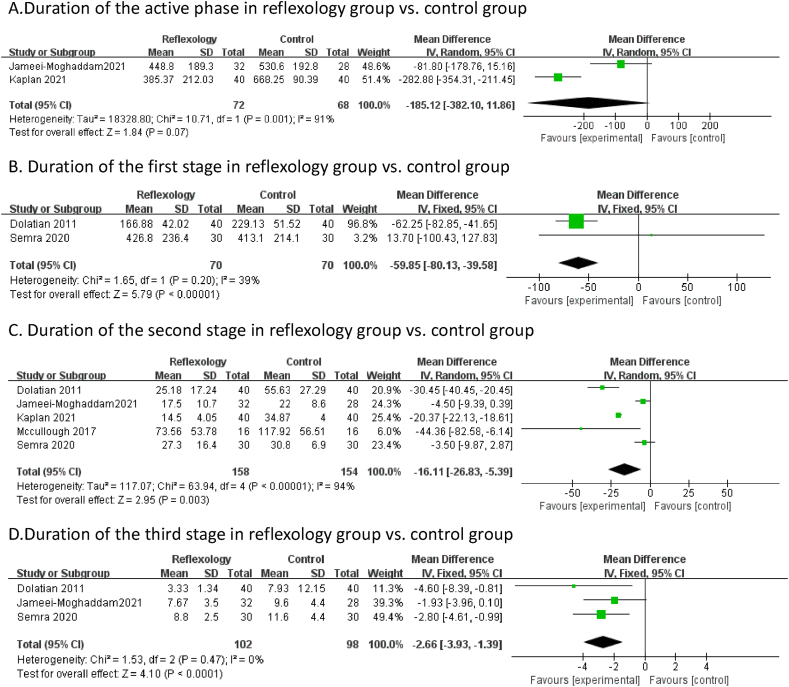
The included a total of 13 RCTs in this review, of eleven was high risk of bias and two were low, reported the effects of reflexology on low back and/or pelvic pain (LBPP), labor pain, duration of labor, anxiety, fatigue, sleep quality, constipation symptoms, and ankle and foot edema in pregnancy. The effect sizes (Hedges' g) for reflexology in labor pain, duration of labor, anxiety, fatigue, and sleep quality showed statistical significance, which the meta-analysis also confirmed except for fatigue and sleep quality due to insufficient studies.
Reflexology is probably effective and safe for labor pain, duration of labor, and anxiety in pregnancy, while the evidences for reflexology in LBPP, fatigue, sleep quality, constipation symptoms, and ankle and foot edema during pregnancy were insufficient. Based on the low to high quality of included studies, strong supportive evidence is not yet available. Rigorous-design and large-scale clinical trials should be conducted to provide higher-quality, reliable evidence.
本综述评估了反射疗法对孕期症状的影响。
检索了PubMed、Embase、Springer、Web of Science、Cochrane图书馆以及以往系统评价的参考文献列表,以查找从每个预定义数据库的起始日期至2023年5月31日符合条件的随机对照试验(RCT)。提取数据,并使用修订后的Cochrane随机试验偏倚风险工具(RoB 2)评估方法学质量。使用合并效应量(Hedges' g)和95%置信区间(CI)评估治疗效果。使用RevMan 5.4管理器进行Meta分析,并通过Begg检验评估发表偏倚。
本综述共纳入13项RCT,其中11项存在高偏倚风险,2项存在低偏倚风险,报告了反射疗法对孕期下背部和/或骨盆疼痛(LBPP)、分娩疼痛、产程、焦虑、疲劳、睡眠质量、便秘症状以及脚踝和足部水肿的影响。反射疗法在分娩疼痛、产程、焦虑、疲劳和睡眠质量方面的效应量(Hedges' g)具有统计学意义,除疲劳和睡眠质量因研究不足外,Meta分析也证实了这一点。
反射疗法对孕期分娩疼痛、产程和焦虑可能有效且安全,而反射疗法在孕期LBPP、疲劳、睡眠质量、便秘症状以及脚踝和足部水肿方面的证据不足。基于纳入研究的质量从低到高,尚无强有力的支持证据。应开展设计严谨的大规模临床试验,以提供更高质量、可靠的证据。