Department of Molecular Biology, University of Texas Southwestern Medical Center, Dallas, TX 75390, USA.
Department of Cellular and Integrative Physiology, University of Texas Health Science Center, San Antonio, TX 78229, USA.
Cell Rep. 2023 Aug 29;42(8):112943. doi: 10.1016/j.celrep.2023.112943. Epub 2023 Aug 6.
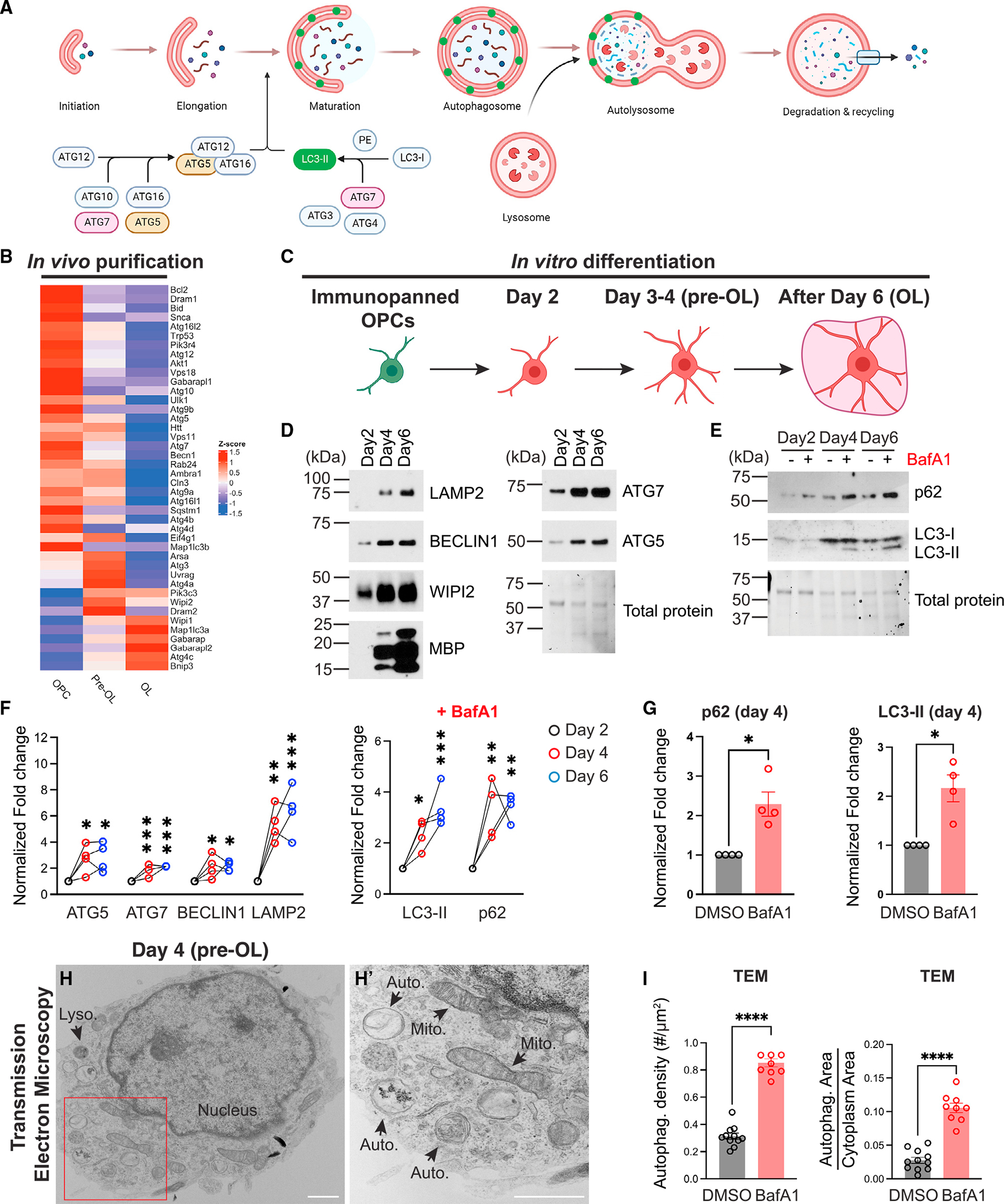
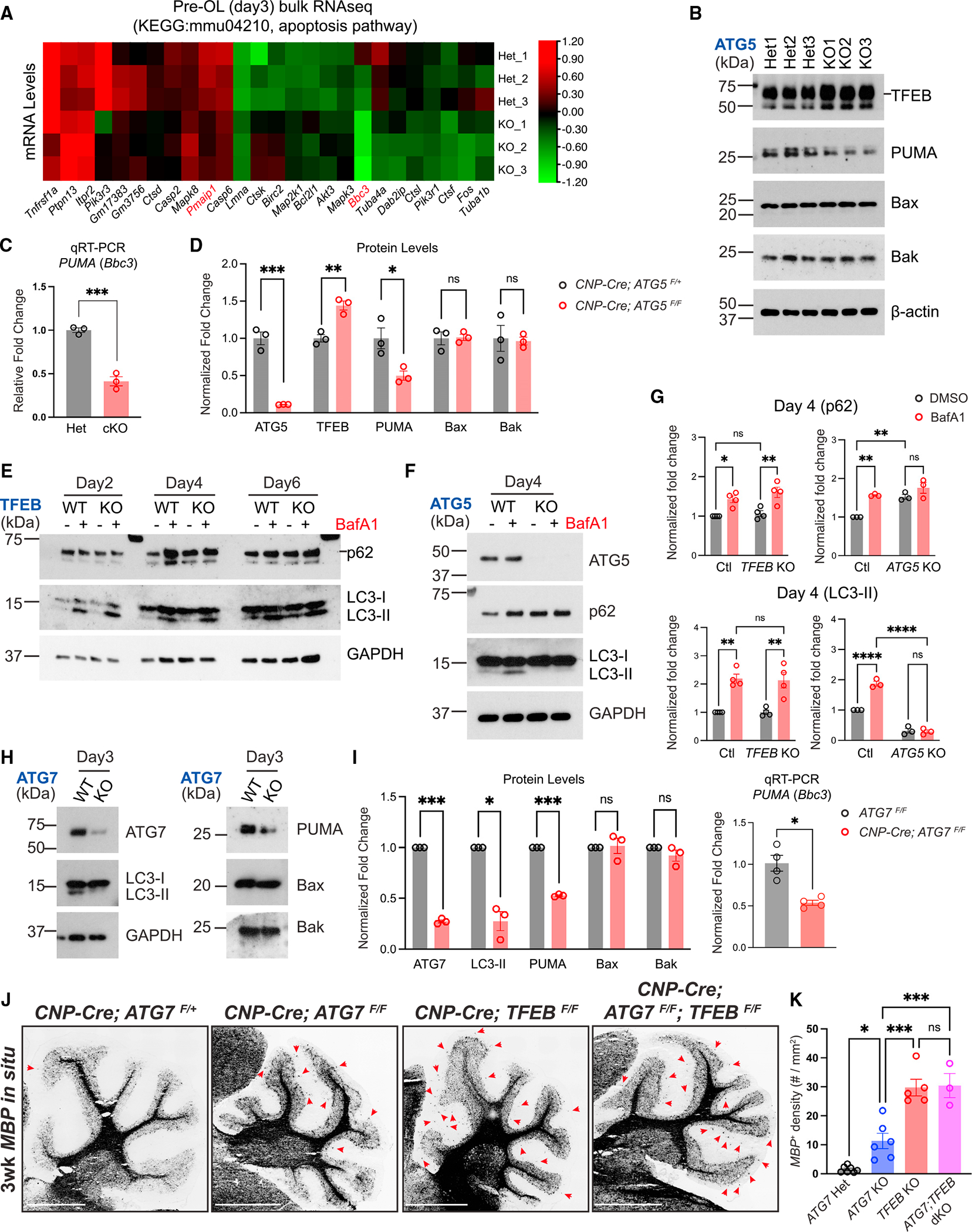
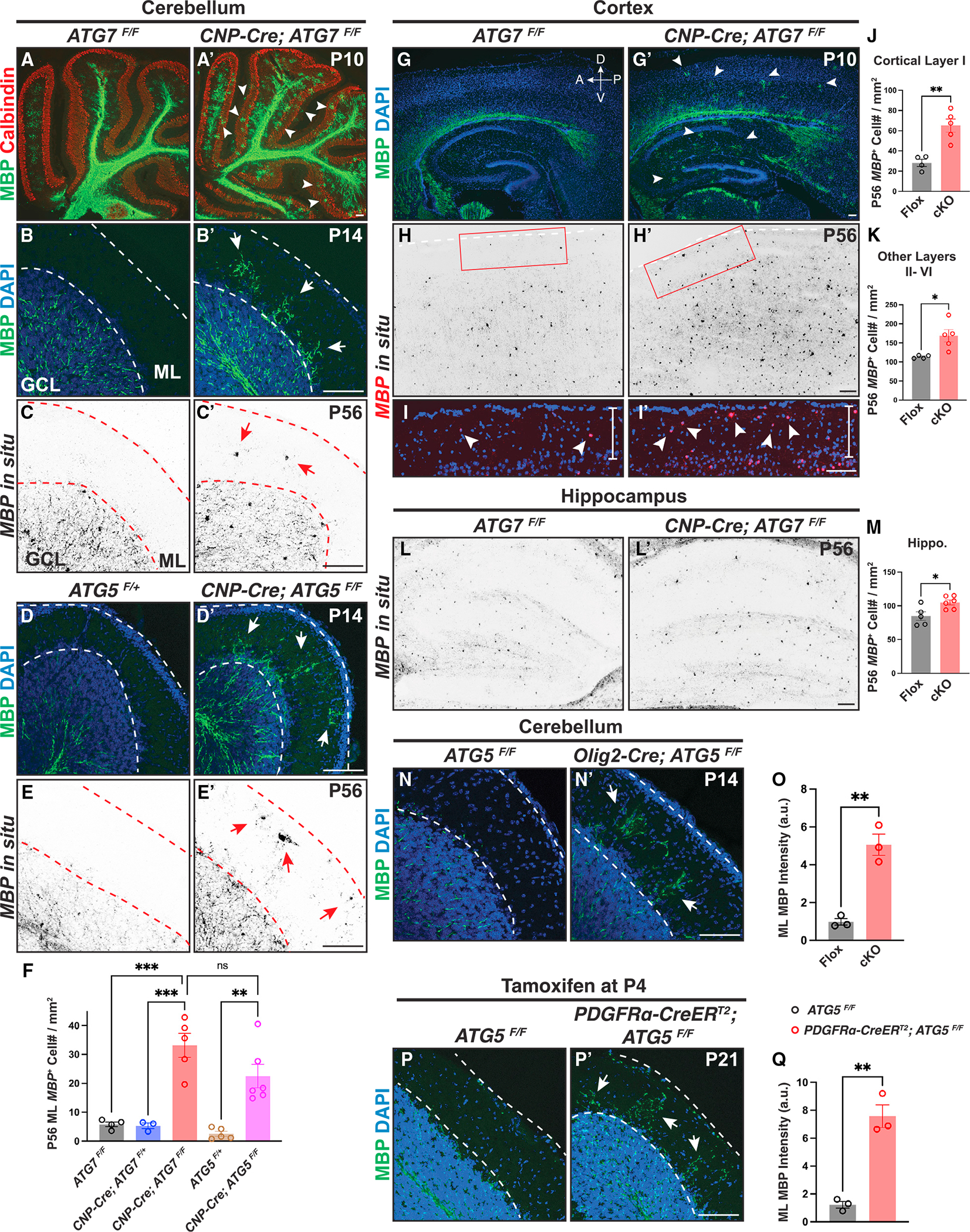
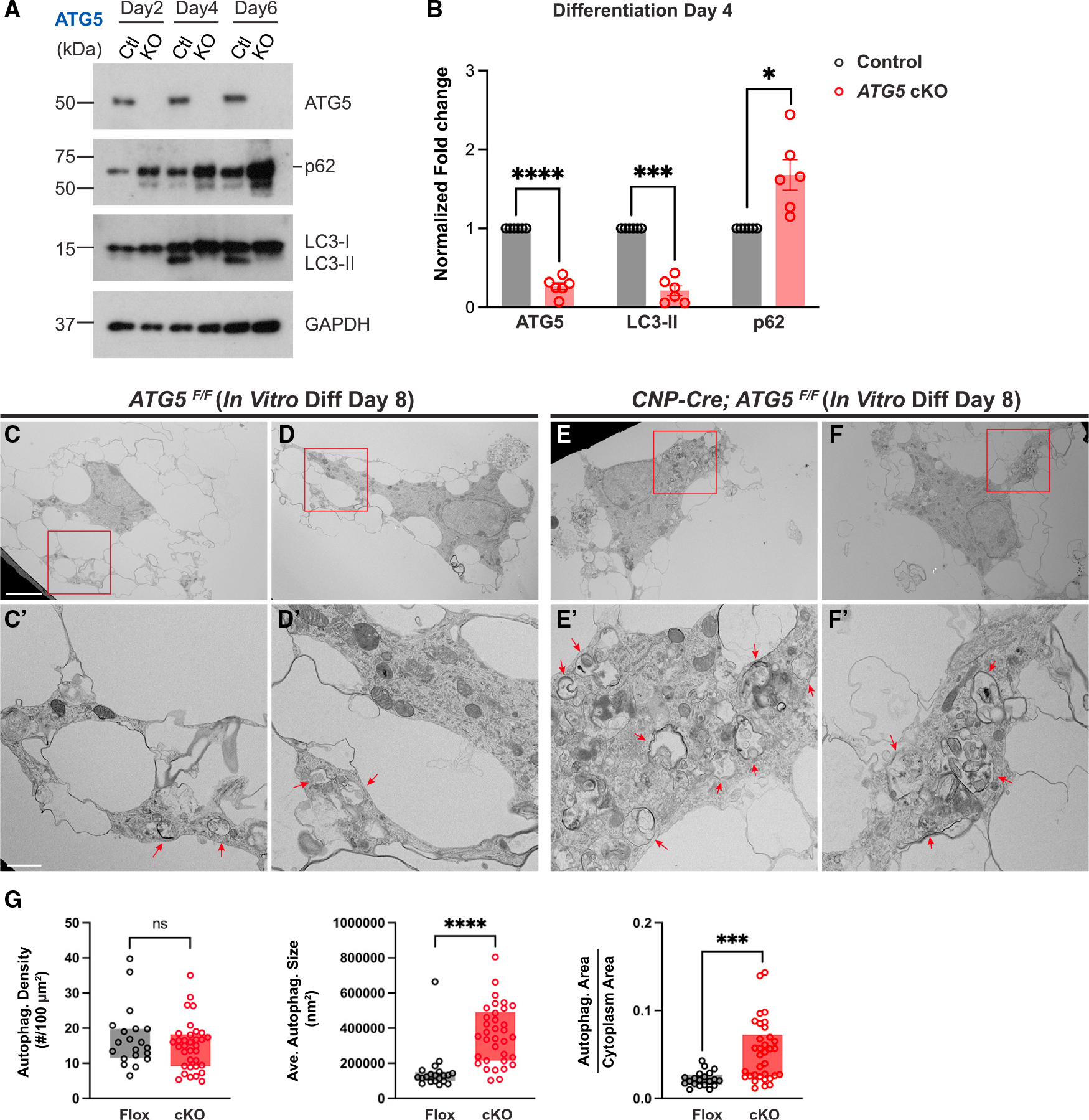
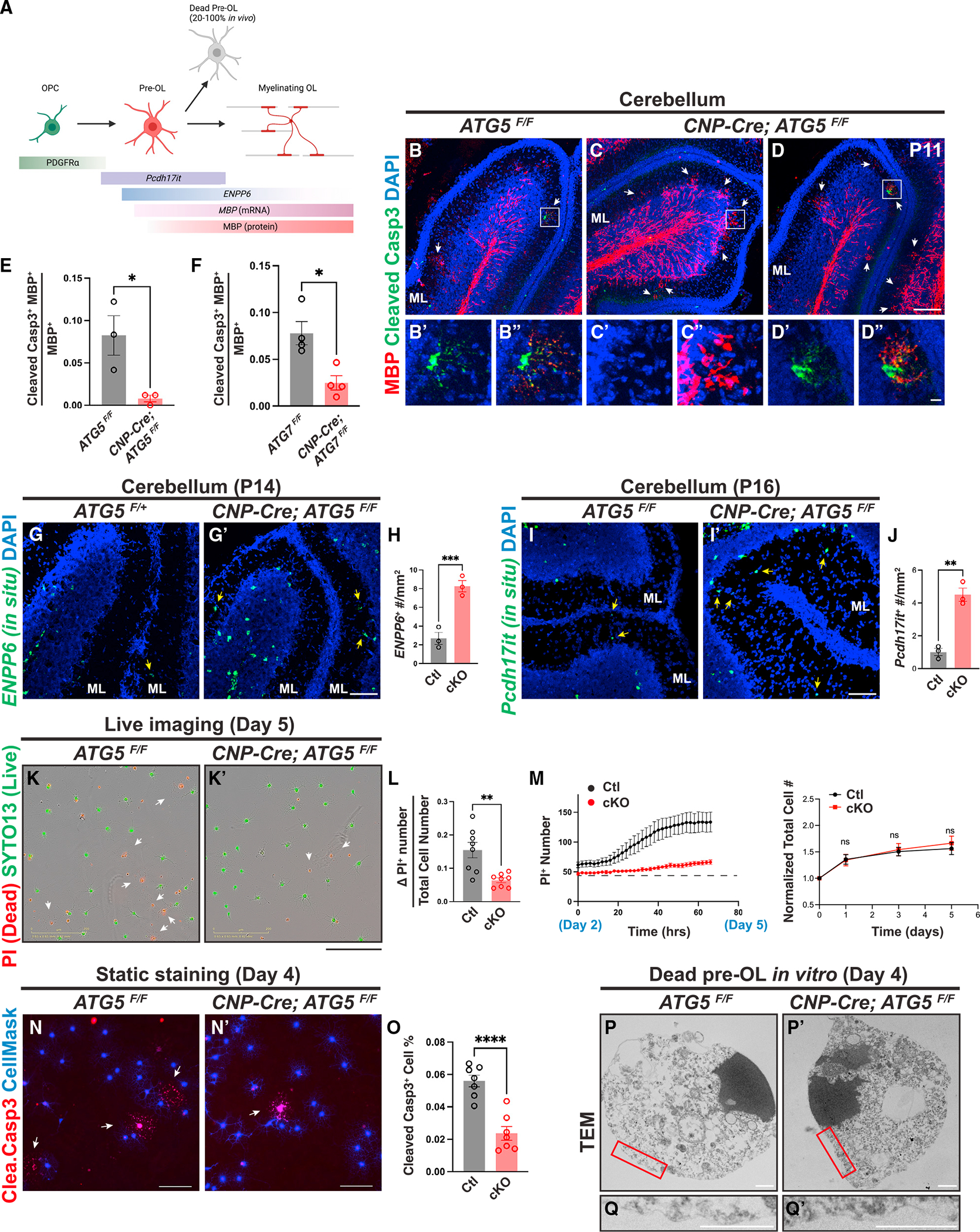
Oligodendrocytes are the sole myelin-producing cells in the central nervous system. Oligodendrocyte number is tightly controlled across diverse brain regions to match local axon type and number, yet the underlying mechanisms remain unclear. Here, we show that autophagy, an evolutionarily conserved cellular process that promotes cell survival under physiological conditions, elicits premyelinating oligodendrocyte apoptosis during development. Autophagy flux is increased in premyelinating oligodendrocytes, and its genetic blockage causes ectopic oligodendrocyte survival throughout the entire brain. Autophagy functions cell autonomously in the premyelinating oligodendrocyte to trigger cell apoptosis, and it genetically interacts with the TFEB pathway to limit oligodendrocyte number across diverse brain regions. Our results provide in vivo evidence showing that autophagy promotes apoptosis in mammalian cells under physiological conditions and reveal key intrinsic mechanisms governing oligodendrogenesis.
少突胶质细胞是中枢神经系统中唯一产生髓鞘的细胞。少突胶质细胞的数量在不同的脑区受到严格控制,以匹配局部轴突的类型和数量,但潜在的机制尚不清楚。在这里,我们表明,自噬是一种进化上保守的细胞过程,它在生理条件下促进细胞存活,在发育过程中引发前髓鞘形成少突胶质细胞凋亡。自噬通量在前期少突胶质细胞中增加,其遗传阻断导致整个大脑中异位少突胶质细胞存活。自噬在前期少突胶质细胞中具有细胞自主性,可触发细胞凋亡,并且与 TFEB 途径发生遗传相互作用,从而限制不同脑区的少突胶质细胞数量。我们的研究结果提供了体内证据,表明自噬在生理条件下促进哺乳动物细胞凋亡,并揭示了控制少突胶质细胞发生的关键内在机制。