Department of Pharmacology, School of Medicine, Zagreb 10000, Croatia.
Division of Oncology and Radiotherapy, University Hospital for Tumors, Sestre milosrdnice University Hospital Centre, Zagreb 10000, Croatia.
World J Gastroenterol. 2023 Jul 21;29(27):4289-4316. doi: 10.3748/wjg.v29.i27.4289.
Using rat stomach perforation as a prototypic direct lesion applied in cytoprotection research, we focused on the first demonstration of the severe occlusion/ occlusion-like syndrome induced by stomach perforation. The revealed stomach-induced occlusion/occlusion-like syndrome corresponds to the previously described occlusion/occlusion-like syndromes in rats suffering multicausal pathology and shared severe vascular and multiorgan failure. This general point was particularly reviewed. As in all the described occlusion/occlusion-like syndromes with permanent occlusion of major vessels, peripheral and central, and other similar noxious procedures that severely affect endothelium function, the stable gastric pentadecapeptide BPC 157 was resolving therapy.
To reveal the stomach perforation-induced general occlusion/occlusion-like syndrome and BPC 157 therapy effect.
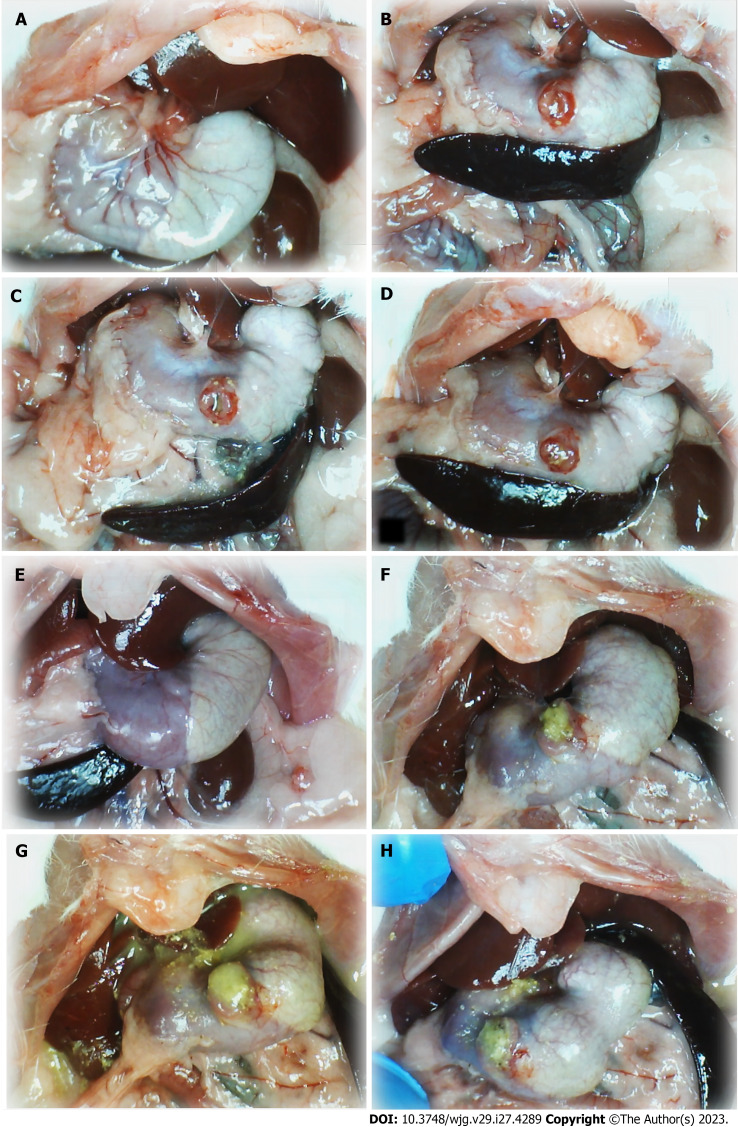
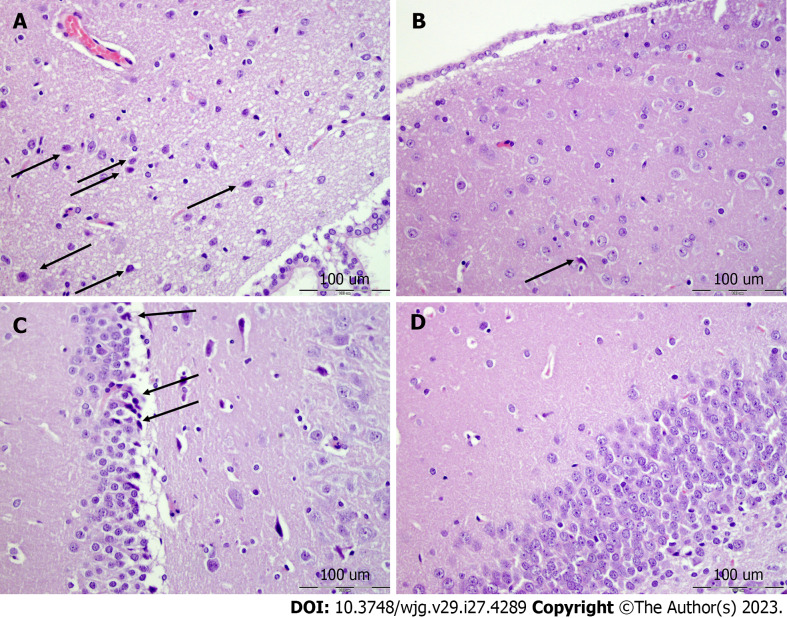
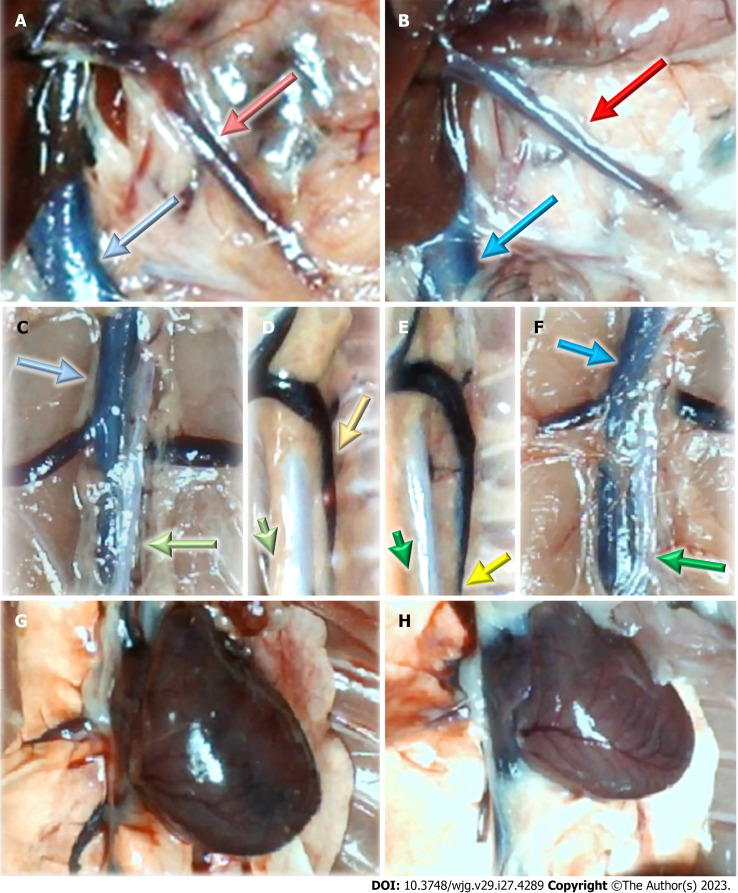
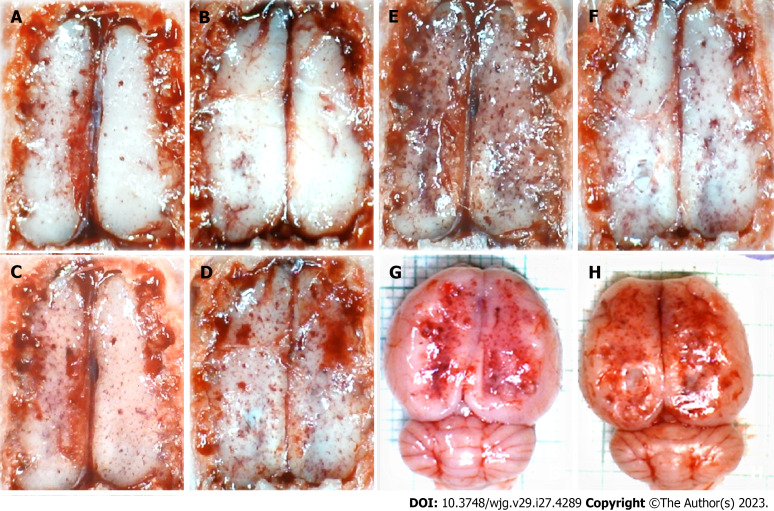
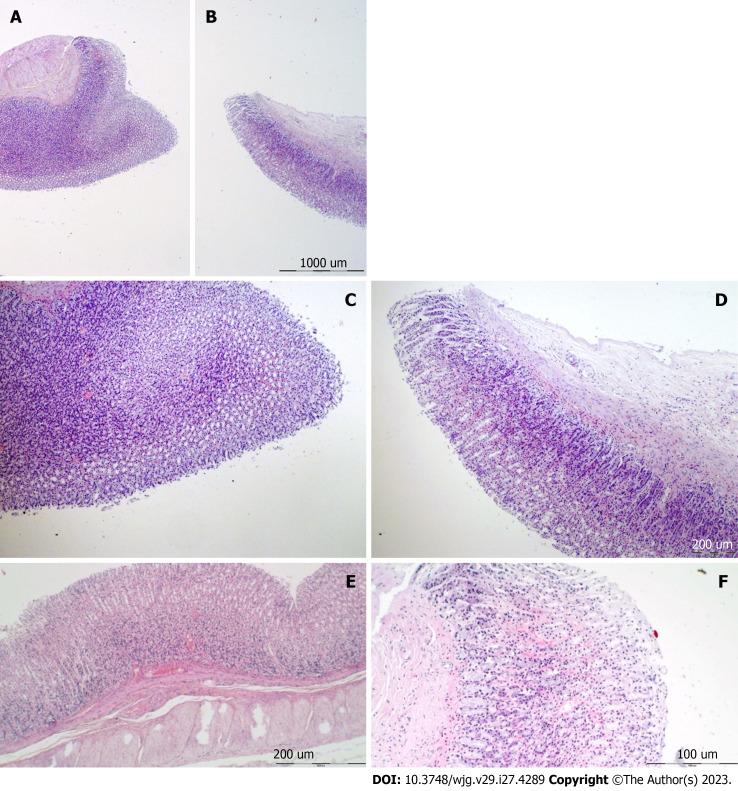
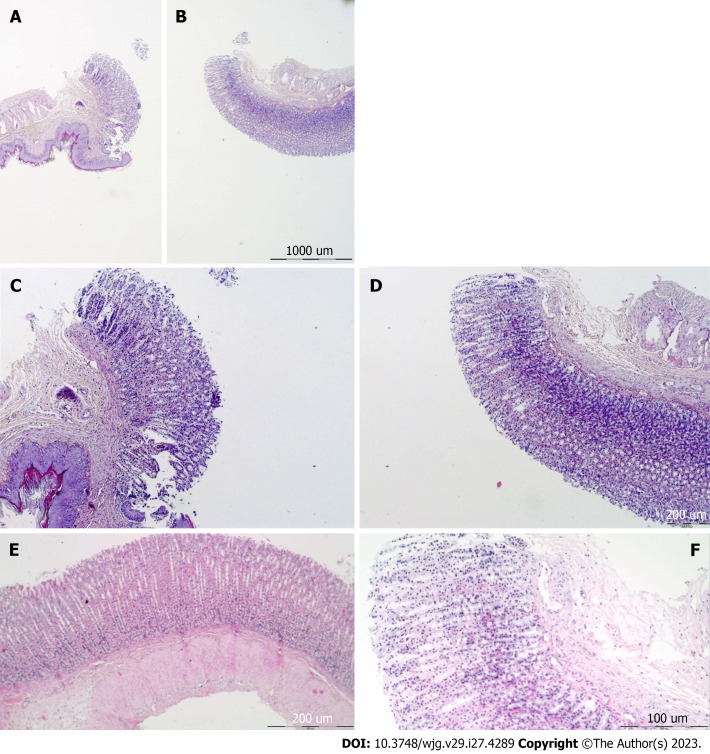
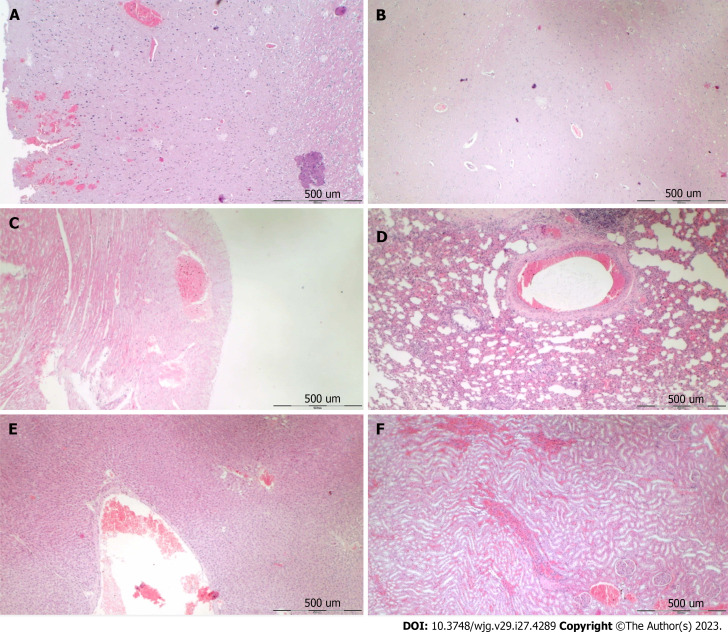
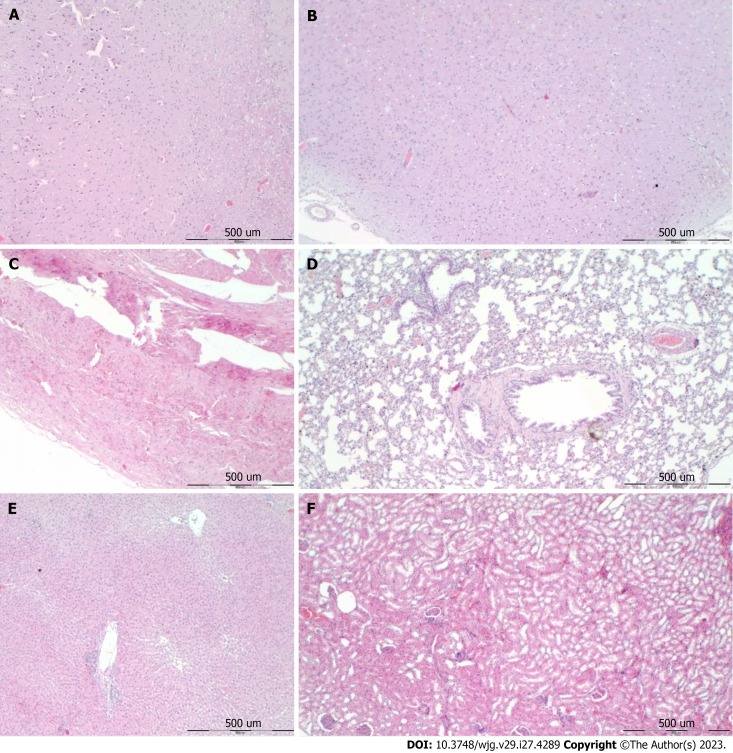
The procedure included deeply anesthetized rats, complete calvariectomy, laparotomy at 15 min thereafter, and stomach perforation to rapidly induce vascular and multiorgan failure occlusion/occlusion-like syndrome. At 5 min post-perforation time, rats received therapy [BPC 157 (10 µg or 10 ng/kg) or saline (5 mL/kg, 1 mL/rat) (controls)] into the perforated defect in the stomach). Sacrifice was at 15 min or 60 min post-perforation time. Assessment (gross and microscopy; volume) included: Brain swelling, peripheral vessels (azygos vein, superior mesenteric vein, portal vein, inferior caval vein) and heart, other organs lesions ( stomach, defect closing or widening); superior sagittal sinus, and peripherally the portal vein, inferior caval vein, and abdominal aorta blood pressures and clots; electrocardiograms; and bleeding time from the perforation(s).
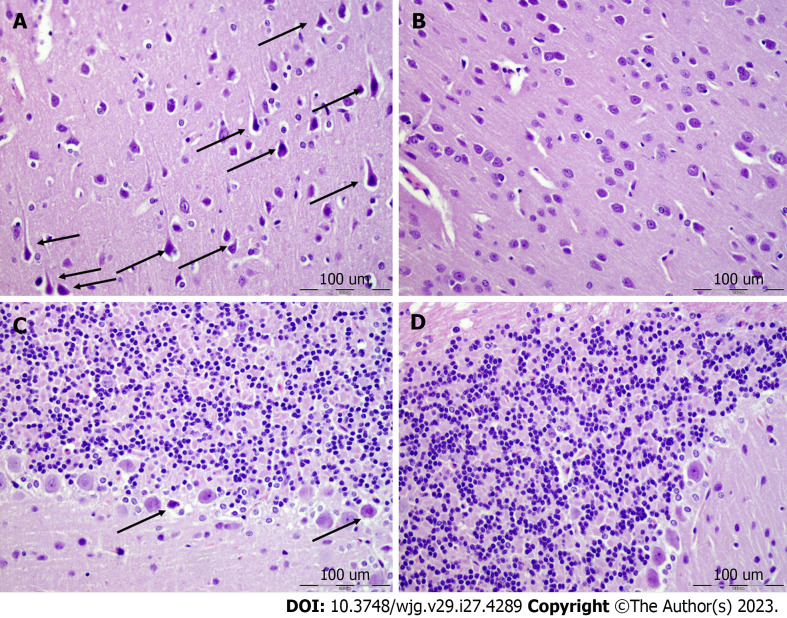
BPC 157 beneficial effects accord with those noted before in the healing of the perforated defect (raised vessel presentation; less bleeding, defect contraction) and occlusion/occlusion-like syndromes counteraction. BPC 157 therapy (into the perforated defect), induced immediate shrinking and contraction of the whole stomach (unlike considerable enlargement by saline application). Accordingly, BPC 157 therapy induced direct blood delivery the azygos vein, and attenuated/eliminated the intracranial (superior sagittal sinus), portal and caval hypertension, and aortal hypotension. Thrombosis, peripherally (inferior caval vein, portal vein, abdominal aorta) and centrally (superior sagittal sinus) BPC 157 therapy markedly reduced/annihilated. Severe lesions in the brain (swelling, hemorrhage), heart (congestion and arrhythmias), lung (hemorrhage and congestion), and marked congestion in the liver, kidney, and gastrointestinal tract were markedly reduced.
We revealed stomach perforation as a severe occlusion/occlusion-like syndrome, peripherally and centrally, and rapid counteraction by BPC 157 therapy. Thereby, further BPC 157 therapy may be warranted.
我们以大鼠胃穿孔作为典型的直接病变应用于细胞保护研究,首次证明了胃穿孔引起的严重闭塞/闭塞样综合征。所揭示的胃诱导的闭塞/闭塞样综合征与以前描述的患有多病因病理学的大鼠中的闭塞/闭塞样综合征相对应,并伴有严重的血管和多器官衰竭。这一点尤其得到了回顾。与所有描述的闭塞/闭塞样综合征一样,包括主要血管的永久性闭塞、外周和中央,以及其他严重影响内皮功能的类似有害程序,稳定的胃十五肽 BPC 157 是一种解决治疗方法。
揭示胃穿孔引起的一般闭塞/闭塞样综合征和 BPC 157 治疗效果。
该程序包括深度麻醉大鼠、完全颅骨切除术、随后 15 分钟的剖腹术和胃穿孔,以迅速诱导血管和多器官衰竭闭塞/闭塞样综合征。在穿孔后 5 分钟,大鼠接受治疗[BPC 157(10 µg 或 10 ng/kg)或生理盐水(5 mL/kg,1 mL/大鼠)(对照)]进入胃穿孔缺陷。在穿孔后 15 分钟或 60 分钟处死。评估(大体和显微镜;体积)包括:脑水肿、外周血管(奇静脉、肠系膜上静脉、门静脉、下腔静脉)和心脏、其他器官病变(胃、缺陷闭合或扩大);上矢状窦,以及外周门静脉、下腔静脉和腹主动脉血压和血栓;心电图;以及穿孔处的出血时间。
BPC 157 的有益作用与以前在穿孔缺陷的愈合中观察到的作用一致(血管呈现增加;出血减少,缺陷收缩)和闭塞/闭塞样综合征的对抗作用。BPC 157 治疗(进入穿孔缺陷)立即引起整个胃的收缩和收缩(与生理盐水应用引起的显著增大相反)。因此,BPC 157 治疗直接诱导血液输送到奇静脉,并减轻/消除颅内(上矢状窦)、门静脉和腔静脉高血压以及主动脉低血压。外周(下腔静脉、门静脉、腹主动脉)和中枢(上矢状窦)BPC 157 治疗显著减少/消除了血栓形成。大脑(肿胀、出血)、心脏(充血和心律失常)、肺(出血和充血)的严重病变以及肝脏、肾脏和胃肠道的明显充血显著减少。
我们揭示了胃穿孔作为一种严重的闭塞/闭塞样综合征,无论是外周还是中枢,BPC 157 治疗迅速对抗。因此,可能需要进一步的 BPC 157 治疗。