Smoday Ivan Maria, Krezic Ivan, Kalogjera Luka, Vukovic Vlasta, Zizek Helena, Skoro Marija, Kovac Katarina Kasnik, Vranes Hrvoje, Barisic Ivan, Sikiric Suncana, Strbe Sanja, Tepes Marijan, Oroz Katarina, Zubcic Slavica, Stupnisek Mirjana, Beketic Oreskovic Lidija, Kavelj Ivana, Novosel Luka, Prenc Matea, Barsic Ostojic Sanja, Dobric Ivan, Sever Marko, Blagaic Alenka Boban, Skrtic Anita, Staresinic Mario, Sjekavica Ivica, Seiwerth Sven, Sikiric Predrag
Department of Pharmacology, School of Medicine, University of Zagreb, 10000 Zagreb, Croatia.
Department of Diagnostic and Interventional Radiology, University Hospital Centre, 10000 Zagreb, Croatia.
Pharmaceuticals (Basel). 2023 Oct 23;16(10):1507. doi: 10.3390/ph16101507.
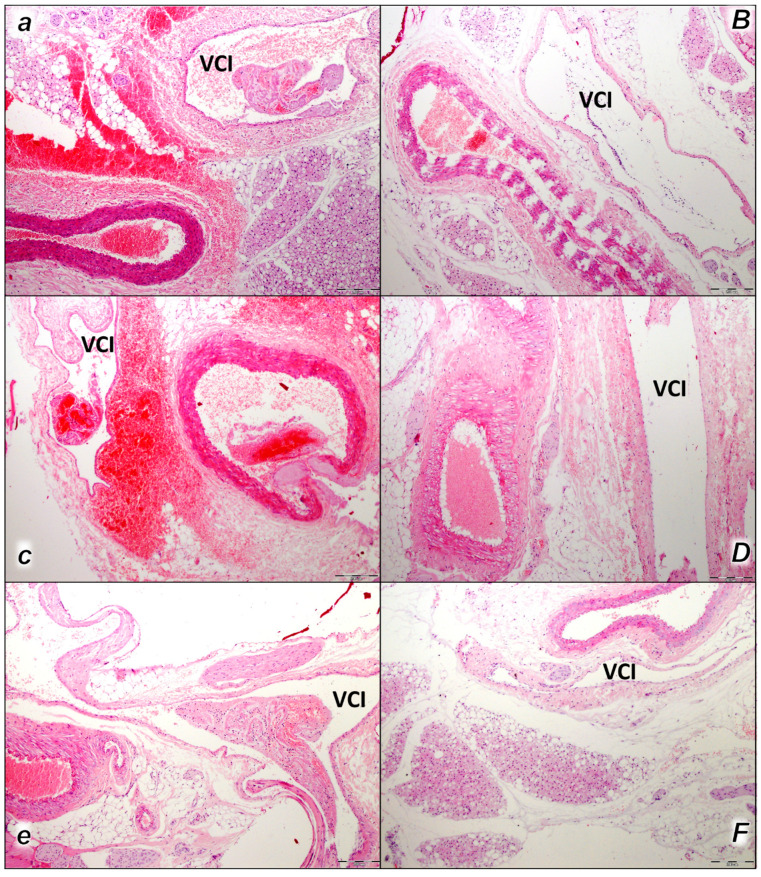
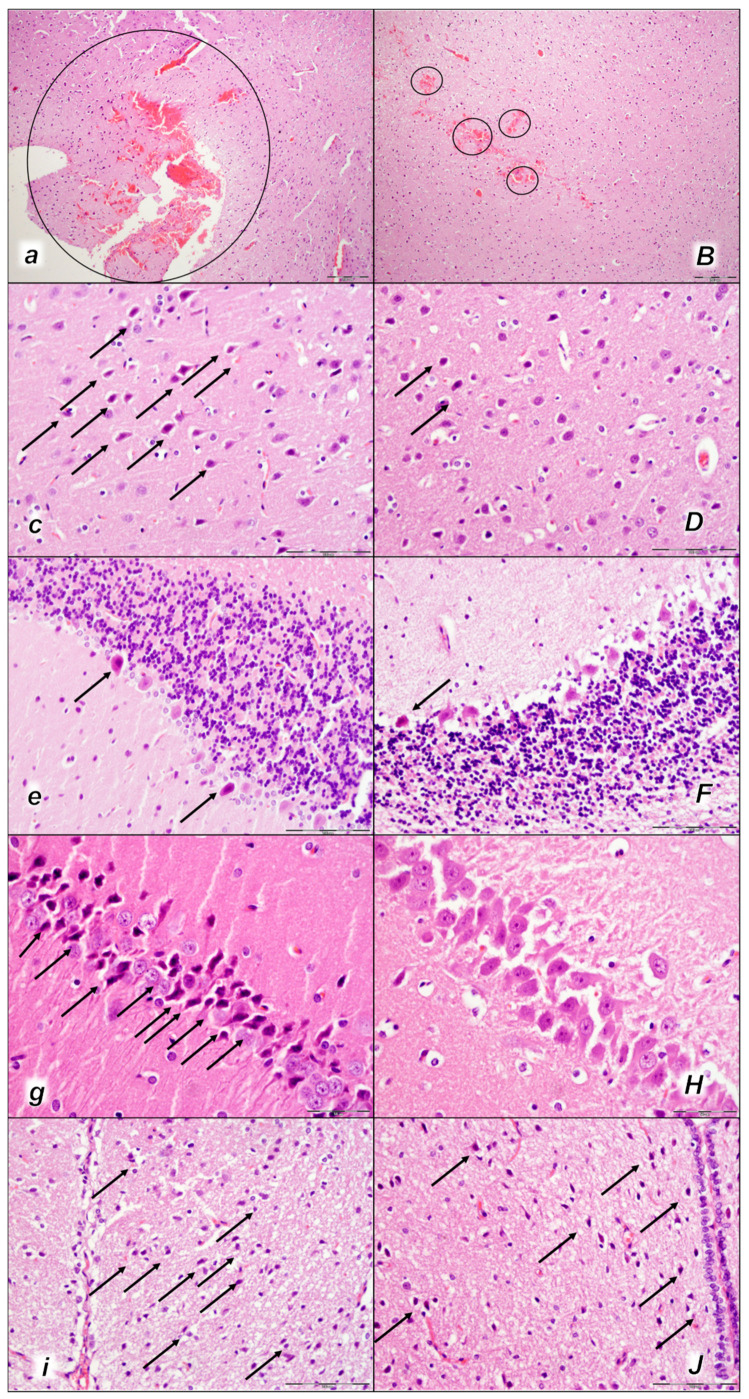
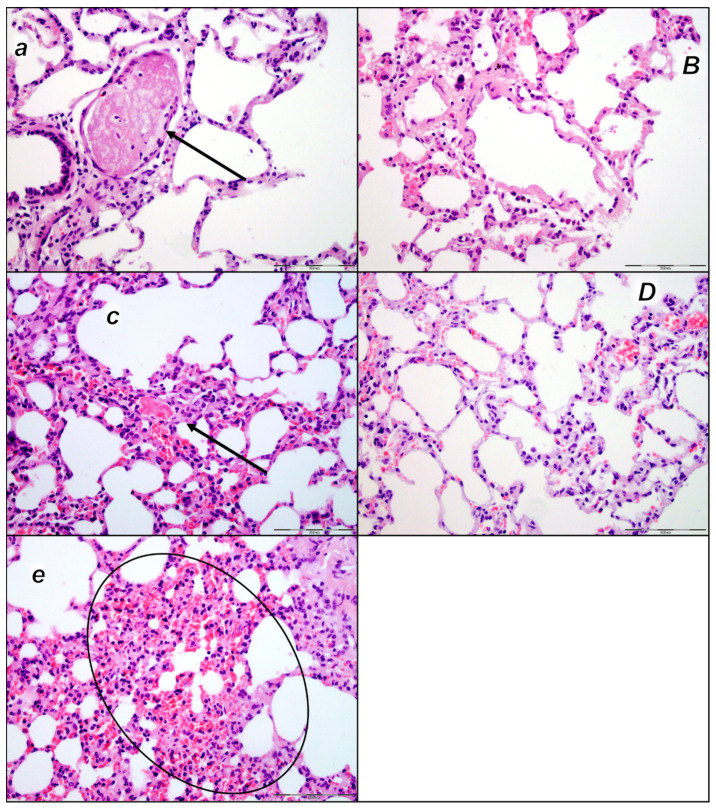
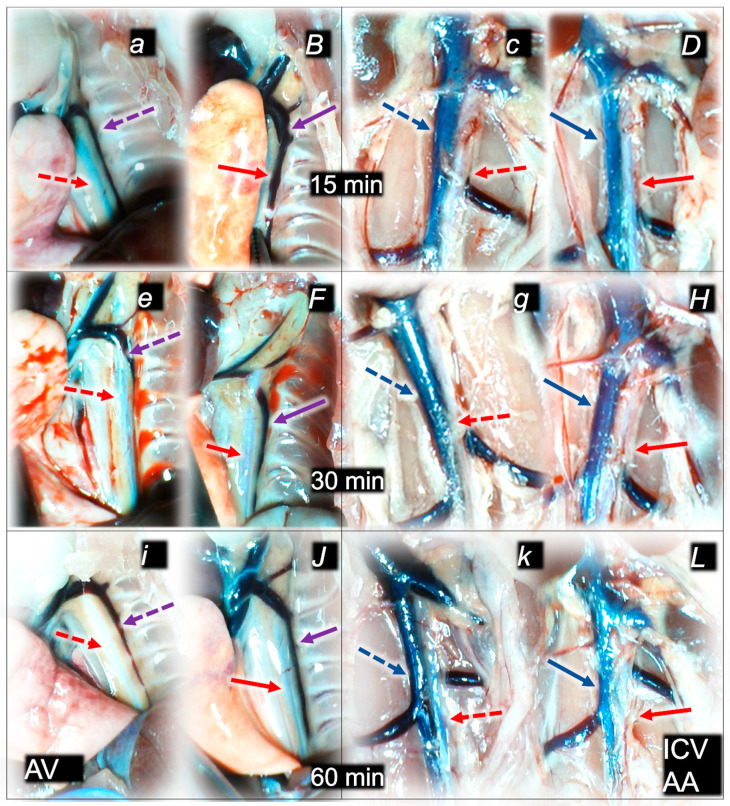
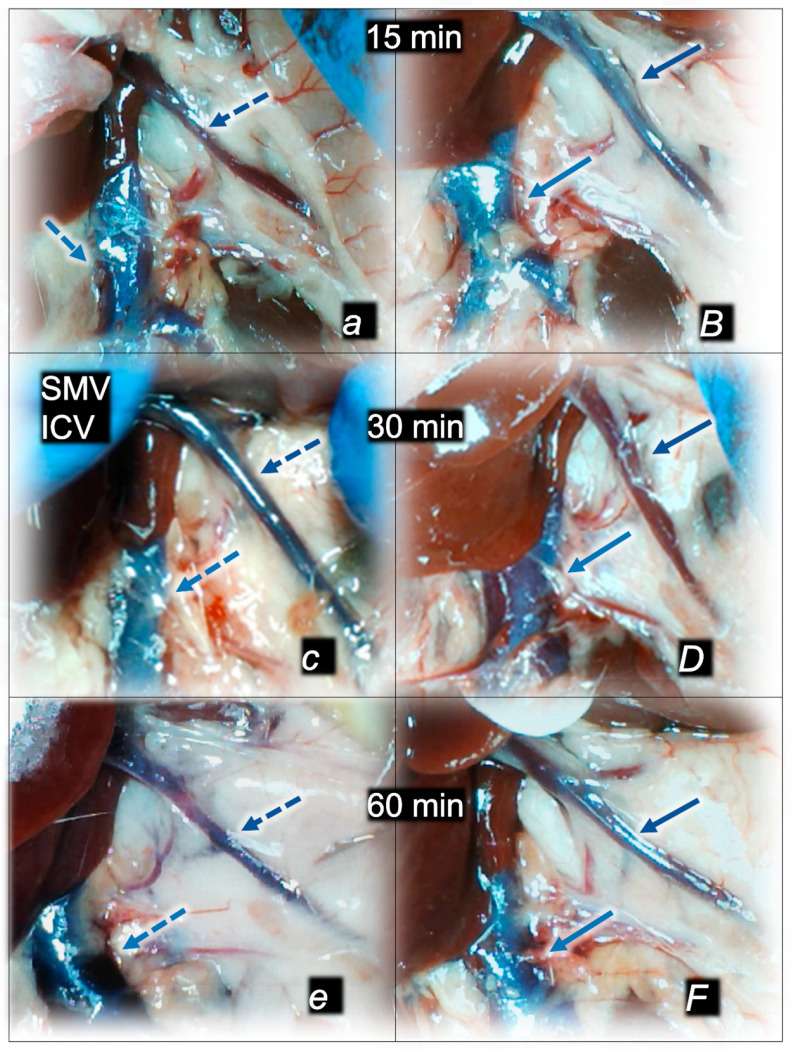
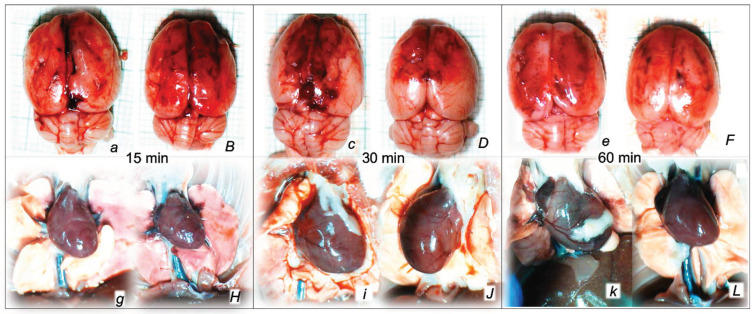
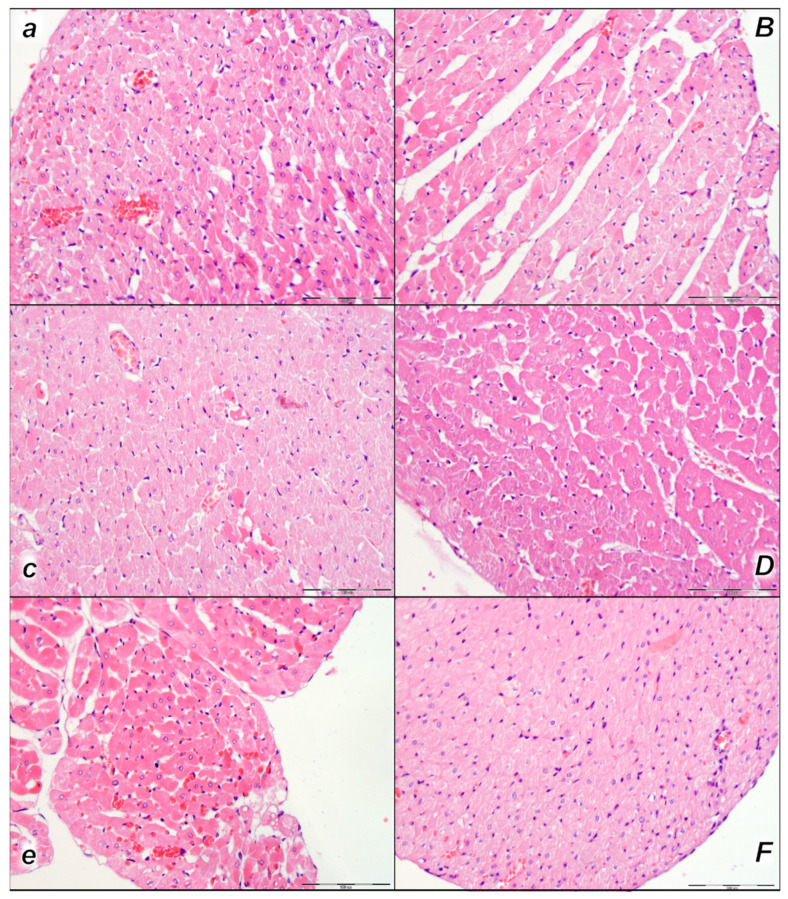
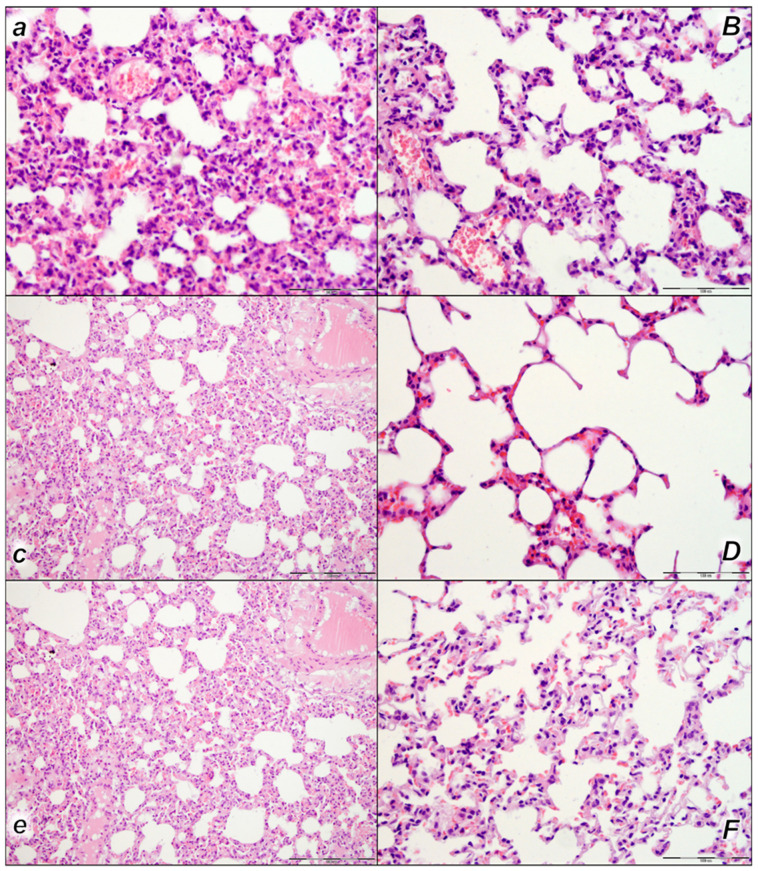
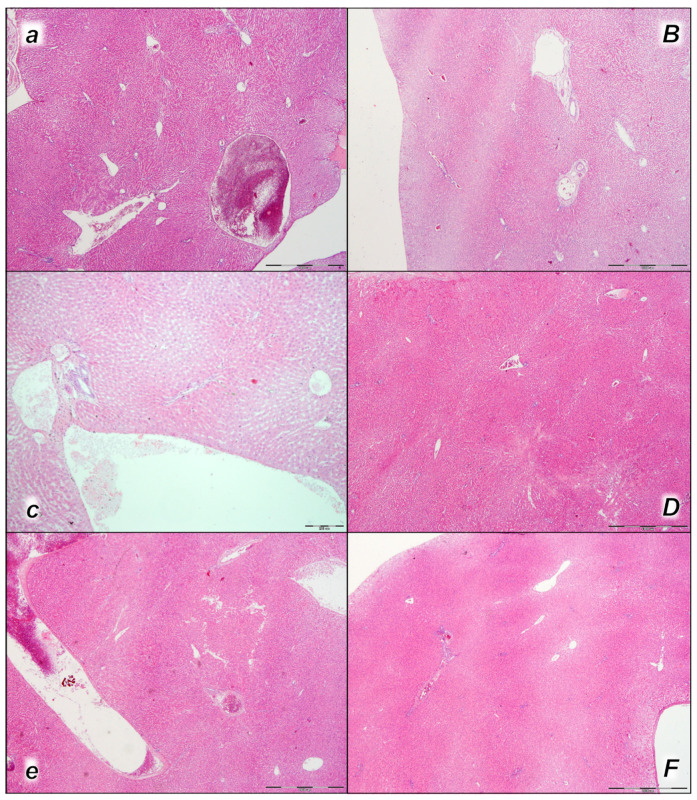
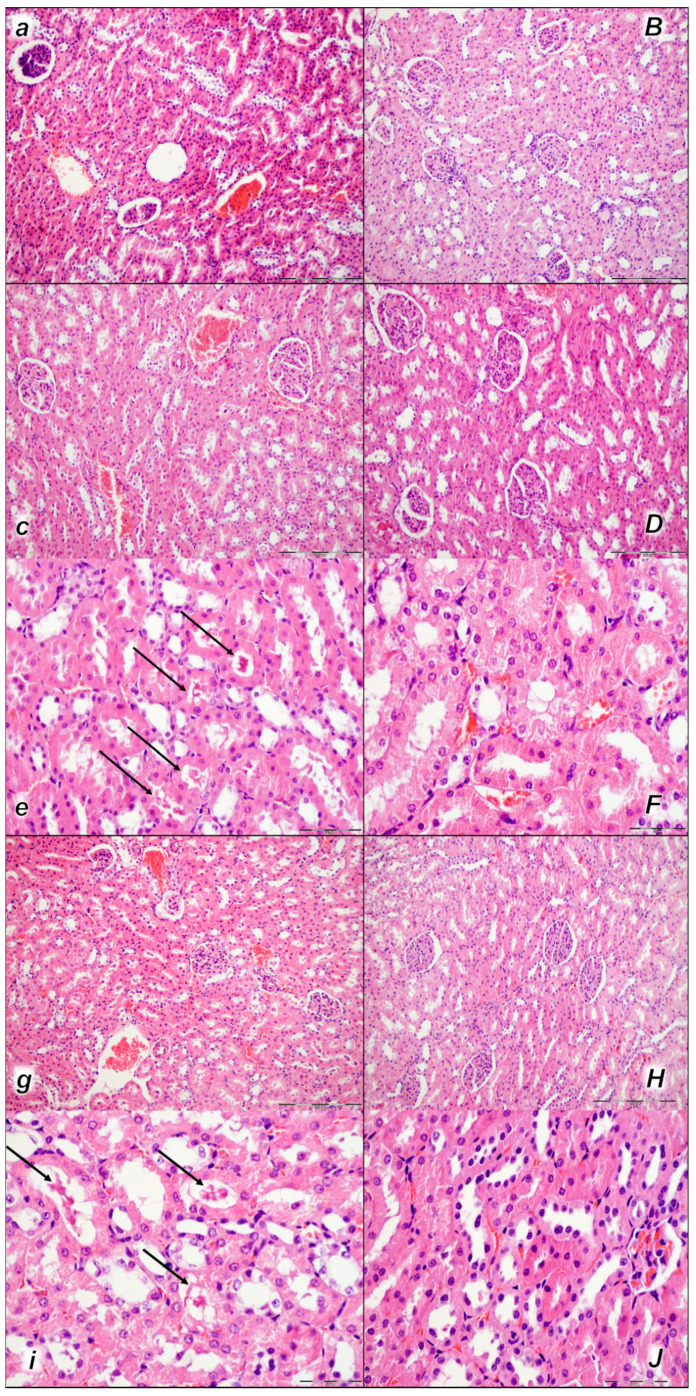
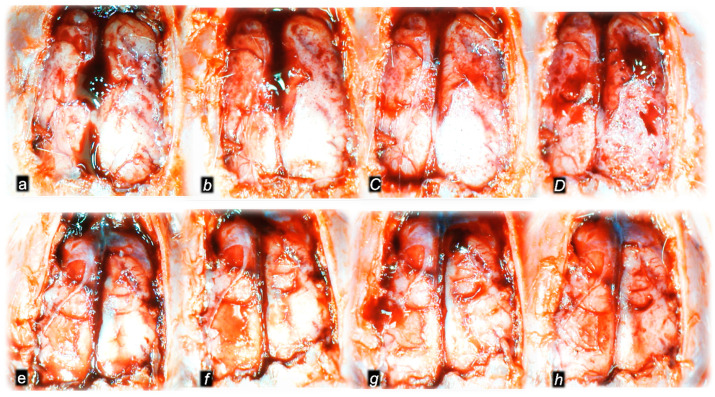
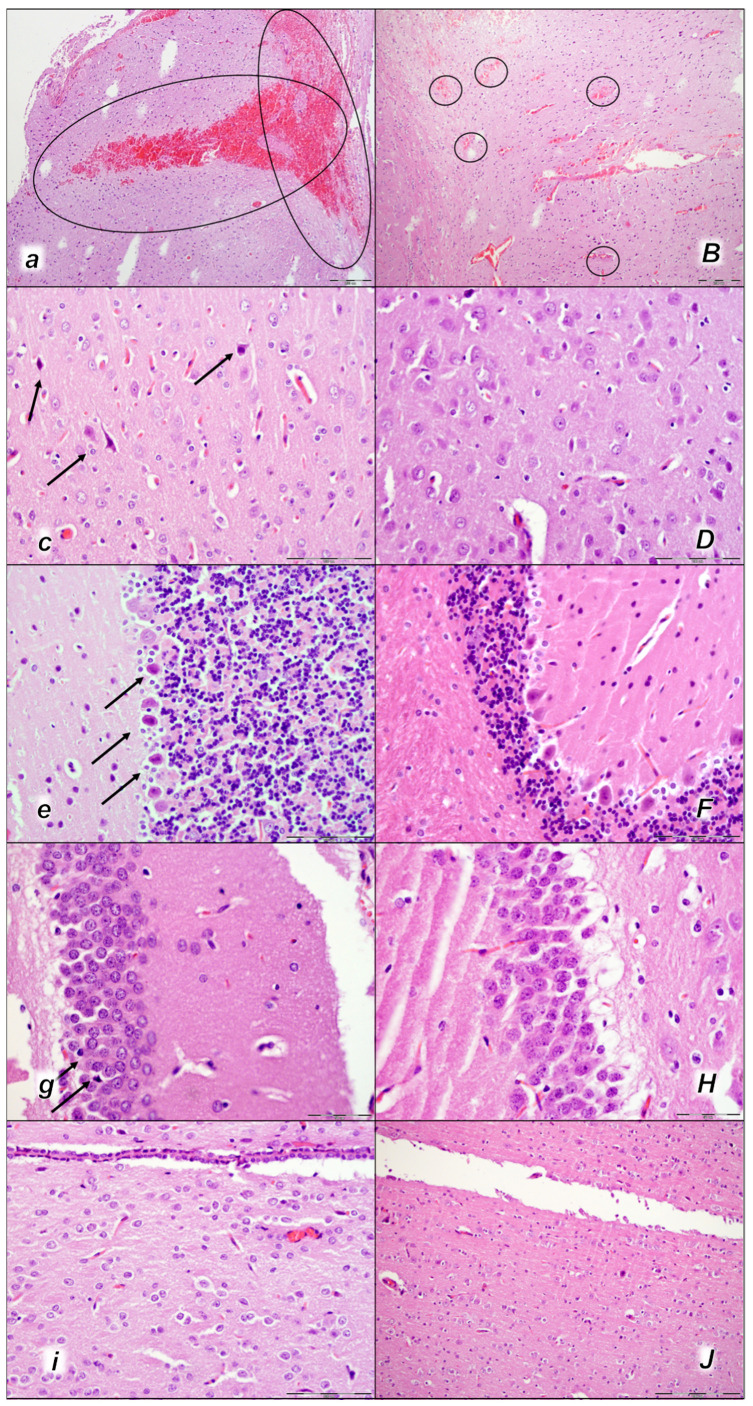
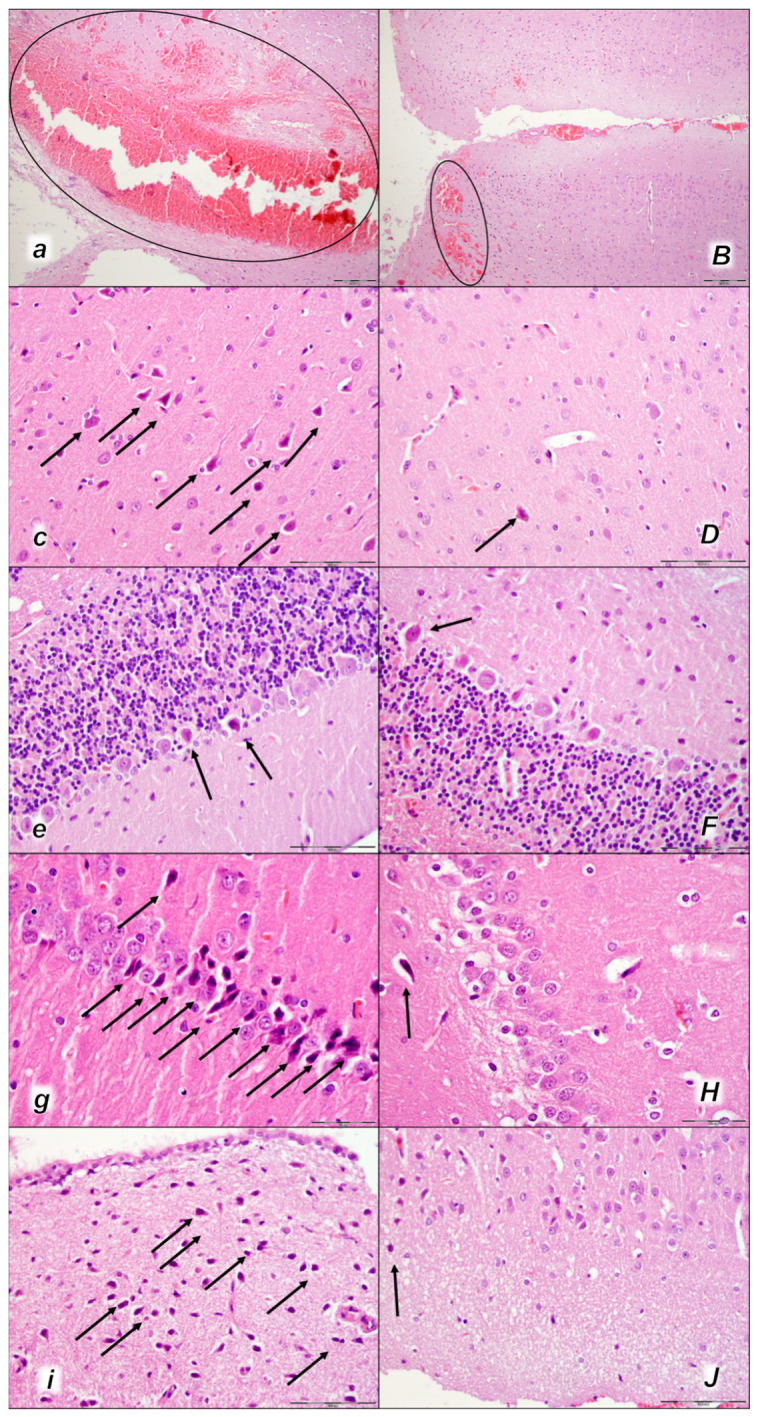
After inferior caval vein embolization therapy, post-embolization syndrome (sodium laurate 10 mg/kg, 0.1 mL into rat inferior caval vein, assessment at 15, 30, 60 min, prime lung lesions, thromboemboli occluding lung vessels), as a severe occlusion/occlusion-like syndrome, might be resolved as a whole by stable gastric pentadecapeptide BPC 157 therapy. At 5 min after laurate injection, stable gastric pentadecapeptide BPC 157 was implemented as therapy (10 µg/kg, 10 ng/kg intraperitoneally or intragastrically). As before, confronted with the occlusion of major vessel(s) or similar noxious procedures, such as rapidly acting Virchow triad circumstances, the particular effect of the therapy (i.e., collateral pathways activation, "bypassing vascular key", i.e., direct blood flow delivery via activation of azygos vein) assisted in the recovery of the vessel/s and counteracted multiorgan failure due to occlusion/occlusion-like syndrome as a whole in the laurate-injected rats. Along with prime lung lesions and thromboemboli occluding lung vessels, post-embolization syndrome rapidly occurred peripherally and centrally as a shared multiorgan and vessel failure, brain, heart, lung, liver, kidney, and gastrointestinal tract lesions, venous hypertension (intracranial (superior sagittal sinus), portal, and caval), aortal hypotension, progressing thrombosis in veins and arteries and stasis, congested and/or failed major veins, and severe ECG disturbances. Whatever the cause, these were all counteracted, eliminated, or attenuated by the application of BPC 157 therapy. As recovery with BPC 157 therapy commonly and rapidly occurred, reversing the collapsed azygos vein to the rescuing collateral pathway might initiate rapid direct blood delivery and start blood flow reorganization. In conclusion, we suggest BPC 157 therapy to resolve further vascular and embolization injuries.
在下腔静脉栓塞治疗后,栓塞后综合征(将10mg/kg月桂酸钠0.1mL注入大鼠下腔静脉,于15、30、60分钟时评估,主要肺部病变,肺血管内血栓栓塞)作为一种严重的阻塞/类阻塞综合征,可能通过稳定的胃十五肽BPC 157治疗整体得到缓解。在注入月桂酸钠5分钟后,实施稳定的胃十五肽BPC 157治疗(10μg/kg,10ng/kg腹腔内或胃内给药)。如前所述,面对主要血管的阻塞或类似的有害操作,如快速形成的维氏三联征情况,该治疗的特殊效果(即激活侧支途径,“绕过血管关键部位”,即通过激活奇静脉实现直接血流输送)有助于血管恢复,并抵消因注入月桂酸钠的大鼠整体阻塞/类阻塞综合征导致的多器官功能衰竭。随着主要肺部病变和肺血管内血栓栓塞的出现,栓塞后综合征迅速在周围和中枢发生,表现为多器官和血管共同衰竭、脑、心、肺、肝、肾及胃肠道病变、静脉高压(颅内(上矢状窦)、门静脉和腔静脉)、主动脉低血压、动静脉内血栓形成进展及血流淤滞、主要静脉充血和/或功能衰竭以及严重的心电图紊乱。无论病因如何,这些均通过应用BPC 157治疗得到抵消、消除或减轻。由于BPC 157治疗通常能迅速实现恢复,将塌陷的奇静脉逆转至救援性侧支途径可能启动快速直接血流输送并开始血流重组。总之,我们建议采用BPC 157治疗来解决进一步的血管和栓塞损伤问题。