Independent Consultant, Bangkok, Thailand
International Health Consulting Services Ltd, Liverpool, UK.
BMJ Glob Health. 2023 Aug;8(Suppl 2). doi: 10.1136/bmjgh-2023-011766.
Discharge preparation prior to leaving a health facility after childbirth offers a critical window of opportunity for women, parents and newborns to receive support for the transition to care at home. However, research suggests that the quality of discharge preparation following childbirth is variable. This review synthesises qualitative evidence on stakeholder perspectives of postnatal discharge.
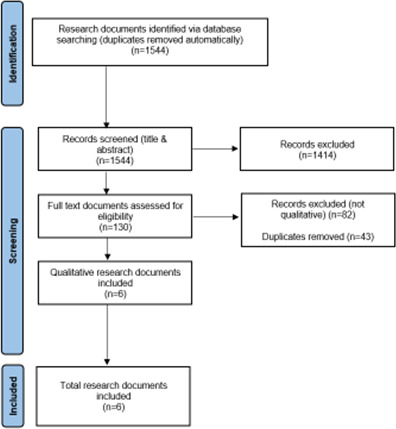
We conducted a thematic synthesis of qualitative studies included in a larger published scoping review on discharge preparedness and readiness (reported in accordance with Preferred Reporting Items for Systematic Reviews and Meta-Analyses extension for scoping reviews). For inclusion, in the qualitative evidence synthesis, studies had to have used qualitative methods for data collection and analysis to capture the perspectives of women, parents and health workers. Key characteristics and findings were extracted, and thematic analysis was used to inductively develop a conceptual coding framework.
Of a total of 130 research documents (published research articles and grey literature), six studies met the inclusion criteria; five were conducted in high-income countries, five were published in English and one was published in Swedish. Studies reported on the experiences of women, fathers and midwives with the number of participants ranging from 12 to 324. Nine descriptive themes (findings) were identified. From these, three high-level analytical themes were generated: (1) health workers need support to optimise the postnatal discharge process; (2) the allocated time for, and timing of, discharge is rushed; (3) overlooking women's and fathers'/partners' needs leads to feelings of exclusion.
Findings suggest an overall feeling of dissatisfaction among women, parents and midwives with the current provision of discharge preparation. In particular, women and midwives expressed frustration at the lack of time and resources available for ensuring adequate quality of care prior to discharge. The perspectives of included stakeholders indicate a demand for increased focus on the emotional and social needs of women and families during discharge preparation as well as better engagement of fathers and other family members. The qualitative evidence available indicates the likely positive impact of adequate discharge preparation if the identified service and system barriers can be overcome. As the updated WHO recommendations on postnatal care become embedded in country health systems and policies, there may be renewed interest on values, preferences and perspectives at system, service and end-user level.
产妇离开医疗机构前的出院准备为妇女、父母和新生儿提供了一个关键的机会窗口,使他们能够获得在家庭中护理的支持。然而,研究表明,产后出院准备的质量存在差异。本综述综合了利益相关者对产后出院的观点的定性证据。
我们对纳入更大的已发表的出院准备和就绪情况范围综述的定性研究进行了主题综合分析(按照系统评价和荟萃分析扩展的首选报告项目进行报告)。在定性证据综合中,纳入的研究必须使用定性方法收集和分析数据,以捕捉妇女、父母和卫生工作者的观点。提取关键特征和发现,并使用主题分析对概念编码框架进行归纳。
在总共 130 份研究文件(已发表的研究文章和灰色文献)中,有 6 项研究符合纳入标准;其中 5 项在高收入国家进行,5 项以英文发表,1 项以瑞典文发表。研究报告了妇女、父亲和助产士的经历,参与者人数从 12 人到 324 人不等。确定了 9 个描述性主题(发现)。从中产生了三个高水平的分析主题:(1)卫生工作者需要支持来优化产后出院过程;(2)分配的出院时间仓促;(3)忽视妇女和父亲/伴侣的需求导致被排斥的感觉。
研究结果表明,妇女、父母和助产士对当前提供的出院准备总体上感到不满。特别是,妇女和助产士对缺乏时间和资源感到沮丧,无法在出院前确保足够的护理质量。所纳入的利益相关者的观点表明,需要更加关注妇女和家庭在出院准备期间的情感和社会需求,并更好地让父亲和其他家庭成员参与进来。现有定性证据表明,如果能够克服确定的服务和系统障碍,充分的出院准备可能会产生积极影响。随着世界卫生组织关于产后护理的最新建议在国家卫生系统和政策中得到实施,可能会重新关注系统、服务和最终用户层面的价值观、偏好和观点。