Rosano Caterina
Department of Epidemiology, Graduate School of Public Health, University of Pittsburgh, Pittsburgh, PA, United States.
Front Neuroimaging. 2022 Aug 25;1:896350. doi: 10.3389/fnimg.2022.896350. eCollection 2022.
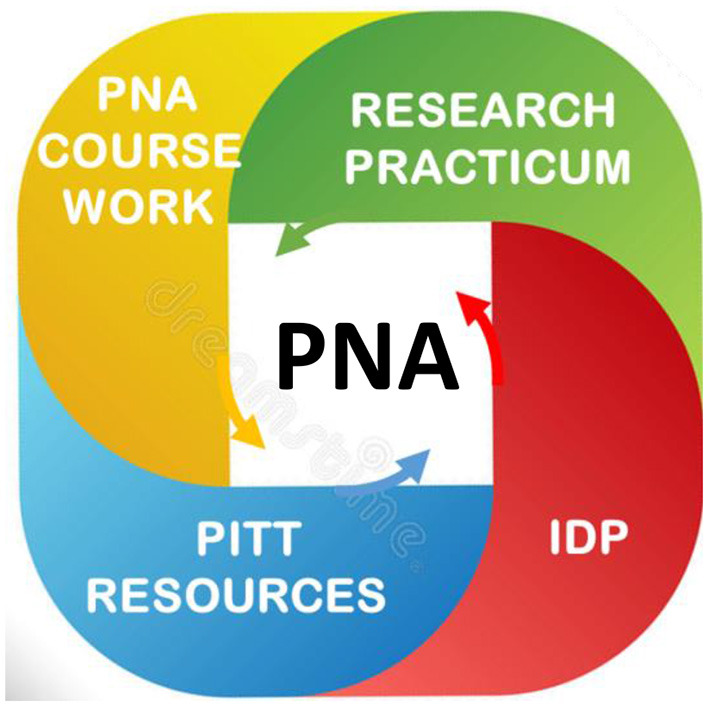
Recent advances in neuroimaging create groundbreaking opportunities to better understand human neurological and psychiatric diseases, but also bring new challenges. With the advent of more and more sophisticated and efficient multimodal image processing software, we can now study much larger populations and integrate information from multiple modalities. In consequence, investigators that use neuroimaging techniques must also understand and apply principles of population sampling and contemporary data analytic techniques. The next generation of neuroimaging researchers must be skilled in numerous previously distinct disciplines and so a new integrated model of training is needed. This tutorial presents the rationale for such a new training model and presents the results from the first years of the training program focused on population neuroimaging of Alzheimer's Disease. This approach is applicable to other areas of population neuroimaging.
神经成像技术的最新进展为更好地理解人类神经和精神疾病创造了开创性的机会,但也带来了新的挑战。随着越来越复杂和高效的多模态图像处理软件的出现,我们现在可以研究规模大得多的人群,并整合来自多种模态的信息。因此,使用神经成像技术的研究人员还必须理解并应用人群抽样原则和当代数据分析技术。下一代神经成像研究人员必须精通许多以前互不相关的学科,因此需要一种新的综合培训模式。本教程阐述了这种新培训模式的基本原理,并展示了专注于阿尔茨海默病人群神经成像的培训项目头几年的成果。这种方法适用于人群神经成像的其他领域。