Narayanan Theyencheri, Chèvremont William, Zinn Thomas
ESRF - The European Synchrotron, 38043 Grenoble, France.
Diamond Light Source, Didcot OX11 0DE, United Kingdom.
J Appl Crystallogr. 2023 Jun 23;56(Pt 4):939-946. doi: 10.1107/S1600576723004971. eCollection 2023 Aug 1.
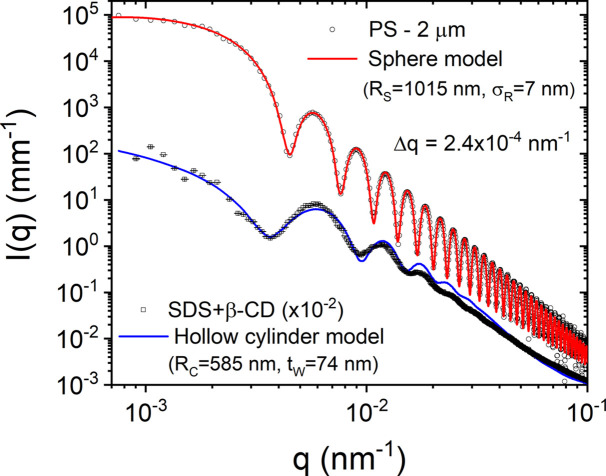
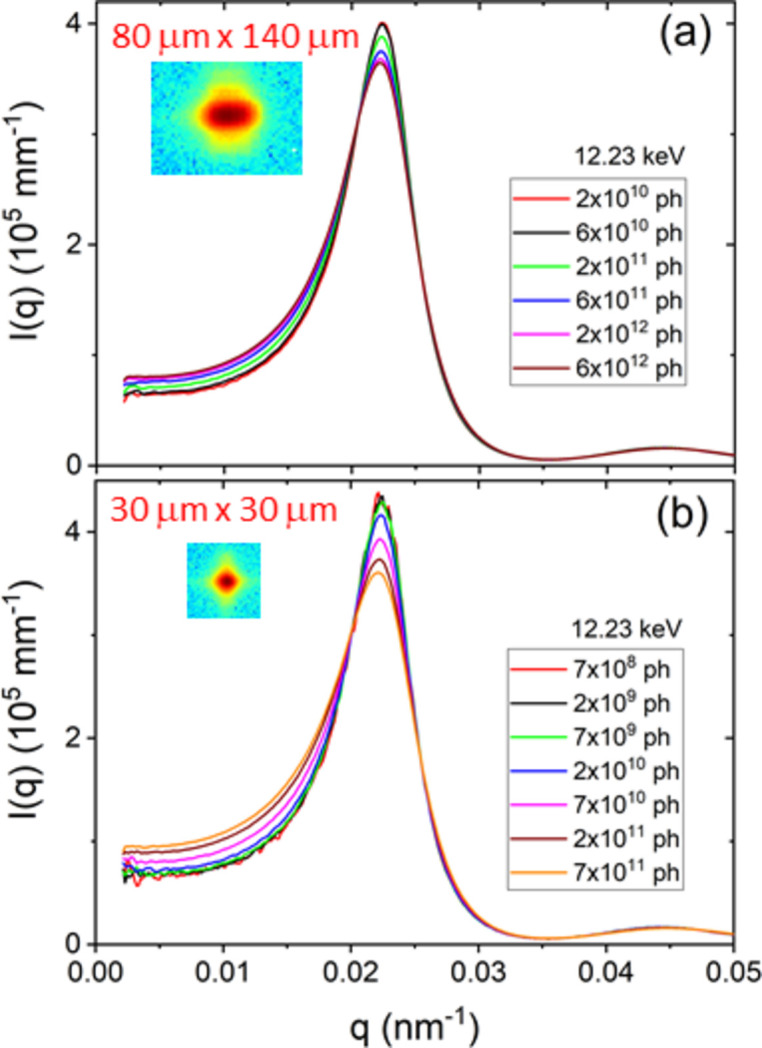
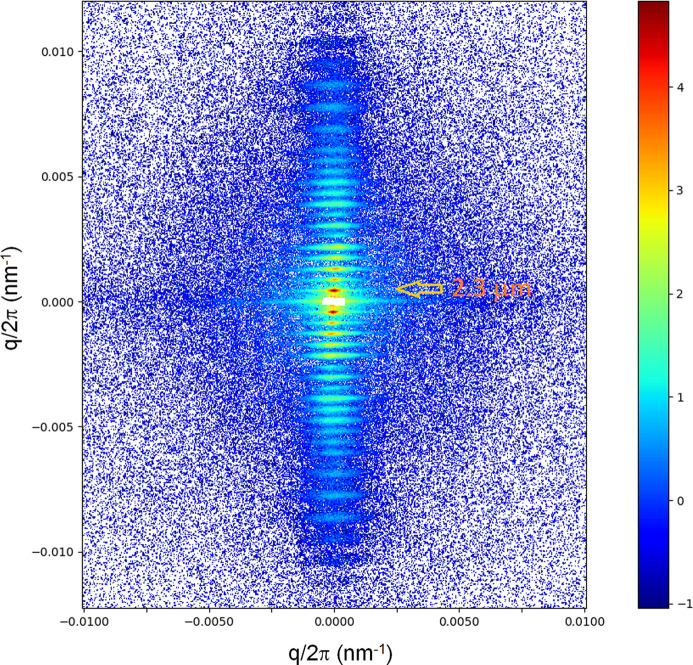
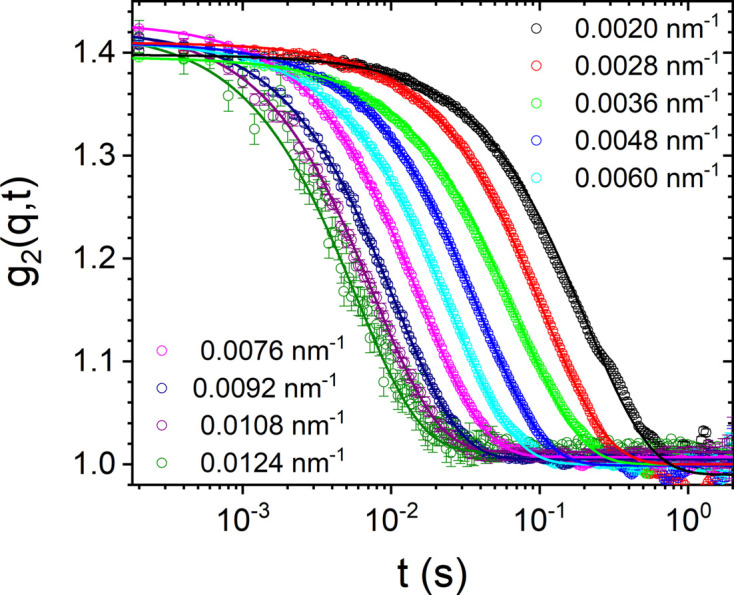
Recently, fourth-generation synchrotron sources with several orders of magnitude higher brightness and higher degree of coherence compared with third-generation sources have come into operation. These new X-ray sources offer exciting opportunities for the investigation of soft matter and biological specimens by small-angle X-ray scattering (SAXS) and related scattering methods. The improved beam properties together with the advanced pixel array detectors readily enhance the angular resolution of SAXS and ultra-small-angle X-ray scattering in the pinhole collimation. The high degree of coherence is a major boost for the X-ray photon correlation spectroscopy (XPCS) technique, enabling the equilibrium dynamics to be probed over broader time and length scales. This article presents some representative examples illustrating the performance of SAXS and XPCS with the Extremely Brilliant Source at the European Synchrotron Radiation Facility. The rapid onset of radiation damage is a significant challenge with the vast majority of samples, and appropriate protocols need to be adopted for circumventing this problem.
最近,与第三代光源相比,亮度高出几个数量级且相干度更高的第四代同步辐射光源已投入使用。这些新型X射线源为通过小角X射线散射(SAXS)及相关散射方法研究软物质和生物样本提供了令人兴奋的机会。改进后的光束特性与先进的像素阵列探测器相结合,能够轻松提高针孔准直中SAXS和超小角X射线散射的角分辨率。高相干度极大地推动了X射线光子相关光谱学(XPCS)技术的发展,使其能够在更广泛的时间和长度尺度上探测平衡动力学。本文介绍了一些具有代表性的例子,展示了在欧洲同步辐射装置使用极亮光源时SAXS和XPCS的性能。对于绝大多数样品而言,辐射损伤的快速出现是一个重大挑战,需要采用适当的方案来规避这一问题。