Department of Endocrinology, Shandong Provincial Hospital Affiliated to Shandong First Medical University, Jinan, Shandong, 250021, China.
Shandong Institute of Endocrine and Metabolic Diseases, Jinan, Shandong, 250021, China.
Orphanet J Rare Dis. 2023 Aug 9;18(1):234. doi: 10.1186/s13023-023-02849-5.
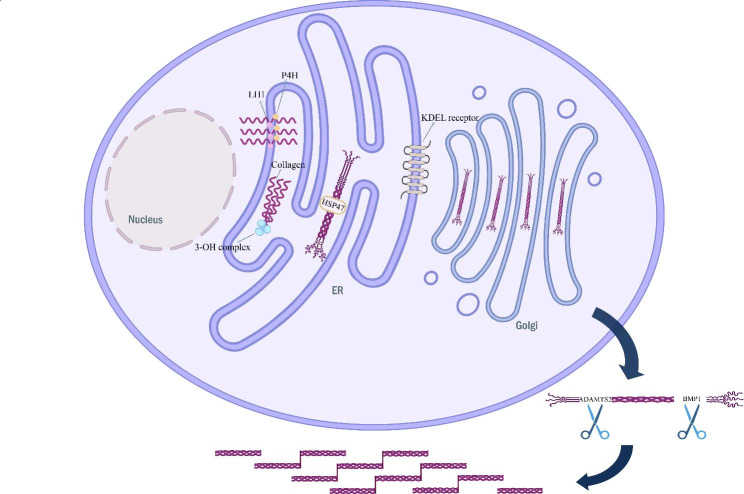
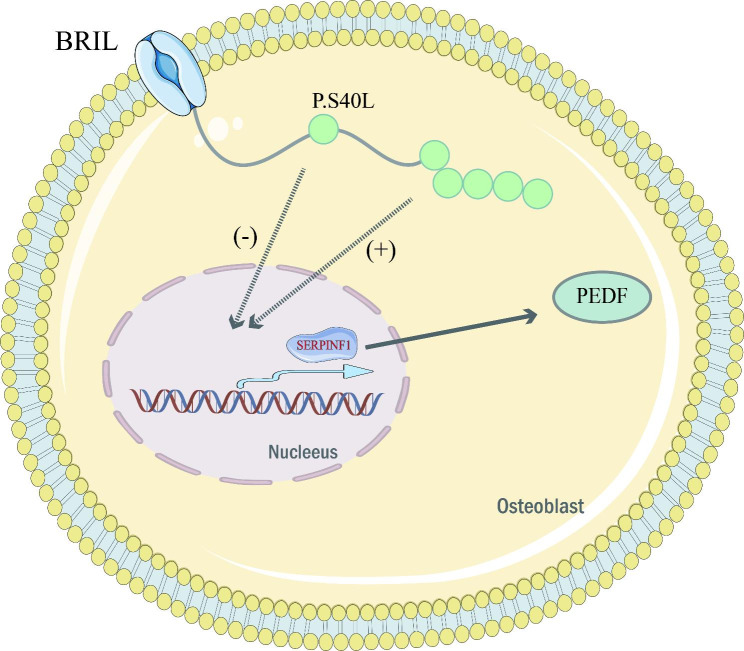
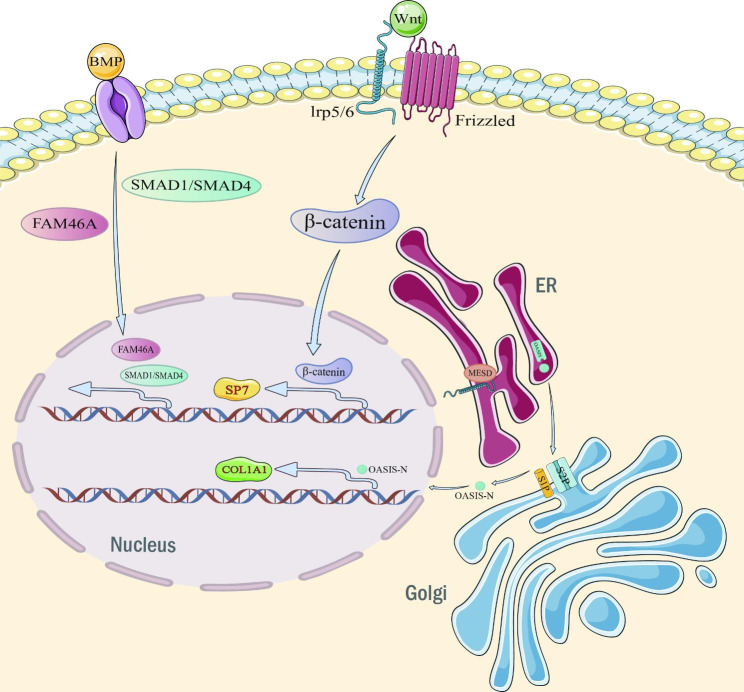
Osteogenesis imperfecta (OI) is a connective tissue disorder affecting the skeleton and other organs, which has multiple genetic patterns, numerous causative genes, and complex pathogenic mechanisms. The previous classifications lack structure and scientific basis and have poor applicability. In this paper, we summarize and sort out the pathogenic mechanisms of OI, and analyze the molecular pathogenic mechanisms of OI from the perspectives of type I collagen defects(synthesis defects, processing defects, post-translational modification defects, folding and cross-linking defects), bone mineralization disorders, osteoblast differentiation and functional defects respectively, and also generalize several new untyped OI-causing genes and their pathogenic mechanisms, intending to provide the evidence of classification and a scientific basis for the precise diagnosis and treatment of OI.
成骨不全症(OI)是一种影响骨骼和其他器官的结缔组织疾病,具有多种遗传模式、众多致病基因和复杂的发病机制。以前的分类缺乏结构和科学依据,适用性较差。本文总结和梳理了 OI 的发病机制,从Ⅰ型胶原缺陷(合成缺陷、加工缺陷、翻译后修饰缺陷、折叠和交联缺陷)、骨矿化障碍、成骨细胞分化和功能缺陷等方面分析了 OI 的分子发病机制,还总结了几种新的未分型 OI 致病基因及其发病机制,旨在为 OI 的分类提供证据,并为其精确诊断和治疗提供科学依据。