Department of Environmental Sciences, H.N.B. Garhwal University, Badshahi Thaul Campus, Tehri Garhwal, 249199, India.
Chitkara University School of Engineering and Technology, Chitkara University, Solan, Himachal Pradesh, India.
Sci Rep. 2023 Aug 11;13(1):13069. doi: 10.1038/s41598-023-40266-7.
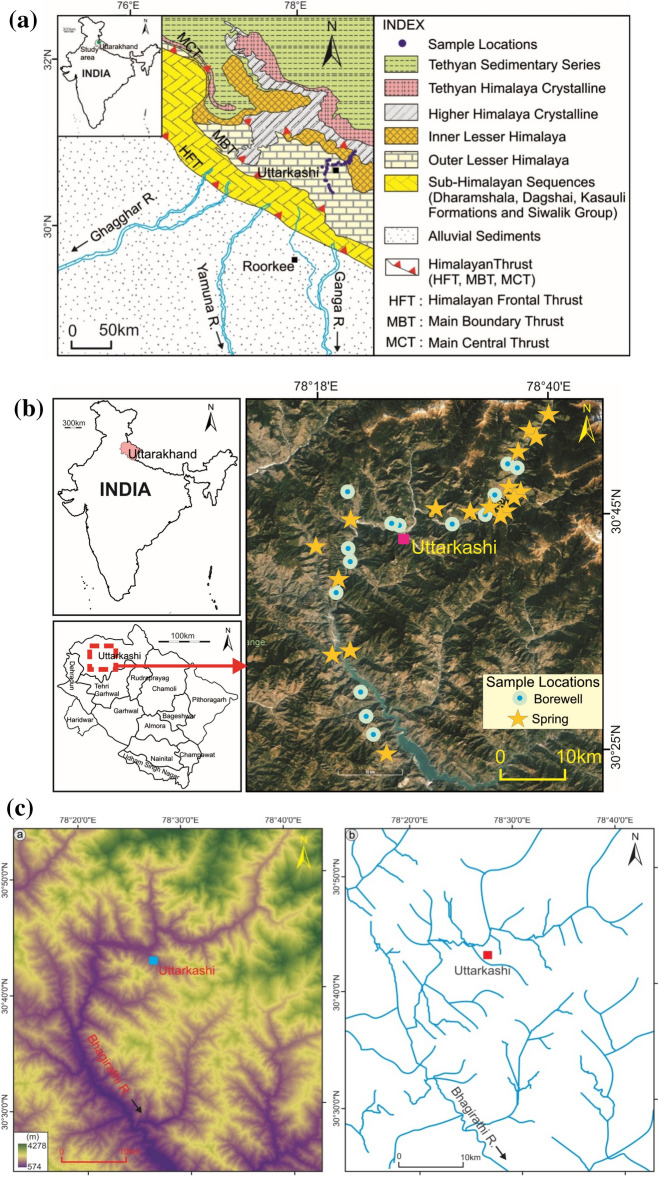
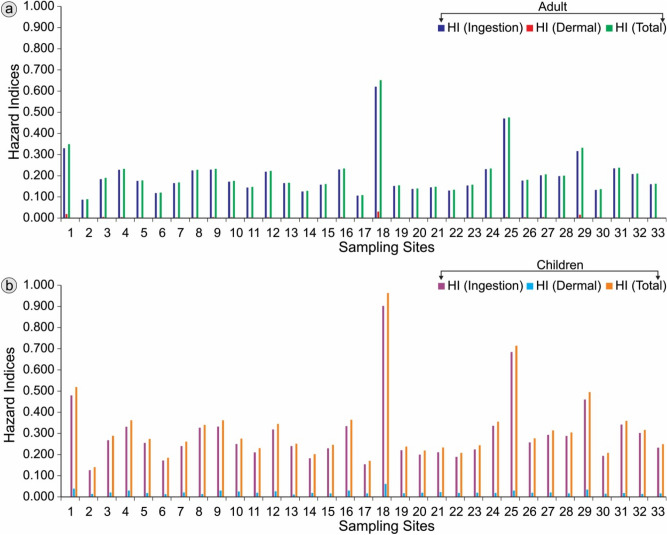
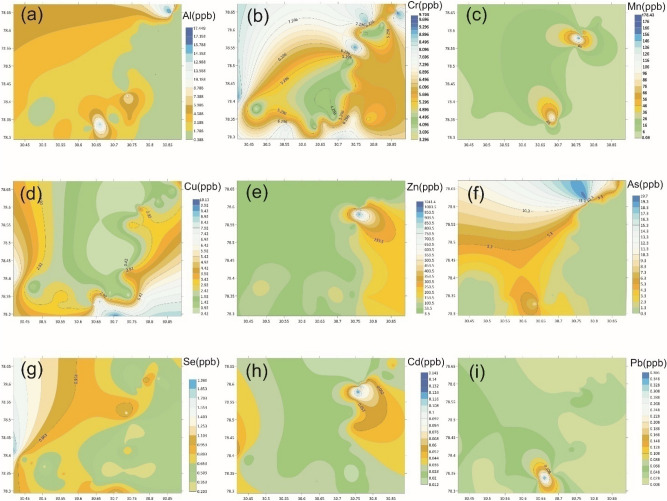
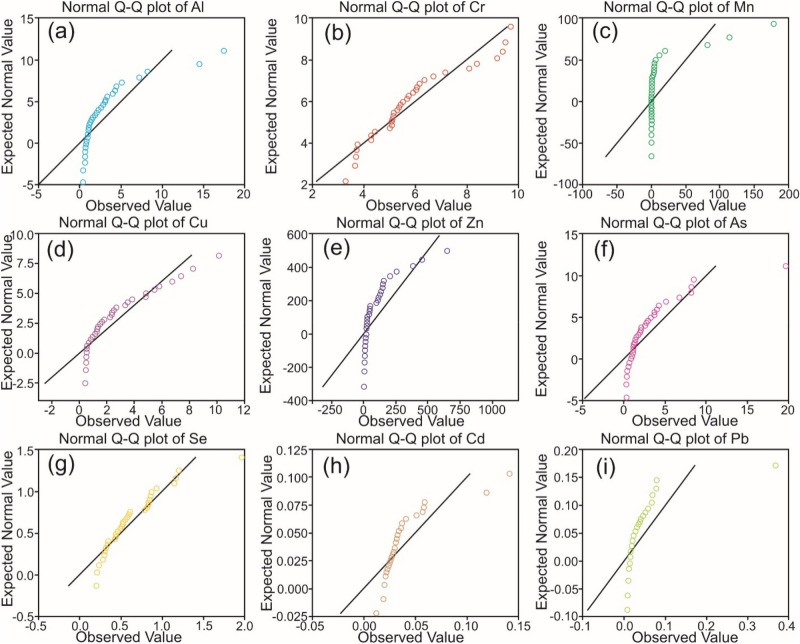
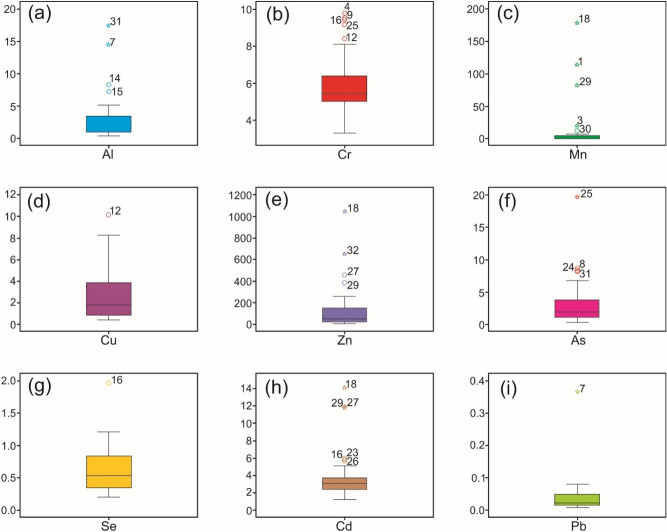
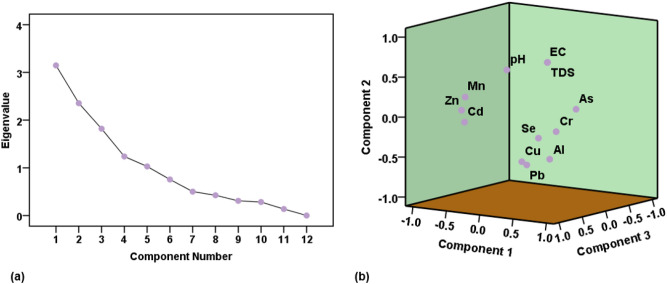
High concentrations of potentially toxic elements (PTEs) in potable water can cause severe human health disorders. Present study examined the fitness of groundwater for drinking purpose based on the occurrence of nine PTEs in a heavy pilgrim and tourist influx region of the Garhwal Himalaya, India. The concentrations of analyzed PTEs in groundwater were observed in the order of Zn > Mn > As > Al > Cu > Cr > Se > Pb > Cd. Apart from Mn and As, other PTEs were within the corresponding guideline values. Spatial maps were produced to visualize the distribution of the PTEs in the area. Estimated water pollution indices and non-carcinogenic risk indicated that the investigated groundwater is safe for drinking purpose, as the hazard index was < 1 for all the water samples. Assessment of the cancer risk of Cr, As, Cd, and Pb also indicated low health risks associated with groundwater use, as the values were within the acceptable range of ≤ 1 × 10 to 1 × 10. Multivariate statistical analyses were used to describe the various possible geogenic and anthropogenic sources of the PTEs in the groundwater resources although the contamination levels of the PTEs were found to pose no serious health risk. However, the present study recommends to stop the discharge of untreated wastewater and also to establish cost-effective as well as efficient water treatment facility nearby the study area. Present work's findings are vital as they may protect the health of the massive population from contaminated water consumption. Moreover, it can help the researchers, governing authorities and water supplying agencies to take prompt and appropriate decisions for water security.
高浓度的潜在有毒元素 (PTEs) 在饮用水中会导致严重的人类健康问题。本研究基于印度北阿坎德邦加瓦尔喜马拉雅山一个朝圣和游客大量涌入地区地下水中存在的 9 种 PTE,考察了地下水的饮用适宜性。地下水中分析的 PTE 浓度顺序为 Zn>Mn>As>Al>Cu>Cr>Se>Pb>Cd。除 Mn 和 As 外,其他 PTE 均在相应的指导值范围内。绘制了空间图以可视化该地区 PTE 的分布。估计的水污染指数和非致癌风险表明,所调查的地下水可安全饮用,因为所有水样的危害指数均<1。对 Cr、As、Cd 和 Pb 的致癌风险评估也表明,与地下水使用相关的健康风险较低,因为这些值在可接受的范围内(≤1×10-1×10)。多元统计分析用于描述地下水中 PTE 的各种可能的地球成因和人为来源,尽管 PTE 的污染水平被认为不会造成严重的健康风险。然而,本研究建议停止未经处理的废水排放,并在研究区域附近建立经济高效且有效的水处理设施。本研究的结果至关重要,因为它们可以保护大量人口免受污染水的影响。此外,它可以帮助研究人员、政府当局和供水机构为水安全做出及时和适当的决策。