Pathogen-Host Interface Laboratory, Department of Cell Biology, Institute of Biology, University of Brasília, Brasília, DF, Brazil.
Federal Institute of Goiás, Formosa, Brazil.
Sci Rep. 2023 Aug 12;13(1):13120. doi: 10.1038/s41598-023-40353-9.
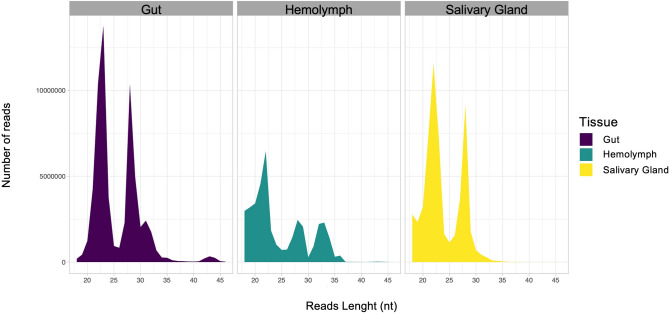
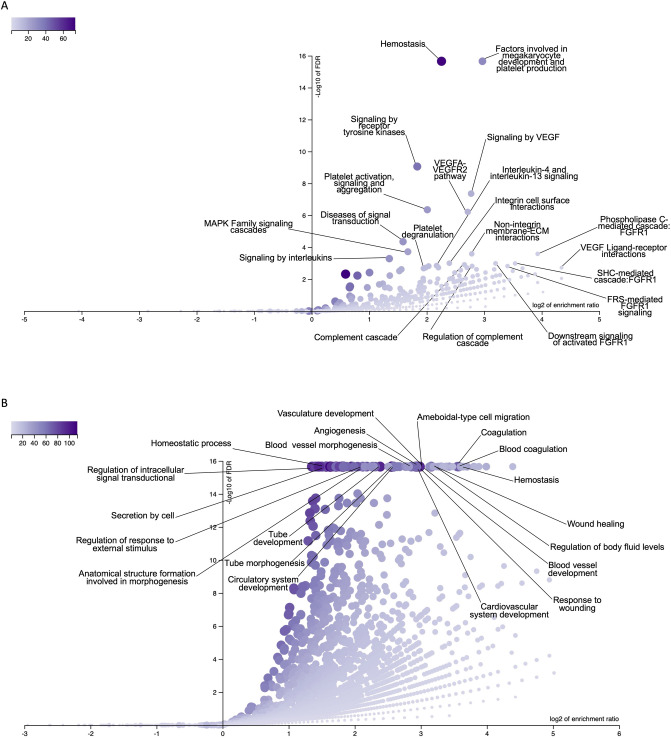
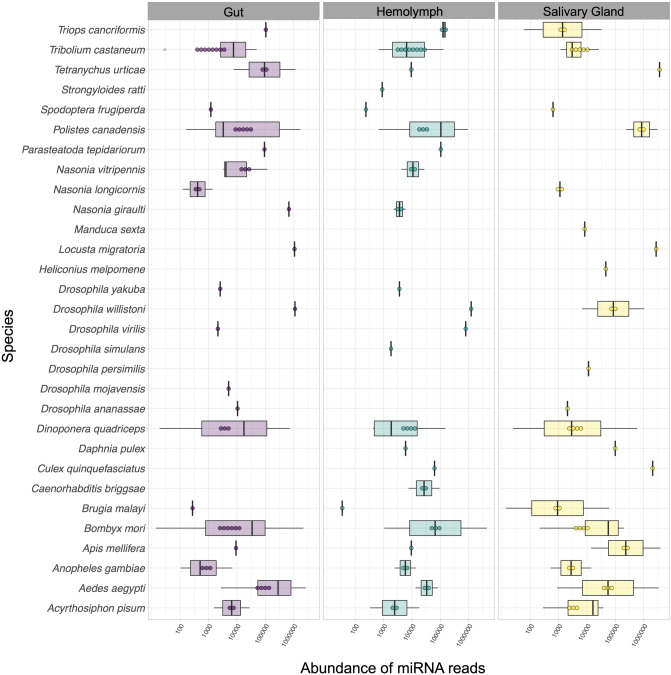
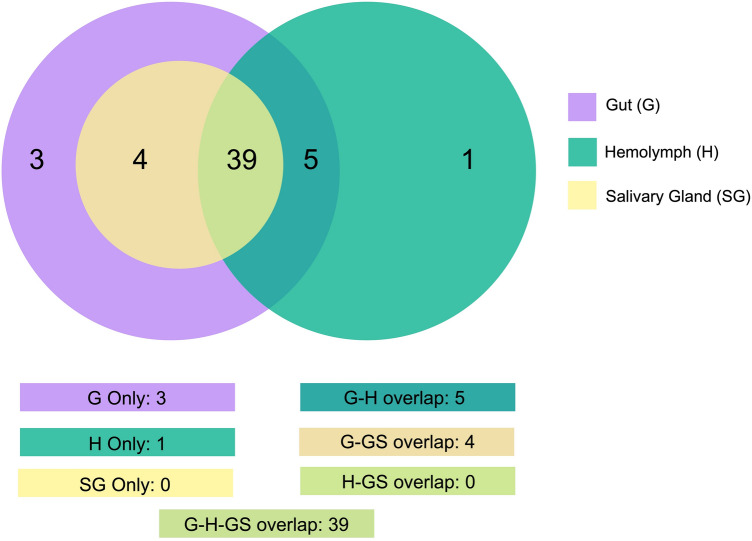
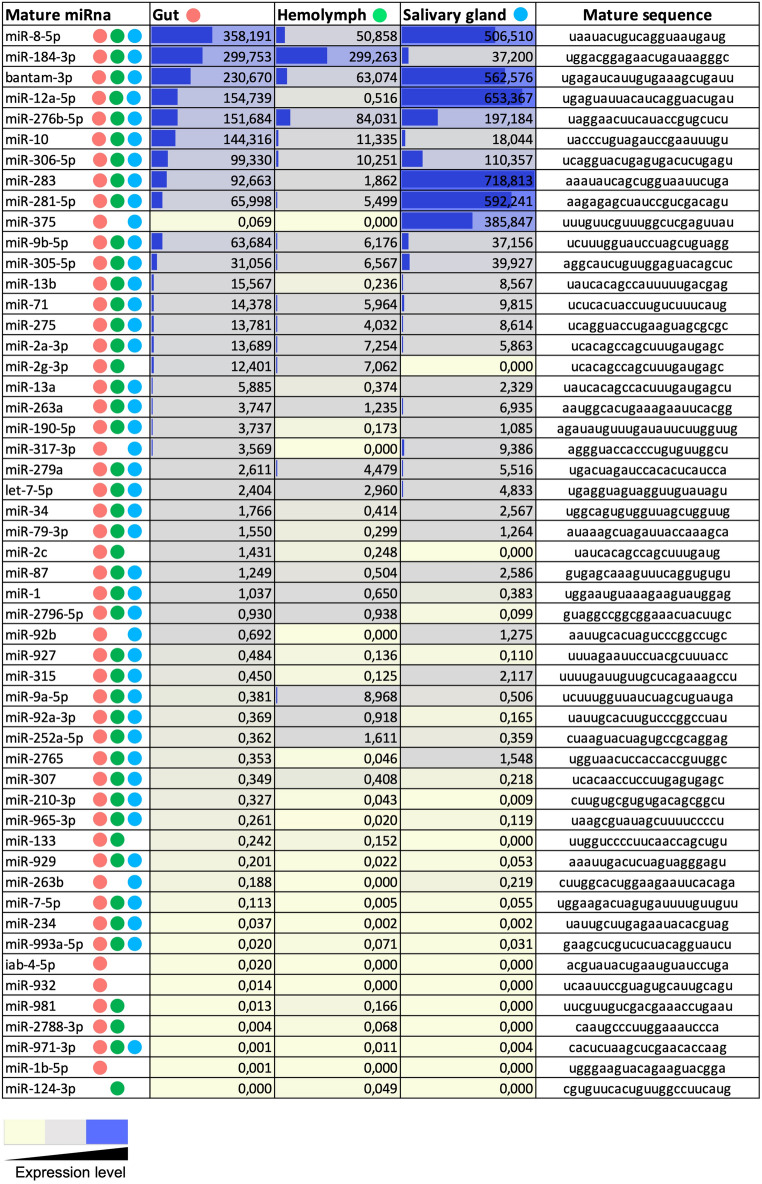
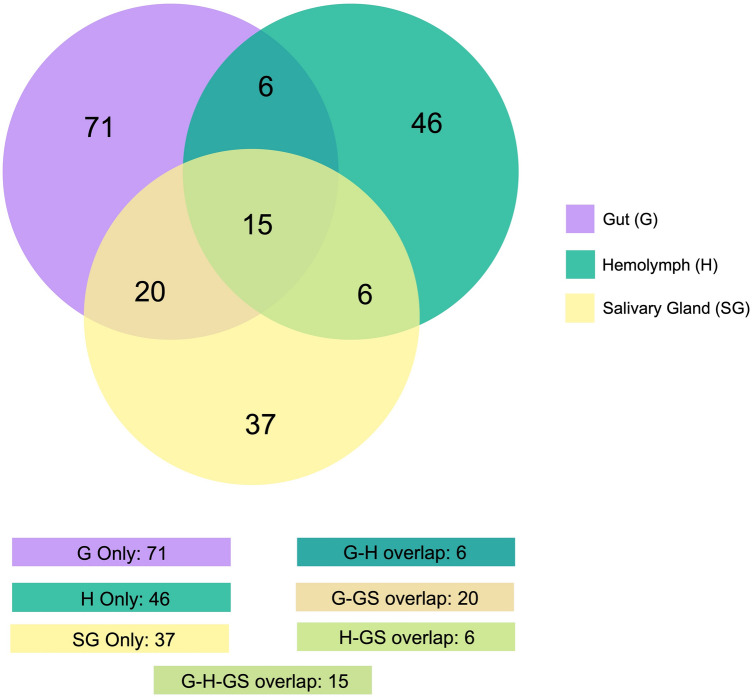
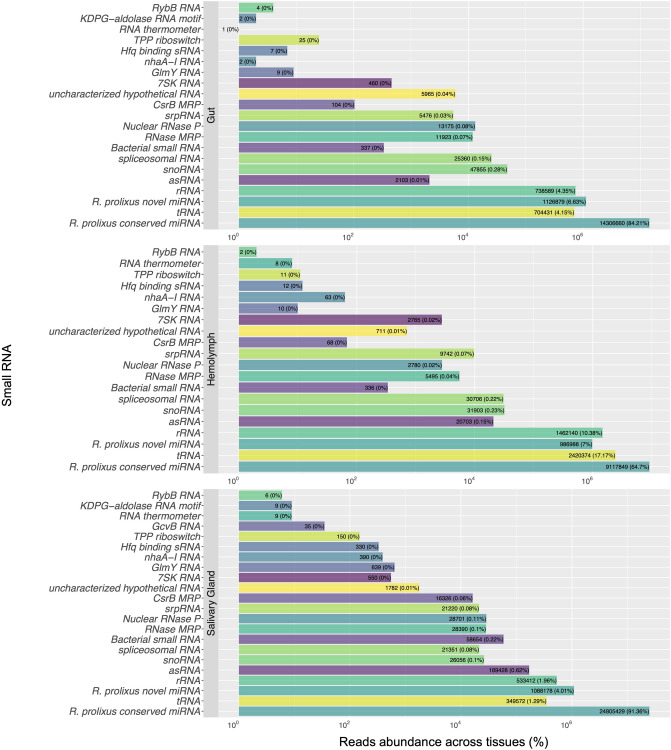
The growing interest in microRNAs (miRNAs) over recent years has led to their characterization in numerous organisms. However, there is currently a lack of data available on miRNAs from triatomine bugs (Reduviidae: Triatominae), which are the vectors of the protozoan parasite Trypanosoma cruzi, the causative agent of Chagas disease. A comprehensive understanding of the molecular biology of vectors provides new insights into insect-host interactions and insect control approaches, which are key methods to prevent disease incidence in endemic areas. In this work, we describe the miRNome profiles from gut, hemolymph, and salivary gland tissues of the Rhodnius prolixus triatomine. Small RNA sequencing data revealed abundant expression of miRNAs, along with tRNA- and rRNA-derived fragments. Fifty-two mature miRNAs, previously reported in Ecdysozoa, were identified, including 39 ubiquitously expressed in the three tissues. Additionally, 112, 73, and 78 novel miRNAs were predicted in the gut, hemolymph, and salivary glands, respectively. In silico prediction showed that the top eight most highly expressed miRNAs from salivary glands potentially target human blood-expressed genes, suggesting that R. prolixus may modulate the host's gene expression at the bite site. This study provides the first characterization of miRNAs in a Triatominae species, shedding light on the role of these crucial regulatory molecules.
近年来,人们对 microRNAs(miRNAs)的兴趣日益浓厚,导致它们在许多生物中得到了描述。然而,目前关于三锥虫(Reduviidae:Triatominae)的 miRNA 数据仍然缺乏,三锥虫是原生动物寄生虫克氏锥虫(Trypanosoma cruzi)的载体,也是恰加斯病的病原体。对媒介物的分子生物学的全面了解为昆虫-宿主相互作用和昆虫控制方法提供了新的见解,这些方法是预防流行地区疾病发生的关键方法。在这项工作中,我们描述了 Rhodnius prolixus 三锥虫的肠道、血淋巴和唾液腺组织的 miRNome 图谱。小 RNA 测序数据显示丰富的 miRNA 表达,以及 tRNA 和 rRNA 衍生片段。鉴定出 52 种成熟的 miRNA,这些 miRNA 以前在节肢动物中报道过,包括在三种组织中普遍表达的 39 种。此外,分别在肠道、血淋巴和唾液腺中预测到 112、73 和 78 种新的 miRNA。计算机预测表明,唾液腺中表达量最高的前 8 个 miRNA 可能靶向人类血液表达的基因,这表明 R. prolixus 可能在叮咬部位调节宿主的基因表达。本研究首次对三锥虫物种中的 miRNAs 进行了描述,揭示了这些关键调节分子的作用。