Wang Junyu, Zhao Xiaohua, Zhou Ruihan, Wang Meiyu, Xiang Wu, You Zilong, Li Min, Tang Ruiling, Zheng Jingqi, Li Jiayu, Zhu Li, Gao Jiaxin, Li Huaqiang, Pang Rizhao, Zhang Anren
State Key Laboratory of Biotherapy, West China Hospital, Sichuan University, Chengdu, China.
Department of Rehabilitation Medicine, General Hospital of Western Theater Command, Chengdu, China.
Front Microbiol. 2023 Jul 28;14:1206909. doi: 10.3389/fmicb.2023.1206909. eCollection 2023.
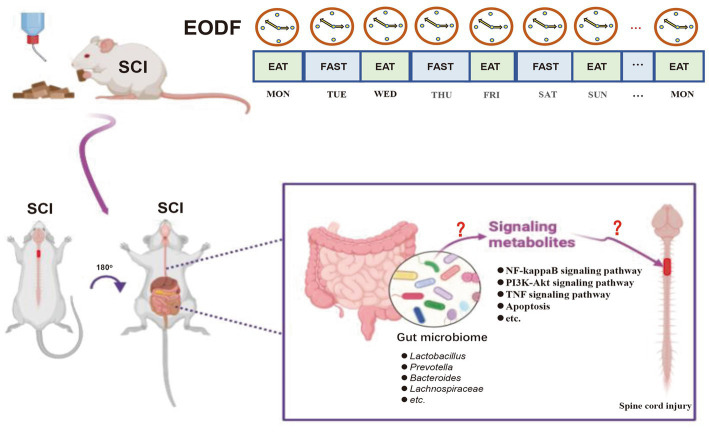
Every-other-day fasting (EODF) is a classical intermittent fasting (IF) mode with neuroprotective effects that promotes motor function recovery after spinal cord injury (SCI) in rats. However, its dynamic effects on the gut microbiota and spinal cord transcriptome remain unknown.
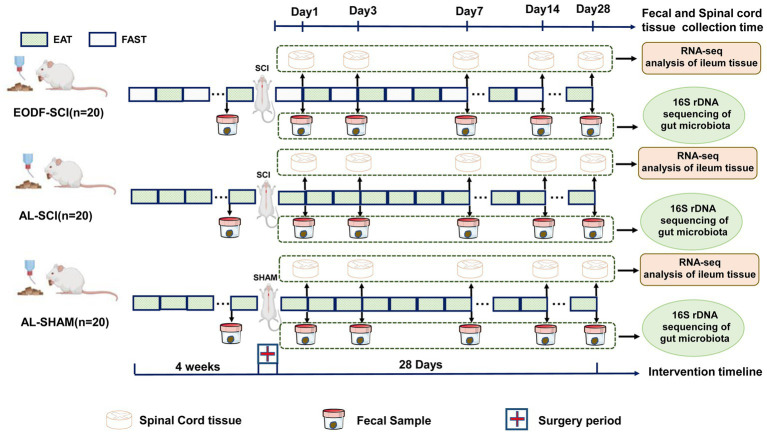
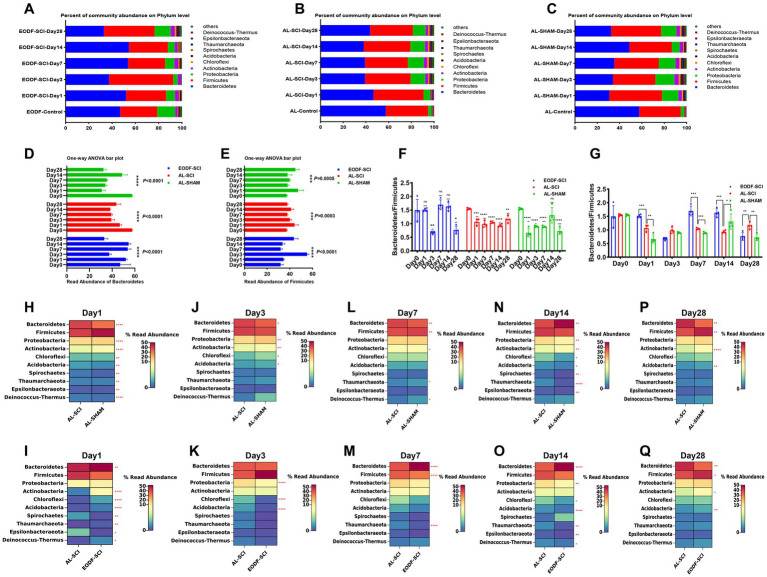
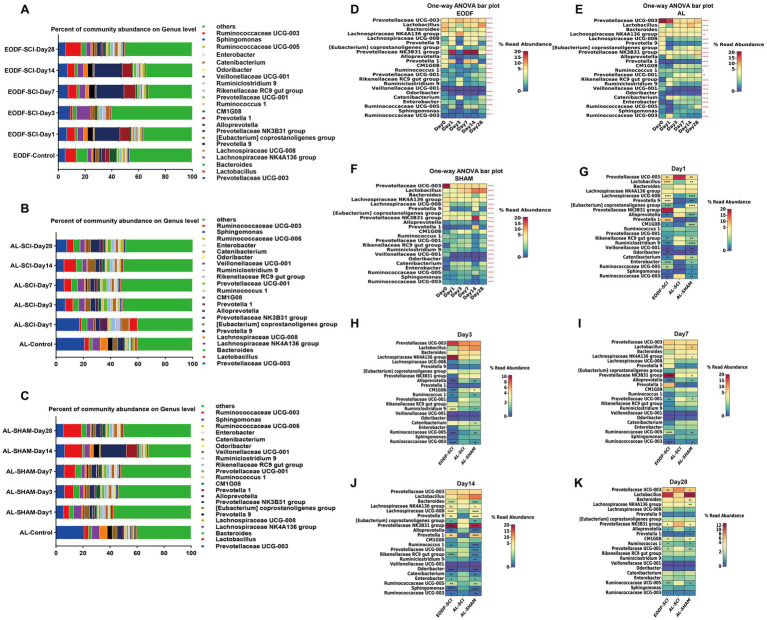
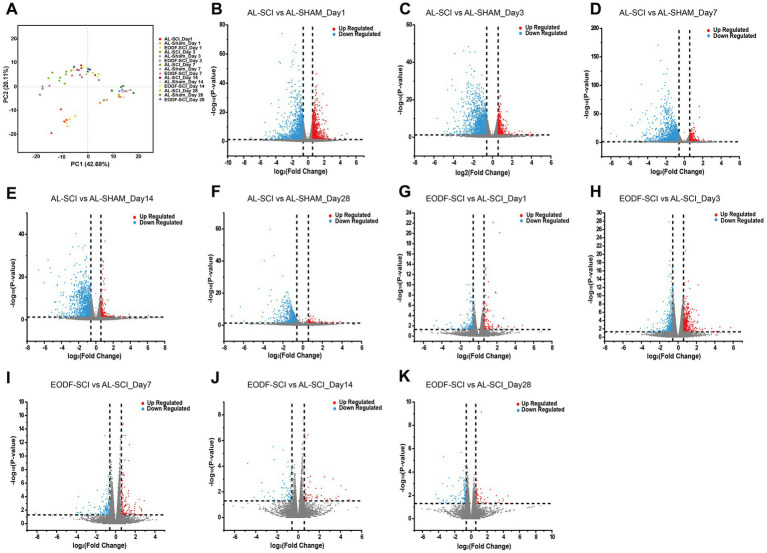
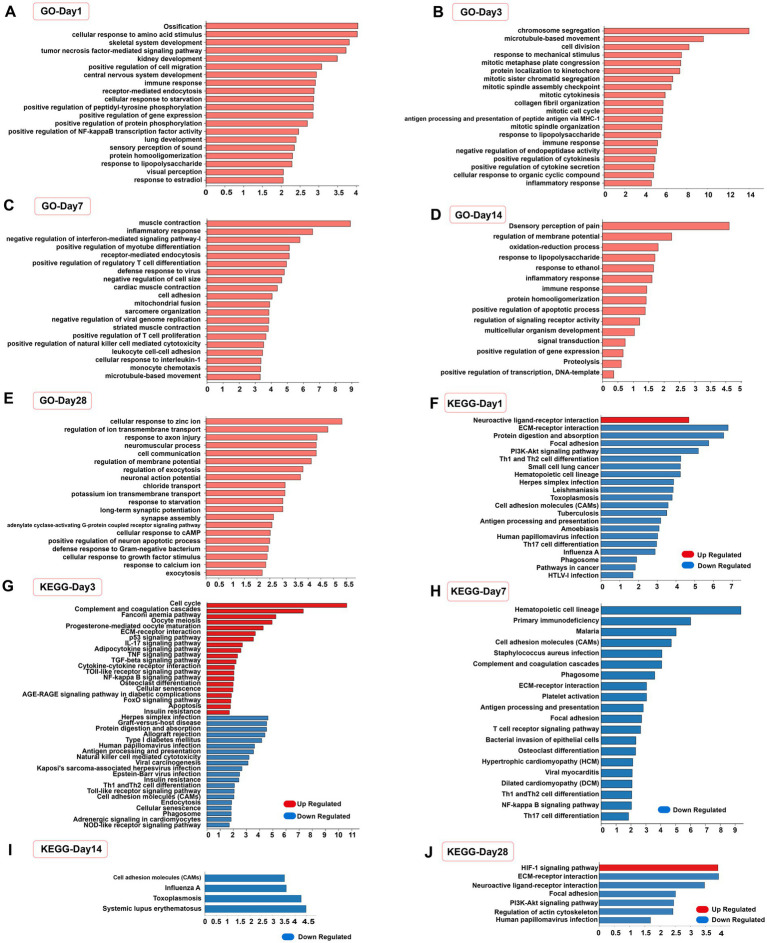
In this study, 16S rRNA sequencing and RNA-seq analysis were used to investigate the effects of ad libitum (AL) and EODF dietary modes on the structural characteristics of rat gut microbiota in rats and the spinal cord transcriptome at various time points after SCI induction.
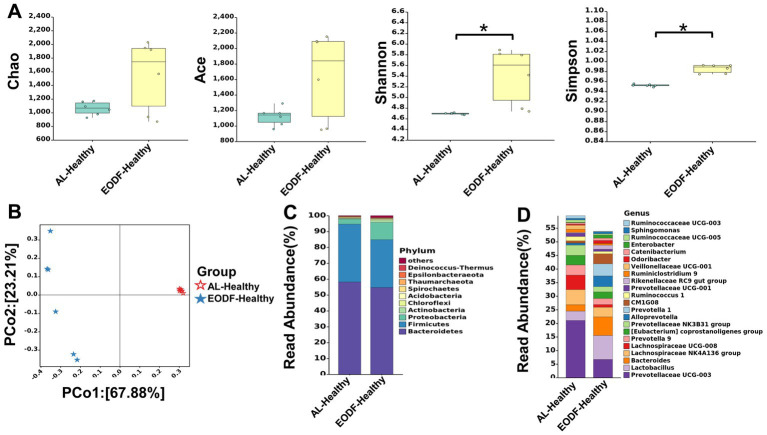
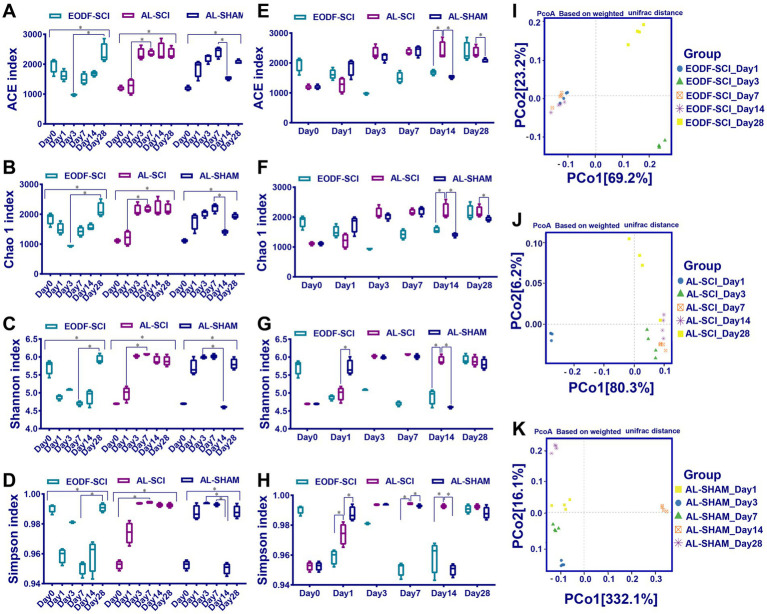
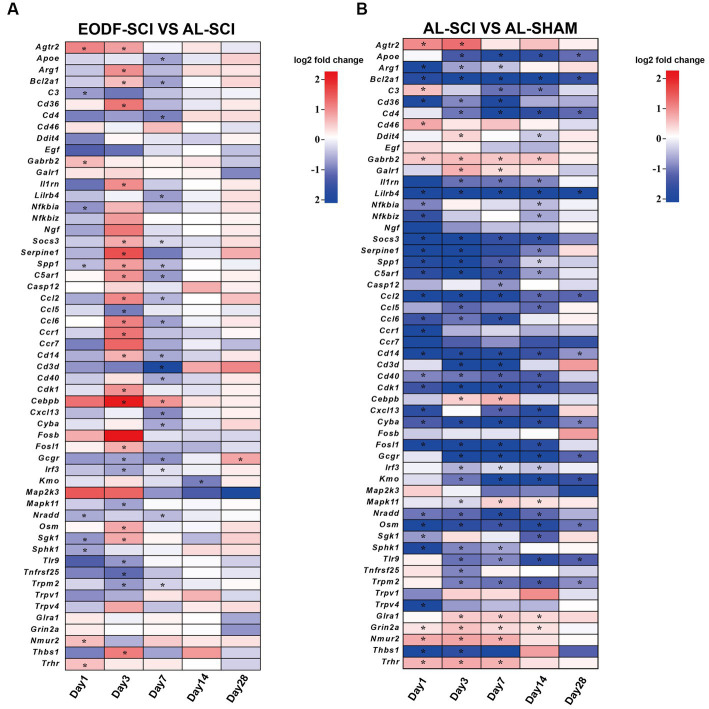
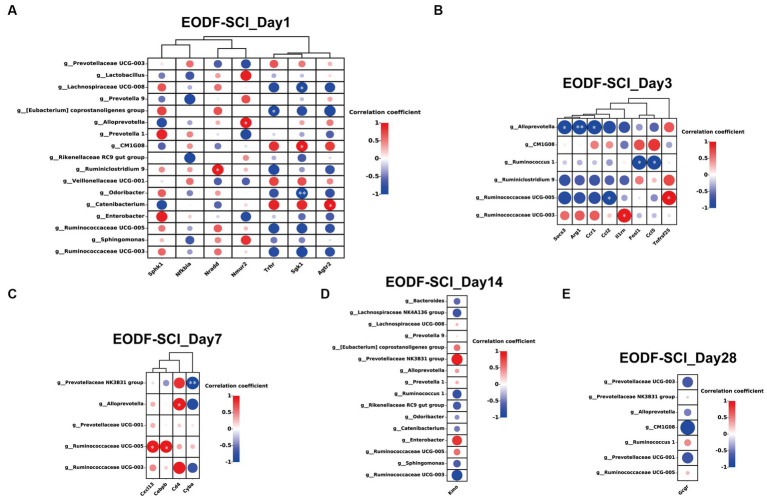
Our results showed that both dietary modes affected the bacterial community composition in SCI rats, with EODF treatment inducing and suppressing dynamic changes in the abundances of potentially anti-inflammatory and pro-inflammatory bacteria. Furthermore, the differentially expressed genes (DEGs) enriched after EODF intervention in SCI rats were associated with various biological events, including immune inflammatory response, cell differentiation, protein modification, neural growth, and apoptosis. In particular, significant spatiotemporal differences were apparent in the DEGs associated with neuroprotection between the EODF and AL interventions. These DGEs were mainly focused on days 1, 3, and 7 after SCI. The relative abundance of certain genera was significantly correlated with DEGs associated with neuroprotective effects in the EODF-SCI group.
Our results showed that EODF treatment may exert neuroprotective effects by modulating the transcriptome expression profile following SCI in rats. Furthermore, gut microbiota may be partially involved in mediating these effects.
隔日禁食(EODF)是一种经典的间歇性禁食(IF)模式,具有神经保护作用,可促进大鼠脊髓损伤(SCI)后运动功能恢复。然而,其对肠道微生物群和脊髓转录组的动态影响尚不清楚。
在本研究中,采用16S rRNA测序和RNA-seq分析,研究随意进食(AL)和EODF饮食模式对SCI诱导后不同时间点大鼠肠道微生物群结构特征和脊髓转录组的影响。
我们的结果表明,两种饮食模式均影响SCI大鼠的细菌群落组成,EODF处理诱导并抑制了潜在抗炎和促炎细菌丰度的动态变化。此外,SCI大鼠EODF干预后富集的差异表达基因(DEG)与各种生物学事件相关,包括免疫炎症反应、细胞分化、蛋白质修饰、神经生长和细胞凋亡。特别是,EODF和AL干预之间与神经保护相关的DEG存在明显的时空差异。这些DGE主要集中在SCI后的第1、3和7天。EODF-SCI组中某些属的相对丰度与与神经保护作用相关的DEG显著相关。
我们的结果表明,EODF处理可能通过调节大鼠SCI后的转录组表达谱发挥神经保护作用。此外,肠道微生物群可能部分参与介导这些作用。