Murphy Dylan, Salataj Eralda, Di Giammartino Dafne Campigli, Rodriguez-Hernaez Javier, Kloetgen Andreas, Garg Vidur, Char Erin, Uyehara Christopher M, Ee Ly-Sha, Lee UkJin, Stadtfeld Matthias, Hadjantonakis Anna-Katerina, Tsirigos Aristotelis, Polyzos Alexander, Apostolou Effie
Sanford I. Weill Department of Medicine, Sandra and Edward Meyer Cancer Center, Weill Cornell Medicine, New York, NY, United States.
3D Chromatin Conformation and RNA genomics laboratory, Instituto Italiano di Tecnologia (IIT), Center for Human Technologies (CHT), Genova, Italy (current affiliation).
bioRxiv. 2023 Jul 19:2023.07.19.549714. doi: 10.1101/2023.07.19.549714.
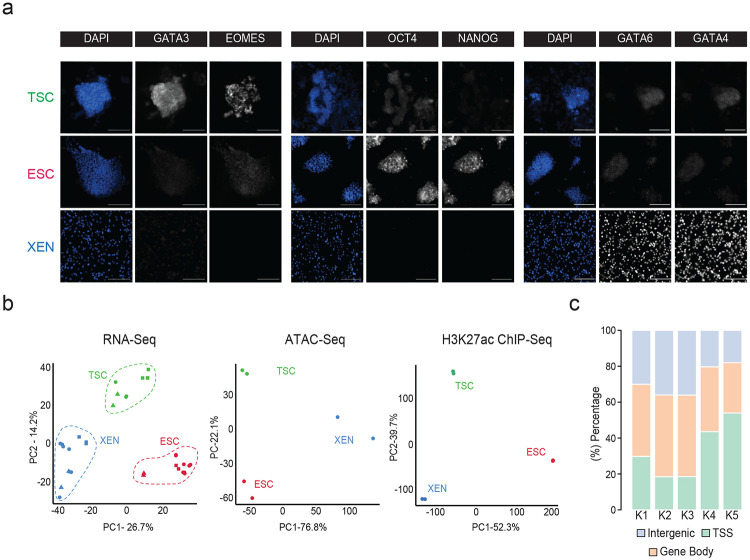
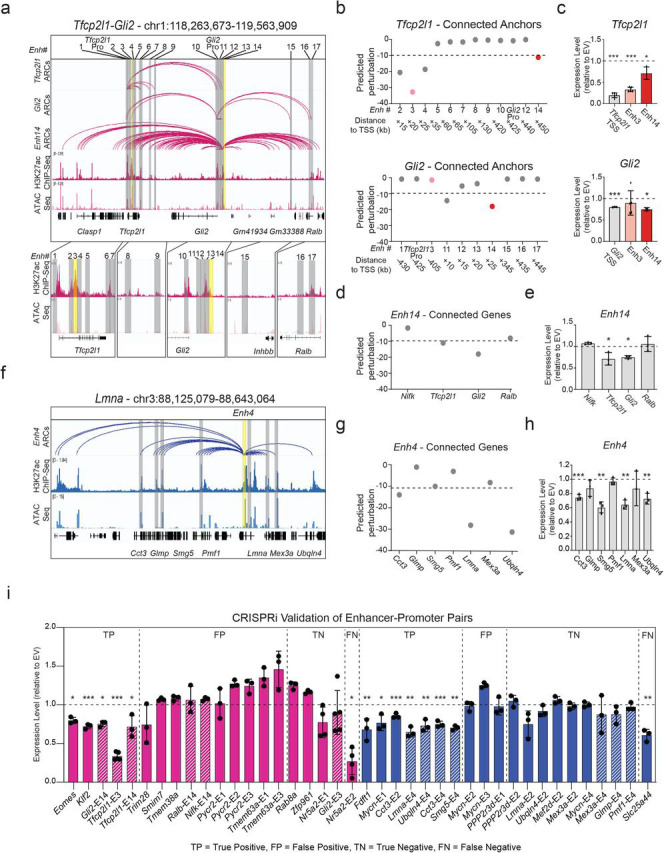
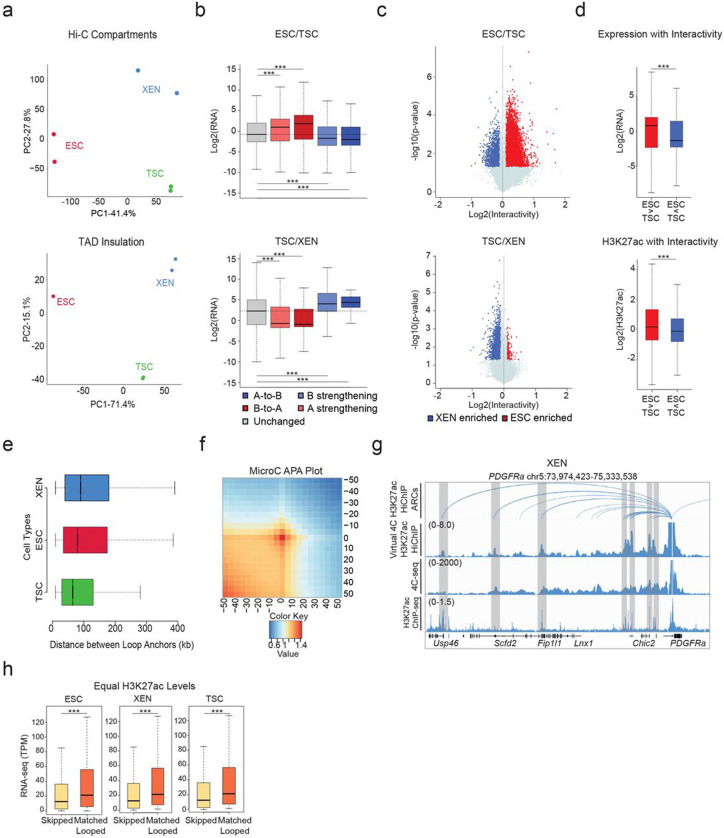
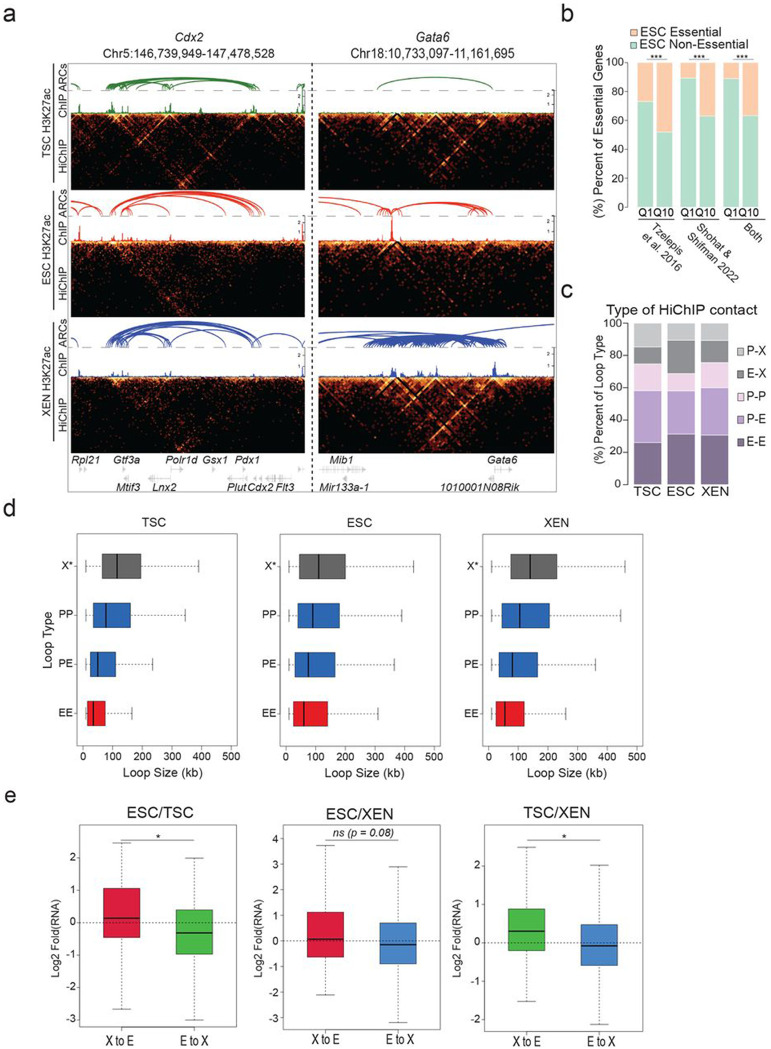
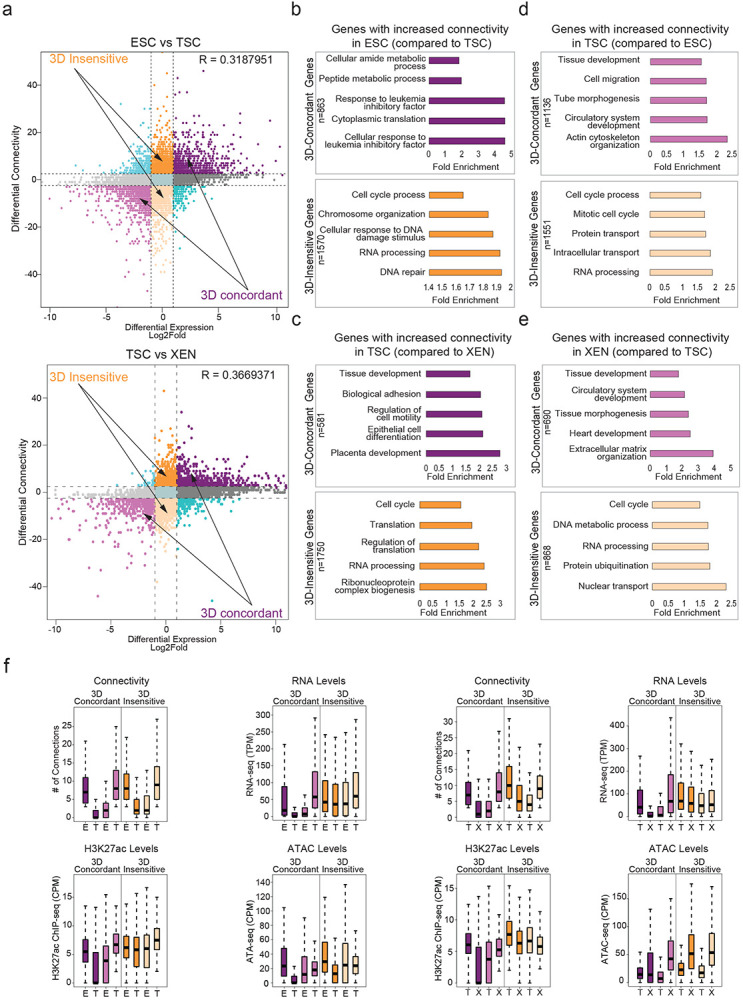
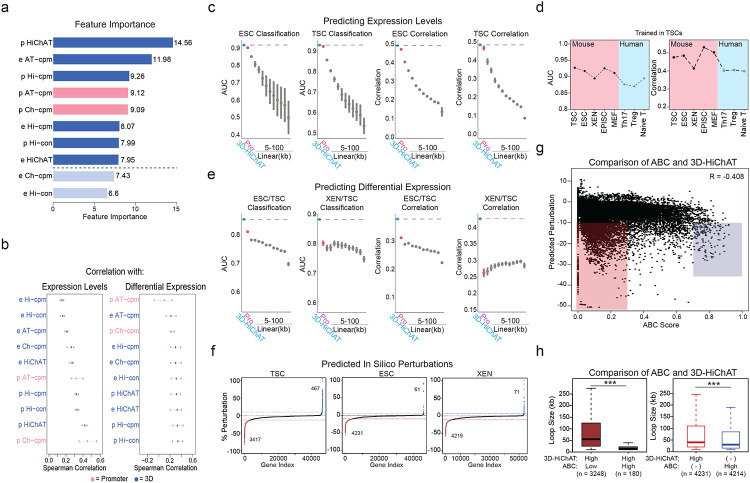
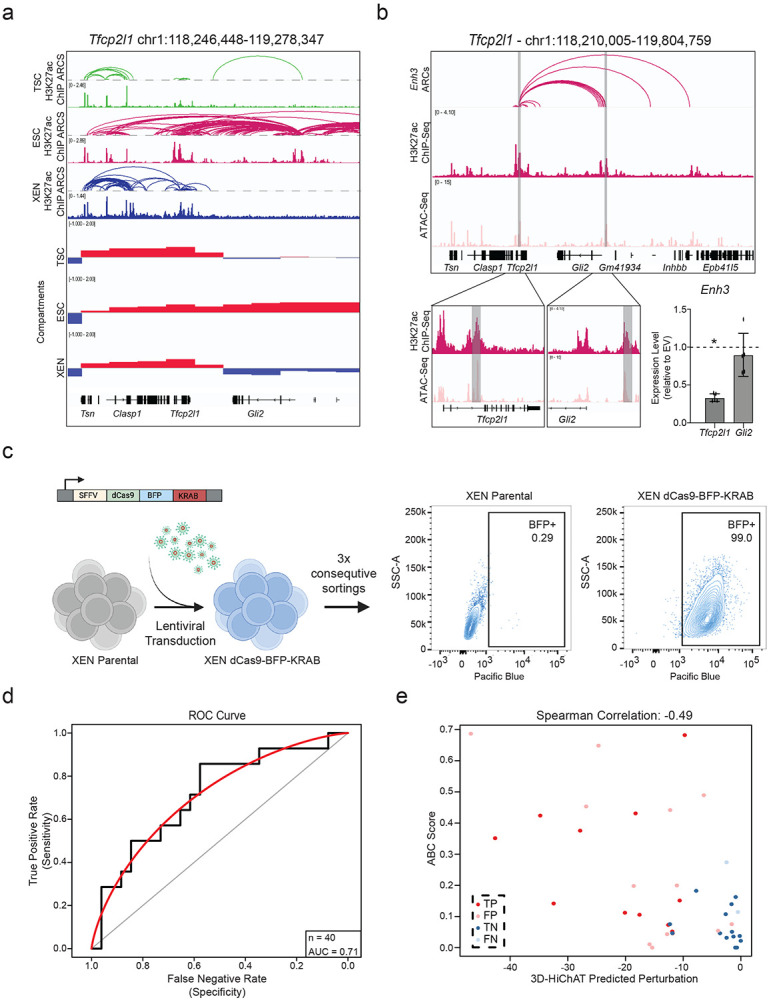
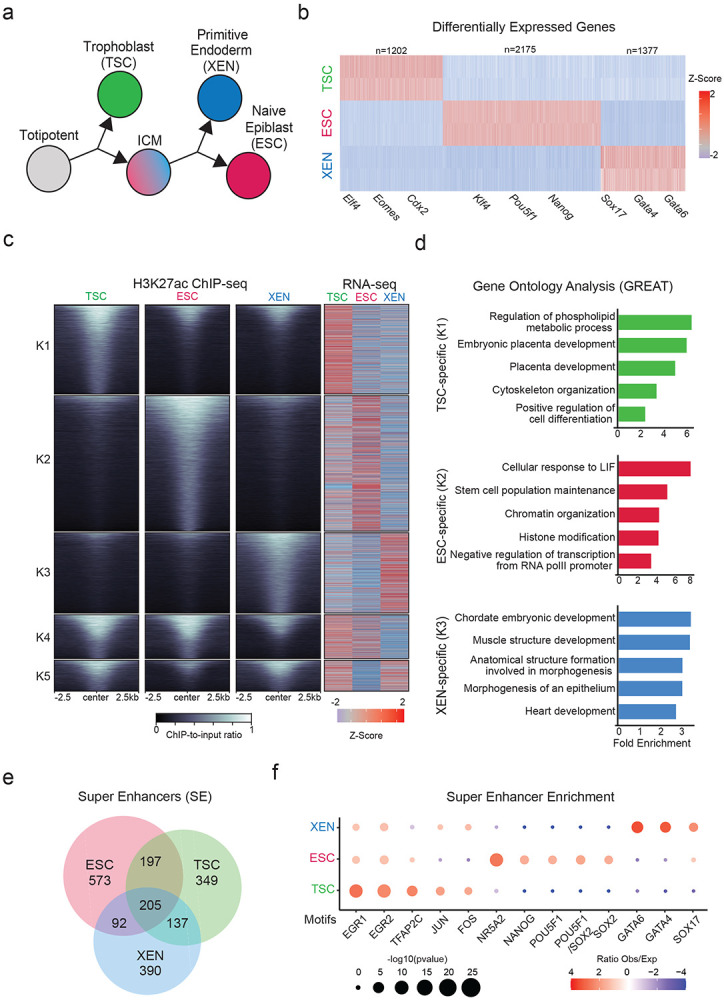
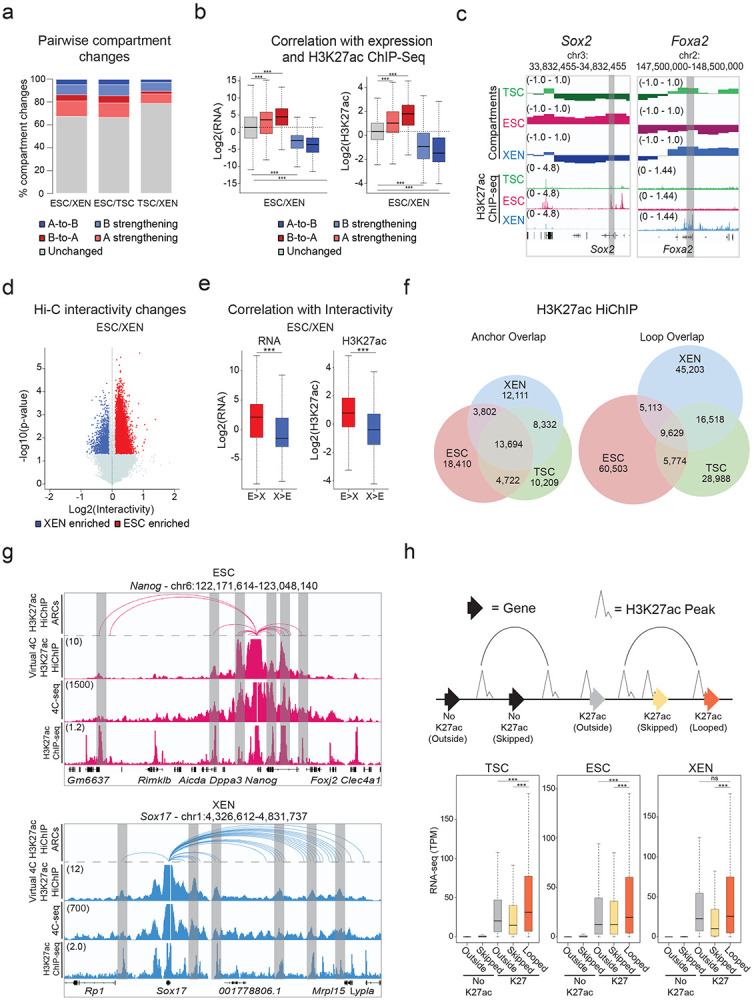
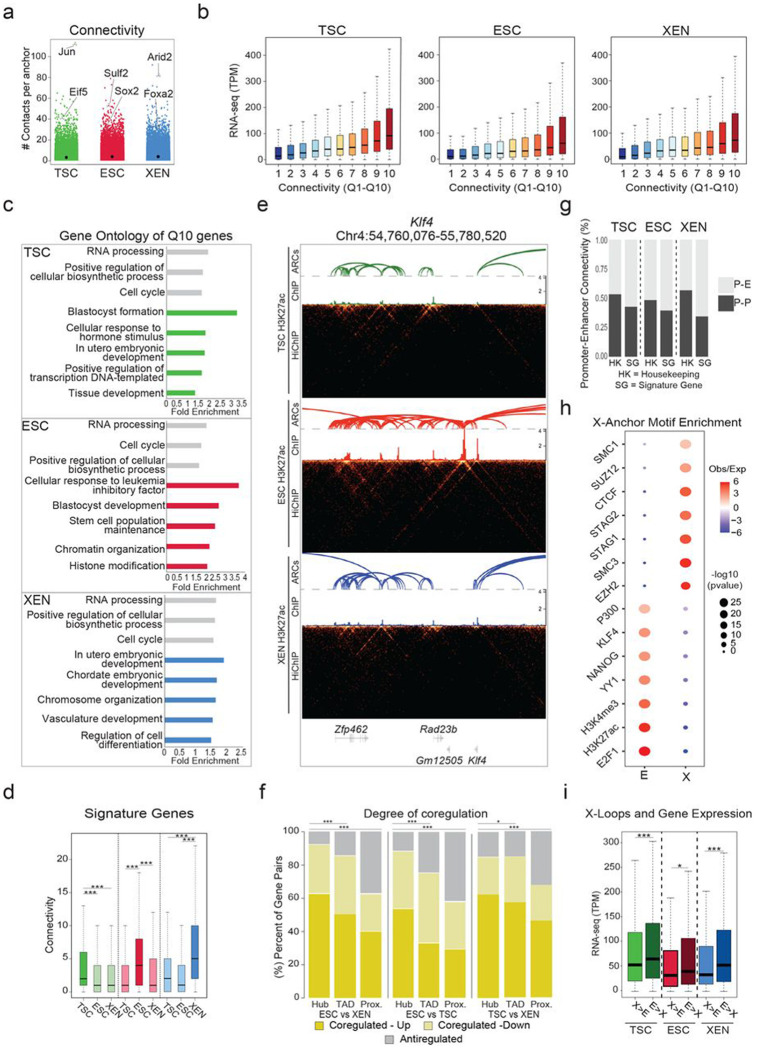
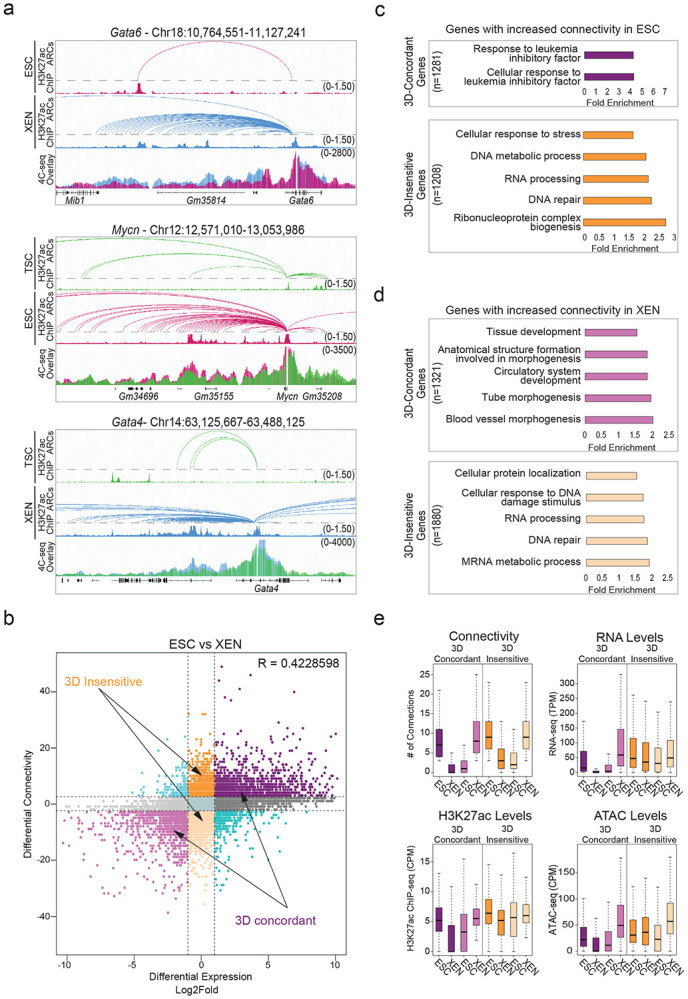
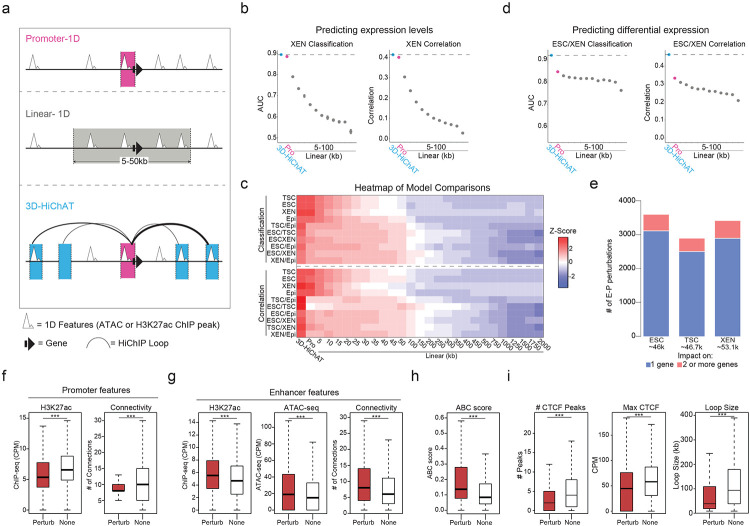
Mammalian embryogenesis commences with two pivotal and binary cell fate decisions that give rise to three essential lineages, the trophectoderm (TE), the epiblast (EPI) and the primitive endoderm (PrE). Although key signaling pathways and transcription factors that control these early embryonic decisions have been identified, the non-coding regulatory elements via which transcriptional regulators enact these fates remain understudied. To address this gap, we have characterized, at a genome-wide scale, enhancer activity and 3D connectivity in embryo-derived stem cell lines that represent each of the early developmental fates. We observed extensive enhancer remodeling and fine-scale 3D chromatin rewiring among the three lineages, which strongly associate with transcriptional changes, although there are distinct groups of genes that are irresponsive to topological changes. In each lineage, a high degree of connectivity or "hubness" positively correlates with levels of gene expression and enriches for cell-type specific and essential genes. Genes within 3D hubs also show a significantly stronger probability of coregulation across lineages, compared to genes in linear proximity or within the same contact domains. By incorporating 3D chromatin features, we build a novel predictive model for transcriptional regulation (3D-HiChAT), which outperformed models that use only 1D promoter or proximal variables in predicting levels and cell-type specificity of gene expression. Using 3D-HiChAT, we performed genome-wide perturbations to nominate candidate functional enhancers and hubs in each cell lineage, and with CRISPRi experiments we validated several novel enhancers that control expression of one or more genes in their respective lineages. Our study comprehensively identifies 3D regulatory hubs associated with the earliest mammalian lineages and describes their relationship to gene expression and cell identity, providing a framework to understand lineage-specific transcriptional behaviors.
哺乳动物胚胎发育始于两个关键的二元细胞命运决定,这两个决定产生了三个基本谱系,即滋养外胚层(TE)、上胚层(EPI)和原始内胚层(PrE)。尽管已经确定了控制这些早期胚胎决定的关键信号通路和转录因子,但转录调节因子通过其发挥这些命运作用的非编码调控元件仍未得到充分研究。为了填补这一空白,我们在全基因组范围内,对代表每个早期发育命运的胚胎衍生干细胞系中的增强子活性和三维连接性进行了表征。我们观察到三个谱系之间存在广泛的增强子重塑和精细尺度的三维染色质重排,这与转录变化密切相关,尽管有不同组的基因对拓扑变化无反应。在每个谱系中,高度的连接性或“中心性”与基因表达水平呈正相关,并富集细胞类型特异性和必需基因。与线性邻近或同一接触域内的基因相比,三维中心内的基因在不同谱系间共调控的可能性也显著更高。通过整合三维染色质特征,我们构建了一种新的转录调控预测模型(3D-HiChAT),该模型在预测基因表达水平和细胞类型特异性方面优于仅使用一维启动子或近端变量的模型。使用3D-HiChAT,我们在全基因组范围内进行了扰动,以在每个细胞谱系中提名候选功能增强子和中心,并且通过CRISPRi实验,我们验证了几个控制各自谱系中一个或多个基因表达的新型增强子。我们的研究全面鉴定了与最早的哺乳动物谱系相关的三维调控中心,并描述了它们与基因表达和细胞身份的关系,为理解谱系特异性转录行为提供了一个框架。