Department of Biological Sciences, Louisiana State University, Baton Rouge, LA, USA.
Nat Aging. 2023 Sep;3(9):1091-1106. doi: 10.1038/s43587-023-00470-6. Epub 2023 Aug 14.
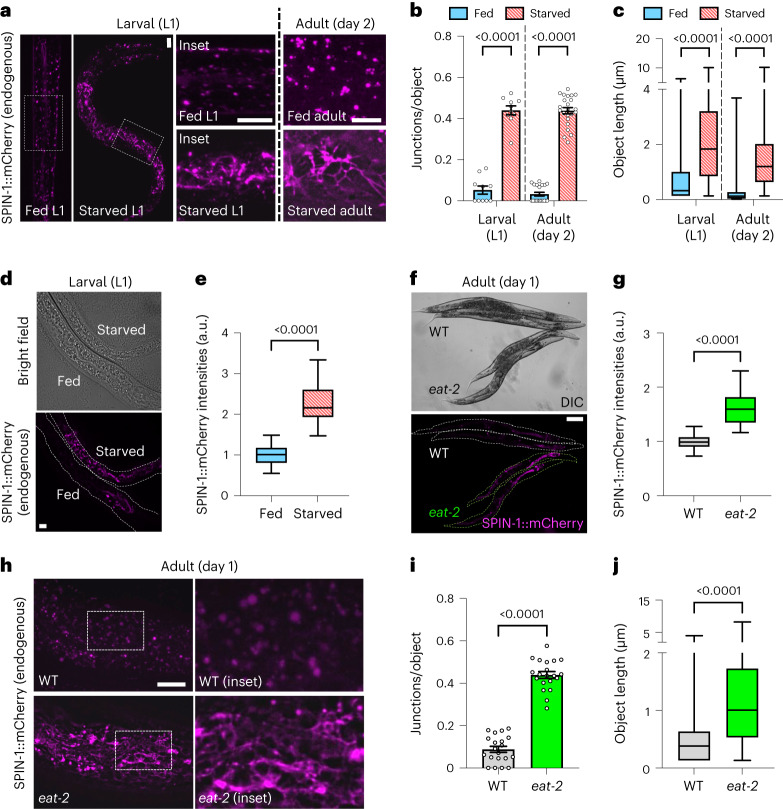
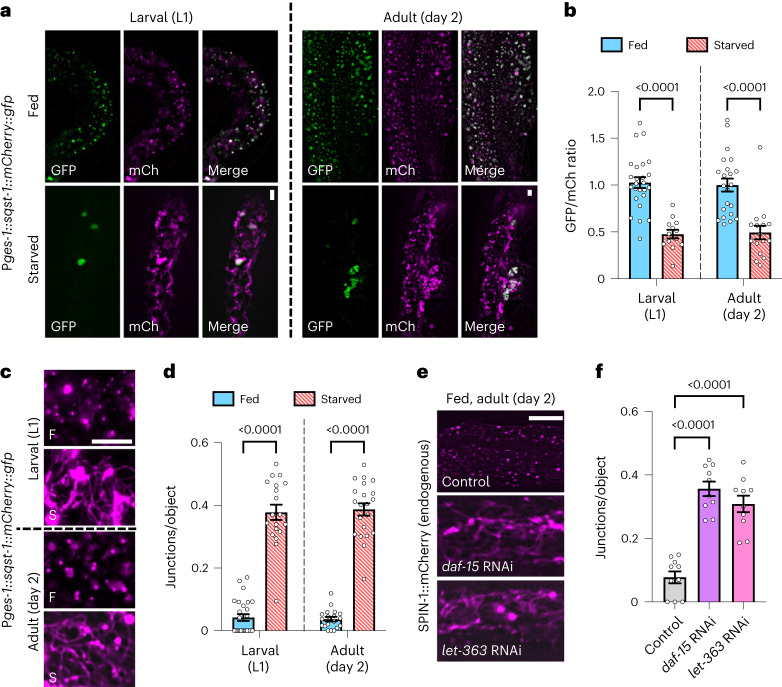
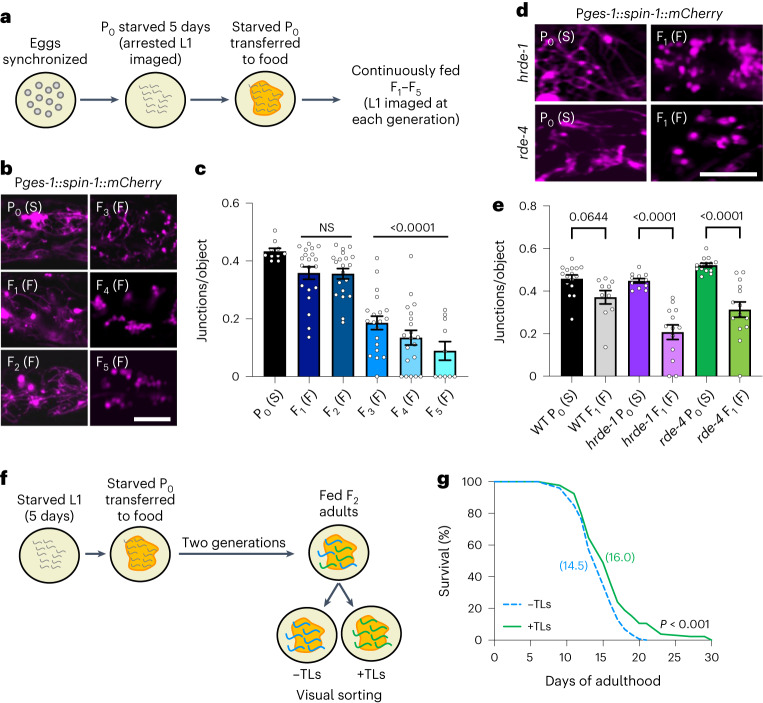
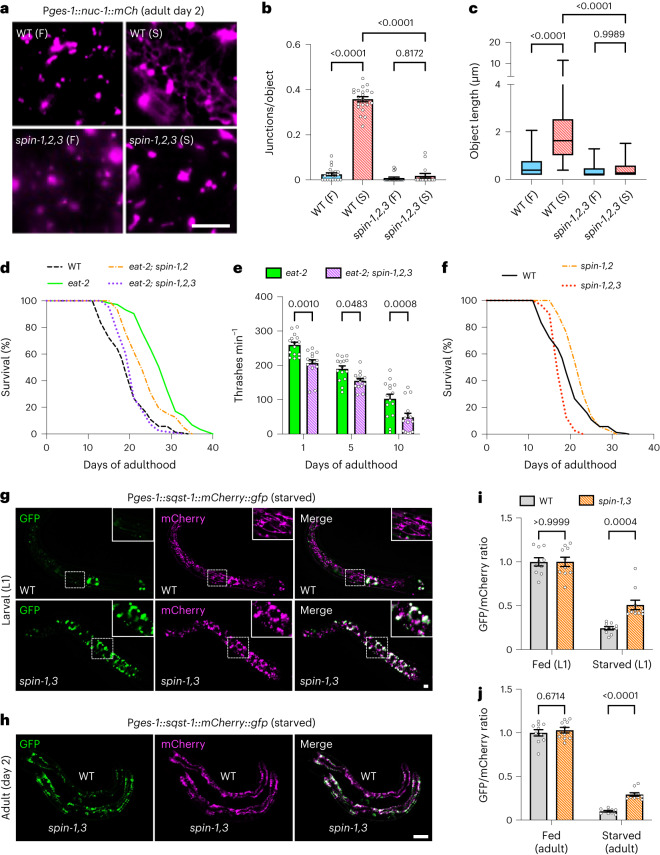
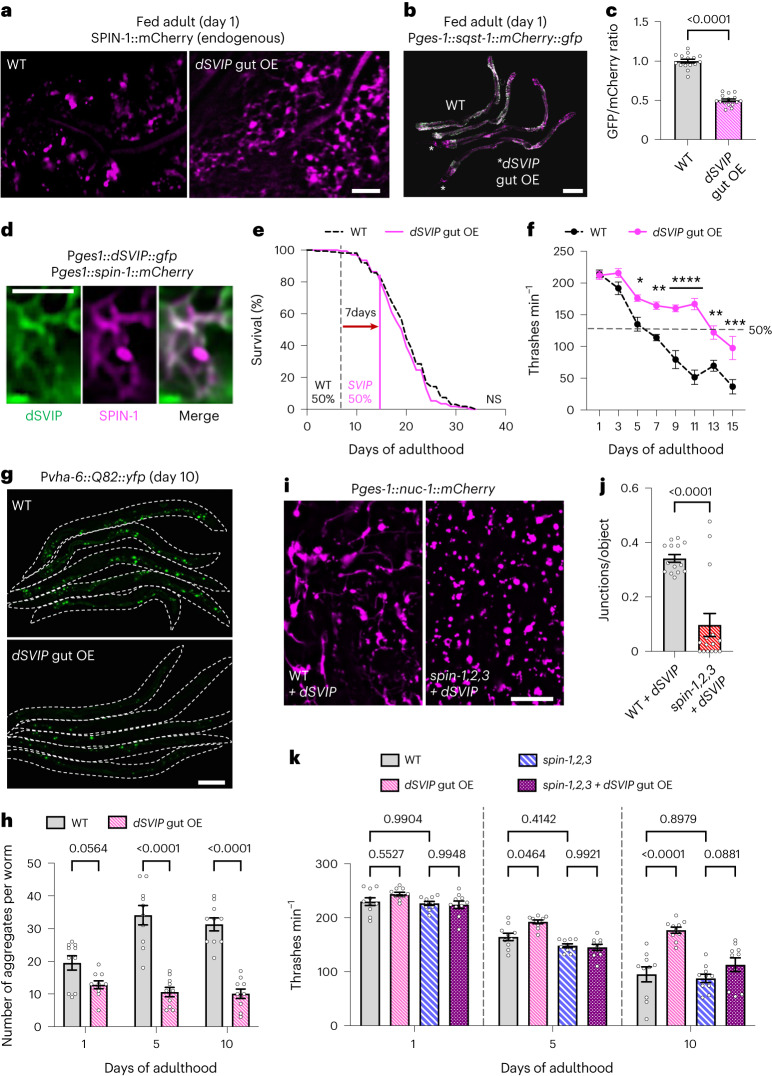
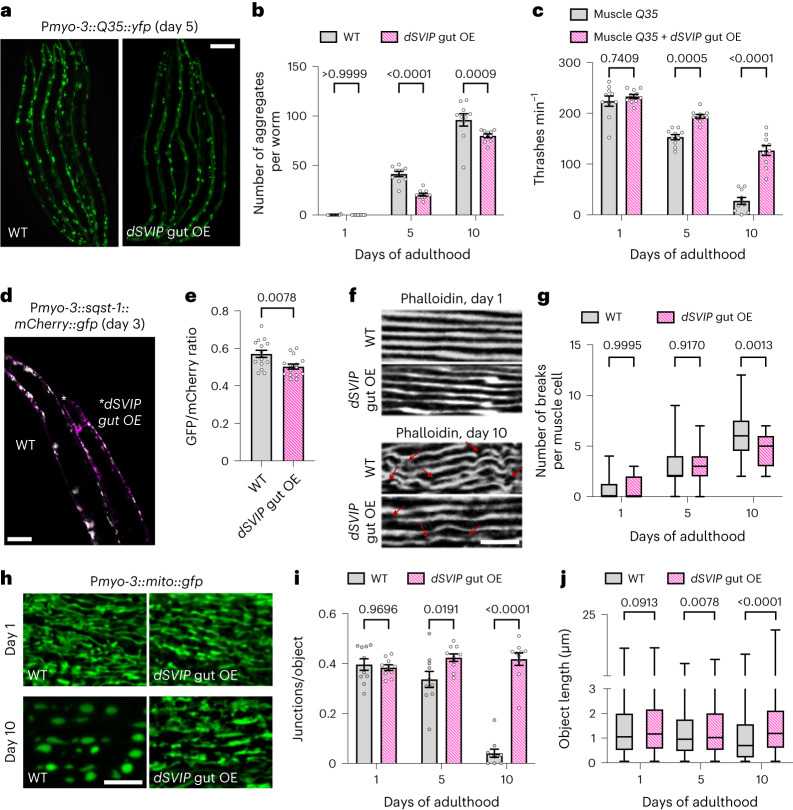
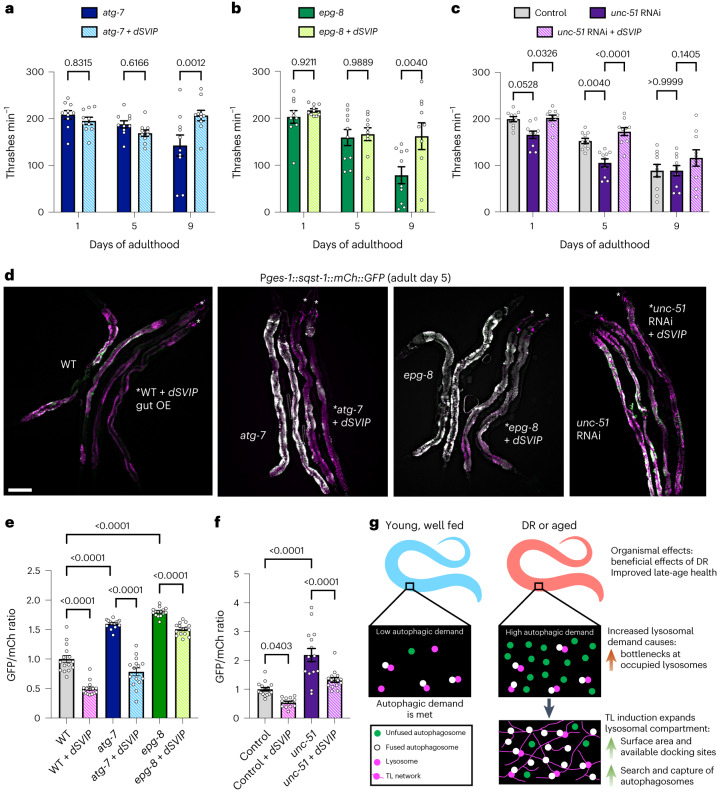
Dietary restriction promotes longevity in several species via autophagy activation. However, changes to lysosomes underlying this effect remain unclear. Here using the nematode Caenorhabditis elegans, we show that the induction of autophagic tubular lysosomes (TLs), which occurs upon dietary restriction or mechanistic target of rapamycin inhibition, is a critical event linking reduced food intake to lifespan extension. We find that starvation induces TLs not only in affected individuals but also in well-fed descendants, and the presence of gut TLs in well-fed progeny is predictive of enhanced lifespan. Furthermore, we demonstrate that expression of Drosophila small VCP-interacting protein, a TL activator in flies, artificially induces TLs in well-fed worms and improves C. elegans health in old age. These findings identify TLs as a new class of lysosomes that couples starvation to healthy aging.
饮食限制通过自噬激活促进了几种物种的长寿。然而,这种效应所涉及的溶酶体变化尚不清楚。在这里,我们使用线虫秀丽隐杆线虫表明,饮食限制或雷帕霉素靶蛋白抑制剂诱导的自噬管状溶酶体(TLs)的发生是将食物摄入减少与寿命延长联系起来的关键事件。我们发现,饥饿不仅会诱导受影响个体的 TLs,还会诱导营养充足的后代的 TLs,并且营养充足的后代中肠道 TLs 的存在可预测其寿命的延长。此外,我们证明果蝇中的小 VCP 相互作用蛋白的表达可在营养充足的线虫中人为地诱导 TLs 的形成,并改善线虫老年时的健康状况。这些发现确定了 TLs 作为将饥饿与健康衰老联系起来的新一类溶酶体。