Sleep Disorders Center, Department of General and Specialized Medicine, University Hospital of Parma, Via Gramsci 14, 43126, Parma, Italy.
Department of Medicine and Surgery, University of Parma, Parma, Italy.
Neurol Sci. 2024 Feb;45(2):391-399. doi: 10.1007/s10072-023-06938-y. Epub 2023 Aug 16.
The COVID-19 outbreak produced extensive psychological consequences, especially among vulnerable populations. Sleep was identified as one of the most common "indirect targets" of the pandemia, with up to 74.8% of patients surviving from COVID-19 complaining of new-onset sleep disorders. However, so far, the clinic-psychological impact of the outbreak in patients affected by pre-existing sleep disorders has not been examined in details.
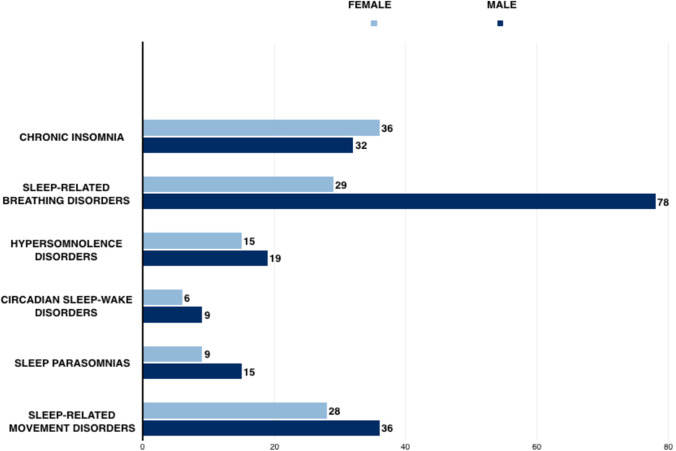
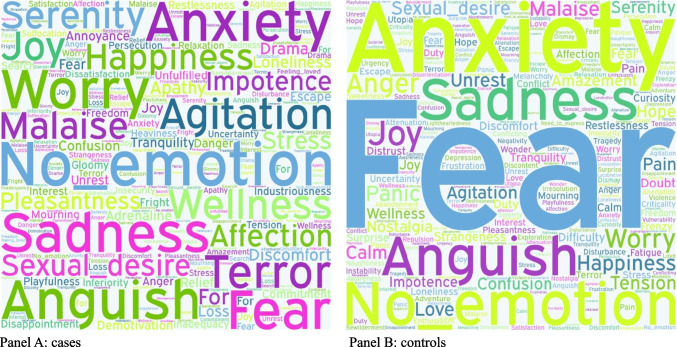
In the present study, we aim to assess the effect of the COVID-19 outbreak in a cohort of 190 adult patients affected by sleep disorders, compared to 265 age and sex-matched healthy sleepers. The assessment was implemented throughout the use of ad hoc anamnestic questions, exploration of dream content, and validated questionnaires, aiming to capture the broad range of the neuropsychological nuances of the COVID-19 impact.
Subjects with pre-existent sleep disorders faced a more severe impact in terms of sleep quality and amount compared to healthy sleepers, presenting longer sleep latency, reduced sleep efficacy, and greater use of hypnotics and medications. On the other hand, healthy sleepers experienced deeper variation in sleeping habits, sleep duration, and greater impact on dream activity in terms of content, emotionality, and presence of recurrent dreams. Finally, in our sample, being female represents an important aggravating factor in the pandemic experience, both in terms of sleep deterioration and with respect to physical and mental health. For instance, females indeed presented the highest scores of Pittsburgh Sleep Quality Index (PSQI) both in cases and control groups (respectively 10 ± 3.8 vs 7.3 ± 3.9 in cases and 6.6 ± 3.6 vs 6.0 ± 3.4 in controls, p-value < 0.001).
Pre-existent sleep disorders and the female sex might represent risk factors increasing the clinic-psychological burden in dramatic scenarios, such as the COVID-19 pandemia, requiring dedicated attention from clinicians.
COVID-19 疫情产生了广泛的心理后果,尤其是在脆弱人群中。睡眠被认为是该大流行的最常见的“间接目标”之一,多达 74.8%的 COVID-19 幸存者抱怨出现新发的睡眠障碍。然而,到目前为止,尚未详细研究大流行对患有先前存在的睡眠障碍的患者的临床心理影响。
在本研究中,我们旨在评估 COVID-19 疫情对 190 名患有睡眠障碍的成年患者队列的影响,并与 265 名年龄和性别匹配的健康睡眠者进行比较。评估是通过使用专门的病史问题、探索梦境内容和经过验证的问卷进行的,旨在捕捉 COVID-19 影响的广泛神经心理学细微差别。
与健康睡眠者相比,患有先前存在的睡眠障碍的患者在睡眠质量和数量方面面临更严重的影响,表现为更长的睡眠潜伏期、降低的睡眠效率,以及更多地使用催眠药物和药物。另一方面,健康睡眠者在睡眠习惯、睡眠时间方面经历了更大的变化,并且在梦境活动的内容、情感和反复出现的梦境方面也有更大的影响。最后,在我们的样本中,女性是大流行经历中一个重要的加重因素,无论是在睡眠恶化方面,还是在身心健康方面。例如,女性在病例组和对照组中均表现出最高的匹兹堡睡眠质量指数 (PSQI) 评分(分别为 10 ± 3.8 与 7.3 ± 3.9,以及 6.6 ± 3.6 与 6.0 ± 3.4,p 值 < 0.001)。
先前存在的睡眠障碍和女性性别可能是在 COVID-19 大流行等戏剧性情况下增加临床心理负担的危险因素,需要临床医生给予关注。