Paez-Escamilla Manuel, Caplash Sonny, Kalra Gagan, Odden Jamie, Price Danielle, Marroquin Oscar C, Koscumb Stephen, Commiskey Patrick, Indermill Chad, Finkelstein Jerome, Gushchin Anna G, Coca Andreea, Friberg Thomas R, Eller Andrew W, Gallagher Denise S, Harwick Jean C, Waxman Evan L, Chhablani Jay, Bonhomme Gabrielle, Prensky Colin, Anetakis Alexander J, Martel Joseph N, Massicotte Erika, Ores Raphaelle, Girmens Jean-Francois, Pearce Thomas M, Sahel Jose-Alain, Dansingani Kunal, Westcott Mark, Errera Marie-Helene
Department of Ophthalmology, University of Pittsburgh School of Medicine, Pittsburgh, PA, USA.
Clinical Analytics, University of Pittsburgh, Pittsburgh, PA, USA.
J Ophthalmic Inflamm Infect. 2023 Aug 17;13(1):35. doi: 10.1186/s12348-023-00342-5.
Posterior uveitis is a common chorioretinal pathology affecting all ages worldwide and is a frequent reason for referral to the retina clinic. The spectrum of etiologies for uveitis is very broad and includes infectious and auto-immune diseases. Inflammation can be confined to the eye or may be a part of systemic disease. A useful outline is therefore proposed to aid in the correct diagnosis of these challenging entities. The situation is further complicated by the fact that many neoplastic conditions resemble features of posterior uveitis; they are known as "masqueraders of uveitis". Here, we summarize different posterior uveitides that present with rare findings, along with masqueraders that can be difficult to distinguish. These conditions pose a diagnostic dilemma resulting in delay in treatment because of diagnostic uncertainty.
An extensive literature search was performed on the MEDLINE/PUBMED, EBSCO and Cochrane CENTRAL databases from January 1985 to January 2022 for original studies and reviews of predetermined diagnoses that include posterior uveitic entities, panuveitis and masquerade syndromes.
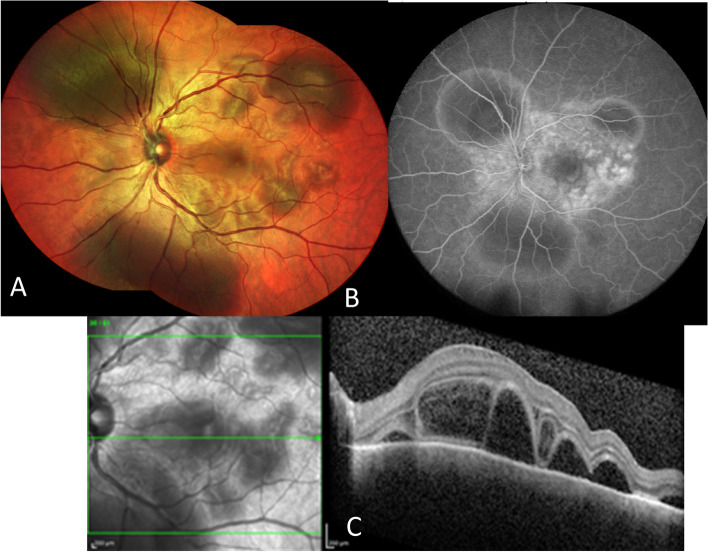
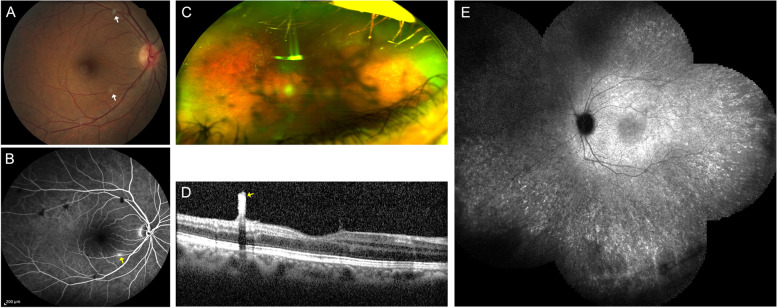
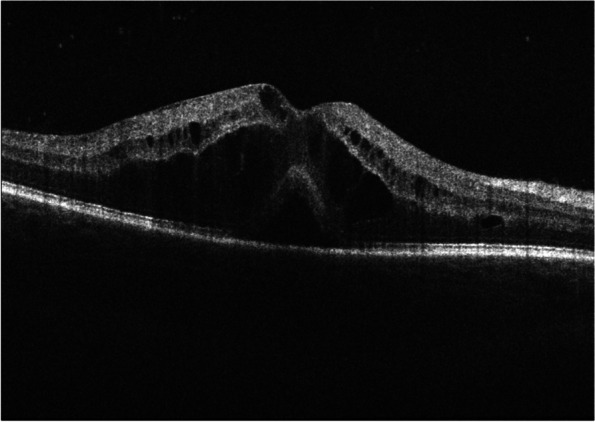
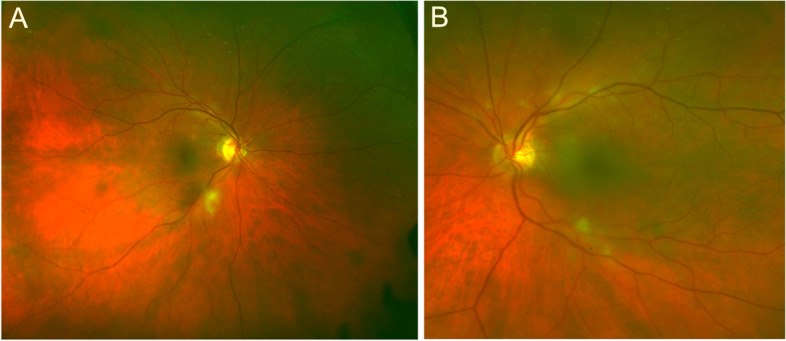
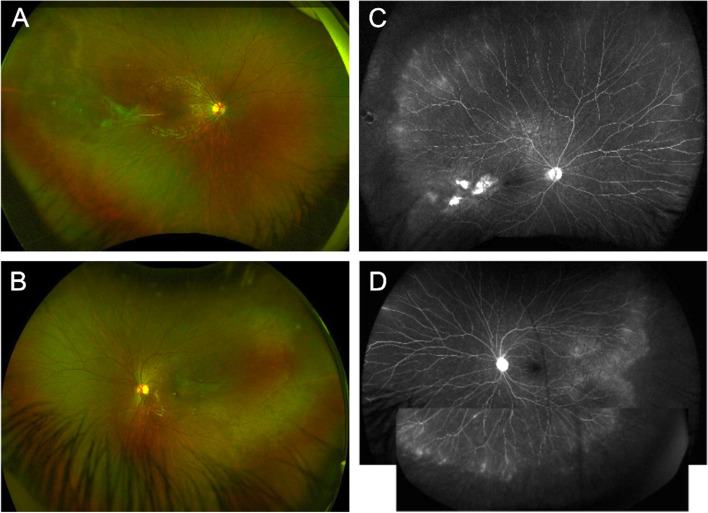
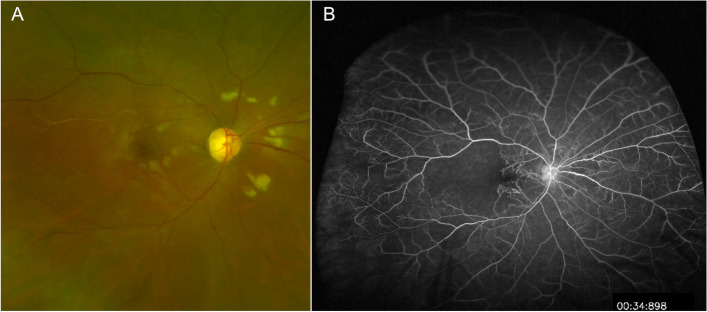
We described conditions that can present as mimickers of posterior uveitis (i.e., immune check-points inhibitors and Vogt-Koyanagi-Harada-like uveitis; leukemia and lymphoma associated posterior uveitis), inflammatory conditions that present as mimickers of retinal diseases (i.e., Purtscher-like retinopathy as a presentation of systemic lupus erythematosus; central serous chorioretinopathy masquerading inflammatory exudative retinal detachment), and uveitic conditions with rare and diagnostically challenging etiologies (i.e., paradoxical inflammatory effects of anti-TNF-α; post vaccination uveitis; ocular inflammation after intravitreal injection of antiangiogenic drugs).
This review of unique posterior uveitis cases highlights the overlapping features of posterior uveitis (paradoxical inflammatory effects of anti -TNF α and uveitis; Purtscher-like retinopathy as a presentation of systemic lupus erythematosus, …) and the nature of retinal conditions (ischemic ocular syndrome, or central retinal vein occlusion, amyloidosis, inherited conditions like retinitis pigmentosa, autosomal dominant neovascular inflammatory vitreoretinopathy (ADNIV), etc.…) that may mimic them is represented. Careful review of past uveitis history, current medications and recent vaccinations, detailed examination of signs of past or present inflammation, eventually genetic testing and/ or multimodal retinal imaging (like fluorescein angiography, EDI-OCT, OCT-angiography for lupus Purtscher-like retinopathy evaluation, or ICG for central serous retinopathy, or retinal amyloid angiopathy) may aid in correct diagnosis.
后葡萄膜炎是一种常见的脉络膜视网膜病变,影响着全球所有年龄段的人群,是转诊至视网膜诊所的常见原因。葡萄膜炎的病因范围非常广泛,包括感染性和自身免疫性疾病。炎症可局限于眼部,也可能是全身性疾病的一部分。因此,本文提出了一个有用的概述,以帮助正确诊断这些具有挑战性的病症。此外,许多肿瘤性疾病具有后葡萄膜炎的特征,使情况更加复杂,这些疾病被称为“葡萄膜炎的伪装者”。在这里,我们总结了表现出罕见症状的不同类型的后葡萄膜炎,以及难以区分的伪装者。这些病症造成了诊断困境,由于诊断不确定性导致治疗延迟。
我们在MEDLINE/PUBMED、EBSCO和Cochrane CENTRAL数据库中进行了广泛的文献检索,检索时间跨度为1985年1月至2022年1月,以查找关于包括后葡萄膜炎性病症、全葡萄膜炎和伪装综合征在内的预定诊断的原始研究和综述。
我们描述了可表现为后葡萄膜炎模仿者的病症(即免疫检查点抑制剂和Vogt-小柳原田样葡萄膜炎;白血病和淋巴瘤相关的后葡萄膜炎)、表现为视网膜疾病模仿者的炎症性病症(即作为系统性红斑狼疮表现的Purtscher样视网膜病变;伪装成炎症性渗出性视网膜脱离的中心性浆液性脉络膜视网膜病变),以及病因罕见且诊断具有挑战性的葡萄膜炎性病症(即抗TNF-α的反常炎症作用;接种疫苗后葡萄膜炎;玻璃体内注射抗血管生成药物后的眼部炎症)。
对独特的后葡萄膜炎病例的综述突出了后葡萄膜炎的重叠特征(抗TNF-α的反常炎症作用与葡萄膜炎;作为系统性红斑狼疮表现的Purtscher样视网膜病变……)以及可能模仿它们的视网膜病症的性质(缺血性眼病综合征、视网膜中央静脉阻塞、淀粉样变性、视网膜色素变性等遗传性疾病、常染色体显性新生血管性炎症性玻璃体视网膜病变(ADNIV)等……)。仔细回顾既往葡萄膜炎病史、当前用药情况和近期接种疫苗情况,详细检查过去或现在炎症的体征,最终进行基因检测和/或多模式视网膜成像(如荧光素血管造影、EDI-OCT、用于评估狼疮Purtscher样视网膜病变的OCT血管造影,或用于中心性浆液性视网膜病变或视网膜淀粉样血管病的吲哚菁绿血管造影)可能有助于正确诊断。