Disease Biophysics Group, John A. Paulson School of Engineering and Applied Sciences, Harvard University, Boston, MA 02134, USA; Department of Cardiology, Boston Children's Hospital, Boston, MA 02115, USA.
Department of Cardiology, Boston Children's Hospital, Boston, MA 02115, USA.
Stem Cell Reports. 2023 Sep 12;18(9):1811-1826. doi: 10.1016/j.stemcr.2023.07.005. Epub 2023 Aug 17.
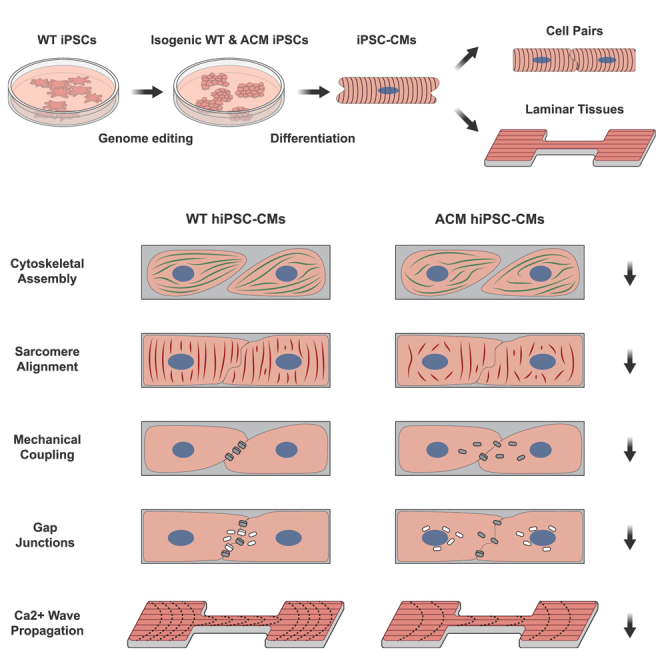
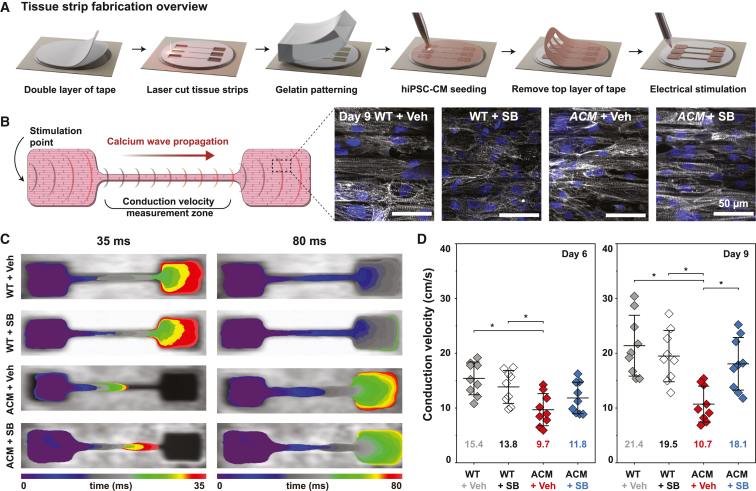
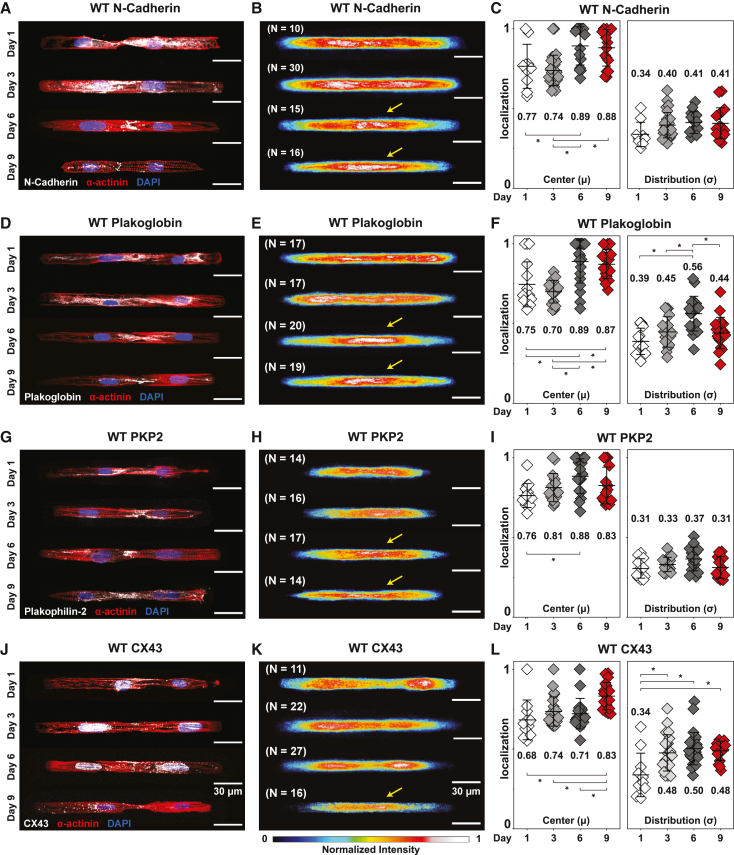
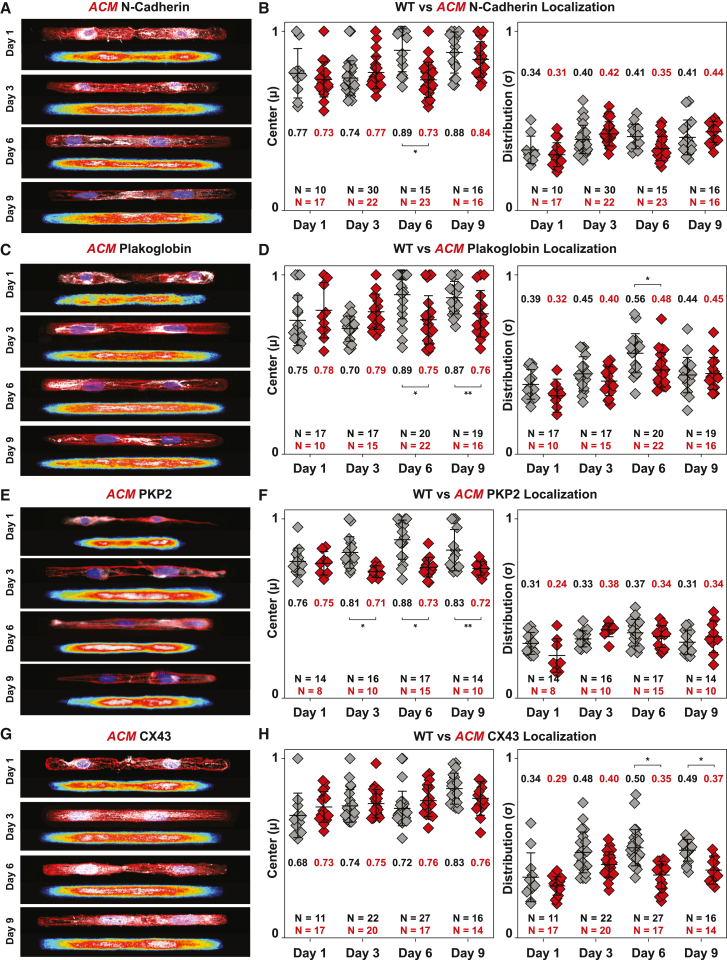
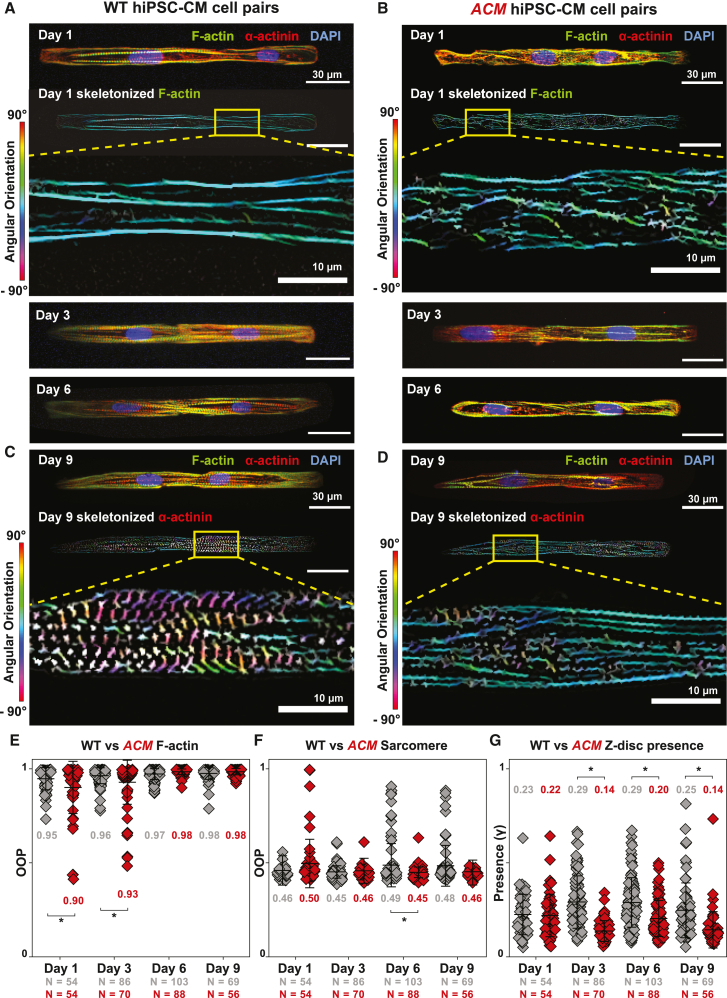
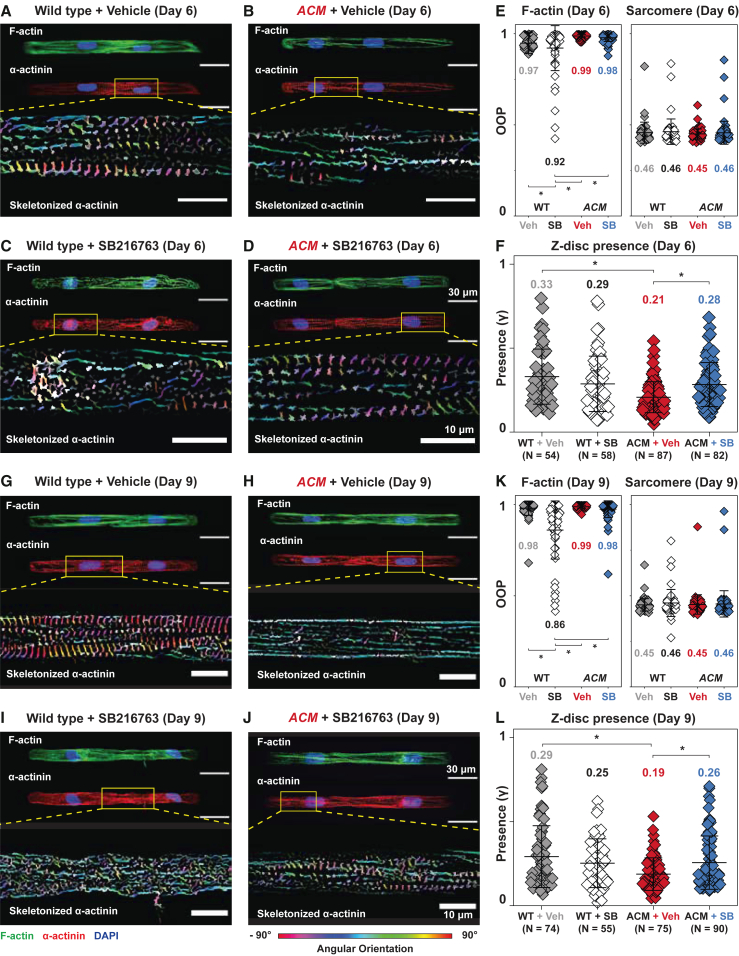
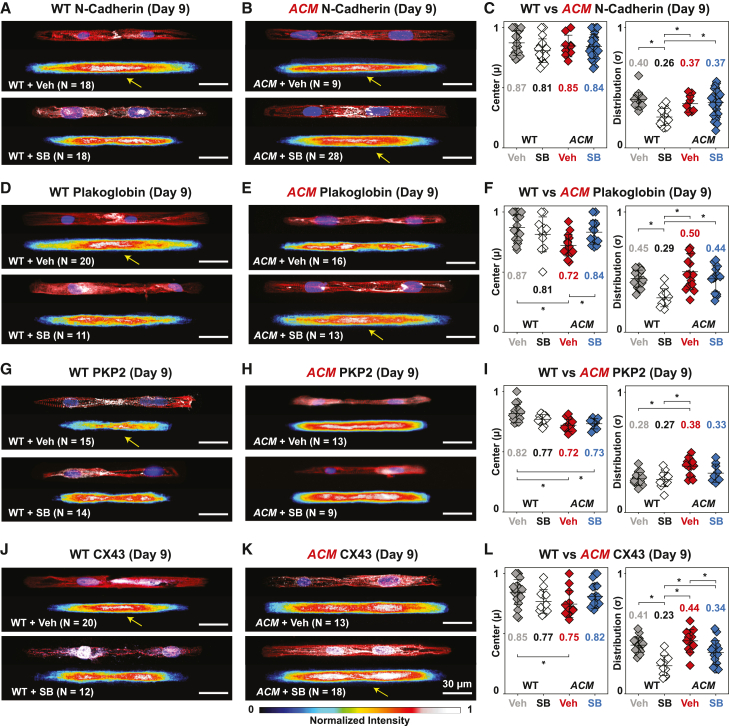
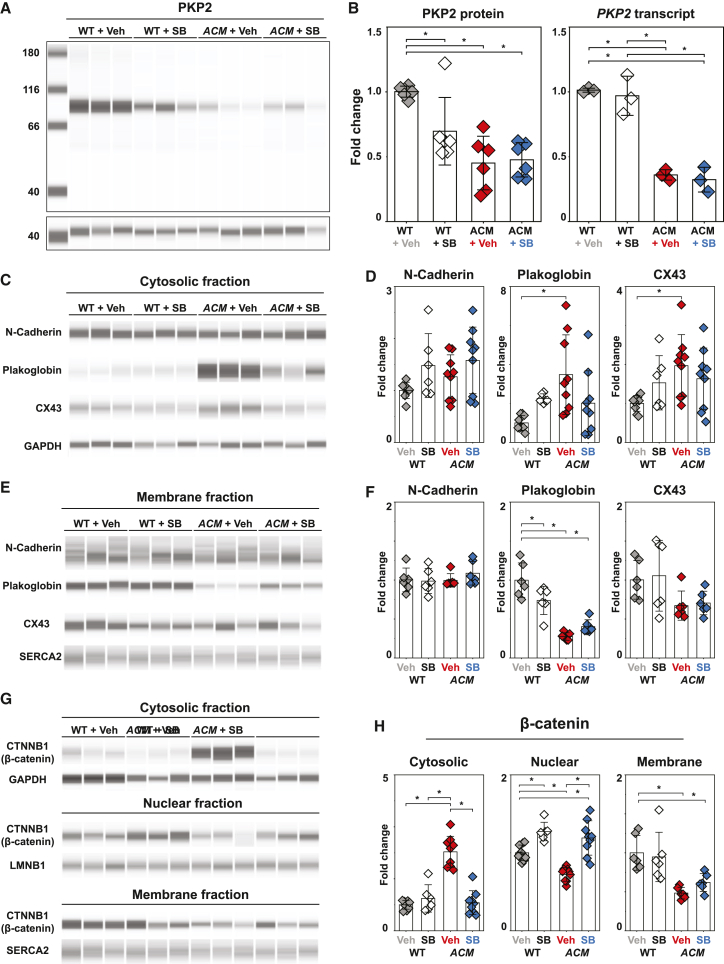
Arrhythmogenic cardiomyopathy (ACM) is an inherited cardiac disorder that causes life-threatening arrhythmias and myocardial dysfunction. Pathogenic variants in Plakophilin-2 (PKP2), a desmosome component within specialized cardiac cell junctions, cause the majority of ACM cases. However, the molecular mechanisms by which PKP2 variants induce disease phenotypes remain unclear. Here we built bioengineered platforms using genetically modified human induced pluripotent stem cell-derived cardiomyocytes to model the early spatiotemporal process of cardiomyocyte junction assembly in vitro. Heterozygosity for truncating variant PKP2 reduced Wnt/β-catenin signaling, impaired myofibrillogenesis, delayed mechanical coupling, and reduced calcium wave velocity in engineered tissues. These abnormalities were ameliorated by SB216763, which activated Wnt/β-catenin signaling, improved cytoskeletal organization, restored cell junction integrity in cell pairs, and improved calcium wave velocity in engineered tissues. Together, these findings highlight the therapeutic potential of modulating Wnt/β-catenin signaling in a human model of ACM.
致心律失常性心肌病(ACM)是一种遗传性心脏疾病,可导致危及生命的心律失常和心肌功能障碍。桥粒斑蛋白-2(PKP2)的致病性变异是大多数 ACM 病例的原因,PKP2 是特化心肌细胞连接中的桥粒复合体的一部分。然而,PKP2 变异导致疾病表型的分子机制仍不清楚。在这里,我们使用基因修饰的人诱导多能干细胞衍生的心肌细胞构建了生物工程平台,以模拟体外心肌细胞连接组装的早期时空过程。截断变异 PKP2 的杂合性降低了 Wnt/β-catenin 信号,损害了肌原纤维生成,延迟了机械偶联,并降低了工程组织中的钙波速度。SB216763 可激活 Wnt/β-catenin 信号,改善细胞骨架组织,恢复细胞对细胞连接的完整性,并提高工程组织中的钙波速度,从而改善了这些异常。总之,这些发现强调了在 ACM 的人类模型中调节 Wnt/β-catenin 信号的治疗潜力。