National R&D Center for Se-rich Agricultural Products Processing, Hubei Engineering Research Center for Deep Processing of Green Se-rich Agricultural Products, School of Modern Industry for Selenium Science and Engineering, Wuhan Polytechnic University, Wuhan, 430023, China; Shenzhen Key Laboratory of Marine Biotechnology and Ecology, College of Life Sciences and Oceanography, Shenzhen University, Shenzhen, Guangdong, 518055, China.
Shenzhen Key Laboratory of Marine Biotechnology and Ecology, College of Life Sciences and Oceanography, Shenzhen University, Shenzhen, Guangdong, 518055, China.
Redox Biol. 2023 Oct;66:102848. doi: 10.1016/j.redox.2023.102848. Epub 2023 Aug 12.
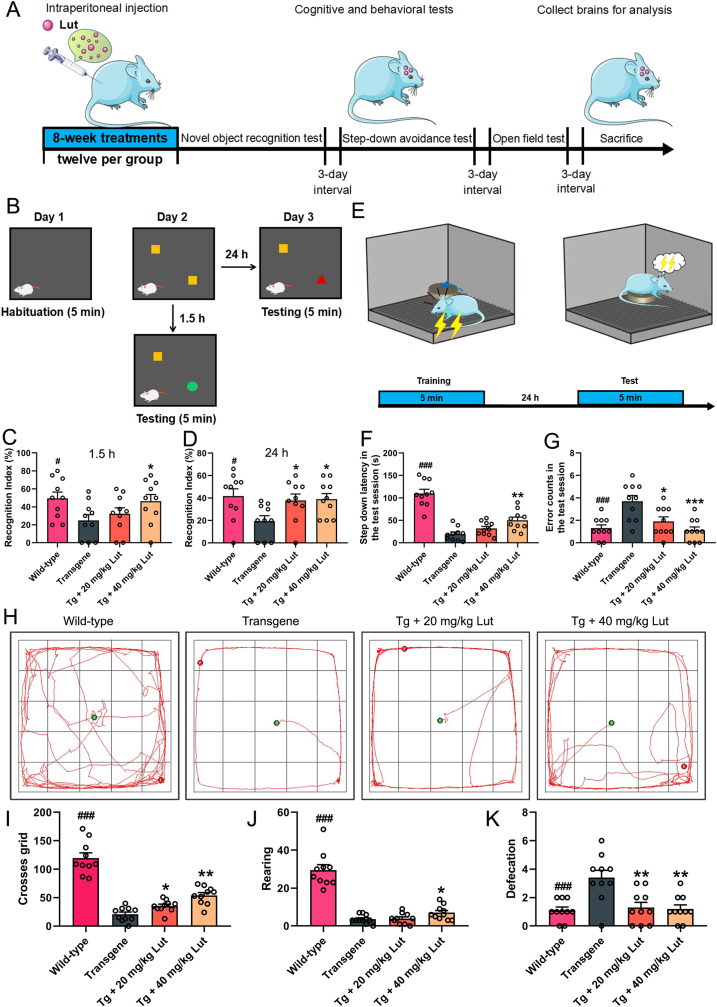
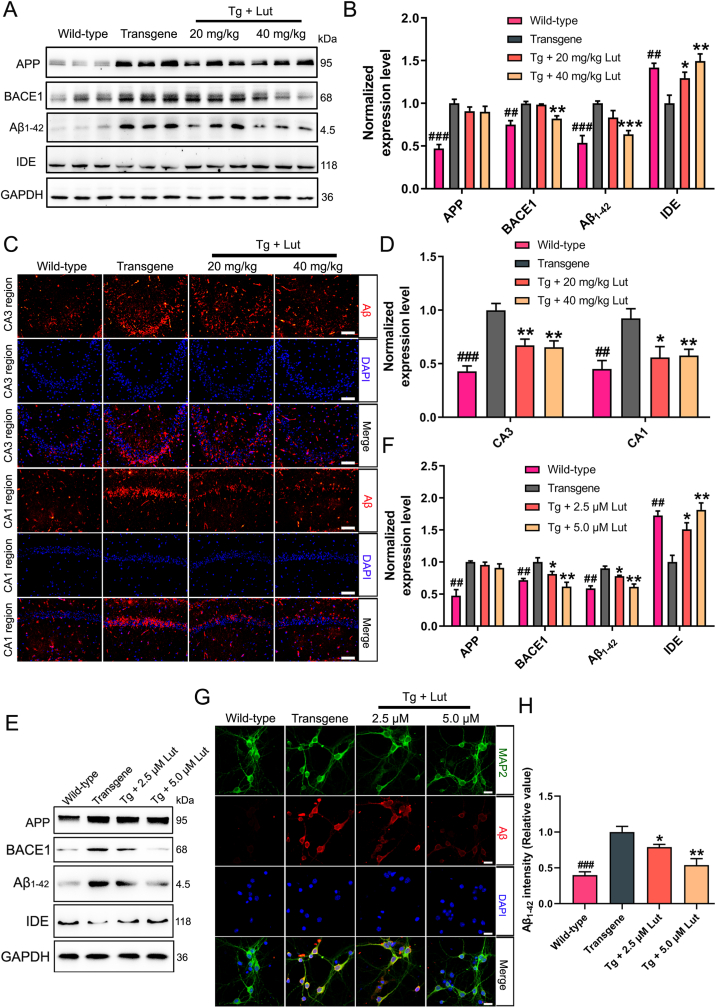
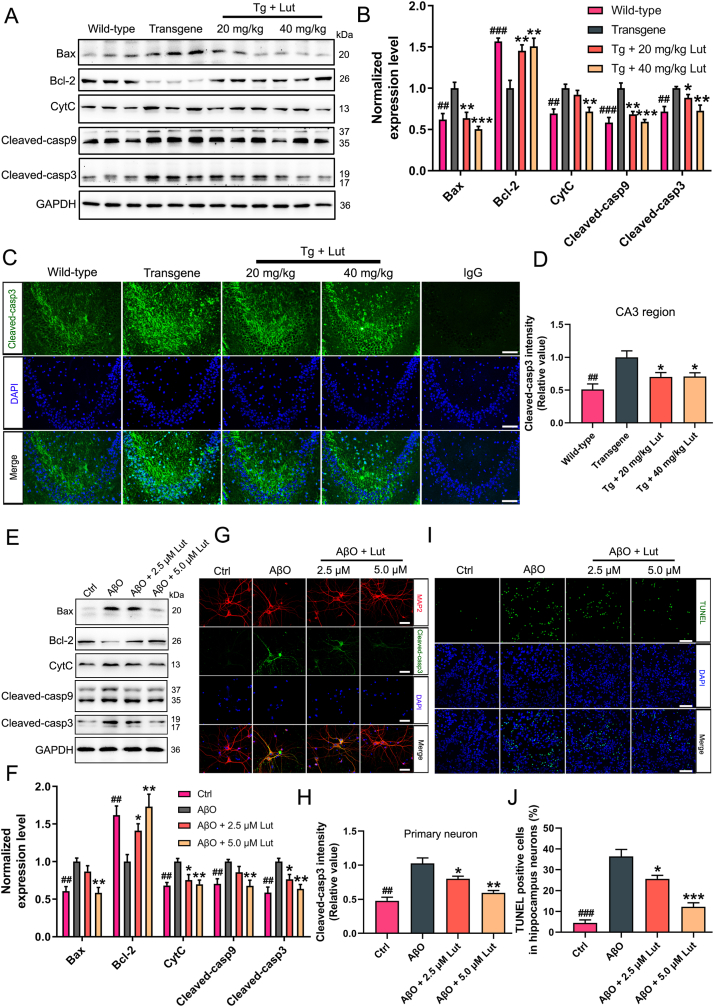
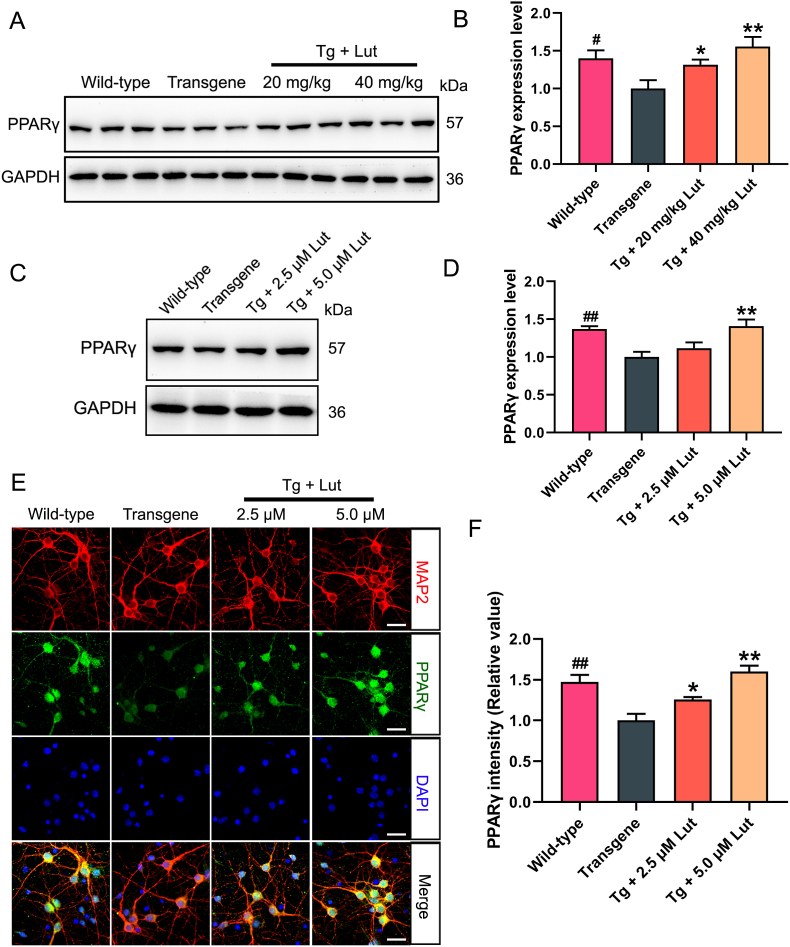
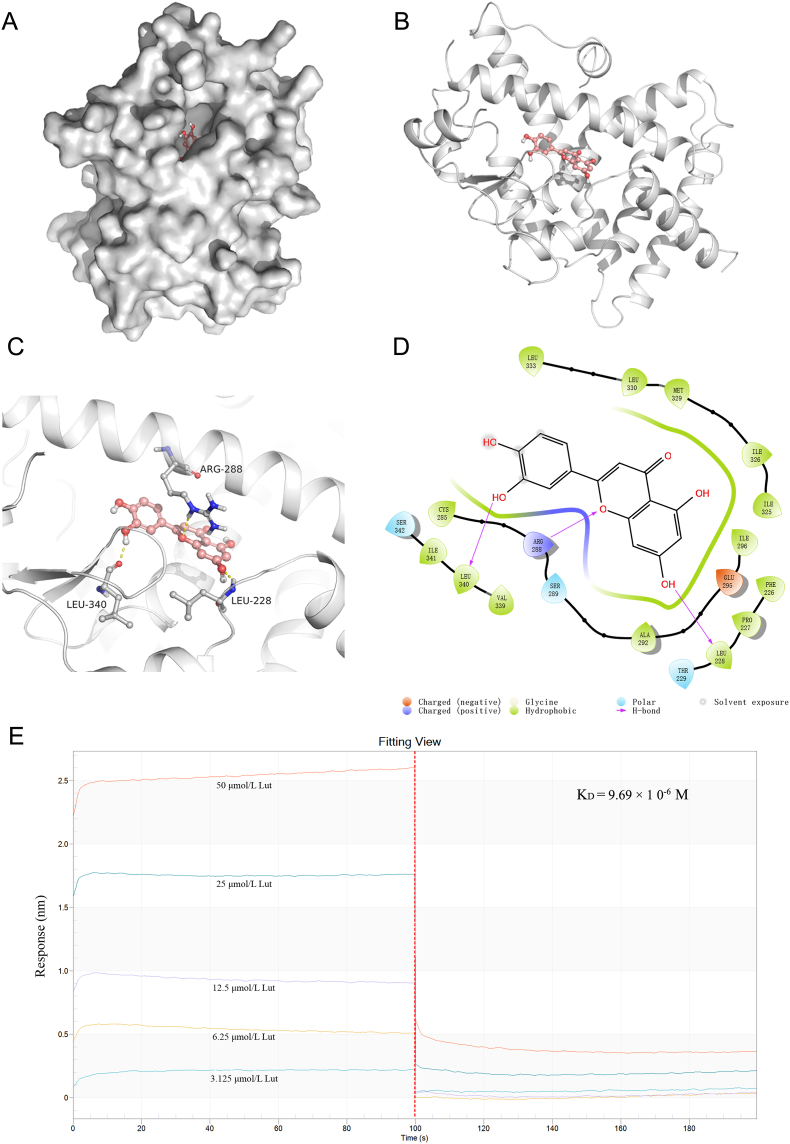
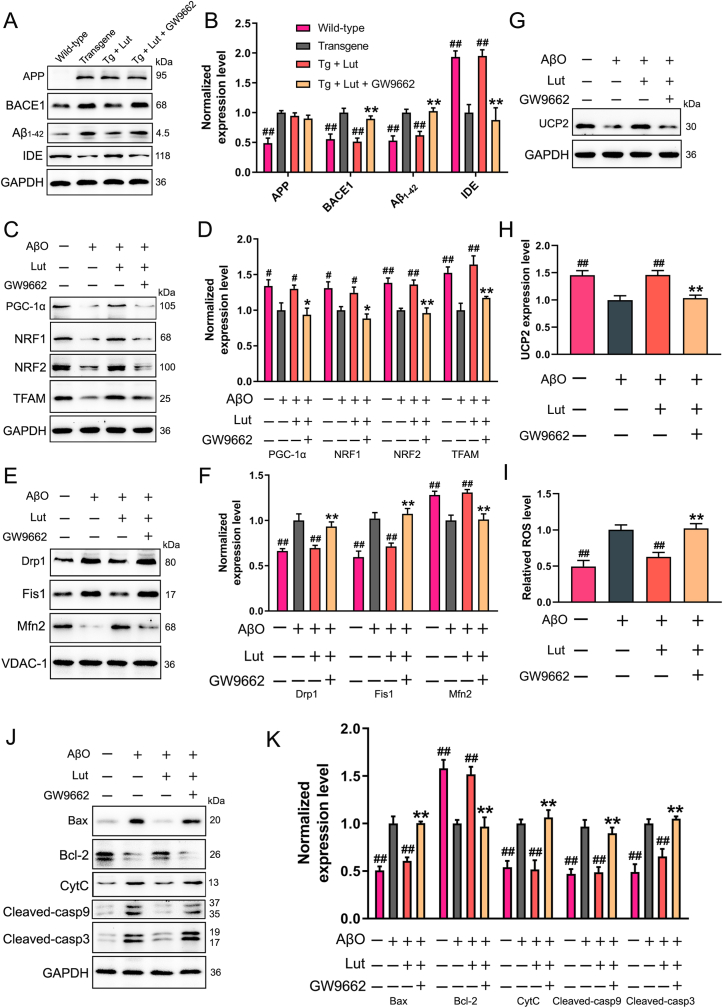
Alzheimer's disease (AD) is a devastating neurodegenerative disorder characterized by the deposition of β-amyloid (Aβ) peptides and dysfunction of mitochondrion, which result in neuronal apoptosis and ultimately cognitive impairment. Inhibiting Aβ generation and repairing mitochondrial damage are prominent strategies in AD therapeutic treatment. Luteolin, a flavonoid compound, exhibits anti-inflammatory neuroprotective properties in AD mice. However, it is still unclear whether luteolin has any effect on Aβ pathology and mitochondrial dysfunction. In this study, the beneficial effect and underlying mechanism of luteolin were investigated in triple transgenic AD (3 × Tg-AD) mice and primary neurons. Our study showed that luteolin supplement significantly ameliorated memory and cognitive impairment of AD mice and exerted neuroprotection by inhibiting Aβ generation, repairing mitochondrial damage and reducing neuronal apoptosis. Further research revealed that luteolin could directly bind with peroxisome proliferator-activated receptor gama (PPARγ) to promote its expression and function. In the culture of hippocampus-derived primary neurons, addition of PPARγ antagonist GW9662 or knockdown of PPARγ with its siRNA could eliminate the effect of luteolin on AD pathologies. In summary, this work revealed for the first time that luteolin effectively improved cognitive deficits of 3 × Tg-AD mice and inhibited Aβ-induced oxidative stress, mitochondrial dysfunction and neuronal apoptosis via PPARγ-dependent mechanism. Hence, luteolin has the potential to serve as a therapeutic agent against AD.
阿尔茨海默病(AD)是一种破坏性的神经退行性疾病,其特征是β-淀粉样蛋白(Aβ)肽的沉积和线粒体功能障碍,导致神经元凋亡,最终导致认知障碍。抑制 Aβ生成和修复线粒体损伤是 AD 治疗的突出策略。木犀草素是一种黄酮类化合物,在 AD 小鼠中具有抗炎神经保护作用。然而,木犀草素是否对 Aβ病理和线粒体功能障碍有任何影响仍不清楚。在这项研究中,研究了木犀草素在三转基因 AD(3×Tg-AD)小鼠和原代神经元中的有益作用和潜在机制。我们的研究表明,木犀草素补充显著改善了 AD 小鼠的记忆和认知障碍,并通过抑制 Aβ生成、修复线粒体损伤和减少神经元凋亡发挥神经保护作用。进一步的研究表明,木犀草素可以直接与过氧化物酶体增殖物激活受体γ(PPARγ)结合,促进其表达和功能。在海马源性原代神经元培养物中,添加 PPARγ拮抗剂 GW9662 或用其 siRNA 敲低 PPARγ 可以消除木犀草素对 AD 病理的作用。总之,这项工作首次揭示,木犀草素通过 PPARγ依赖性机制有效改善 3×Tg-AD 小鼠的认知缺陷,并抑制 Aβ诱导的氧化应激、线粒体功能障碍和神经元凋亡。因此,木犀草素有可能成为治疗 AD 的一种治疗剂。