Chen Xiaocong, An Yang, Tan Mengsi, Xie Dongrui, Liu Ling, Xu Benjin
Department of Clinical Medicine, Fenyang College of Shanxi Medical University, Fenyang, China.
Department of Medical Laboratory Science, Fenyang College of Shanxi Medical University, Fenyang, China.
Front Oncol. 2023 Aug 3;13:1076855. doi: 10.3389/fonc.2023.1076855. eCollection 2023.
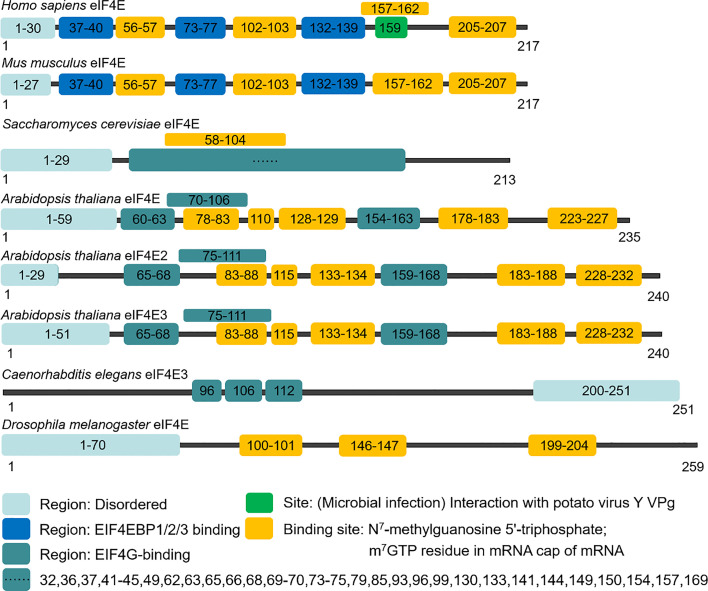
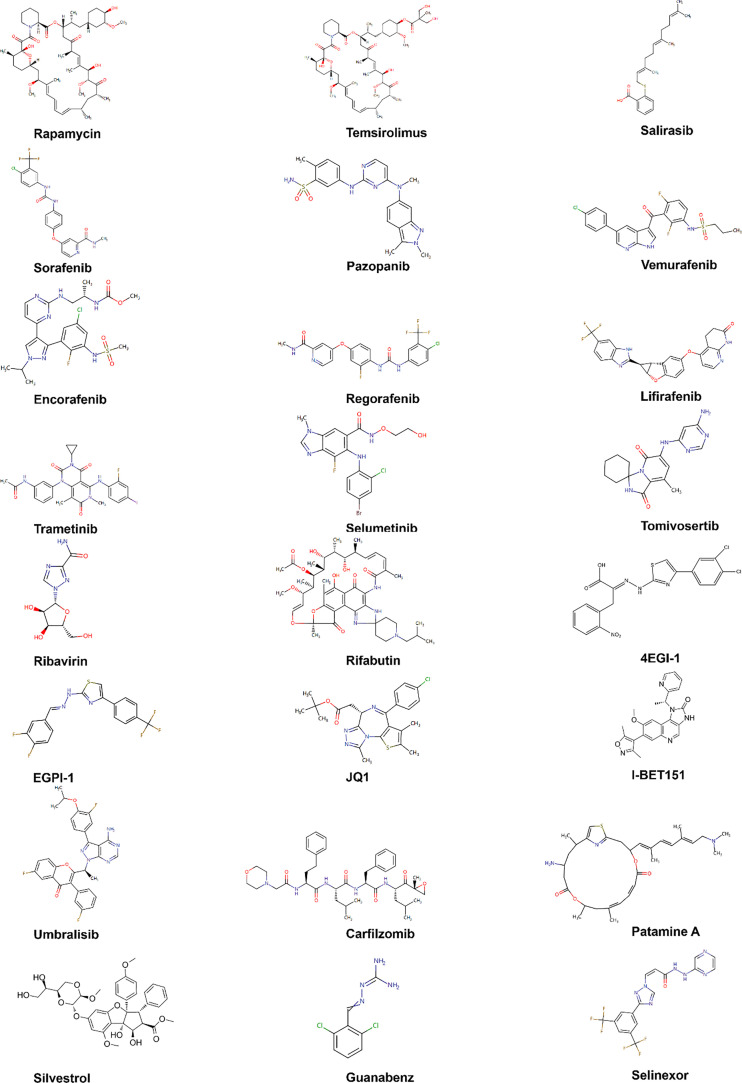
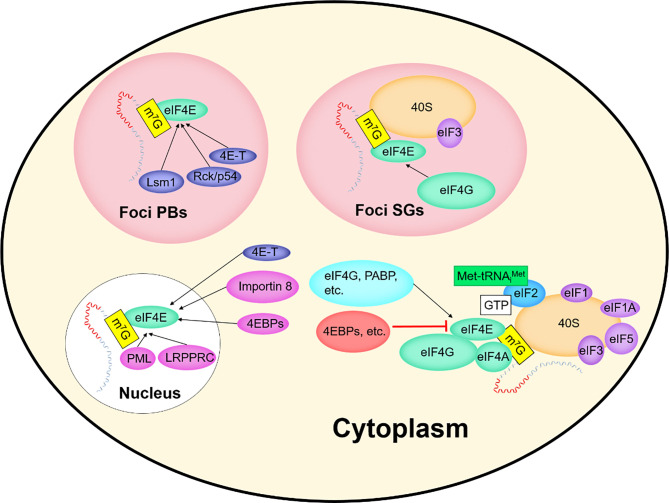
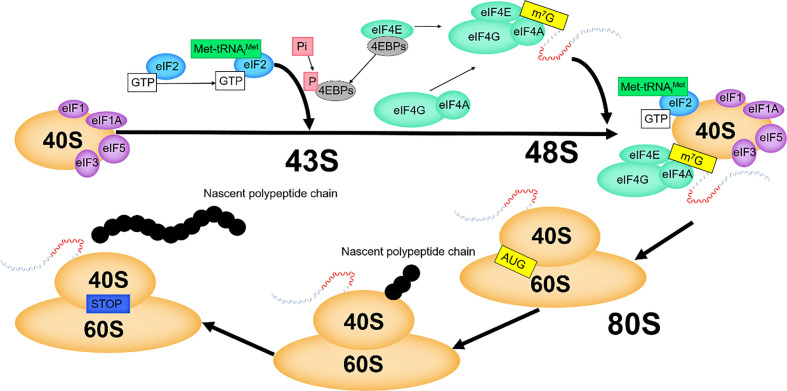
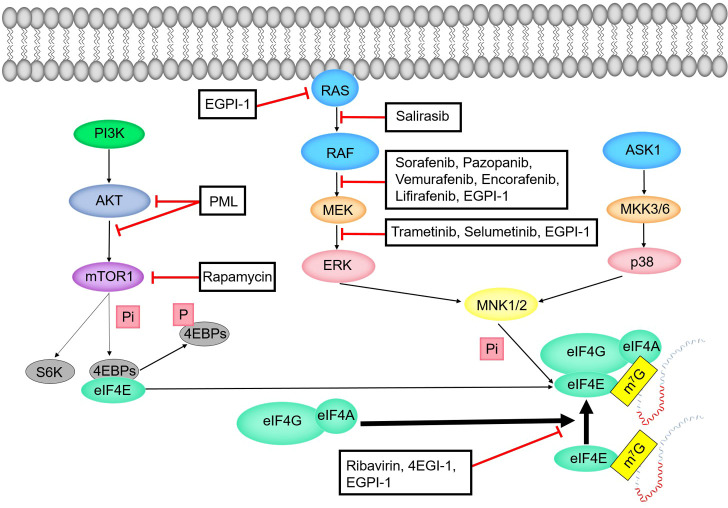
The eukaryotic translation initiation factor eIF4E can specifically bind to the cap structure of an mRNA 5' end, mainly regulating translation initiation and preferentially enhancing the translation of carcinogenesis related mRNAs. The expression of eIF4E is closely related to a variety of malignant tumors. In tumor cells, eIF4E activity is abnormally increased, which stimulates cell growth, metastasis and translation of related proteins. The main factors affecting eIF4E activity include intranuclear regulation, phosphorylation of 4EBPs, and phosphorylation and sumoylation of eIF4E. In this review, we summarize the biological functions and the research progress of eIF4E, the main influencing factors of eIF4E activity, and the recent progress of drugs targeting eIF4E, in the hope of providing new insights for the treatment of multiple malignancies and development of targeted drugs.
真核生物翻译起始因子eIF4E能够特异性结合mRNA 5'端的帽结构,主要调控翻译起始,并优先增强与致癌相关的mRNA的翻译。eIF4E的表达与多种恶性肿瘤密切相关。在肿瘤细胞中,eIF4E活性异常增加,刺激细胞生长、转移及相关蛋白质的翻译。影响eIF4E活性的主要因素包括细胞核内调控、4EBP的磷酸化以及eIF4E的磷酸化和类泛素化修饰。在这篇综述中,我们总结了eIF4E的生物学功能和研究进展、eIF4E活性的主要影响因素以及靶向eIF4E的药物的最新进展,希望能为多种恶性肿瘤的治疗及靶向药物的研发提供新的思路。