Department of Gastroenterology, The Second Affiliated Hospital, Zhejiang University School of Medicine, Hangzhou 310009, Zhejiang Province, China.
Institute of Immunology, Zhejiang University School of Medicine, Hangzhou 310009, China.
Comb Chem High Throughput Screen. 2024;27(8):1161-1174. doi: 10.2174/1386207326666230823104952.
Colorectal cancer (CRC) has become the most prevalent gastrointestinal malignant tumor, ranking third (10.2%) in incidence and second (9.2%) in death among all malignancies globally. The most common histological subtype of CRC is colon adenocarcinoma (COAD), although the cause of CRC remains unknown, as there are no valid biomarkers.
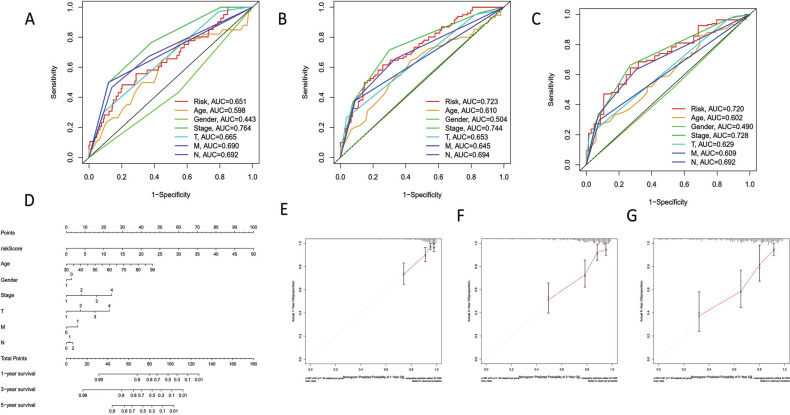
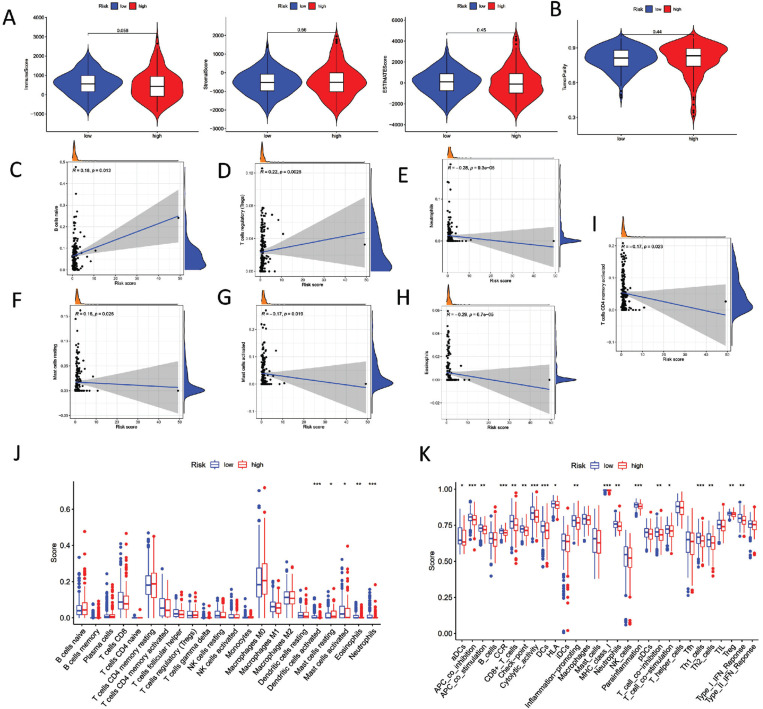
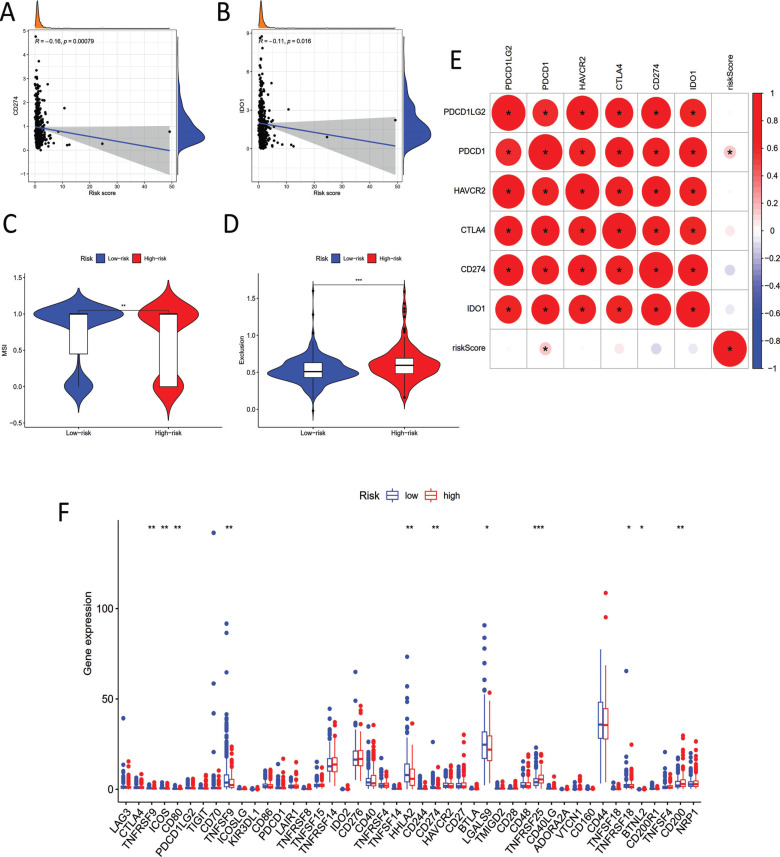
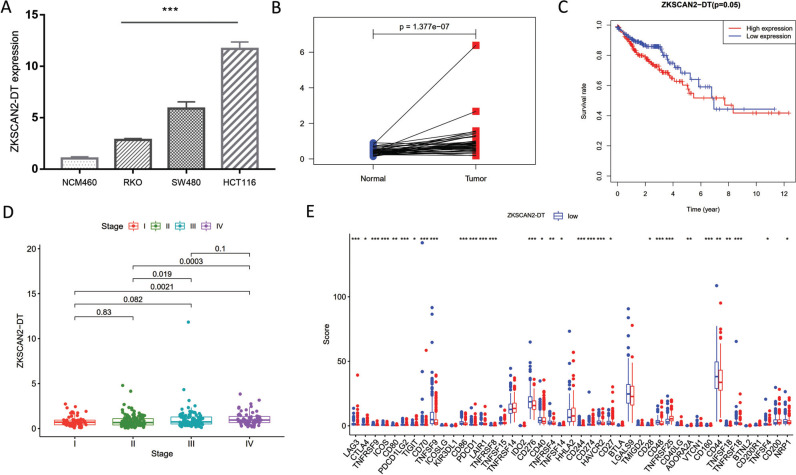
A thorough investigation was used to build a credible biomolecular risk model based on the pyroptosis-associated lncRNAs discovered for COAD prediction. Furthermore, Cibersort and Tumor Immune Dysfunction and Exclusion (TIDE), the methods of exploring tumor immune infiltration, were adopted in our paper to detect the effects of differential lncRNAs on the tumor microenvironment. Finally, quantitative real-time polymerase chain reaction (qPCR), as the approach of exploring expressions, was utilized on four different cell lines.
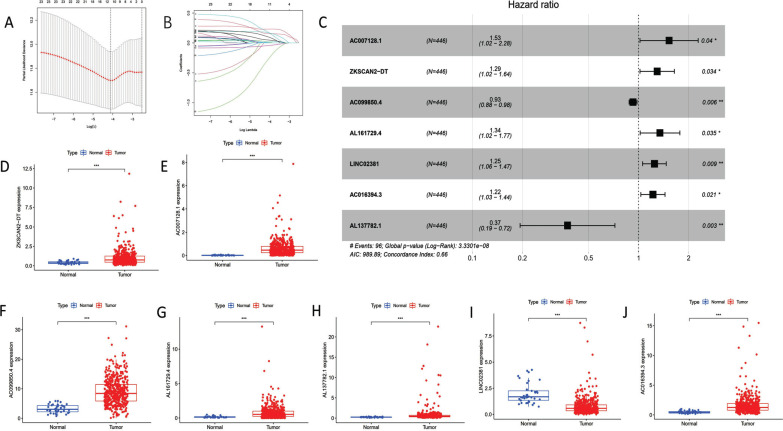
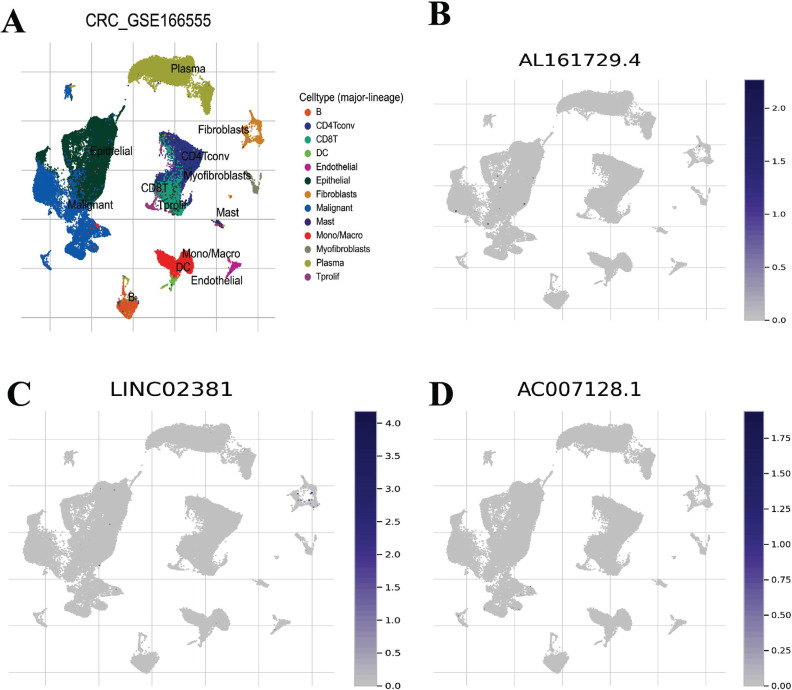
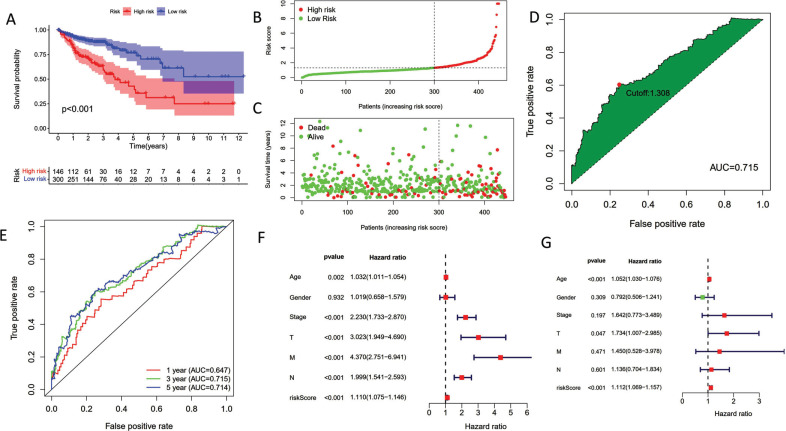
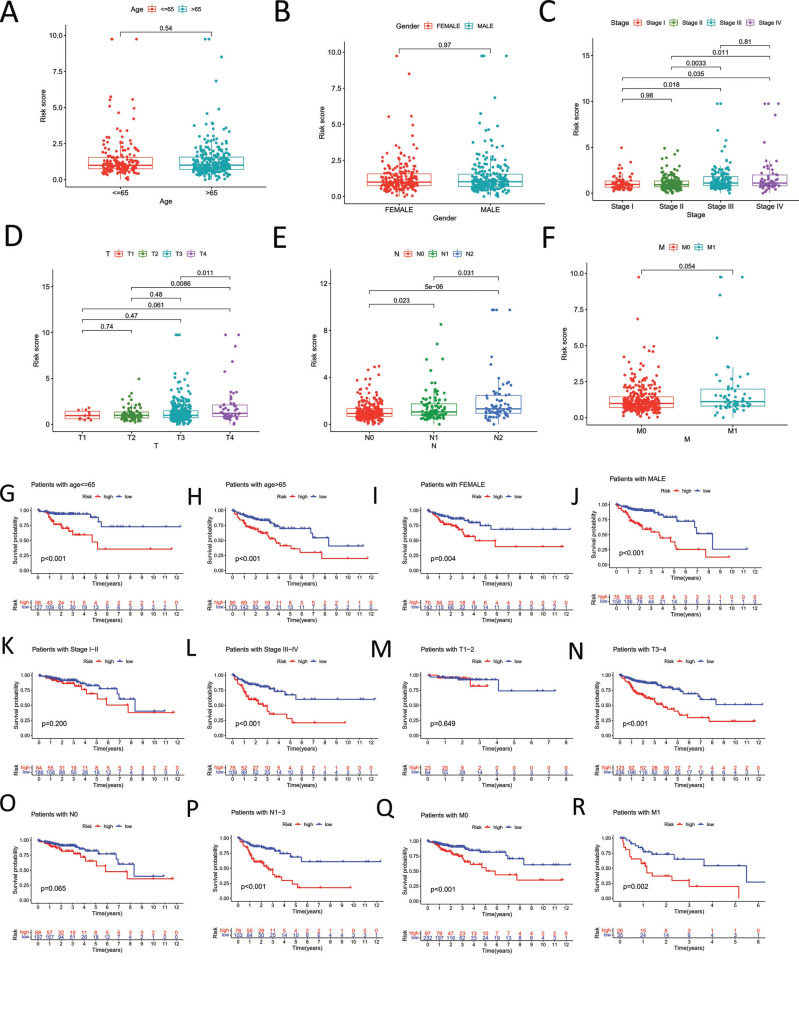
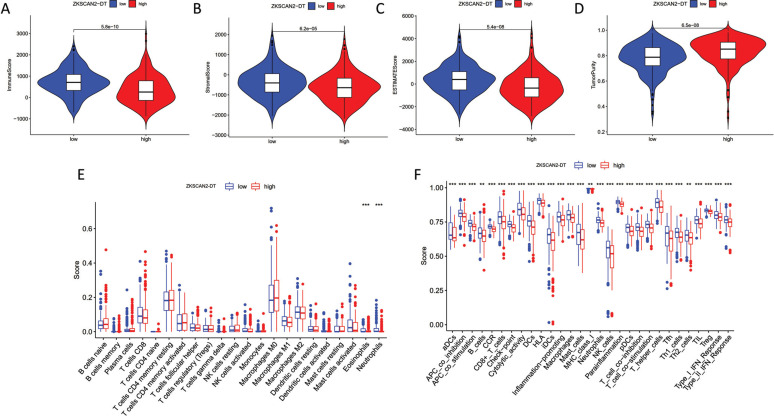
Seven pyroptosis-related lncRNAs have been identified as COAD predictive risk factors. Cox analysis, both univariate and multivariate, revealed that the established signature might serve as a novel independent factor with prognostic meaning in COAD patients. ZKSCAN2-DT was shown to be considerably overexpressed in the COAD cell line when compared to normal human colonic epithelial cells. Furthermore, ssGSEA analysis results revealed that the immune infiltration percentage of most immune cells dropped considerably as ZKSCAN2-DT expression increased, implying that ZKSCAN2-DT may play an important role in COAD immunotherapy.
Our research is the first to identify pyroptosis-related lncRNAs connected with COAD patient prognosis and to construct a predictive prognosis signature, directing COAD patient prognosis in therapeutic interventions.
结直肠癌(CRC)已成为最常见的胃肠道恶性肿瘤,在全球所有恶性肿瘤中,其发病率排名第三(10.2%),死亡率排名第二(9.2%)。CRC 最常见的组织学亚型是结肠腺癌(COAD),尽管 CRC 的病因仍不清楚,因为没有有效的生物标志物。
我们采用全面的研究方法,基于发现的与细胞焦亡相关的 lncRNAs 构建了一个可信的 COAD 预测生物分子风险模型。此外,我们还采用了 Cibersort 和 Tumor Immune Dysfunction and Exclusion(TIDE)这两种探索肿瘤免疫浸润的方法,来检测差异 lncRNAs 对肿瘤微环境的影响。最后,我们利用定量实时聚合酶链反应(qPCR)这一探索表达的方法,在四种不同的细胞系中进行了研究。
我们确定了七个与细胞焦亡相关的 lncRNAs 作为 COAD 的预测风险因素。Cox 单因素和多因素分析显示,该模型可能是 COAD 患者具有预后意义的新的独立因素。与正常的人结肠上皮细胞相比,在 COAD 细胞系中,ZKSCAN2-DT 的表达显著上调。此外,ssGSEA 分析结果表明,随着 ZKSCAN2-DT 表达的增加,大多数免疫细胞的免疫浸润百分比显著下降,这表明 ZKSCAN2-DT 可能在 COAD 的免疫治疗中发挥重要作用。
我们的研究首次鉴定了与 COAD 患者预后相关的细胞焦亡相关 lncRNAs,并构建了一个预测预后的模型,为 COAD 患者的治疗干预提供了预后指导。