Department of Orthodontics, Stomatological Hospital of Chongqing Medical University, Chongqing, People's Republic of China.
Chongqing Key Laboratory of Oral Diseases and Biomedical Sciences, Chongqing, People's Republic of China.
BMC Oral Health. 2023 Aug 24;23(1):587. doi: 10.1186/s12903-023-03302-6.
This study aims to assess the scientific evidence regarding the clinical outcomes of Invisalign therapy in controlling orthodontic tooth movement.
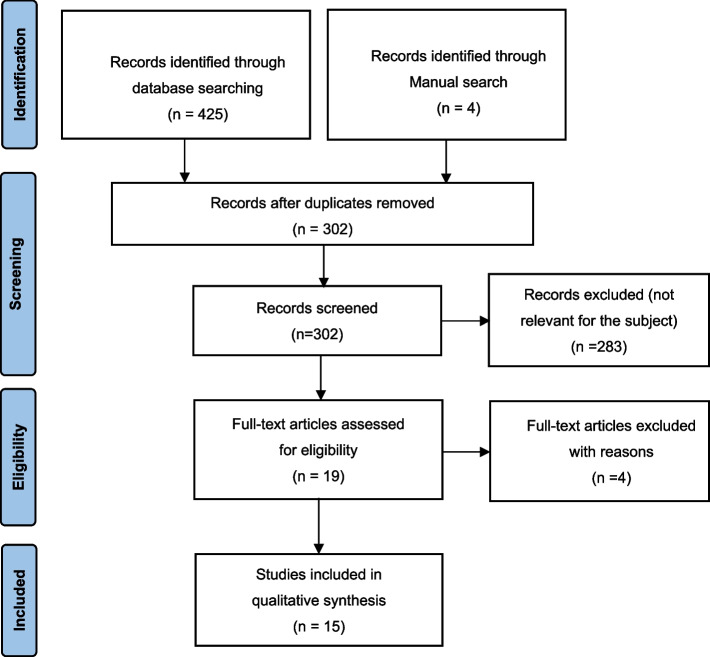
An electronic search was conducted on PubMed, Cochrane Library, Web of Science, Embase, and Scopus from November 2015 to November 2022 to identify relevant articles. Methodological shortcomings were highlighted, and an evaluation of the quality of the included studies was completed using the Risk of Bias in Non-randomized Studies of Interventions (ROBINS-I) tool.
Fifteen non-randomized controlled trials were included in the analysis. Most non-randomized controlled trials (n=11; 73%) were rated with a moderate risk of bias according to the ROBINS-I tool. There were statistically significant differences between the pretreatment and posttreatment arches. The average expansion was significantly different from that predicted for each type of tooth in both the maxilla and mandible. Furthermore, the efficiency decreased from the anterior area to the posterior area in the upper arch.
Despite the fact that arch expansion with Invisalign® is not entirely predictable, clear aligner treatment is a viable option for addressing dentition crowding. The efficacy of expansion is greatest in the premolar area. More research focusing on treatment outcomes with different materials of aligners should be conducted in the future. Overcorrection should be considered when planning arch expansion with Invisalign. In the maxilla, the expansion rate decreases from the anterior to the posterior, and presetting sufficient buccal root torque of posterior teeth may result in improved efficiency of expansion.
本研究旨在评估 Invisalign 治疗在控制正畸牙齿移动方面的临床效果的科学证据。
从 2015 年 11 月至 2022 年 11 月,我们在 PubMed、Cochrane 图书馆、Web of Science、Embase 和 Scopus 上进行了电子检索,以确定相关文章。突出了方法学上的缺陷,并使用干预措施非随机研究的偏倚风险(ROBINS-I)工具对纳入研究的质量进行了评估。
分析纳入了 15 项非随机对照试验。根据 ROBINS-I 工具,大多数非随机对照试验(n=11;73%)被评为中度偏倚风险。治疗前和治疗后的牙弓之间存在统计学上的显著差异。上颌和下颌的每颗牙齿的平均扩展量明显不同于预测值。此外,在上颌弓中,效率从前区向后区降低。
尽管 Invisalign® 的牙弓扩展并不完全可预测,但明确的矫正器治疗是解决牙齿拥挤的可行选择。扩张的效果在前磨牙区最大。未来应该进行更多关注不同矫正器材料治疗效果的研究。在计划使用 Invisalign 进行牙弓扩展时,应考虑过度矫正。在上颌,扩展率从前向后降低,预设足够的后牙颊侧根扭矩可能会提高扩展效率。