Shpun Gal, Farah Nairouz, Chemla Yoav, Markus Amos, Leibovitch Tamar Azrad, Lasnoy Erel, Gerber Doron, Zalevsky Zeev, Mandel Yossi
The Alexander Kofkin Faculty of Engineering, Bar Ilan University, 5290002, Ramat Gan, Israel.
Faculty of Life Sciences, School of Optometry & Visual Science, Bar Ilan University, 5290002, Ramat Gan, Israel.
J Biol Eng. 2023 Aug 24;17(1):55. doi: 10.1186/s13036-023-00370-8.
Tissue-integrated micro-electronic devices for neural stimulation hold great potential in restoring the functionality of degenerated organs, specifically, retinal prostheses, which are aimed at vision restoration. The fabrication process of 3D polymer-metal devices with high resolution and a high aspect-ratio (AR) is very complex and faces many challenges that impair its functionality.
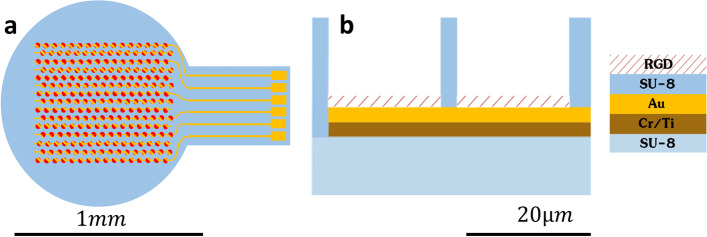
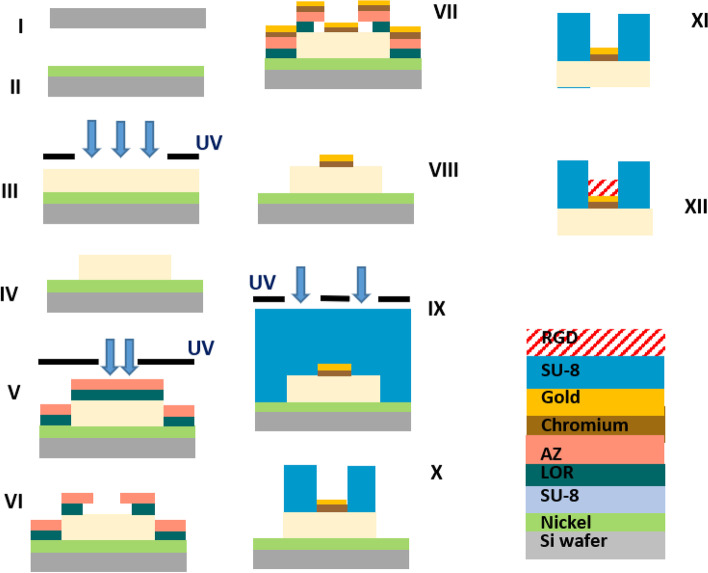
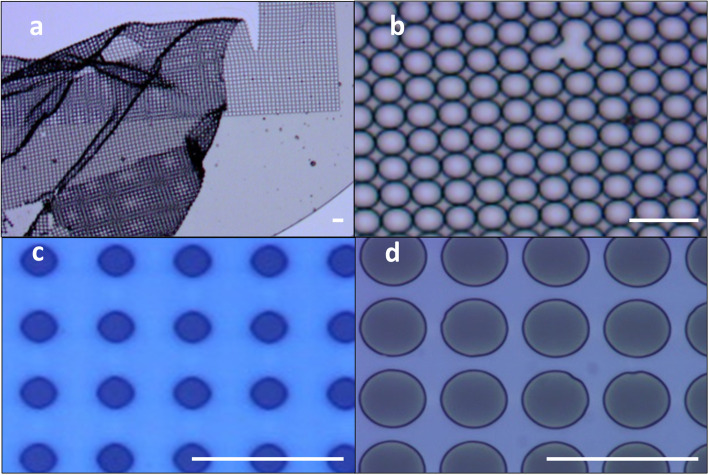
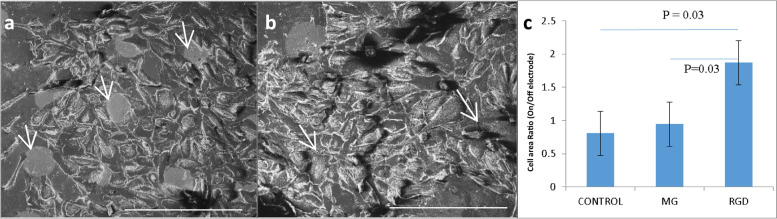
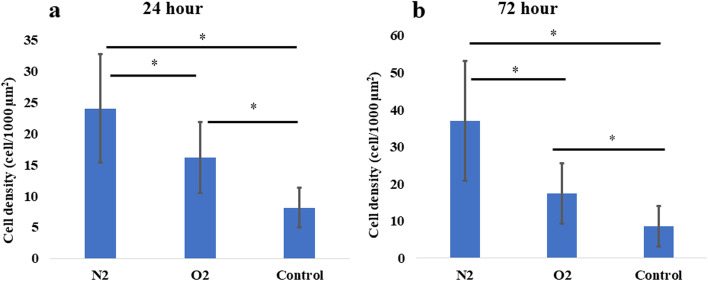
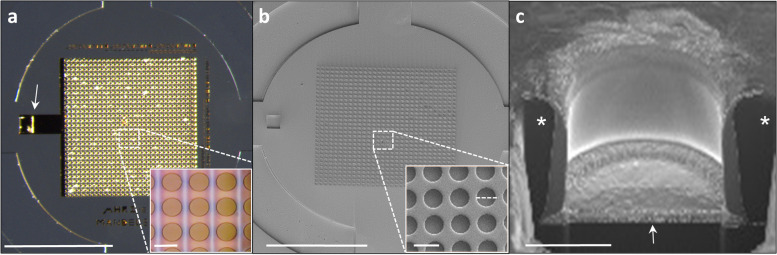
Here we describe the optimization of the fabrication process of a bio-functionalized 3D high-resolution 1mm circular subretinal implant composed of SU-8 polymer integrated with dense gold microelectrodes (23μm pitch) passivated with 3D micro-well-like structures (20μm diameter, 3μm resolution). The main challenges were overcome by step-by-step planning and optimization while utilizing a two-step bi-layer lift-off process; bio-functionalization was carried out by N plasma treatment and the addition of a bio-adhesion molecule.
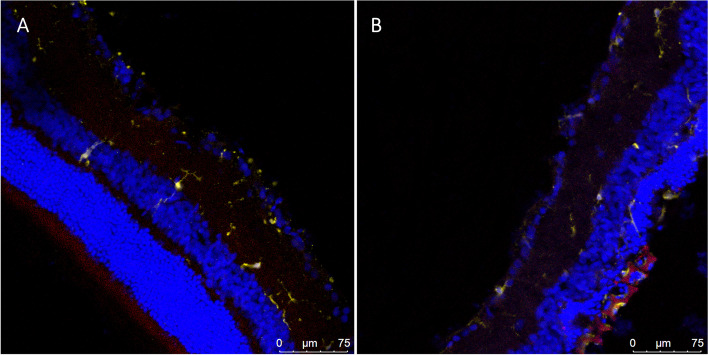
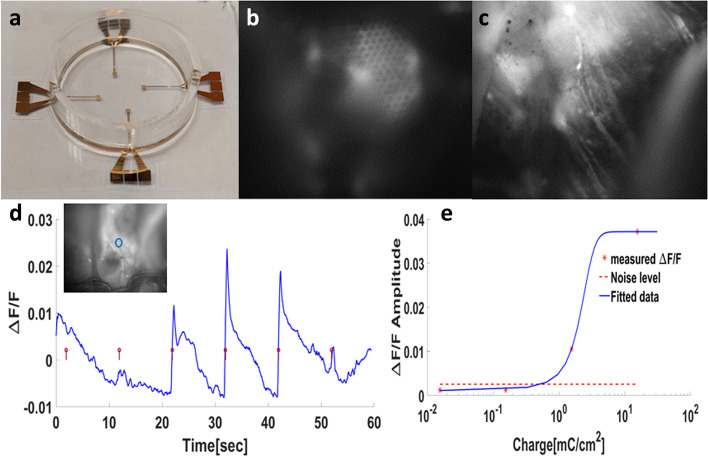
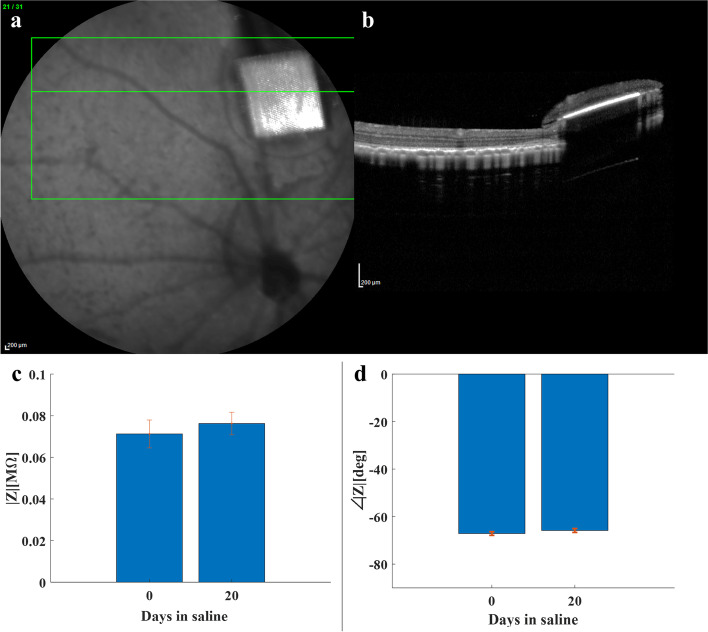
In-vitro and in-vivo investigations, including SEM and FIB cross section examinations, revealed a good structural design, as well as a good long-term integration of the device in the rat sub-retinal space and cell migration into the wells. Moreover, the feasibility of subretinal neural stimulation using the fabricated device was demonstrated in-vitro by electrical activation of rat's retina.
The reported process and optimization steps described here in detail can aid in designing and fabricating retinal prosthetic devices or similar neural implants.
用于神经刺激的组织集成微电子设备在恢复退化器官的功能方面具有巨大潜力,特别是视网膜假体,其旨在恢复视力。具有高分辨率和高纵横比(AR)的3D聚合物-金属设备的制造过程非常复杂,面临许多损害其功能的挑战。
在此,我们描述了一种生物功能化的3D高分辨率1mm圆形视网膜下植入物制造过程的优化,该植入物由集成有密集金微电极(间距23μm)的SU-8聚合物组成,并用3D微孔状结构(直径20μm,分辨率3μm)进行钝化。通过逐步规划和优化,同时利用两步双层剥离工艺克服了主要挑战;通过N等离子体处理和添加生物粘附分子进行生物功能化。
包括SEM和FIB横截面检查在内的体外和体内研究表明,该设备具有良好的结构设计,以及在大鼠视网膜下空间的良好长期整合和细胞向孔内的迁移。此外,通过对大鼠视网膜的电激活,在体外证明了使用制造的设备进行视网膜下神经刺激的可行性。
本文详细描述的所报道的工艺和优化步骤有助于设计和制造视网膜假体设备或类似的神经植入物。