Biochemistry Department, Faculty of Agriculture, Cairo University, Gamma St, Giza, 12613, Egypt.
Biological and Geological Sciences Department, Faculty of Education, Ain Shams University, Cairo, 11341, Egypt.
Environ Sci Pollut Res Int. 2023 Sep;30(45):100477-100499. doi: 10.1007/s11356-023-29414-8. Epub 2023 Aug 26.
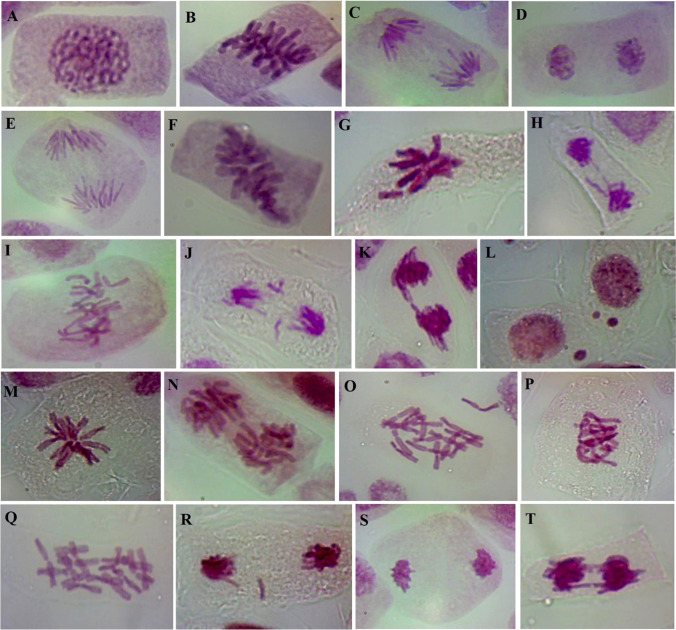
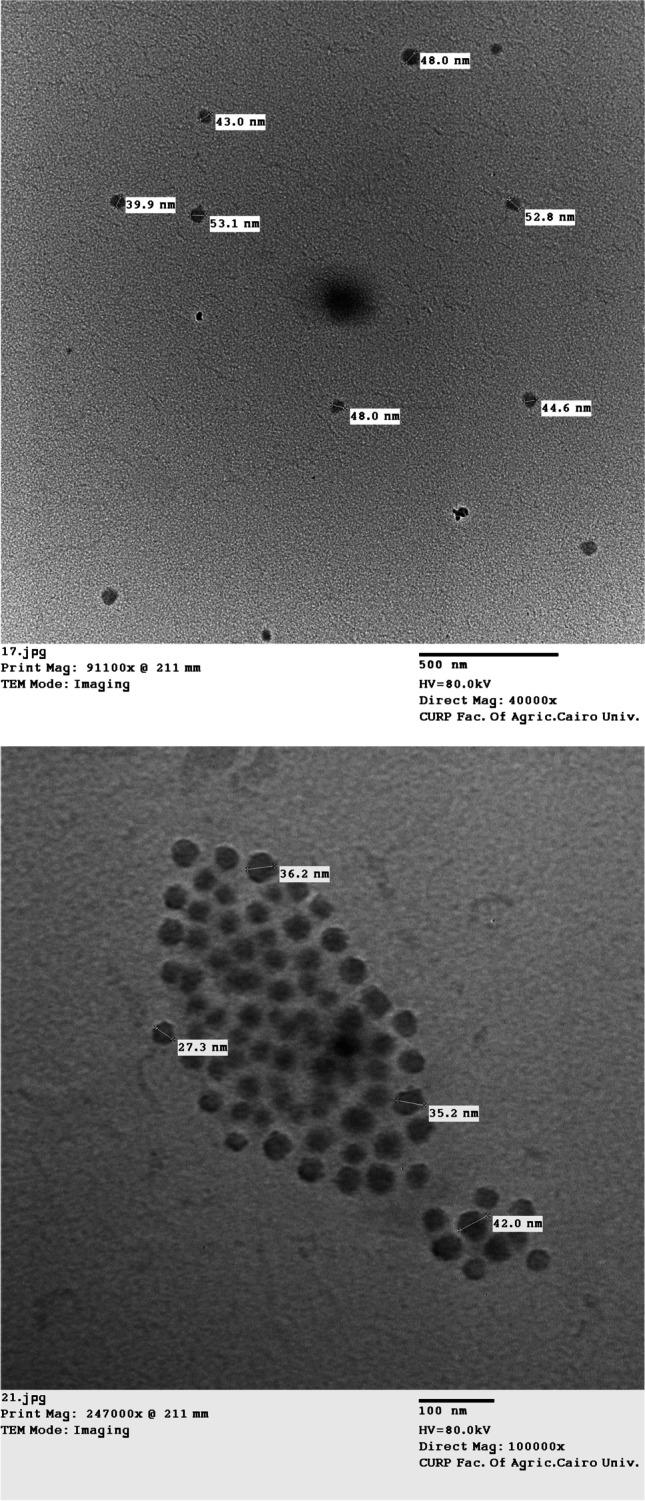
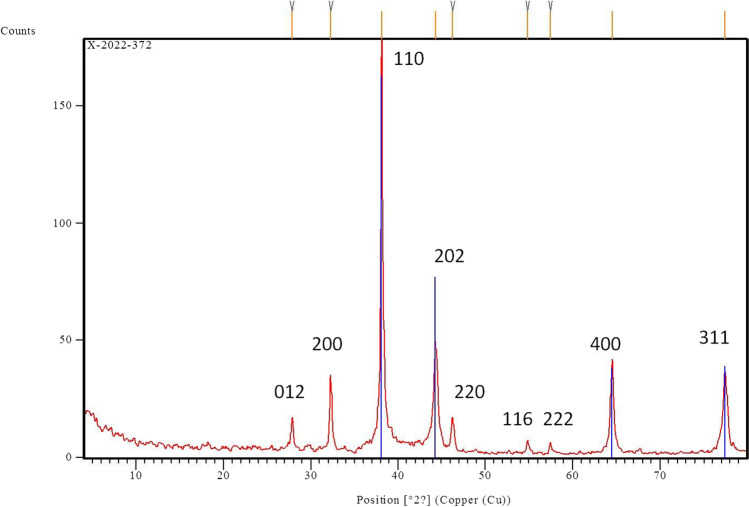
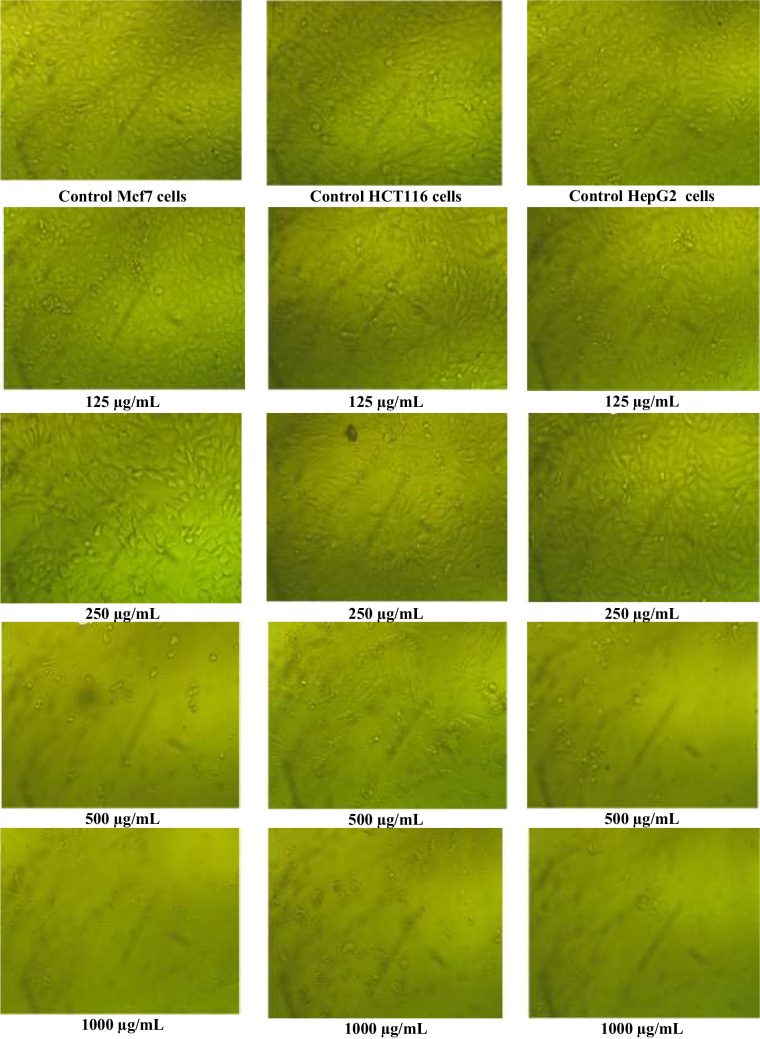
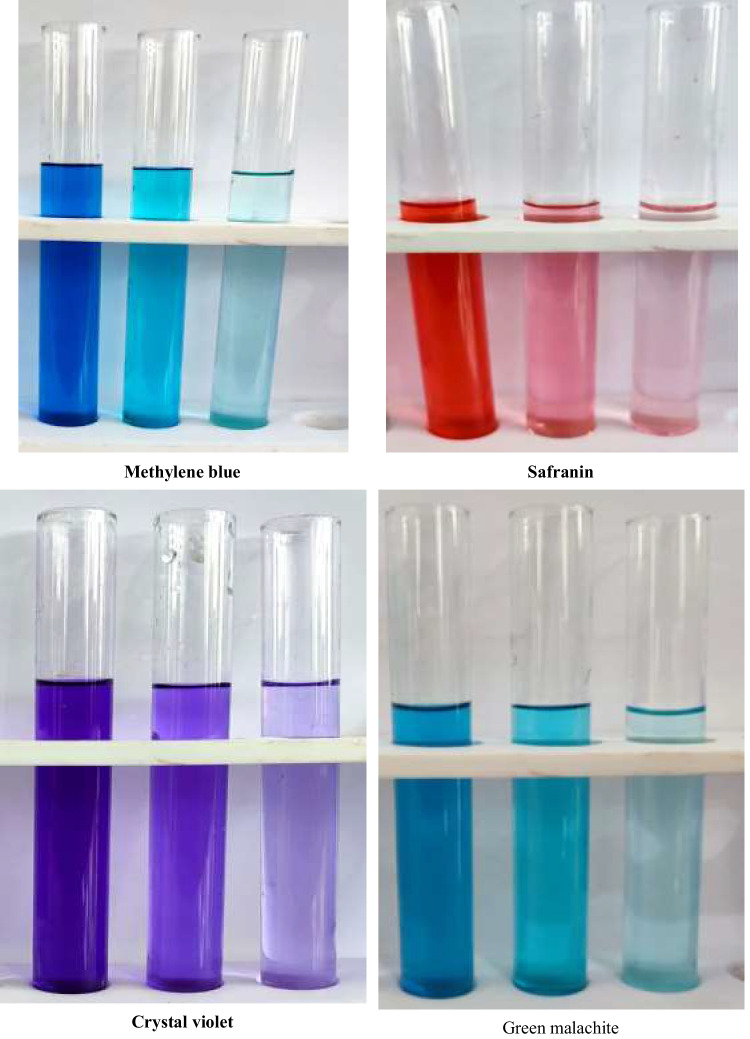
Green biosynthesized nanoparticles have a bright future because they can be produced using a method that is more energy-efficient, cost-effective, repeatable, and environmentally friendly than physical or chemical synthesis. In this study, silver nanoparticles (AgNPs) were produced using the Fusarium nygamai isolate AJTYC1. Several techniques were used to characterize the synthesized AgNPs, including UV-Vis spectroscopy, transmission electron microscope, zeta potential analysis, X-ray diffraction analysis, energy dispersive X-ray, and Fourier transform-infrared spectroscopy. AgNPs showed a distinctive surface plasmon resonance (SPR) peak in the UV-visible range at 310 nm. The morphology of the biosynthesized AgNPs was spherical, and the TEM image shows that they ranged in size from 27.3 to 53.1 nm. The notable peaks of the FT-IR results show the different groups for the alkane, alkynes, cyclic alkenes, carboxylic, aromatic amine, esters, and phenolics. Additionally, the results showed that AgNPs had superior antioxidant activity when compared to ascorbic acid and butylated hydroxytoluene, which is a powerful antioxidant. Additionally, AgNPs have antibacterial action utilizing agar diffusion against gram-positive bacteria, gram-negative bacteria, and antifungal activity. AgNPs' anticancer activity varied depending on the type of cancer it was used to treat, including hepatocellular cancer (HepG2), colorectal carcinoma (HCT116), and breast cancer of the mammary gland (MCF7). The viability of the cancer cell lines was reduced with increasing AgNP concentration. AgNPs also demonstrated promising photocatalytic activity by reducing methylene blue, safranin, crystal violet, and green malachite by 88.3%, 81.5%, 76.4%, and 78.2%, respectively. In addition, AgNPs significantly affected the Allium cepa plant's mitotic index and resulted in chromosomal abnormalities as compared to the control. Thus, the synthesized AgNPs demonstrated an efficient, eco-friendly, and sustainable method for decolorizing dyes as well as antioxidant, antibacterial, antifungal, and anticancer activities. This could be a huge victory in the fight against numerous dynamic diseases and lessen wastewater dye contamination.
绿色生物合成纳米粒子具有广阔的前景,因为它们可以通过一种比物理或化学合成更节能、更具成本效益、更可重复且更环保的方法来生产。在这项研究中,使用 Fusarium nygamai 分离株 AJTYC1 生产了银纳米粒子(AgNPs)。使用多种技术对合成的 AgNPs 进行了表征,包括紫外-可见光谱、透射电子显微镜、Zeta 电位分析、X 射线衍射分析、能量色散 X 射线和傅里叶变换-红外光谱。AgNPs 在紫外-可见范围内在 310nm 处显示出独特的表面等离子体共振(SPR)峰。生物合成的 AgNPs 的形态为球形,TEM 图像显示其尺寸范围为 27.3 至 53.1nm。FT-IR 结果的显著峰显示了烷烃、炔烃、环烯烃、羧酸、芳族胺、酯和酚的不同基团。此外,结果表明,与抗坏血酸和丁基化羟基甲苯(一种强大的抗氧化剂)相比,AgNPs 具有更好的抗氧化活性。此外,AgNPs 具有利用琼脂扩散对抗革兰氏阳性菌、革兰氏阴性菌和抗真菌的抗菌作用。AgNPs 的抗癌活性因所治疗的癌症类型而异,包括肝癌细胞(HepG2)、结肠直肠癌细胞(HCT116)和乳腺癌细胞(MCF7)。随着 AgNP 浓度的增加,癌细胞系的活力降低。AgNPs 还通过还原亚甲基蓝、番红、结晶紫和绿色孔雀石绿分别减少 88.3%、81.5%、76.4%和 78.2%,表现出有希望的光催化活性。此外,与对照相比,AgNPs 显著影响洋葱根尖的有丝分裂指数并导致染色体异常。因此,合成的 AgNPs 展示了一种高效、环保且可持续的方法,可用于脱色染料以及具有抗氧化、抗菌、抗真菌和抗癌活性。这可能是对抗众多动态疾病和减轻废水染料污染的巨大胜利。