Division of Biological Science and Technology, College of Science and Technology, Yonsei University, Wonju 26493, Republic of Korea.
Graduate School of Life Sciences, Tohoku University, Sendai 980-8577, Japan.
Int J Mol Sci. 2023 Aug 10;24(16):12640. doi: 10.3390/ijms241612640.
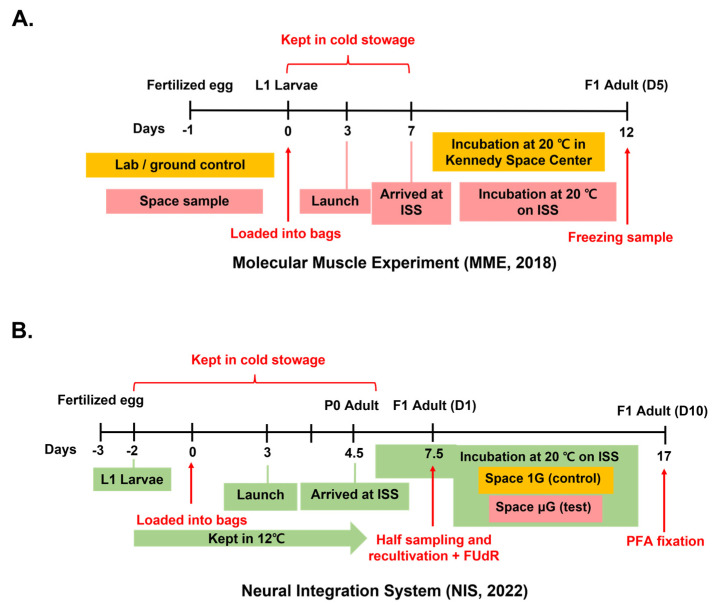
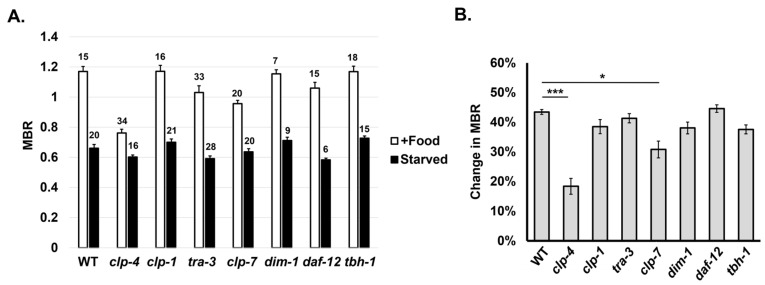
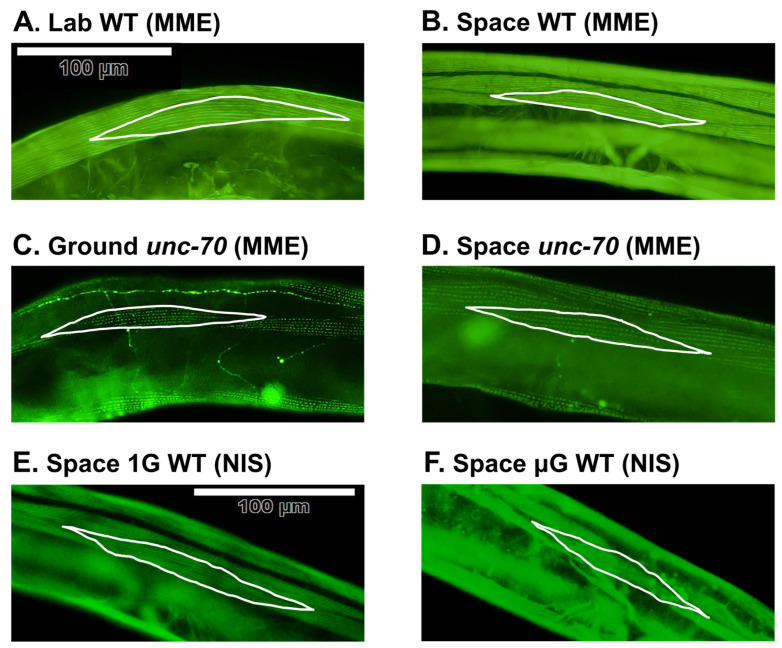
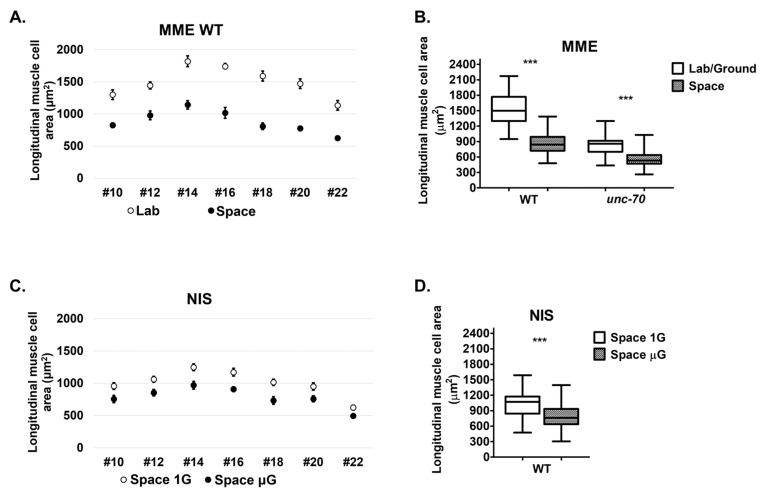
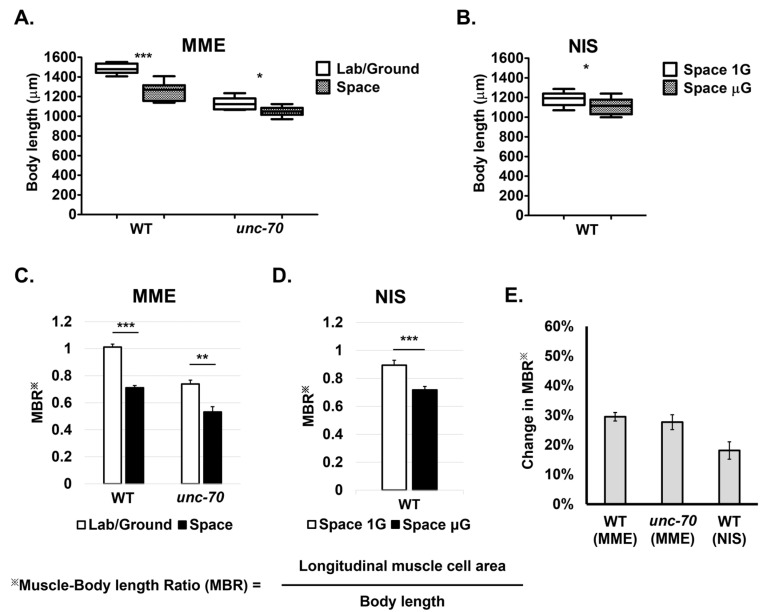
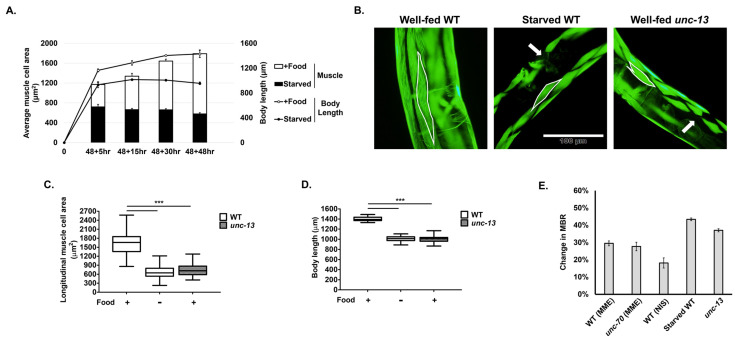
While spaceflight is becoming more common than before, the hazards spaceflight and space microgravity pose to the human body remain relatively unexplored. Astronauts experience muscle atrophy after spaceflight, but the exact reasons for this and solutions are unknown. Here, we take advantage of the nematode to understand the effects of space microgravity on worm body wall muscle. We found that space microgravity induces muscle atrophy in from two independent spaceflight missions. As a comparison to spaceflight-induced muscle atrophy, we assessed the effects of acute nutritional deprivation and muscle disuse on muscle cells. We found that these two factors also induce muscle atrophy in the nematode. Finally, we identified , which encodes a calpain protease that promotes muscle atrophy. Mutants of suppress starvation-induced muscle atrophy. Such comparative analyses of different factors causing muscle atrophy in could provide a way to identify novel genetic factors regulating space microgravity-induced muscle atrophy.
虽然太空飞行比以前更为常见,但太空飞行和空间微重力对人体造成的危害仍相对未知。宇航员在太空飞行后会经历肌肉萎缩,但确切原因和解决方案尚不清楚。在这里,我们利用线虫来了解空间微重力对虫体壁肌肉的影响。我们发现,空间微重力会引起来自两次独立太空飞行任务的 肌肉萎缩。作为与太空飞行引起的肌肉萎缩的比较,我们评估了急性营养剥夺和肌肉失用对 肌肉细胞的影响。我们发现这两个因素也会引起线虫的肌肉萎缩。最后,我们确定了 ,它编码一种钙蛋白酶蛋白酶,促进肌肉萎缩。 的突变体抑制饥饿诱导的肌肉萎缩。对不同因素引起的线虫肌肉萎缩的这种比较分析可以提供一种识别调节空间微重力诱导肌肉萎缩的新遗传因素的方法。