Kist Medical College, Kathmandu, Nepal.
Dow Medical College, Karachi, Pakistan.
Biomol Biomed. 2024 Jan 3;24(1):4-13. doi: 10.17305/bb.2023.9535.
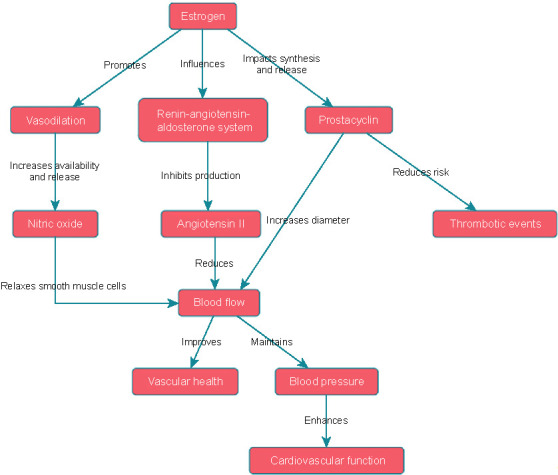
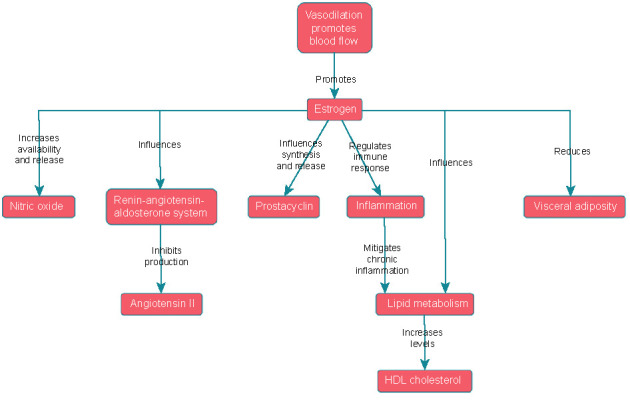
Myocardial infarction (MI) commonly known as "heart attack" results from the blockage of blood flow to the heart. Postmenopausal women face an elevated risk of MI due to declining estrogen levels, a hormone pivotal in maintaining cardiovascular health. It promotes vasodilation, reduce inflammation, and improves lipid profiles. While estrogen therapy shows promise in mitigating MI risk for postmenopausal woman, its efficacy in prevention and recovery remains a subject of debate. This review provides a critical assessment of existing evidence on estrogen therapy's cardioprotective effects for postmenopausal women. It delves into estrogen's role in vascular function enhancement, inflammation reduction, and lipid metabolism modulation. Additionally, it addresses the various forms of estrogen therapy, administration methods, dosage considerations, safety implications, and associated risks. The review highlights the existing controversies and knowledge gaps related to estrogen therapy for MI prevention. It underscores the urgency for in-depth research to decipher the nexus between estrogen therapy and MI risk, especially concerning primary prevention and specific postmenopausal subgroups. Future studies should investigate optimal formulations, doses, and administration routes of estrogen therapy as well as assess treatment timing and duration. Comparative studies and long-term follow-up are necessary to inform clinical decision-making and improve patient care. Addressing these research gaps will empower clinicians to make more judicious choices about estrogen therapy for MI prevention and recovery in postmenopausal women, aiming for enhanced patient outcomes.
心肌梗死(MI)通常被称为“心脏病发作”,是由于血液流向心脏的阻塞引起的。绝经后妇女由于雌激素水平下降,面临更高的 MI 风险,雌激素是维持心血管健康的关键激素。它促进血管扩张、减少炎症并改善血脂谱。虽然雌激素治疗在降低绝经后妇女的 MI 风险方面显示出前景,但它在预防和恢复方面的疗效仍然存在争议。
本综述对雌激素治疗对绝经后妇女的心脏保护作用的现有证据进行了批判性评估。它深入探讨了雌激素在增强血管功能、减少炎症和调节脂质代谢方面的作用。此外,它还讨论了各种形式的雌激素治疗、给药方法、剂量考虑、安全性影响和相关风险。
该综述强调了与雌激素治疗预防 MI 相关的现有争议和知识空白。它强调了深入研究以阐明雌激素治疗与 MI 风险之间关系的紧迫性,特别是在初级预防和特定绝经后亚组方面。未来的研究应调查雌激素治疗的最佳配方、剂量和给药途径,以及评估治疗时机和持续时间。需要进行比较研究和长期随访,以为临床决策提供信息并改善患者护理。
解决这些研究空白将使临床医生能够更明智地选择雌激素治疗预防和恢复绝经后妇女的 MI,以实现更好的患者结局。