Kang Jung Hun, Jung Chang Yoon, Park Ki-Soo, Huh Jung Sik, Oh Sung Yong, Kwon Jung Hye
Department of Internal Medicine, College of Medicine, Gyeongsang National University, Jinju, Korea.
National Cancer Control Institute, National Cancer Center, Goyang, Korea.
J Hosp Palliat Care. 2021 Dec 1;24(4):226-234. doi: 10.14475/jhpc.2021.24.4.226.
The accessibility of medical facilities for cancer patients affects both their comfort and survival. Patients in rural areas have a higher socioeconomic burden and are more vulnerable to emergency situations than urban dwellers. This study examined the feasibility and effectiveness of a cancer care model integrating a regional cancer center (RCC) and public health center (PHC).
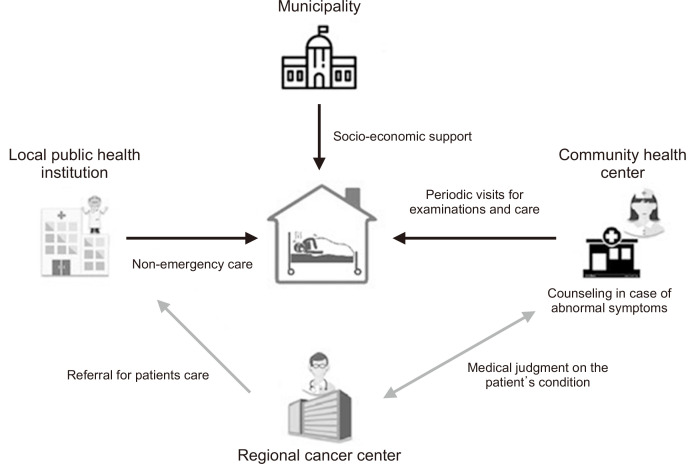
This study analyzed the construction of a safety care network for cancer patients that integrated an RCC and PHC. Two public health institutions (an RCC in Gyeongnam and a PHC in Geochang County) collaborated on the development of the community care model. The study lasted 13 months beginning in February 2019 to February 2020.
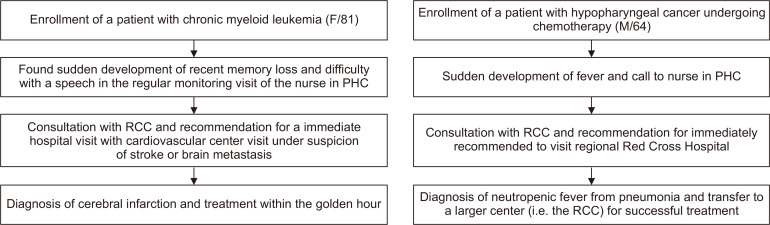
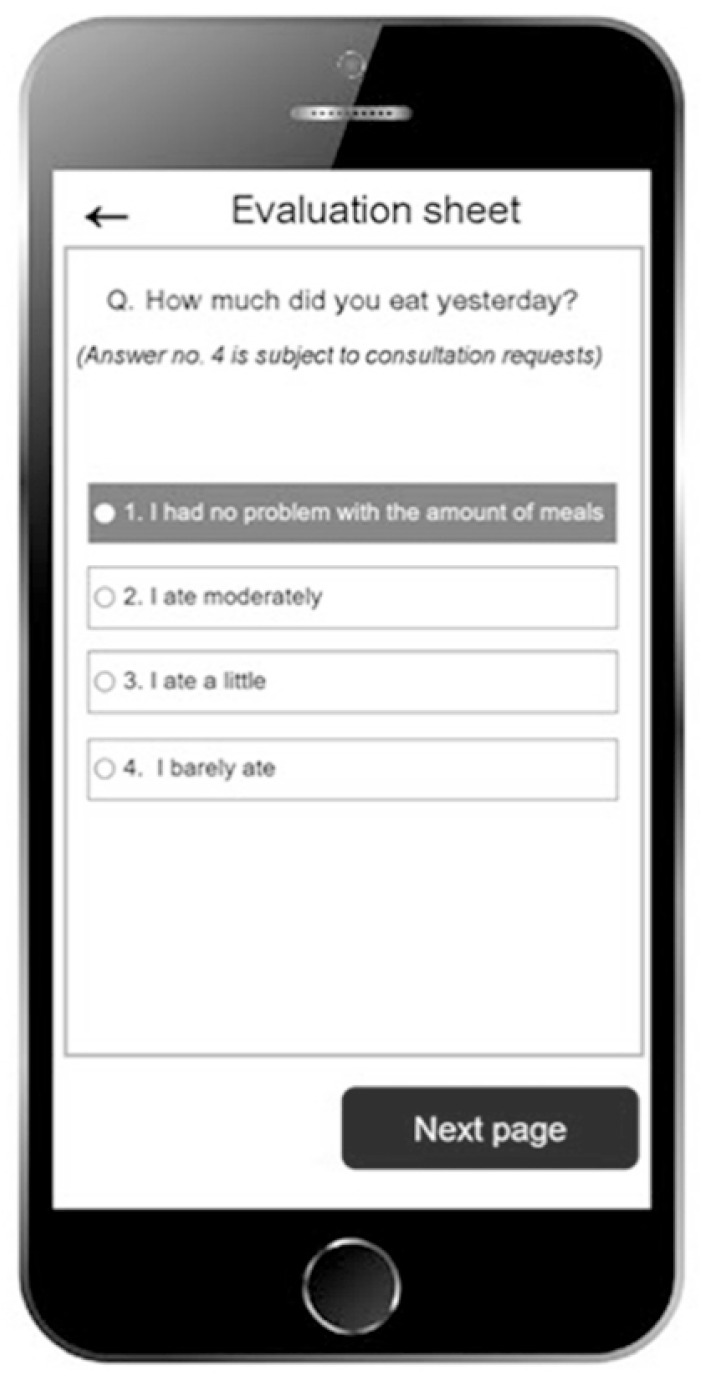
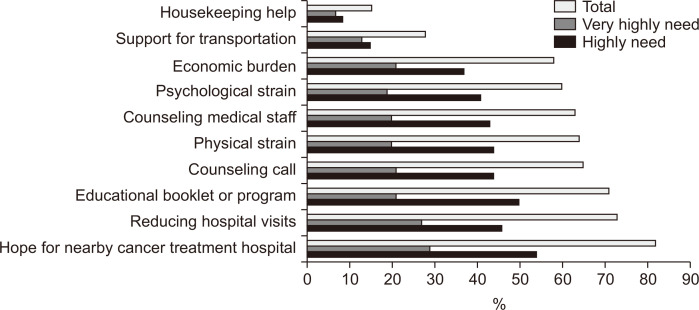
The RCC developed the protocol for evaluating and measuring 27 cancer-related symptoms, conducted education for PHC nurses, and administered case counseling. The staff at the PHC registered, evaluated, and routinely monitored patients through home visits. A smartphone application and regular video conferences were incorporated to facilitate mutual communication. In total, 177 patients (mean age 70.9 years; men 59%) were enrolled from February 2019 to February 2020. Patients' greatest unmet need was the presence of a nearby cancer treatment hospital (83%). In total, 28 (33%) and 44 (52%) participants answered that the care model was very helpful or helpful, respectively.
We confirmed that a combined RCC-PHC program for cancer patients in rural areas is feasible and can bring satisfaction to patients as a safety care network. This program could mitigate health inequalities caused by accessibility issues.
癌症患者获得医疗设施的便利性会影响他们的舒适度和生存率。农村地区的患者比城市居民承担着更高的社会经济负担,且更容易受到紧急情况的影响。本研究探讨了整合区域癌症中心(RCC)和公共卫生中心(PHC)的癌症护理模式的可行性和有效性。
本研究分析了整合RCC和PHC的癌症患者安全护理网络的构建。两家公共卫生机构(庆南的一个RCC和固城郡的一个PHC)合作开展社区护理模式的开发。该研究从2019年2月开始至2020年2月持续了13个月。
RCC制定了评估和测量27种癌症相关症状的方案,为PHC护士提供教育,并进行病例咨询。PHC的工作人员通过家访对患者进行登记、评估和定期监测。引入了智能手机应用程序和定期视频会议以促进相互沟通。2019年2月至2020年2月期间共招募了177名患者(平均年龄70.9岁;男性占59%)。患者未得到满足的最大需求是附近有癌症治疗医院(83%)。共有28名(33%)和44名(52%)参与者分别回答该护理模式非常有帮助或有帮助。
我们证实,针对农村地区癌症患者的RCC与PHC联合项目是可行的,并且作为一个安全护理网络能够给患者带来满意度。该项目可以减轻因可及性问题导致的健康不平等。