Yang Huiqin, Ma Dehong, Li Qin, Zhou Wen, Chen Hongyi, Shan Xiyun, Zheng Haipeng, Luo Chun, Ou Zhiyue, Xu Jielan, Wang Changtai, Zhao Lingzhai, Su Rui, Chen Yuehong, Liu Qingquan, Tan Xinghua, Lin Luping, Jiang Tao, Zhang Fuchun
Infectious Disease Center, Guangzhou Eighth People's Hospital, Guangzhou Medical University, Guangzhou 510440, Guangdong, China.
Department of Infectious Diseases, The People's Hospital of Xishuangbanna Dai Nationality Autonomous Prefecture, Xishuangbanna 666100, Yunnan, China.
Evid Based Complement Alternat Med. 2023 Aug 30;2023:9942842. doi: 10.1155/2023/9942842. eCollection 2023.
Traditional Chinese medicine (TCM) is a widely used method for treating dengue fever in China. TCM improves the symptoms of patients with dengue, but there is no standard TCM prescription for dengue fever. This real-world study aimed to evaluate the effects of Chai-Shi-Jie-Du (CSJD) granules for the treatment of dengue fever and the underlying mechanisms.
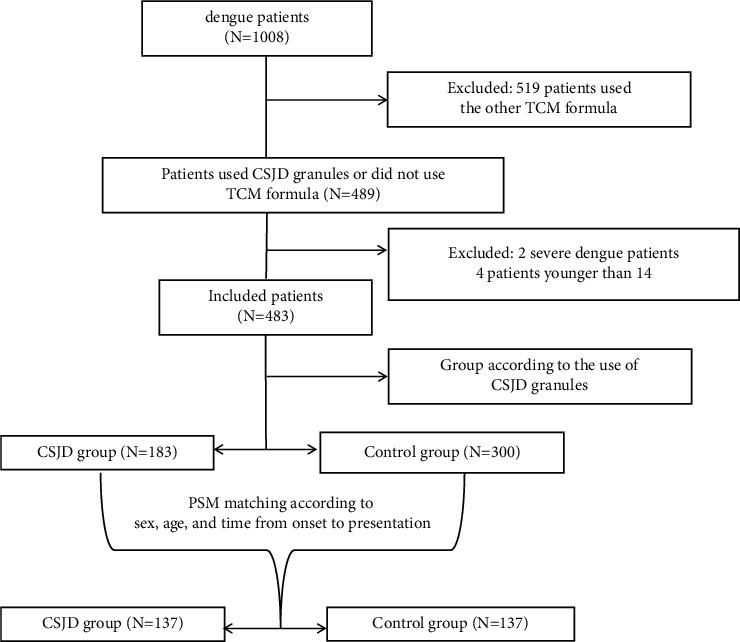
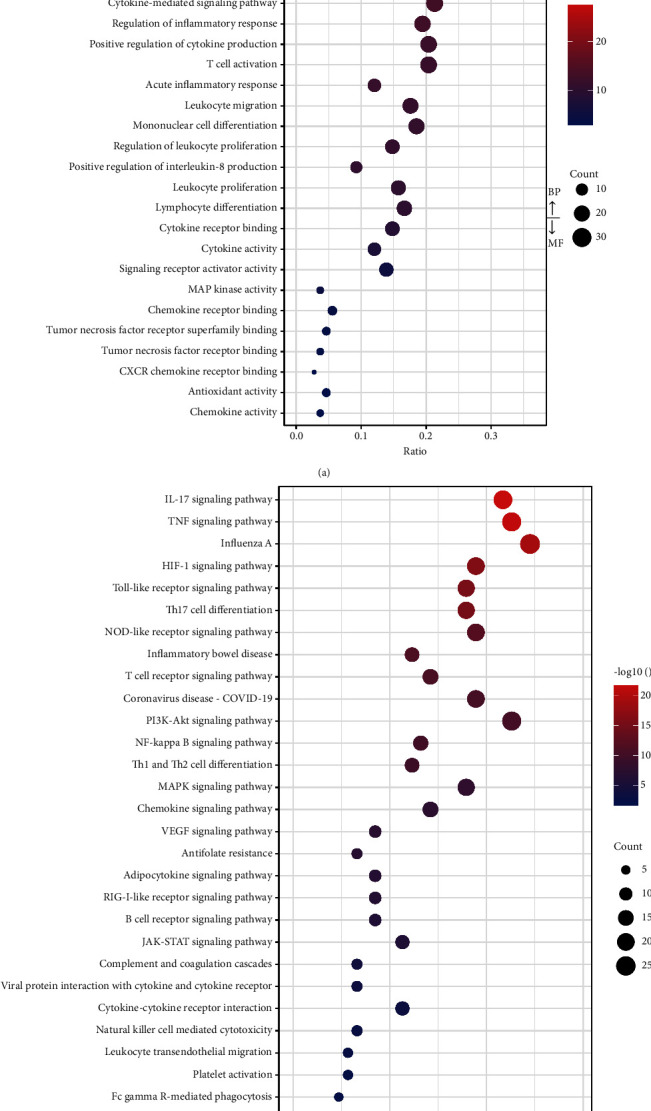
We implemented a multicenter real-world study, an assay and network pharmacology analysis. Patients from 5 hospitals in mainland China who received supportive western treatment in the absence or presence of CSJD were assigned to the control and CSJD groups between 1 August and 31 December 2019. Propensity score matching (PSM) was performed to correct for biases between groups. The clinical data were compared and analyzed. The antidengue virus activity of CSJD was tested in Syrian baby hamster kidney (BHK) cells using the DENV2-NGC strain. Network pharmacological approaches along with active compound screening, target prediction, and GO and KEGG enrichment analyses were used to explore the underlying molecular mechanisms.
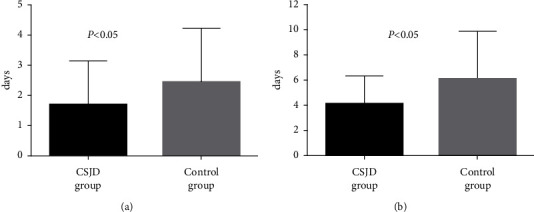
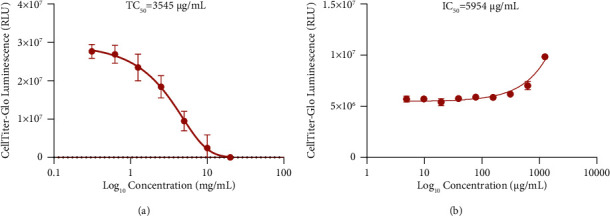
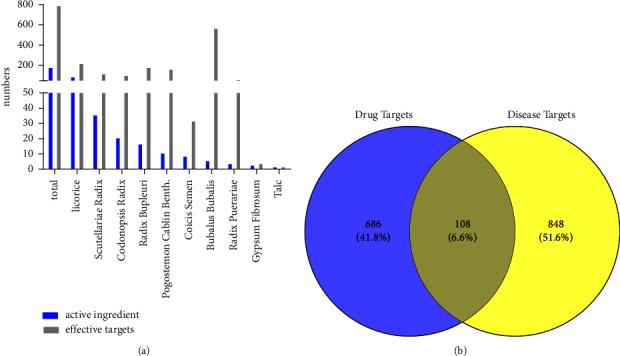
137 pairs of patients were successfully matched according to age, sex, and the time from onset to presentation. The time to defervescence (1.7 days vs. 2.5 days, < 0.05) and the disease course (4.1 days vs. 6.1 days, < 0.05) were significantly shorter in the CSJD group than those in the control group. CSJD showed no anti-DENV2-NGC virus activity in BHK cells. Network pharmacology analysis revealed 108 potential therapeutic targets, and the top GO and KEGG terms were related to immunity, oxidative stress response, and the response to lipopolysaccharide.
CSJD granules exhibit high potential for the treatment of dengue fever, and the therapeutic mechanisms involved could be related to regulating immunity, moderating the oxidative stress response, and the response to lipopolysaccharide.
中医是中国治疗登革热广泛使用的方法。中医可改善登革热患者症状,但尚无登革热的标准中医方剂。本真实世界研究旨在评估柴石解 毒(CSJD)颗粒治疗登革热的效果及其潜在机制。
我们开展了一项多中心真实世界研究、实验分析及网络药理学分析。2019年8月1日至12月31日期间,中国大陆5家医院中接受或未接受CSJD的支持性西医治疗的患者被分为对照组和CSJD组。采用倾向得分匹配(PSM)法校正组间偏差。对临床数据进行比较和分析。使用登革病毒2型NGC株在叙利亚幼仓鼠肾(BHK)细胞中检测CSJD的抗登革病毒活性。采用网络药理学方法,结合活性化合物筛选、靶点预测以及基因本体(GO)和京都基因与基因组百科全书(KEGG)富集分析,探索潜在的分子机制。
根据年龄、性别和发病至就诊时间成功匹配了137对患者。CSJD组的退热时间(1.7天对2.5天,P<0.05)和病程(4.1天对6.1天,P<0.05)明显短于对照组。CSJD在BHK细胞中未显示出抗登革病毒2型NGC病毒活性。网络药理学分析揭示了108个潜在治疗靶点,GO和KEGG的顶级条目与免疫、氧化应激反应以及对脂多糖的反应有关。
CSJD颗粒在治疗登革热方面具有很高潜力,其治疗机制可能与调节免疫、减轻氧化应激反应以及对脂多糖的反应有关。