Borgio J Francis, Alhujaily Rahaf, Alquwaie Rahaf, Alabdullah Maryam Jawad, AlHasani Eman, Alothman Wojod, Alaqeel Rawan Khalid, Alfaraj Aqeelah Salman, Kaabi Ayidah, Alhur Norah F, Akhtar Sultan, AlJindan Reem, Almofty Sarah, Almandil Noor B, AbdulAzeez Sayed
Department of Genetic Research, Institute for Research and Medical Consultations (IRMC), Imam Abdulrahman Bin Faisal University, Dammam 31441, Saudi Arabia.
Department of Epidemic Diseases Research, Institute for Research and Medical Consultations (IRMC), Imam Abdulrahman Bin Faisal University, Dammam 31441, Saudi Arabia.
Comput Struct Biotechnol J. 2023 Sep 1;21:4261-4276. doi: 10.1016/j.csbj.2023.08.031. eCollection 2023.
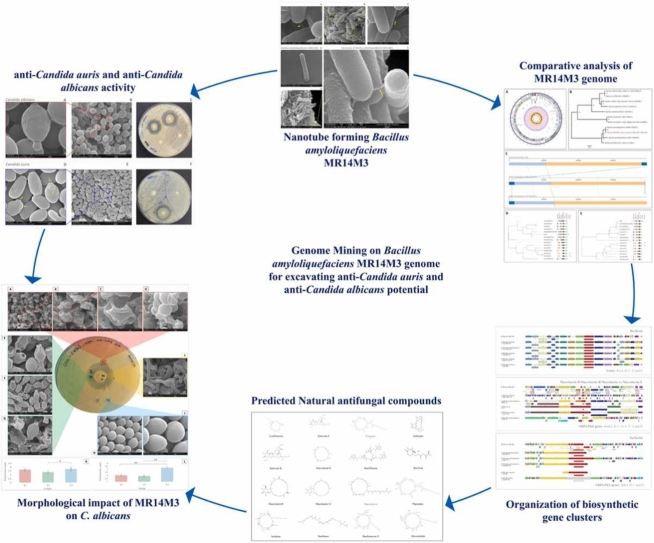
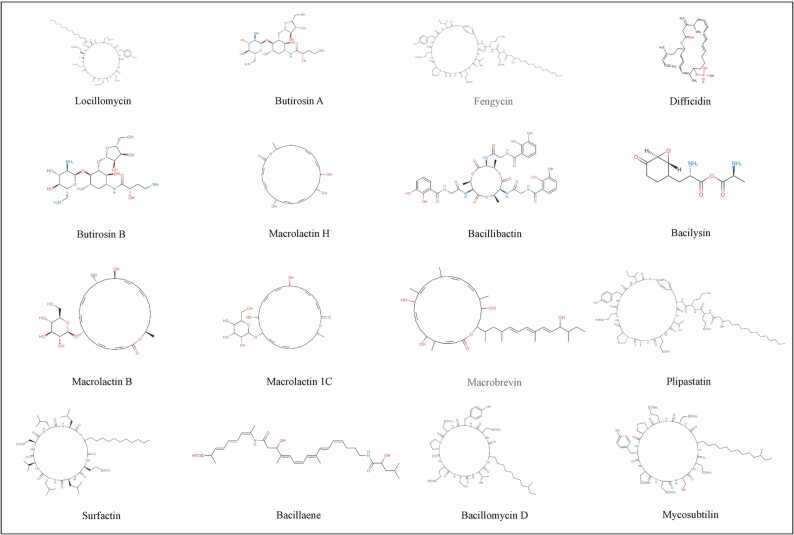
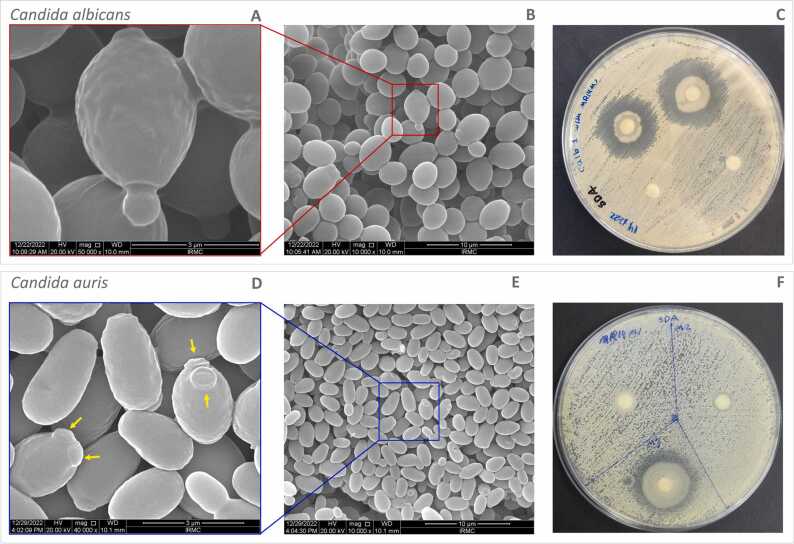
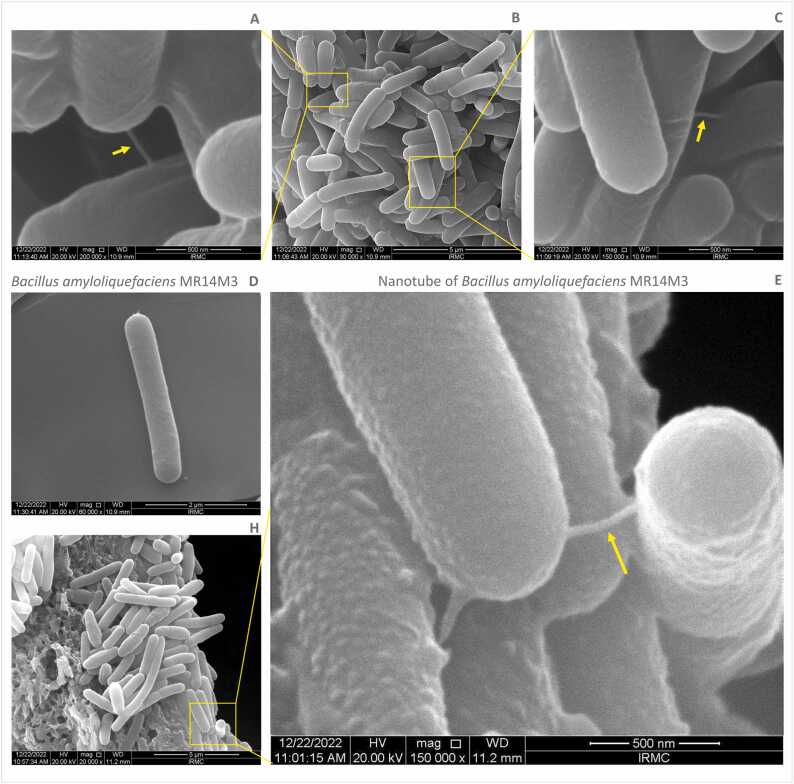
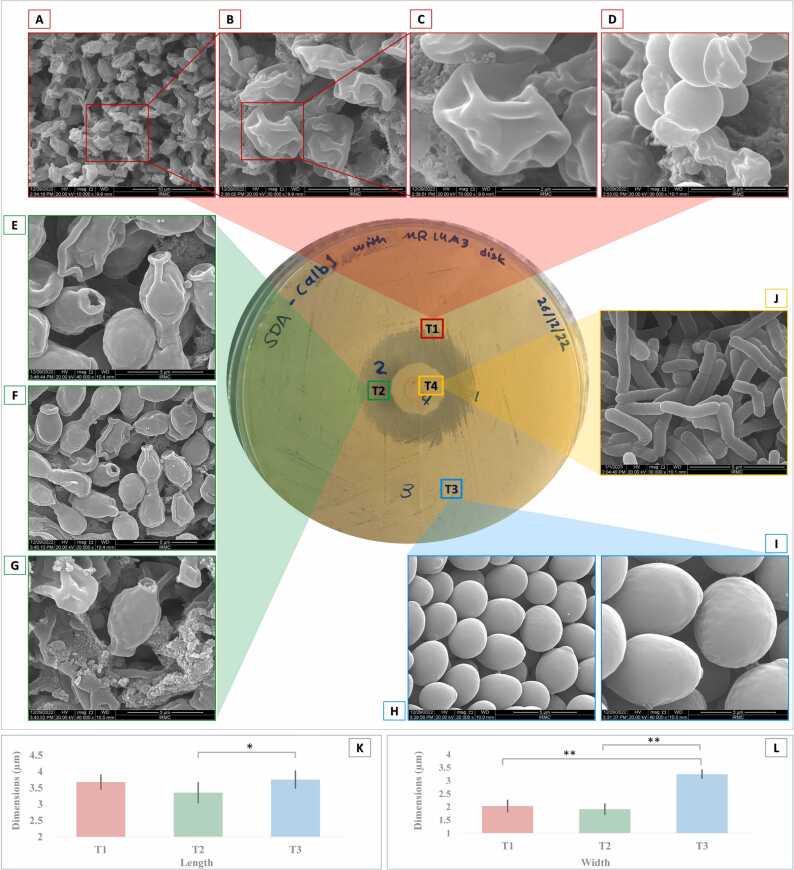
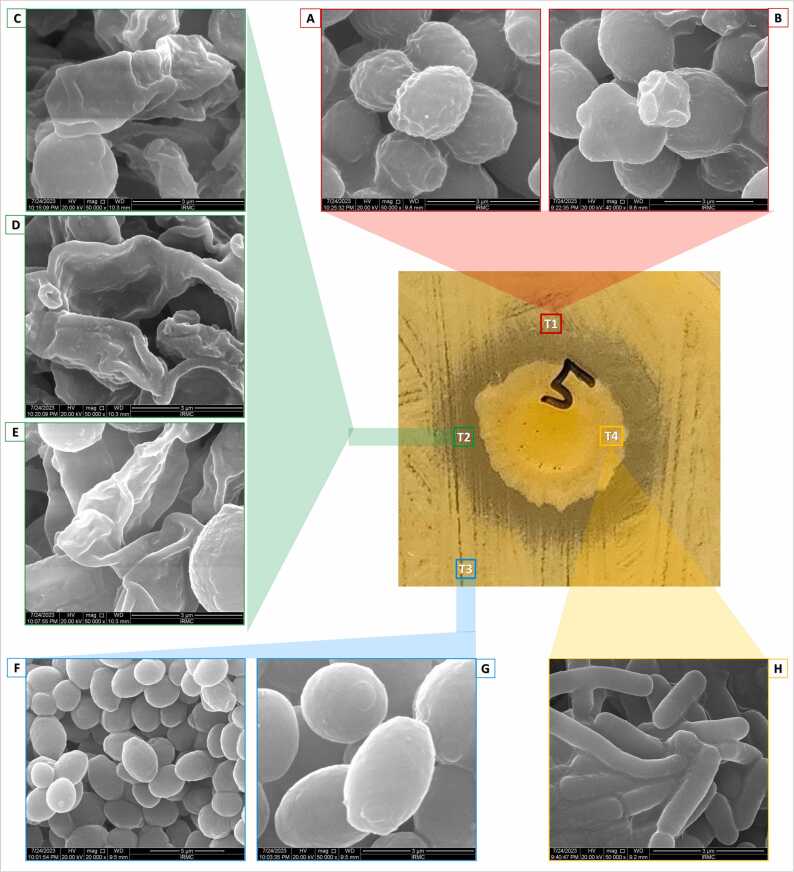
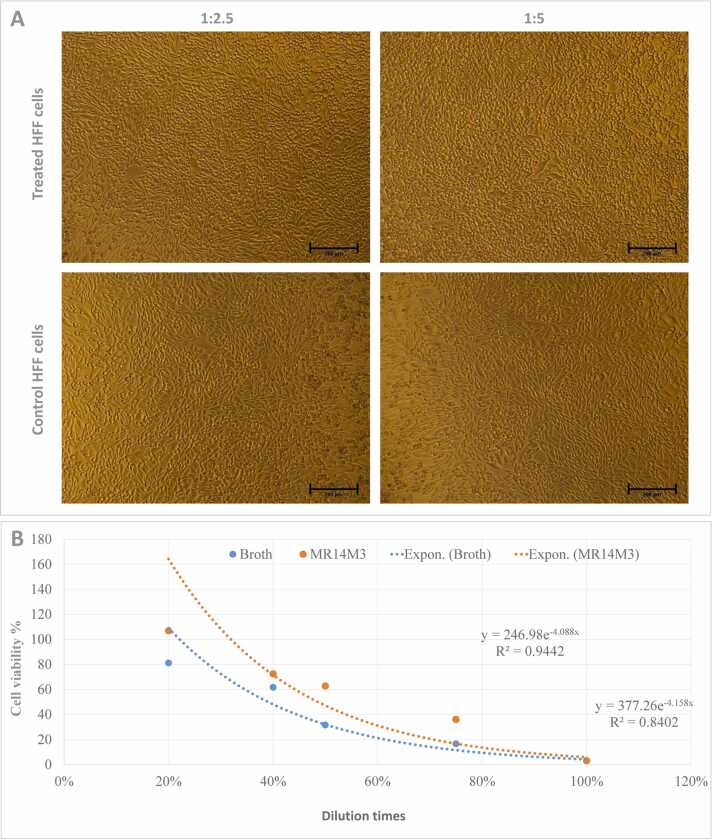
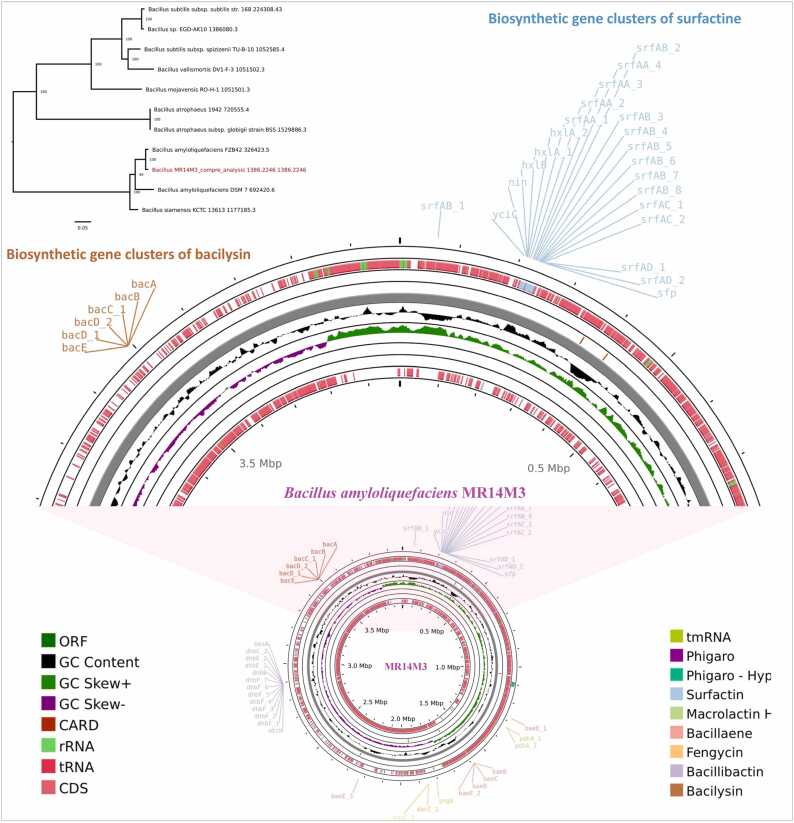
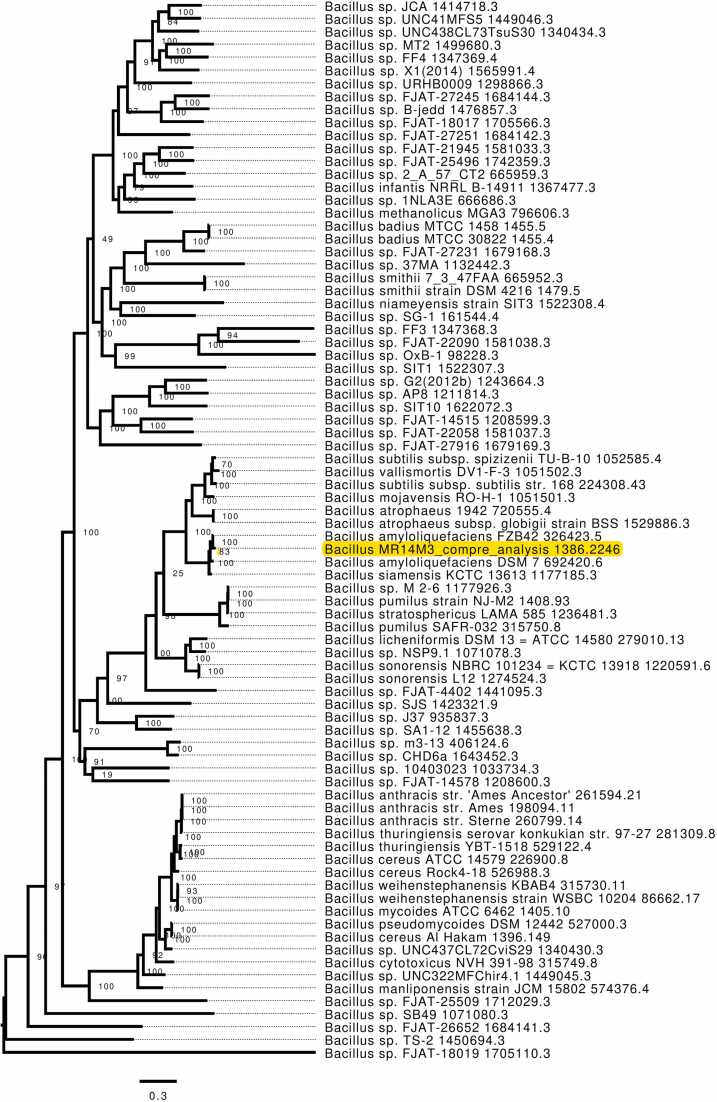
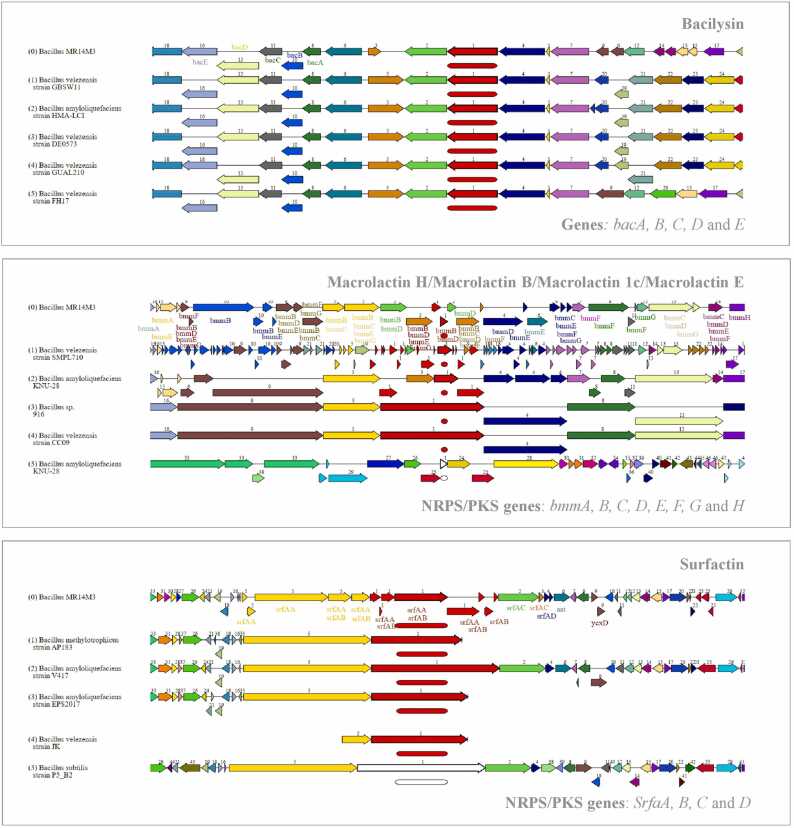
There is a global health concern associated with the emergence of the multidrug-resistant (MDR) fungus , which has significant mortality rates. Finding innovative and distinctive anti- compounds is essential for treating infections caused by MDR . A bacterial strain with anti- activity was isolated and identified using gene sequencing. The whole genome was sequenced to identify biosynthesis-related gene clusters. The pathogenicity and cytotoxicity of the isolate were analyzed in and HFF-1 cell lines, respectively. This study set out to show that whole-genome sequencing, cytotoxicity testing, and pathogenicity analysis combined with genome mining and comparative genomics can successfully identify biosynthesis-related gene clusters in native bacterial isolates that encode antifungal natural compounds active against and . The native isolate MR14M3 has the ability to inhibit (zone of inhibition 25 mm) and (zone of inhibition 25 mm). The gene sequence of MR14M3 aligned with with similarity (100%). MR14M3 establishes bridges of intercellular nanotubes (L 258.56 ± 35.83 nm; W 25.32 ± 6.09 nm) connecting neighboring cells. cell size was reduced significantly, and crushed phenotypes were observed upon treatment with the defused metabolites of MR14M3. Furthermore, the pathogenicity of MR14M3 on cells was observed through cell membrane disruption and lysed yeast cells. The whole-genome alignment of the MR14M3 genome (3981,643 bp) using 100 genes confirmed its affiliation with . Genome mining analysis revealed that MR14M3-coded secondary metabolites are involved in the biosynthesis of polyketides (PKs) and nonribosomal peptide synthases (NRPSs), including 11 biosynthesis-related gene clusters with one hundred percent similarity. Highly conserved biosynthesis-related gene clusters with anti- and anti- potentials and cytotoxic-free activity of MR14M3 proposes the utilization of MR14M3 as a biofactory for an anti- and anti- compound synthesizer.
多重耐药(MDR)真菌的出现引发了全球健康关注,其死亡率颇高。寻找创新且独特的抗真菌化合物对于治疗由MDR真菌引起的感染至关重要。利用基因测序分离并鉴定了一株具有抗真菌活性的细菌菌株。对其全基因组进行测序以识别与生物合成相关的基因簇。分别在酵母和人包皮成纤维细胞系(HFF-1)中分析了该分离株的致病性和细胞毒性。本研究旨在表明,全基因组测序、细胞毒性测试、致病性分析与基因组挖掘及比较基因组学相结合,能够成功识别天然细菌分离株中与生物合成相关的基因簇,这些基因簇编码对酵母和人包皮成纤维细胞具有活性的抗真菌天然化合物。天然分离株MR14M3具有抑制酵母(抑菌圈25毫米)和人包皮成纤维细胞(抑菌圈25毫米)的能力。MR14M3的16S rRNA基因序列与芽孢杆菌相似度为100%。MR14M3建立了连接相邻细胞的细胞间纳米管桥(长度258.56±35.83纳米;宽度25.32±6.09纳米)。酵母细胞大小显著减小,在用MR14M3的扩散代谢产物处理后观察到破碎表型。此外,通过细胞膜破坏和酵母细胞裂解观察到MR14M3对酵母细胞的致病性。使用100个基因对MR14M3基因组(3981,643碱基对)进行全基因组比对,证实了其与芽孢杆菌的亲缘关系。基因组挖掘分析表明,MR14M3编码的次生代谢产物参与聚酮化合物(PKs)和非核糖体肽合成酶(NRPSs)的生物合成,包括11个相似度达100%的与生物合成相关的基因簇。MR14M3具有高度保守的与生物合成相关的基因簇,具有抗真菌和抗人包皮成纤维细胞活性且无细胞毒性,这表明可将MR14M3用作抗真菌和抗人包皮成纤维细胞化合物合成器的生物工厂。