Department of Liver Surgery and Transplantation, Liver Cancer Institute, Zhongshan Hospital, Fudan University; Key Laboratory of Carcinogenesis and Cancer Invasion, Shanghai Key Laboratory of Organ Transplantation, Zhongshan Hospital, Shanghai, 200032, P. R. China.
Shanghai Key Laboratory of Medical Epigenetics, International Co-laboratory of Medical Epigenetics and Metabolism, Ministry of Science and Technology, Institutes of Biomedical Sciences, Fudan University, Shanghai, 200032, P. R. China.
Adv Sci (Weinh). 2023 Oct;10(29):e2301928. doi: 10.1002/advs.202301928. Epub 2023 Sep 14.
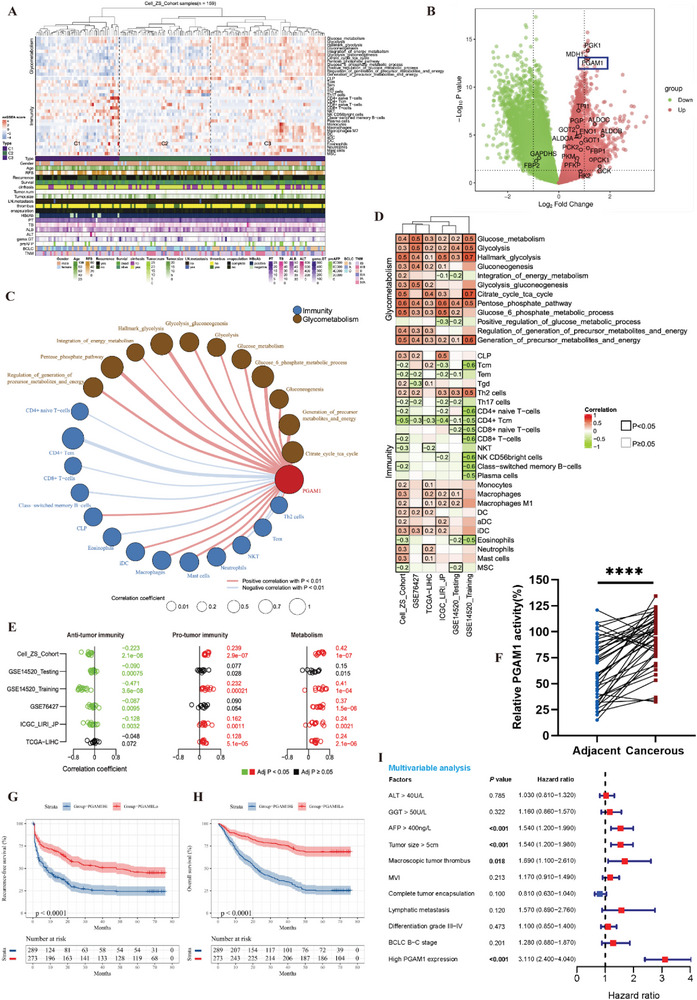
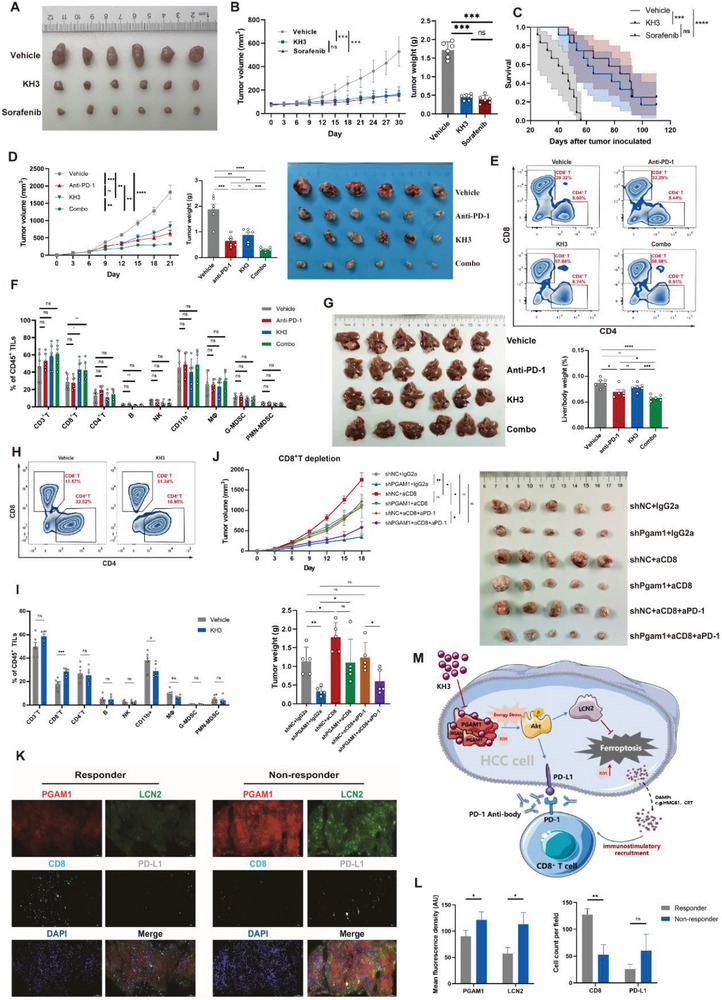
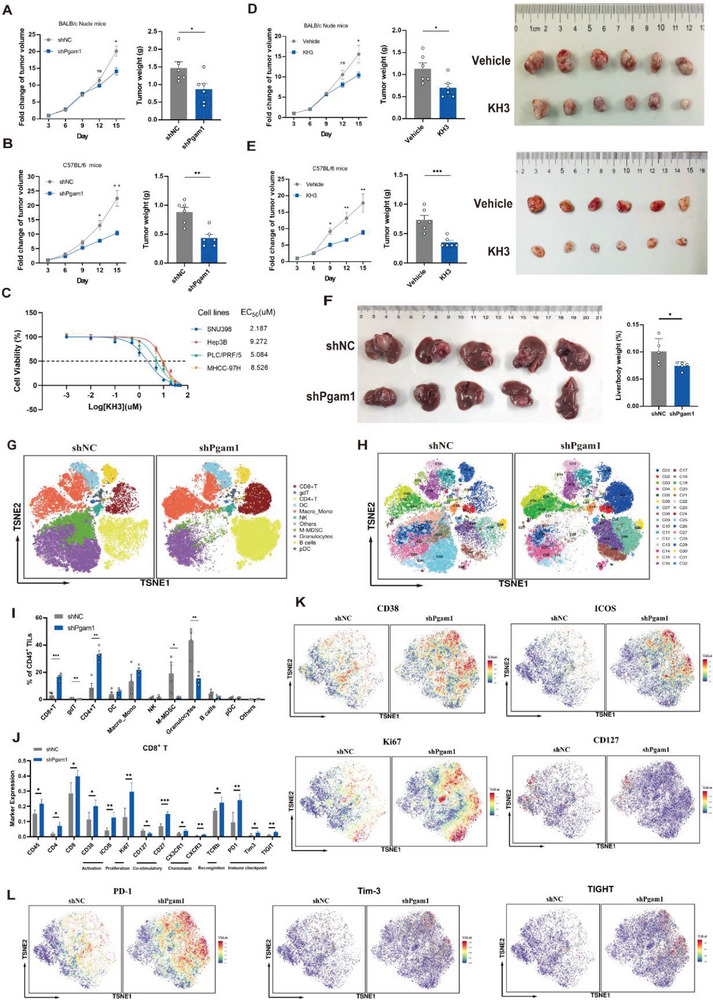
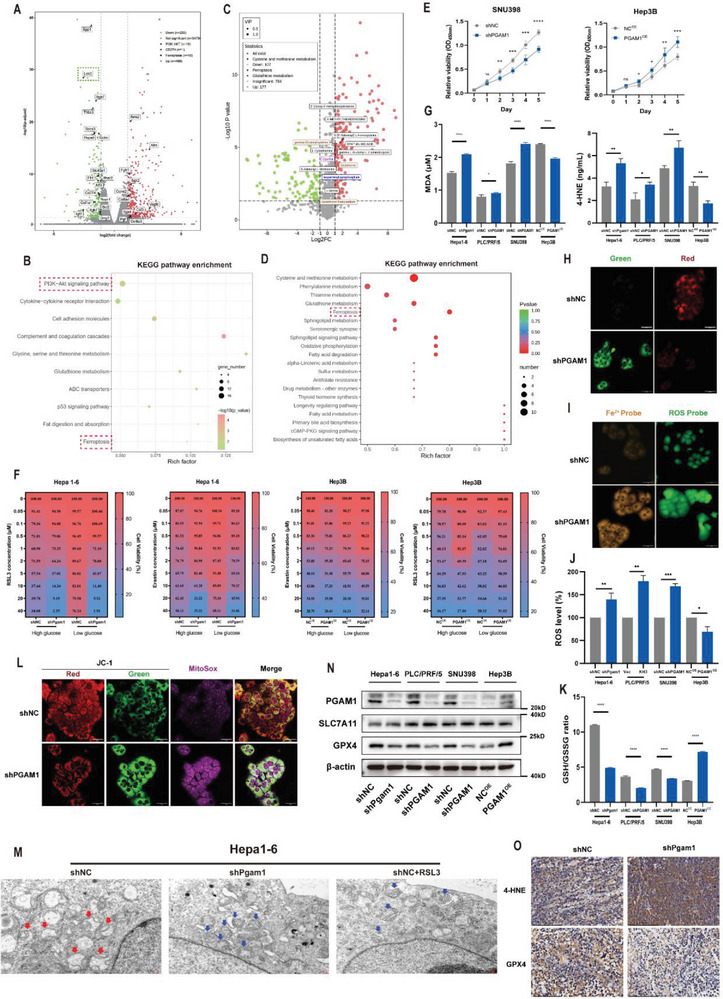
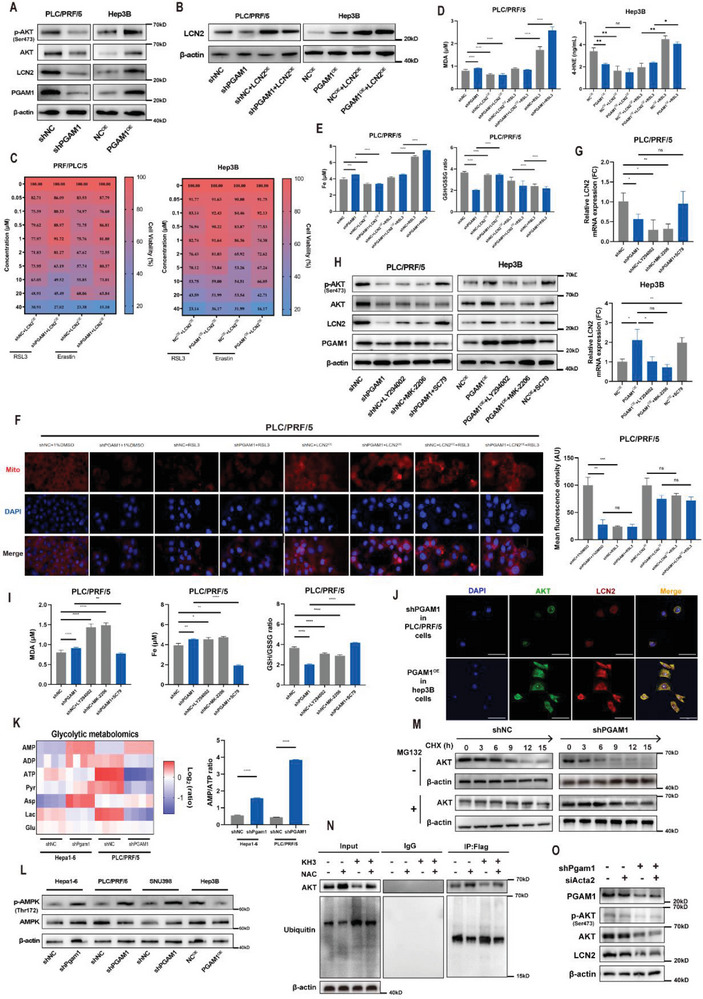
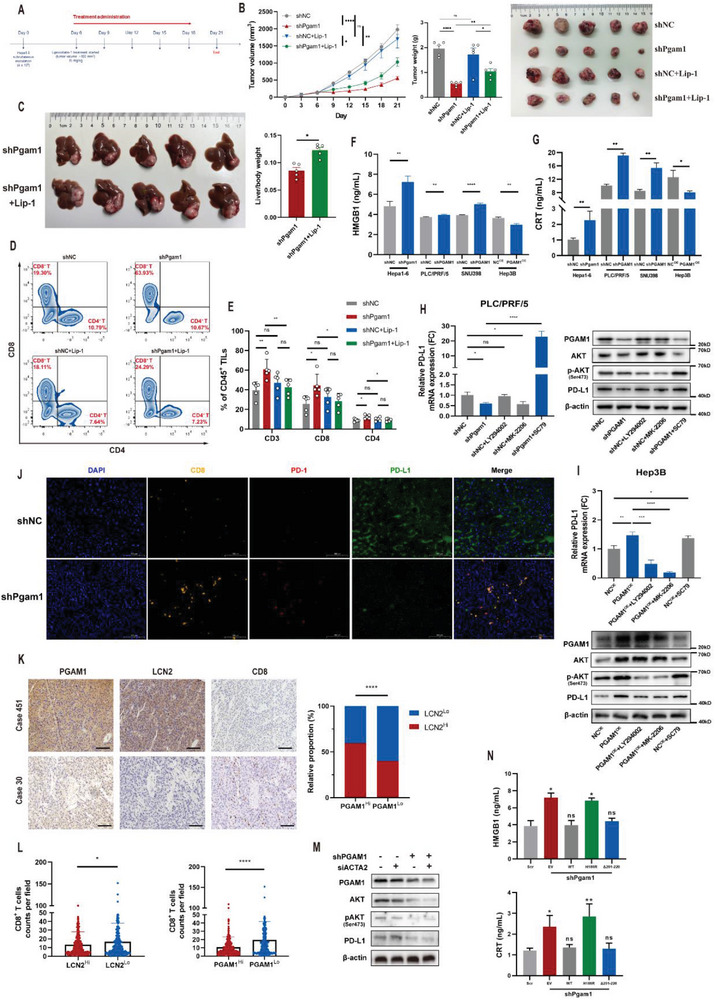
The combination of immunotherapy and molecular targeted therapy exhibits promising therapeutic efficacy in hepatocellular carcinoma (HCC), but the underlying mechanism is still unclear. Here, phosphoglycerate mutase 1 (PGAM1) is identified as a novel immunometabolic target by using a bioinformatic algorithm based on multiple HCC datasets. PGAM1 is highly expressed in HCC and associated with a poor prognosis and a poor response to immunotherapy. In vitro and in vivo experiments indicate that targeting PGAM1 inhibited HCC cell growth and promoted the infiltration of CD8 T-cells due to decreased enzymatic activity. Mechanistically, inhibition of PGAM1 promotes HCC cell ferroptosis by downregulating Lipocalin (LCN2) by inducing energy stress and ROS-dependent AKT inhibition, which can also downregulate Programmed death 1-ligand 1 (PD-L1). Moreover, an allosteric PGAM1 inhibitor (KH3) exhibits good antitumor effects in patient-derived xenograft (PDX) models and enhanced the efficacy of anti-PD-1 immunotherapy in subcutaneous and orthotopic HCC models. Taken together, the findings demonstrate that PGAM1 inhibition exerts an antitumor effect by promoting ferroptosis and CD8 T-cell infiltration and can synergize with anti-PD-1 immunotherapy in HCC. Targeting PGAM1 can be a promising new strategy of "killing two birds with one stone" for HCC treatment.
免疫疗法和分子靶向治疗联合应用在肝细胞癌(HCC)中显示出有前景的治疗效果,但潜在机制仍不清楚。在这里,我们使用基于多个 HCC 数据集的生物信息算法,鉴定出磷酸甘油酸变位酶 1(PGAM1)是一种新的免疫代谢靶点。PGAM1 在 HCC 中高度表达,与预后不良和对免疫治疗反应不佳相关。体外和体内实验表明,由于酶活性降低,靶向 PGAM1 抑制 HCC 细胞生长并促进 CD8 T 细胞浸润。在机制上,抑制 PGAM1 通过诱导能量应激和 ROS 依赖性 AKT 抑制来下调脂质运载蛋白(LCN2),从而促进 HCC 细胞铁死亡,这也可以下调程序性死亡 1 配体 1(PD-L1)。此外,变构 PGAM1 抑制剂(KH3)在患者来源的异种移植(PDX)模型中表现出良好的抗肿瘤效果,并增强了抗 PD-1 免疫治疗在皮下和原位 HCC 模型中的疗效。总之,这些发现表明,PGAM1 抑制通过促进铁死亡和 CD8 T 细胞浸润发挥抗肿瘤作用,并可与 HCC 中的抗 PD-1 免疫治疗协同作用。靶向 PGAM1 可能是 HCC 治疗的一种有前途的“一石二鸟”新策略。