David H. Koch Institute for Integrative Cancer Research, Massachusetts Institute of Technology, Cambridge, MA, USA.
Cold Spring Harbor Laboratory, Cold Spring Harbor, NY, USA.
Nat Genet. 2023 Oct;55(10):1686-1695. doi: 10.1038/s41588-023-01499-4. Epub 2023 Sep 14.
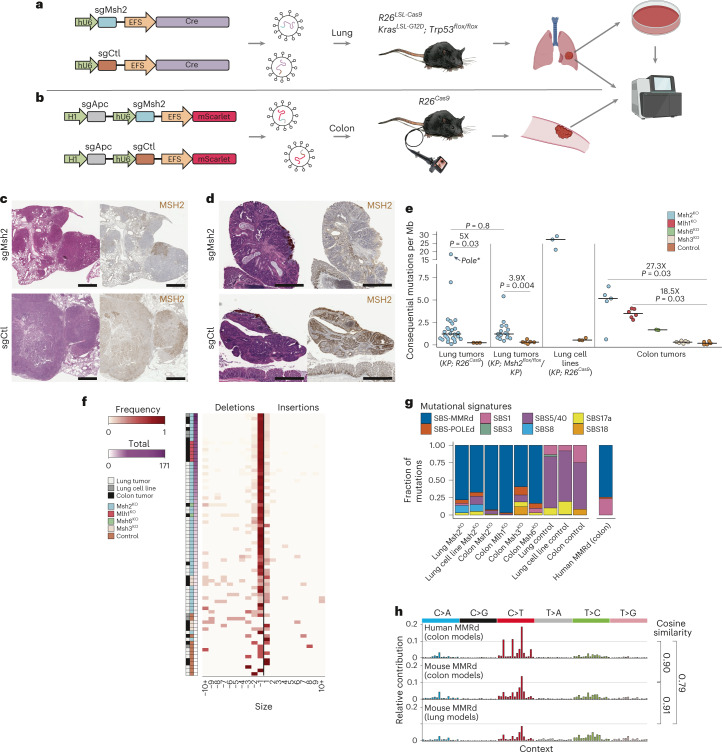
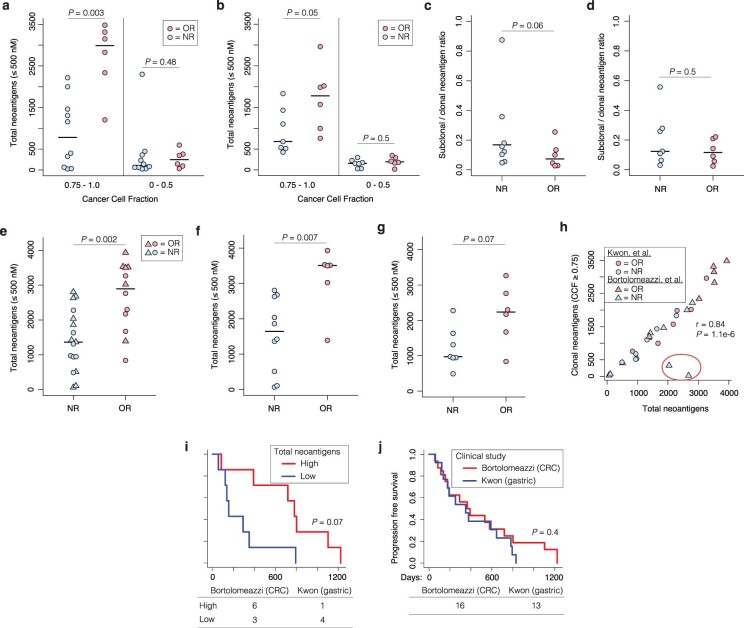
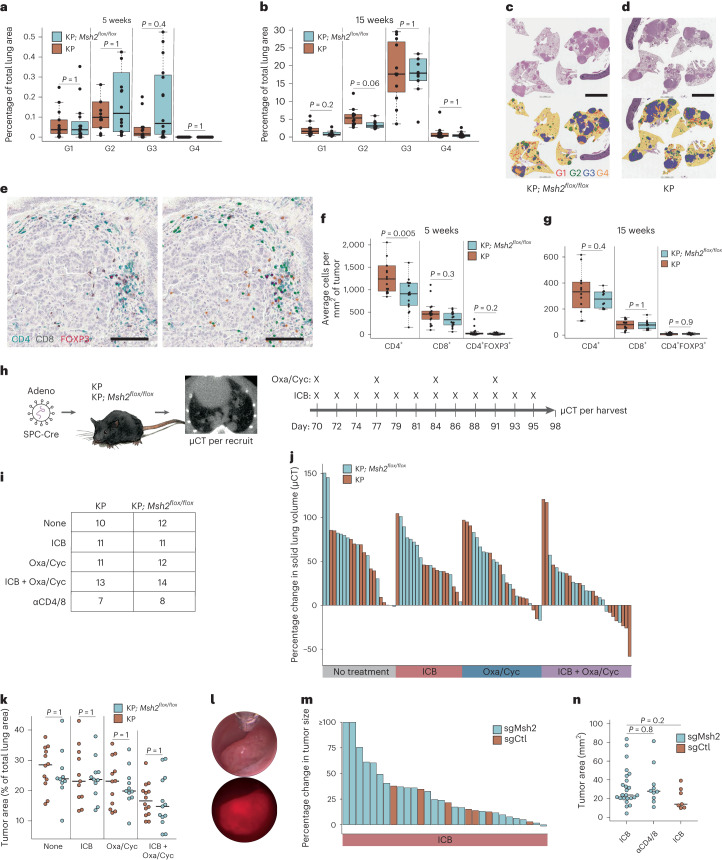
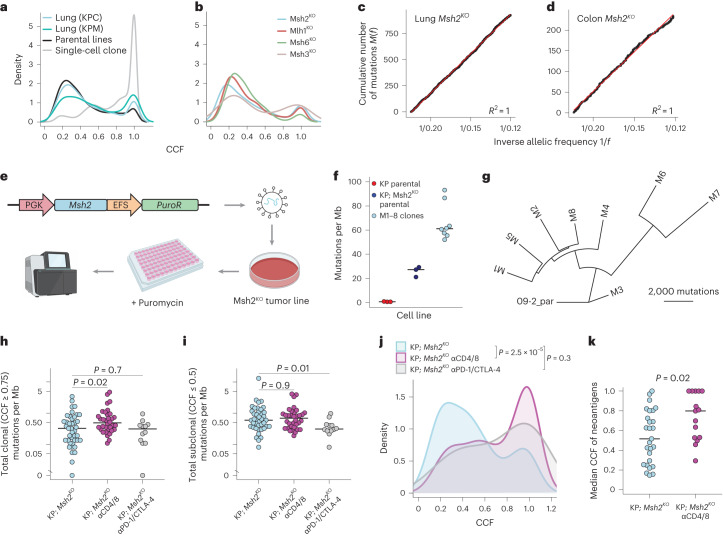
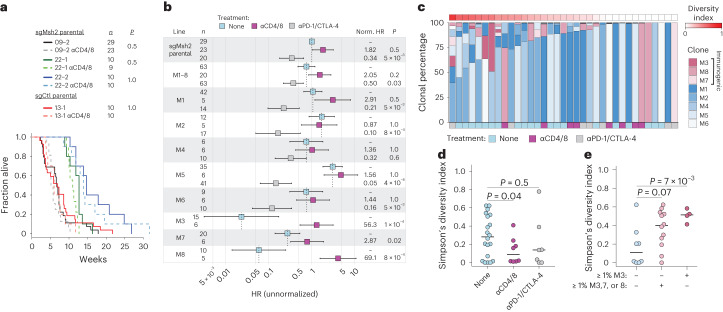
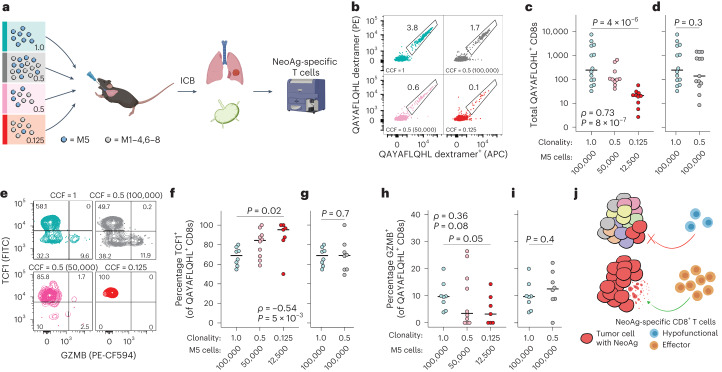
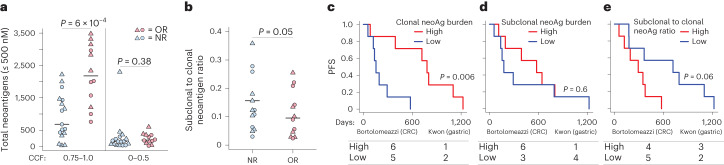
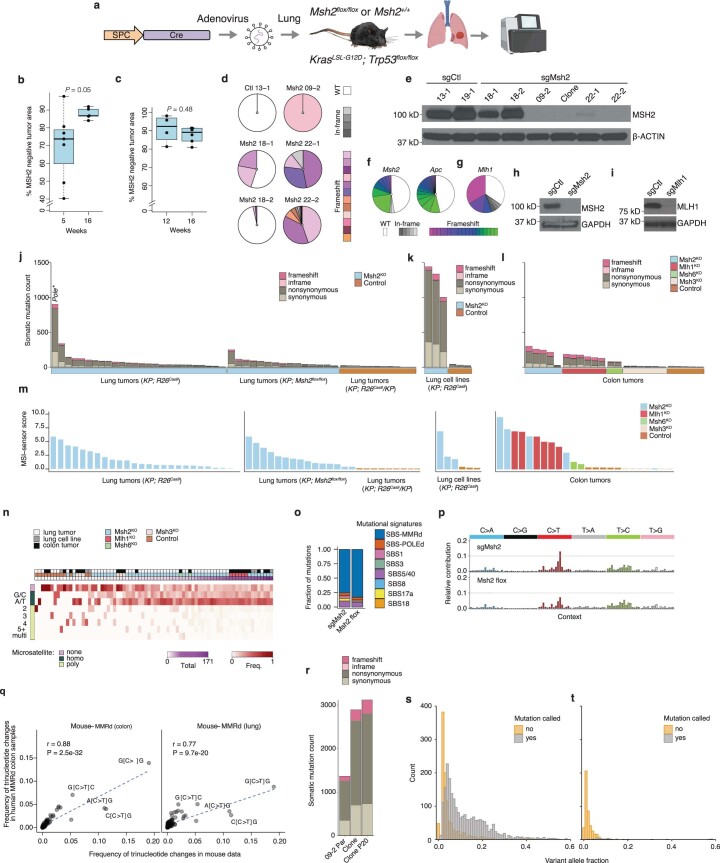
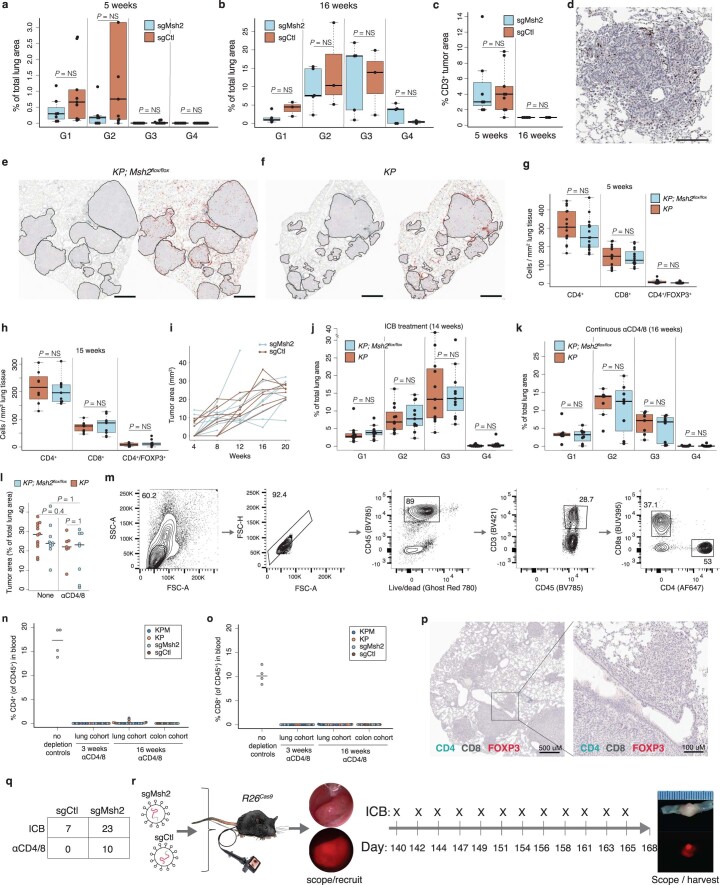
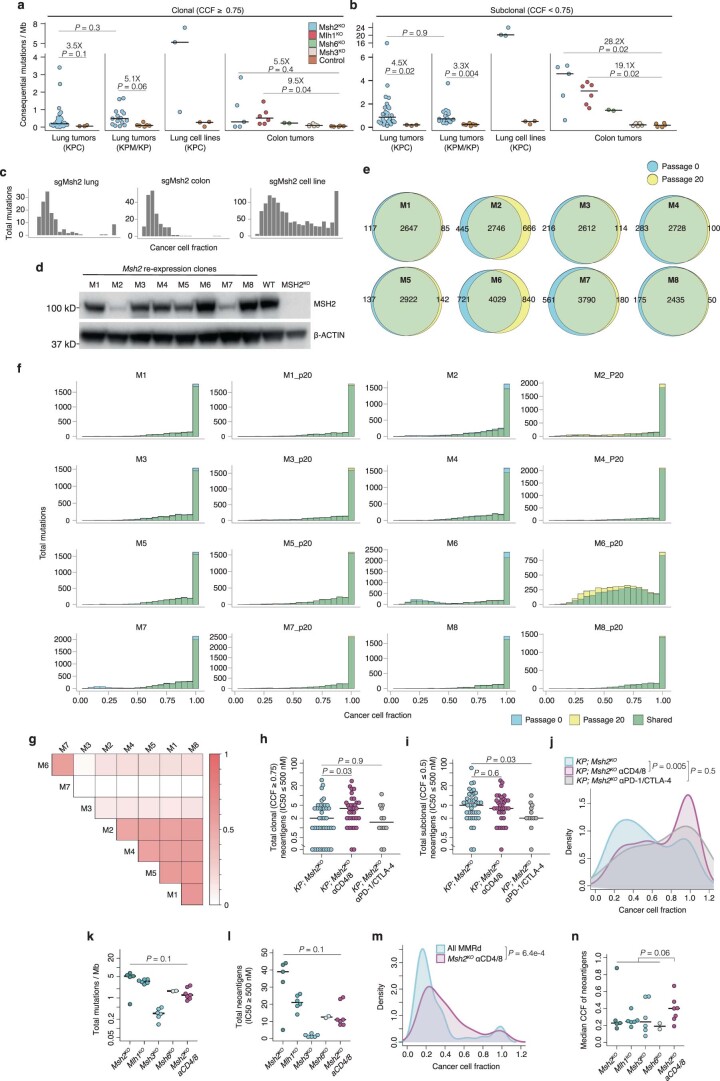
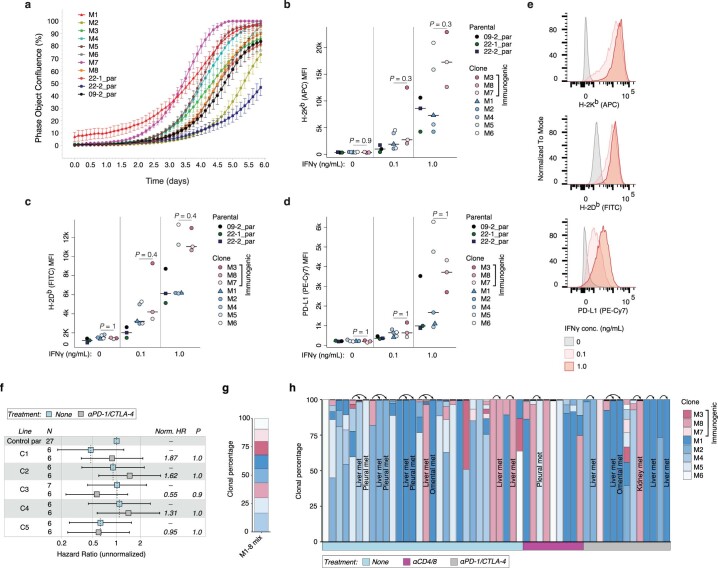
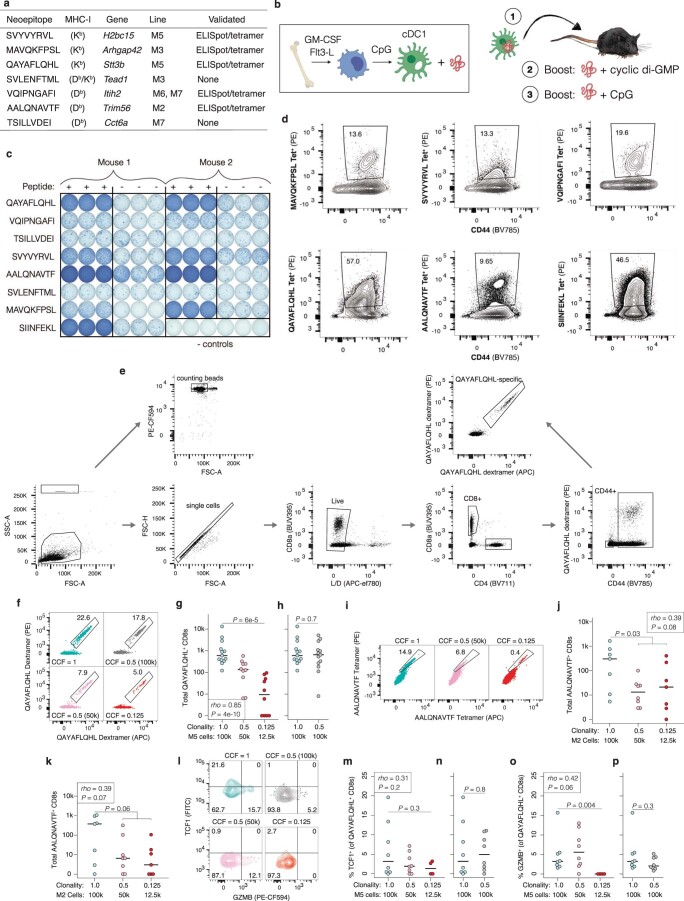
DNA mismatch repair deficiency (MMRd) is associated with a high tumor mutational burden (TMB) and sensitivity to immune checkpoint blockade (ICB) therapy. Nevertheless, most MMRd tumors do not durably respond to ICB and critical questions remain about immunosurveillance and TMB in these tumors. In the present study, we developed autochthonous mouse models of MMRd lung and colon cancer. Surprisingly, these models did not display increased T cell infiltration or ICB response, which we showed to be the result of substantial intratumor heterogeneity of mutations. Furthermore, we found that immunosurveillance shapes the clonal architecture but not the overall burden of neoantigens, and T cell responses against subclonal neoantigens are blunted. Finally, we showed that clonal, but not subclonal, neoantigen burden predicts ICB response in clinical trials of MMRd gastric and colorectal cancer. These results provide important context for understanding immune evasion in cancers with a high TMB and have major implications for therapies aimed at increasing TMB.
DNA 错配修复缺陷(MMRd)与高肿瘤突变负担(TMB)和对免疫检查点阻断(ICB)治疗的敏感性相关。然而,大多数 MMRd 肿瘤不能持久地对 ICB 产生反应,这些肿瘤中的免疫监视和 TMB 仍然存在关键问题。在本研究中,我们开发了 MMRd 肺和结肠癌的自发小鼠模型。令人惊讶的是,这些模型并没有显示出增加的 T 细胞浸润或 ICB 反应,我们表明这是由于肿瘤内突变的实质性异质性。此外,我们发现免疫监视塑造了克隆结构,但不影响新抗原的整体负担,并且针对亚克隆新抗原的 T 细胞反应受到抑制。最后,我们表明,在 MMRd 胃癌和结直肠癌的临床试验中,克隆而非亚克隆新抗原负担预测 ICB 反应。这些结果为理解高 TMB 癌症中的免疫逃逸提供了重要的背景,并对旨在增加 TMB 的治疗方法具有重大意义。