Yan Xiang-Yun, Yao Jun-Peng, Li Yan-Qiu, Xiao Xian-Jun, Yang Wan-Qing, Chen Si-Jue, Tang Tai-Chun, Yang Yu-Qing, Qu Liu, Hou Yu-Jun, Chen Min, Li Ying
School of Acupuncture and Tuina, Chengdu University of Traditional Chinese Medicine, Chengdu, China.
School of Health Preservation and Rehabilitation, Chengdu University of Traditional Chinese Medicine, Chengdu, China.
Front Pharmacol. 2023 Sep 1;14:1223742. doi: 10.3389/fphar.2023.1223742. eCollection 2023.
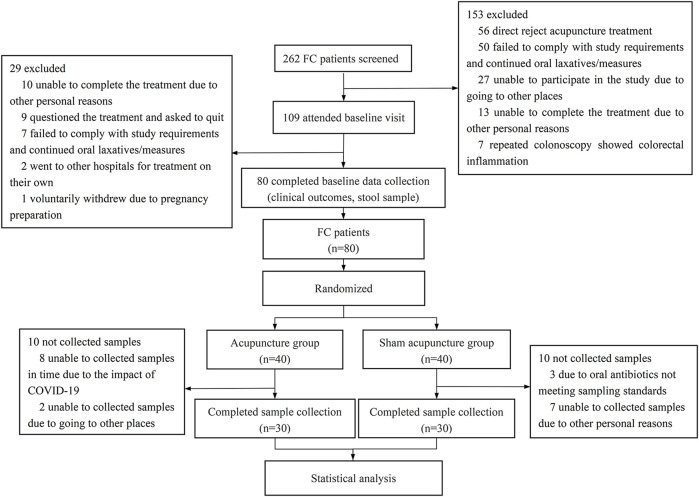
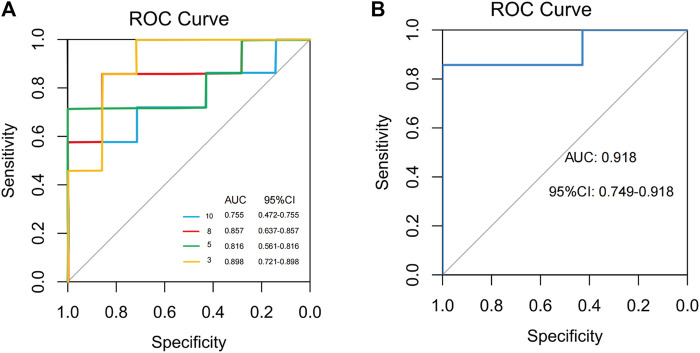
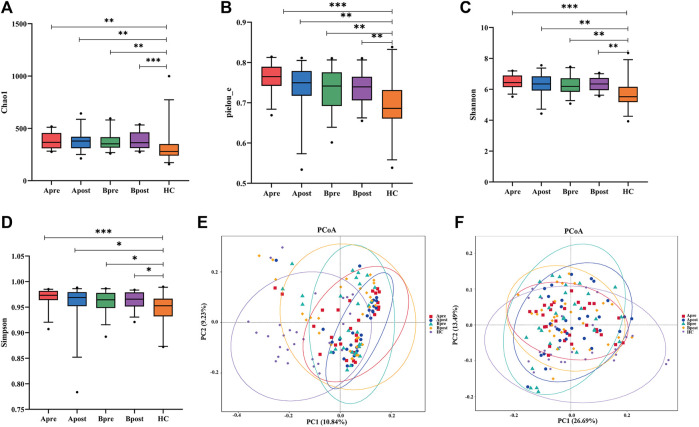
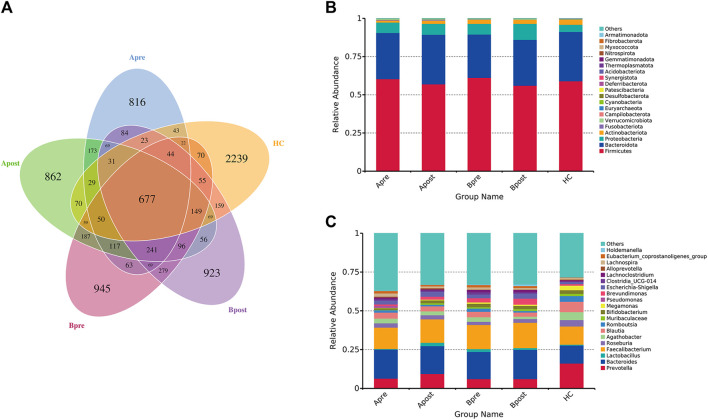
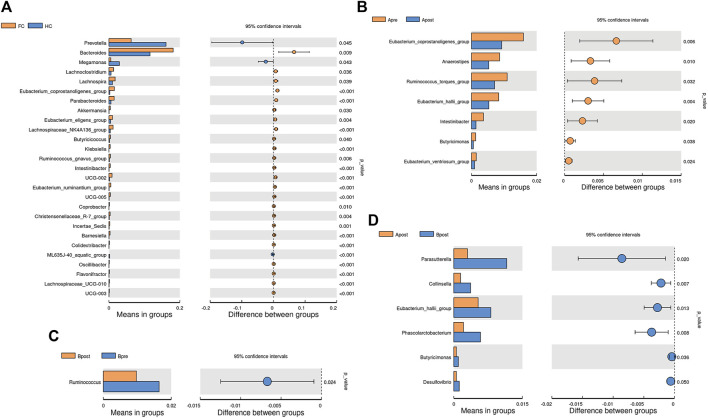
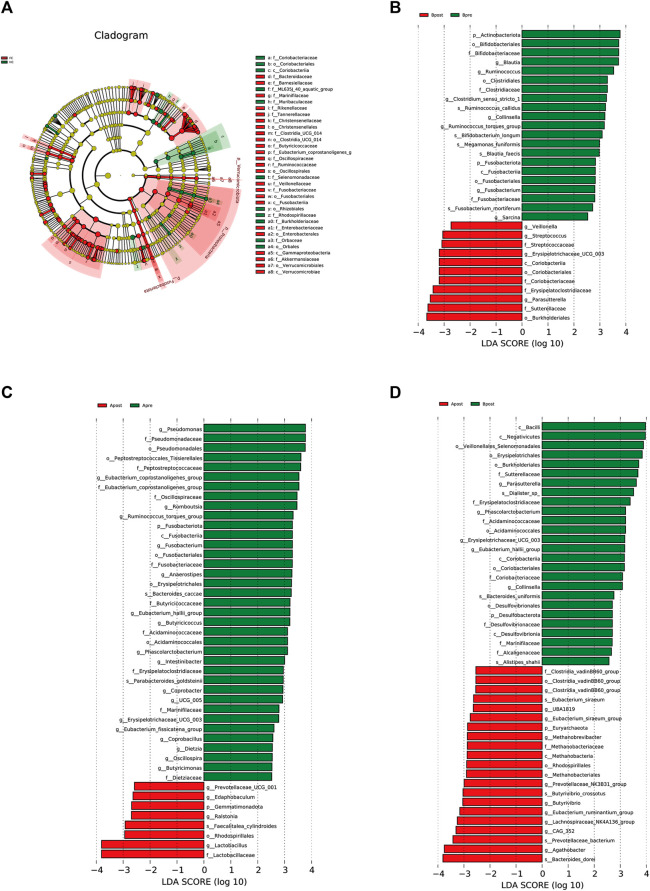
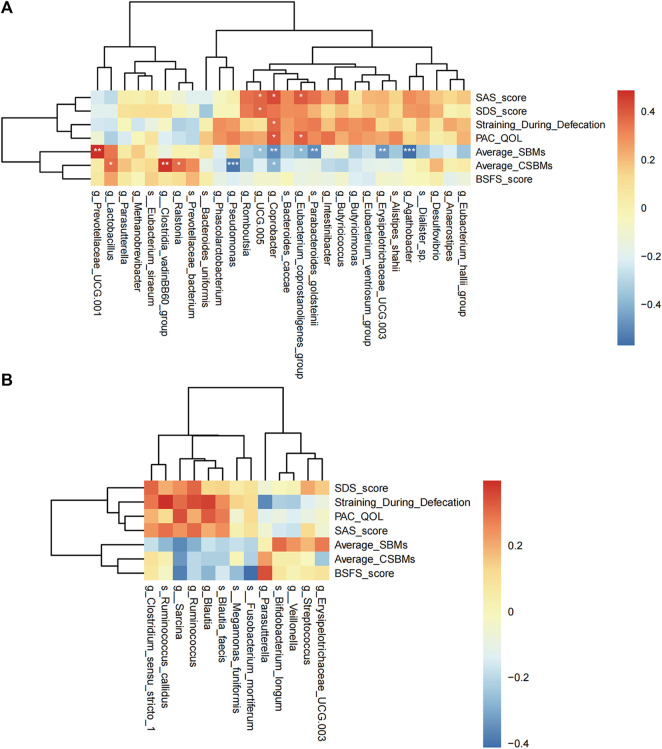
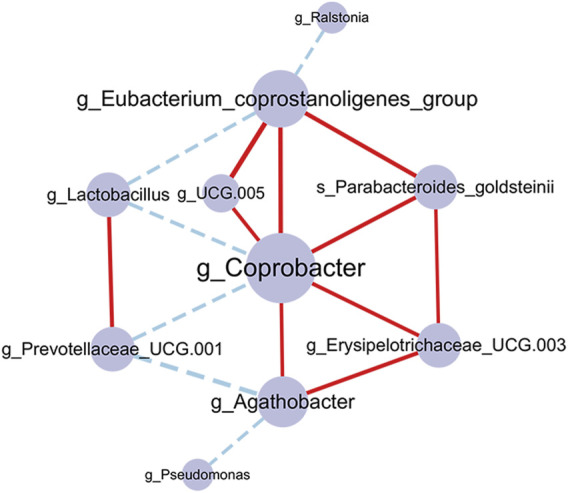
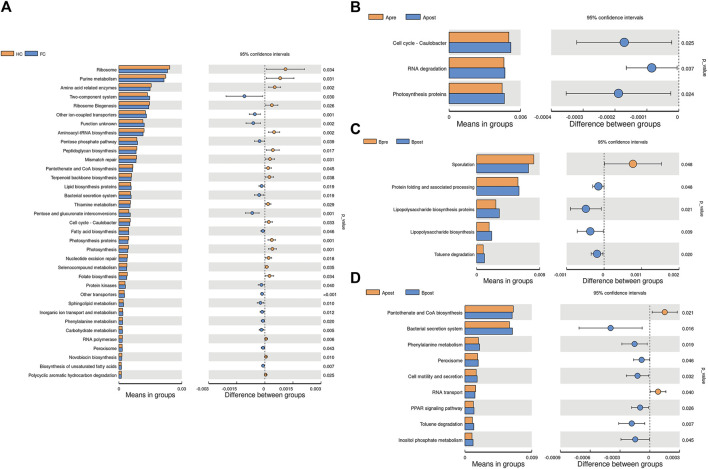
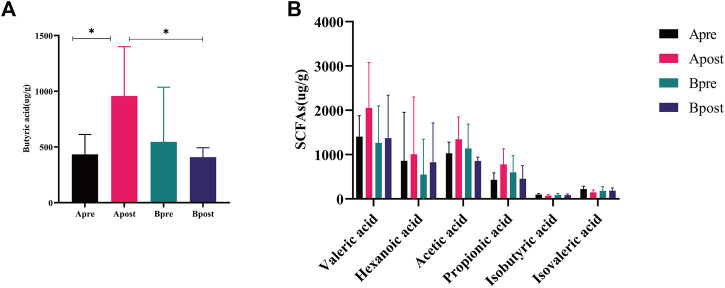
To comprehensively evaluate the effect of acupuncture on gut microbiota, identify specific microbes closely related to the clinical efficacy of acupuncture, and explored the role of short-chain fatty acids (SCFAs). A randomized placebo-controlled trial was conducted with 80 FC patients and 28 healthy controls (HCs). FC patients randomly received 16 acupuncture ( = 40) or sham acupuncture ( = 40) sessions over 4 weeks; HCs received no treatment. The change in the proportion of patients with mean weekly complete spontaneous bowel movements (CSBMs) was considered as the primary outcome measure. Moreover, the composition and the predictive metabolic function of the gut microbiota from feceal samples were analyzed by 16S rRNA gene sequencing, while feceal SCFAs were identified via gas chromatography-mass spectrometry (GC-MS). Compared to sham acupuncture, acupuncture significantly increased the proportion of CSBM responders, and improved spontaneous bowel movements (SBMs), straining, stool consistency, and quality of life. Moreover, Sequencing of 16S rRNA genes revealed that acupuncture improved β-diversity and restored the composition of gut microbiota. Specifically, the abundance of beneficial bacteria such as increased while that of pathogenic bacteria such as decreased after acupuncture, which were significantly correlated with alleviated symptoms. Moreover, ten microbes including and might be considered acupuncture-specific microbes, and formed a stable interaction network. Additionally, GC-MS analysis indicated that acupuncture increased the content of butyrate acid in the gut, which was positively correlated with an increase in defecation frequency and a decrease in acupuncture-related pathogens. Finally, acupuncture specific-microbes including , , , , , , and could accurately predict the clinical efficacy of acupuncture (AUC = 0.918). Acupuncture could effectively improve clinical symptoms in FC patients, and was associated with gut microbiota reshaping and increased butyrate acid levels. Moreover, key microbial genera such as and was predictive of acupuncture efficacy in treating FC. Future studies are required to validate the causal relationship between key microbial genera and acupuncture clinical efficacy, and should explore further metabolic pathways for designing personalized treatment strategies. http://www.chictr.org.cn, Identifier: ChiCTR2100048831.
为全面评估针刺对肠道微生物群的影响,确定与针刺临床疗效密切相关的特定微生物,并探讨短链脂肪酸(SCFAs)的作用。对80例功能性便秘(FC)患者和28例健康对照者(HCs)进行了一项随机安慰剂对照试验。FC患者在4周内随机接受16次针刺治疗(n = 40)或假针刺治疗(n = 40);HCs不接受治疗。将平均每周完全自主排便(CSBMs)患者比例的变化作为主要结局指标。此外,通过16S rRNA基因测序分析粪便样本中肠道微生物群的组成和预测代谢功能,同时通过气相色谱-质谱联用(GC-MS)鉴定粪便SCFAs。与假针刺相比,针刺显著提高了CSBM应答者的比例,并改善了自主排便(SBMs)、排便费力、大便性状和生活质量。此外,16S rRNA基因测序显示,针刺改善了β-多样性并恢复了肠道微生物群的组成。具体而言,针刺后有益菌如双歧杆菌属的丰度增加,而病原菌如肠杆菌属的丰度降低,这与症状缓解显著相关。此外,包括双歧杆菌属和阿克曼菌属在内的10种微生物可能被视为针刺特异性微生物,并形成了一个稳定的相互作用网络。此外,GC-MS分析表明,针刺增加了肠道中丁酸的含量,这与排便频率增加和针刺相关病原菌减少呈正相关。最后,包括双歧杆菌属、阿克曼菌属、粪杆菌属、罗斯氏菌属、瘤胃球菌属、梭菌属IV和梭菌属XlVa在内的针刺特异性微生物可以准确预测针刺的临床疗效(AUC = 0.918)。针刺可有效改善FC患者的临床症状,并与肠道微生物群重塑和丁酸水平升高有关。此外,双歧杆菌属和阿克曼菌属等关键微生物属可预测针刺治疗FC的疗效。未来的研究需要验证关键微生物属与针刺临床疗效之间的因果关系,并应探索进一步的代谢途径以设计个性化治疗策略。 http://www.chictr.org.cn,标识符:ChiCTR2100048831 。