Department of Gastroenterology, The First Affiliated Hospital of Soochow University, Suzhou, Jiangsu, China.
Shanghai Clinical College, Anhui Medical University, Shanghai, China.
Front Immunol. 2023 Sep 11;14:1242909. doi: 10.3389/fimmu.2023.1242909. eCollection 2023.
In order to investigate the impact of Treg cell infiltration on the immune response against pancreatic cancer within the tumor microenvironment (TME), and identify crucial mRNA markers associated with Treg cells in pancreatic cancer, our study aims to delve into the role of Treg cells in the anti-tumor immune response of pancreatic cancer.
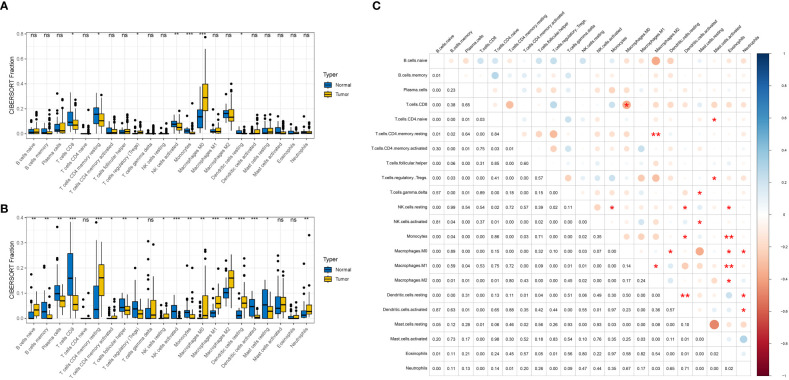
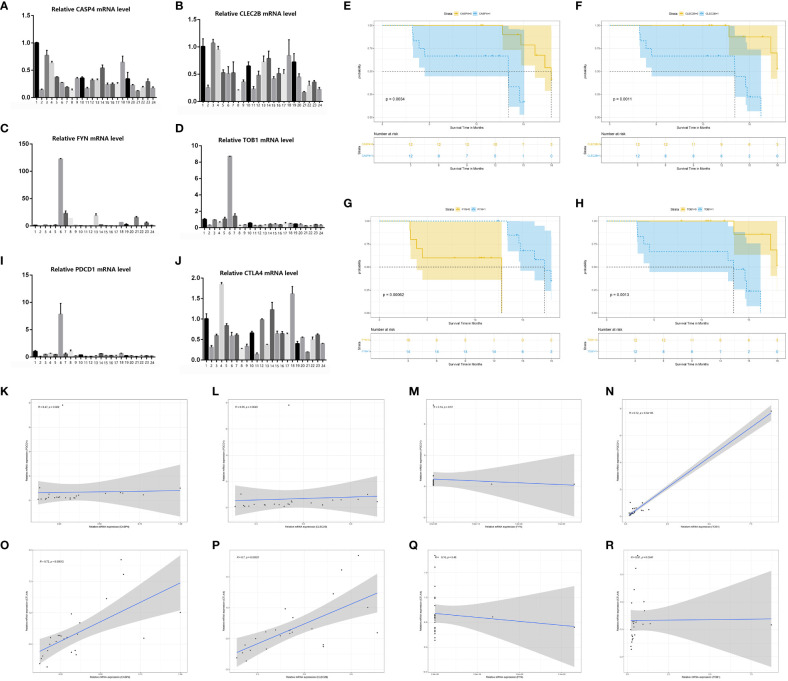
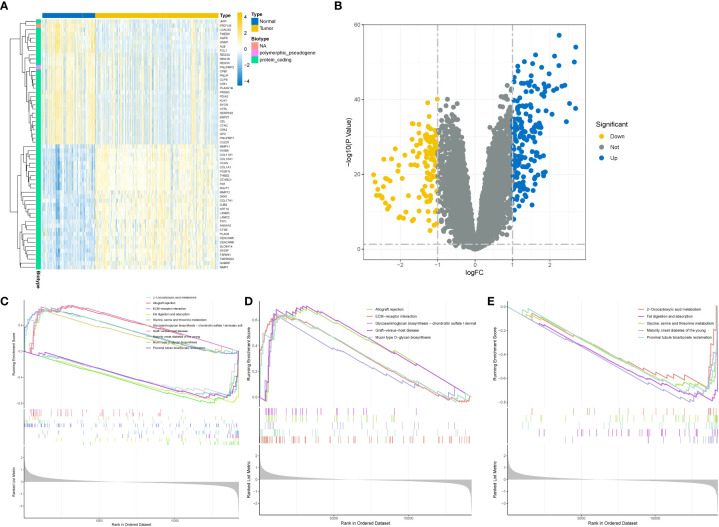
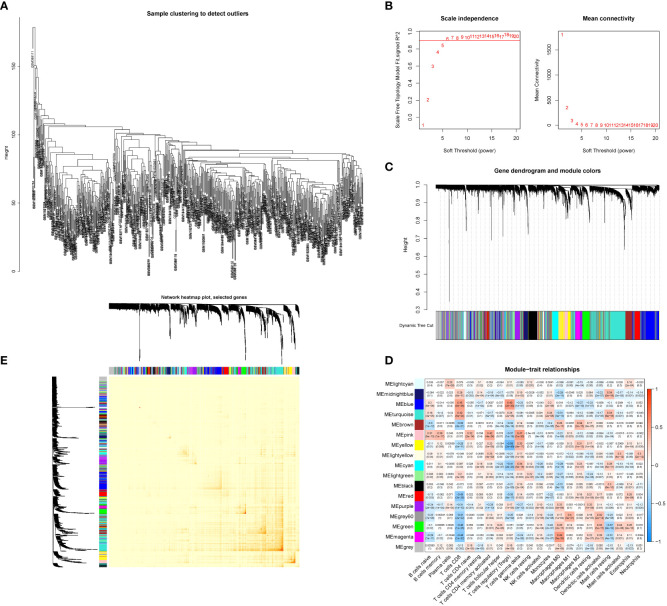
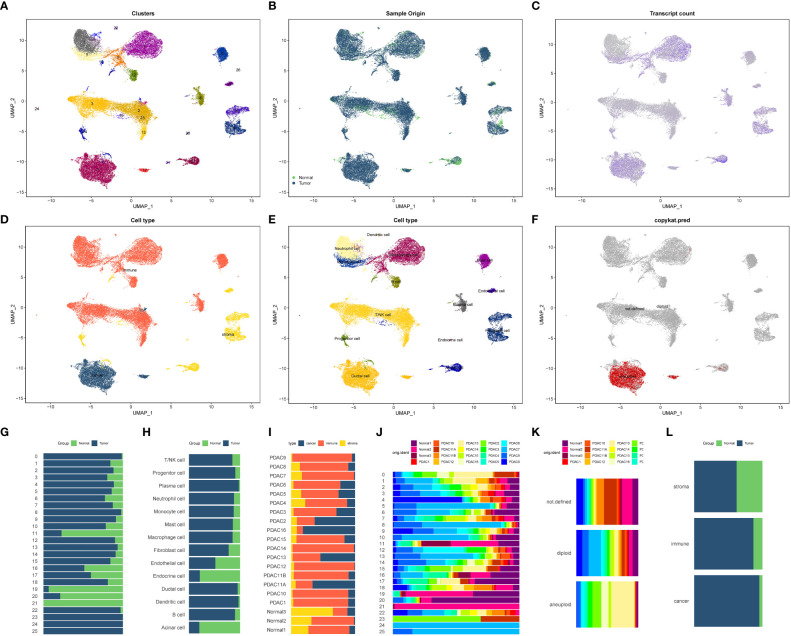
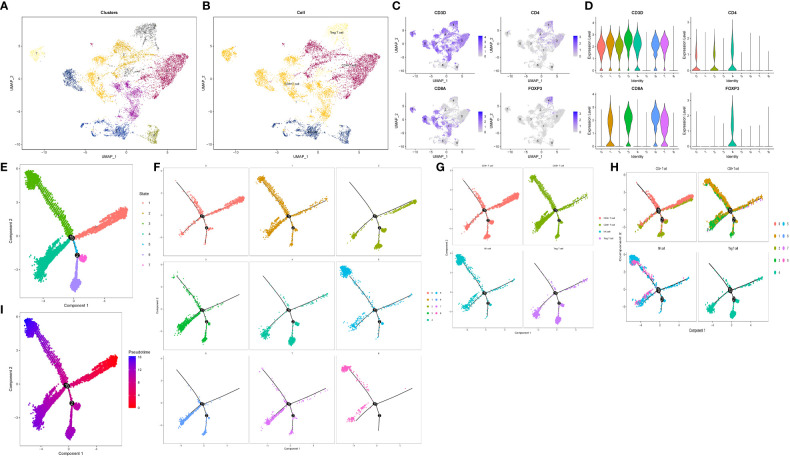
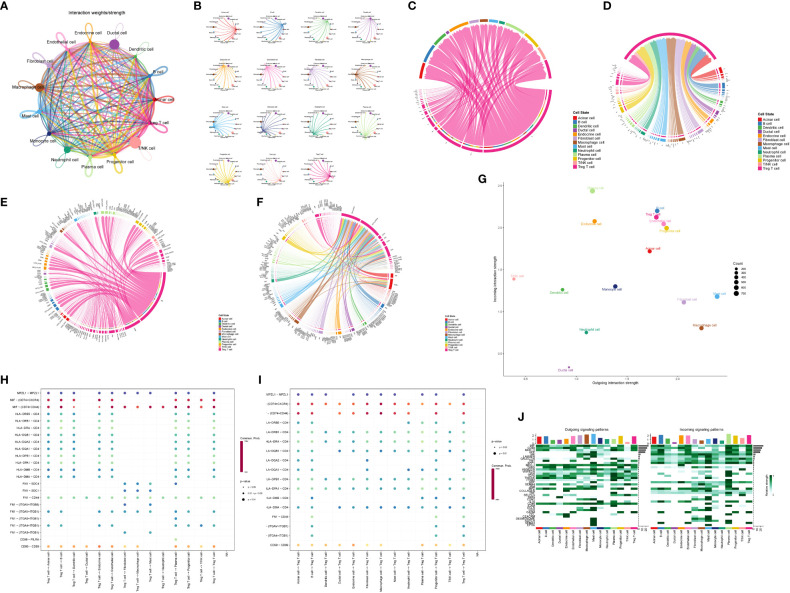
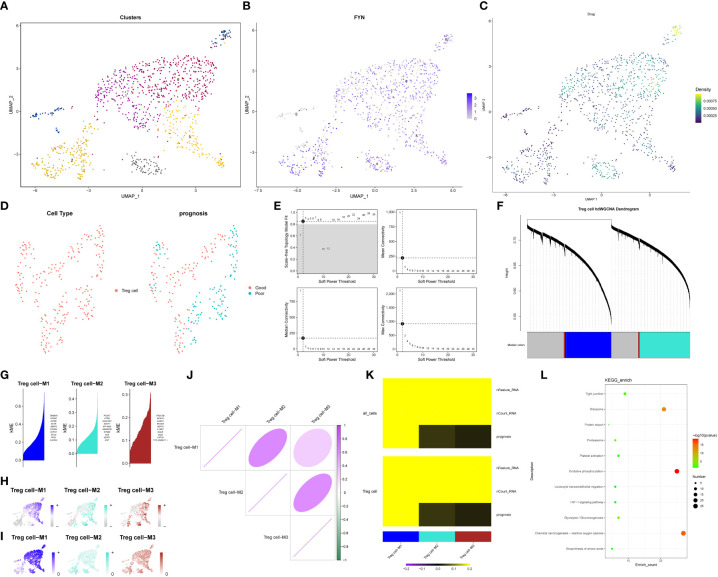
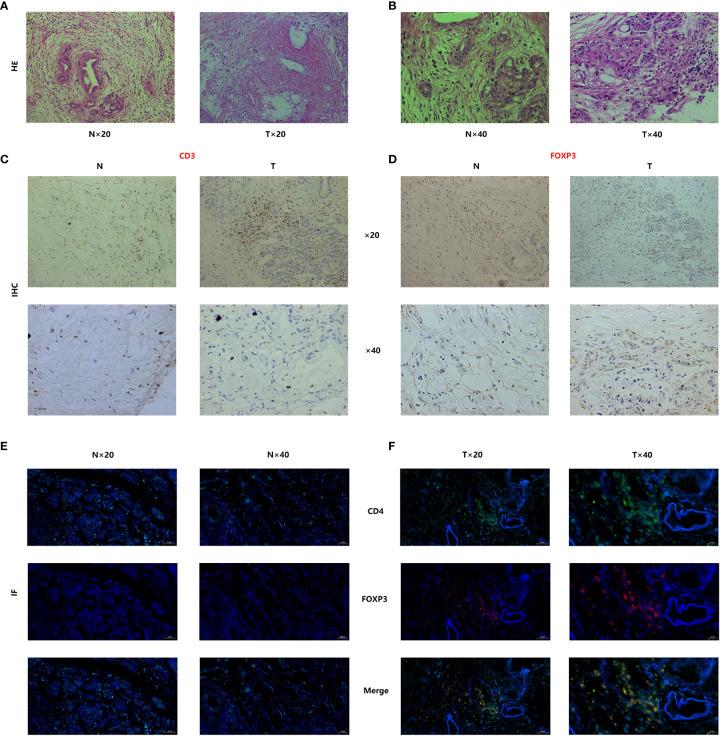
The ordinary transcriptome data for this study was sourced from the GEO and TCGA databases. It was analyzed using single-cell sequencing analysis and machine learning. To assess the infiltration level of Treg cells in pancreatic cancer tissues, we employed the CIBERSORT method. The identification of genes most closely associated with Treg cells was accomplished through the implementation of weighted gene co-expression network analysis (WGCNA). Our analysis of single-cell sequencing data involved various quality control methods, followed by annotation and advanced analyses such as cell trajectory analysis and cell communication analysis to elucidate the role of Treg cells within the pancreatic cancer microenvironment. Additionally, we categorized the Treg cells into two subsets: Treg1 associated with favorable prognosis, and Treg2 associated with poor prognosis, based on the enrichment scores of the key genes. Employing the hdWGCNA method, we analyzed these two subsets to identify the critical signaling pathways governing their mutual transformation. Finally, we conducted PCR and immunofluorescence staining to validate the identified key genes.
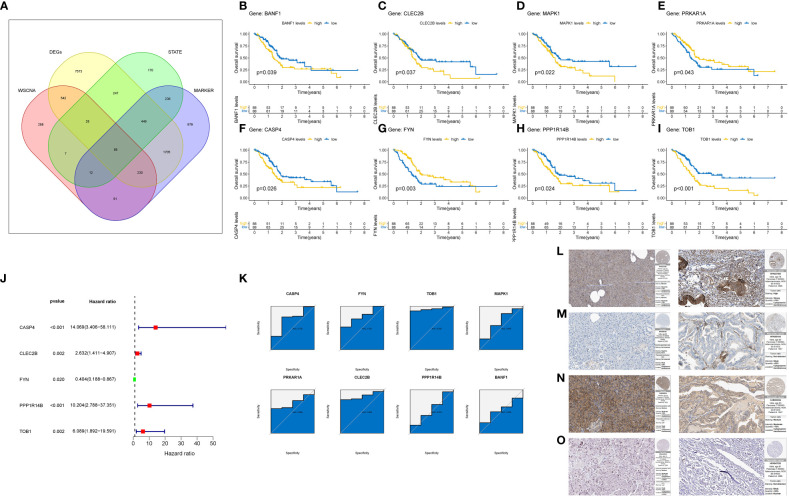
Based on the results of immune infiltration analysis, we observed significant infiltration of Treg cells in the pancreatic cancer microenvironment. Subsequently, utilizing the WGCNA and machine learning algorithms, we ultimately identified four Treg cell-related genes (TRGs), among which four genes exhibited significant correlations with the occurrence and progression of pancreatic cancer. Among them, CASP4, TOB1, and CLEC2B were associated with poorer prognosis in pancreatic cancer patients, while FYN showed a correlation with better prognosis. Notably, significant differences were found in the HIF-1 signaling pathway between Treg1 and Treg2 cells identified by the four genes. These conclusions were further validated through experiments.
Treg cells played a crucial role in the pancreatic cancer microenvironment, and their presence held a dual significance. Recognizing this characteristic was vital for understanding the limitations of Treg cell-targeted therapies. CASP4, FYN, TOB1, and CLEC2B exhibited close associations with infiltrating Treg cells in pancreatic cancer, suggesting their involvement in Treg cell functions. Further investigation was warranted to uncover the mechanisms underlying these associations. Notably, the HIF-1 signaling pathway emerged as a significant pathway contributing to the duality of Treg cells. Targeting this pathway could potentially revolutionize the existing treatment approaches for pancreatic cancer.
为了研究调节性 T 细胞(Treg)浸润对肿瘤微环境(TME)中胰腺癌免疫反应的影响,并鉴定与胰腺癌中 Treg 细胞相关的关键 mRNA 标志物,我们的研究旨在深入探讨 Treg 细胞在胰腺癌抗肿瘤免疫反应中的作用。
本研究的普通转录组数据来源于 GEO 和 TCGA 数据库。我们使用单细胞测序分析和机器学习进行分析。为了评估 Treg 细胞在胰腺癌组织中的浸润水平,我们采用 CIBERSORT 方法。通过实施加权基因共表达网络分析(WGCNA)来鉴定与 Treg 细胞最密切相关的基因。我们对单细胞测序数据进行了各种质量控制方法的分析,然后进行注释和高级分析,如细胞轨迹分析和细胞通讯分析,以阐明 Treg 细胞在胰腺癌微环境中的作用。此外,我们根据关键基因的富集分数将 Treg 细胞分为两个亚群:与预后良好相关的 Treg1 和与预后不良相关的 Treg2。我们使用 hdWGCNA 方法分析这两个亚群,以鉴定调控它们相互转化的关键信号通路。最后,我们进行了 PCR 和免疫荧光染色验证来验证鉴定出的关键基因。
基于免疫浸润分析的结果,我们观察到 Treg 细胞在胰腺癌微环境中显著浸润。随后,我们利用 WGCNA 和机器学习算法,最终确定了四个与 Treg 细胞相关的基因(TRGs),其中四个基因与胰腺癌的发生和进展显著相关。其中,CASP4、TOB1 和 CLEC2B 与胰腺癌患者的不良预后相关,而 FYN 则与较好的预后相关。值得注意的是,通过四个基因鉴定的 Treg1 和 Treg2 细胞之间的 HIF-1 信号通路存在显著差异。这些结论通过实验进一步得到了验证。
Treg 细胞在胰腺癌微环境中发挥着关键作用,其存在具有双重意义。认识到这一特征对于理解 Treg 细胞靶向治疗的局限性至关重要。CASP4、FYN、TOB1 和 CLEC2B 与胰腺癌中浸润的 Treg 细胞密切相关,提示它们参与了 Treg 细胞的功能。需要进一步研究以揭示这些关联的机制。值得注意的是,HIF-1 信号通路是导致 Treg 细胞双重性的重要途径。靶向该途径可能会彻底改变目前胰腺癌的治疗方法。