Hela Francesko, Aguayo-Mazzucato Cristina
Section on Islet Cell Biology and Regenerative Medicine, Joslin Diabetes Center, Harvard Medical School, Boston, MA 02215, USA.
Biology (Basel). 2023 Sep 4;12(9):1205. doi: 10.3390/biology12091205.
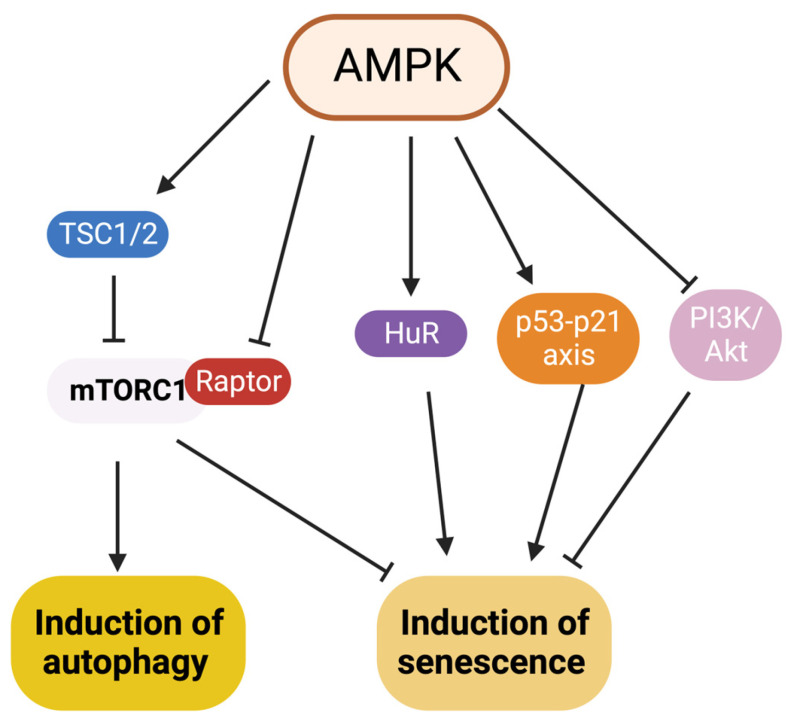
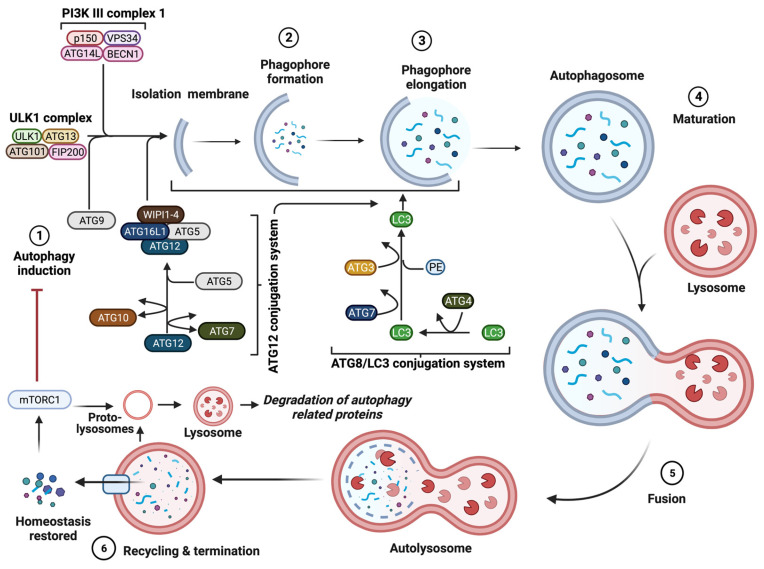
Aging leads to an increase in cellular stress due to the fragility of the organism and the inability to cope with it. In this setting, there is a higher chance of developing different cardiometabolic diseases like diabetes. Cellular senescence and autophagy, both hallmarks of aging and stress-coping mechanisms, have gained increased attention for their role in the pathophysiology of diabetes. Studies show that impairing senescence dampens and even prevents diabetes while the role of autophagy is more contradictory, implying a context- and disease-stage-dependent effect. Reports show conflicting data about the effect of autophagy on senescence while the knowledge about this interaction in beta cells remains scarce. Elucidating this interaction between autophagy and senescence in pancreatic beta cells will lead to an identification of their respective roles and the extent of the effect each mechanism has on beta cells and open new horizons for developing novel therapeutic agents. To help illuminate this relationship we will review the latest findings of cellular senescence and autophagy with a special emphasis on pancreatic beta cells and diabetes.
由于机体的脆弱性以及应对能力的不足,衰老会导致细胞应激增加。在这种情况下,患糖尿病等不同心脏代谢疾病的几率更高。细胞衰老和自噬是衰老的标志以及应激应对机制,它们在糖尿病病理生理学中的作用已受到越来越多的关注。研究表明,抑制衰老可减轻甚至预防糖尿病,而自噬的作用则更具矛盾性,这意味着其作用取决于具体情况和疾病阶段。报告显示,关于自噬对衰老影响的数据相互矛盾,而关于β细胞中这种相互作用的了解仍然很少。阐明胰腺β细胞中自噬与衰老之间的这种相互作用,将有助于确定它们各自的作用以及每种机制对β细胞的影响程度,并为开发新型治疗药物开辟新的前景。为了帮助阐明这种关系,我们将回顾细胞衰老和自噬的最新研究结果,特别关注胰腺β细胞和糖尿病。