Ben Saad Hajer, Frikha Donyez, Bouallegue Amir, Badraoui Riadh, Mellouli Manel, Kallel Hatem, Pujo Jean Marc, Ben Amara Ibtissem
Laboratory of Medicinal and Environment Chemistry, Higher Institute of Biotechnology, University of Sfax, Sfax 3000, Tunisia.
Laboratory of Marine Biodiversity and Environment, University of Sfax, Sfax 3000, Tunisia.
Pharmaceuticals (Basel). 2023 Sep 15;16(9):1305. doi: 10.3390/ph16091305.
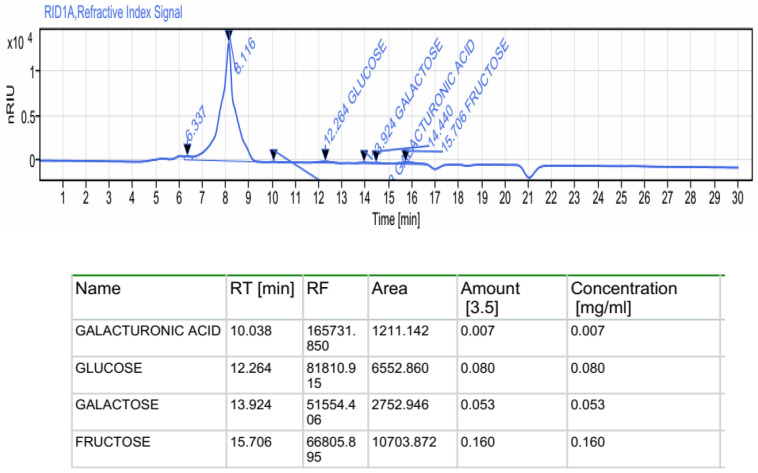
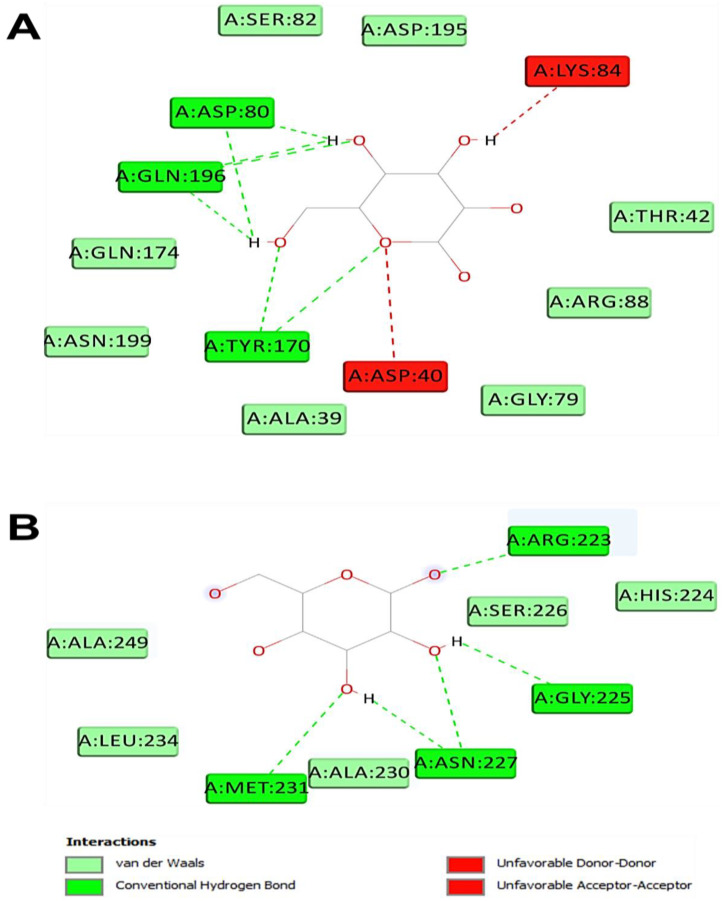
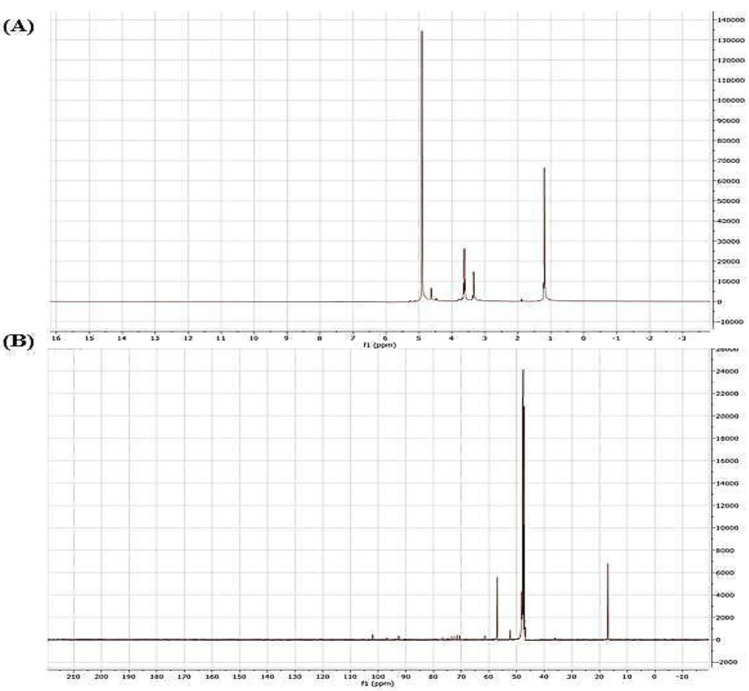
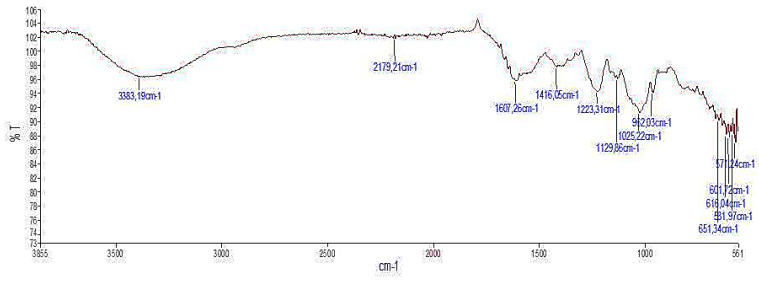
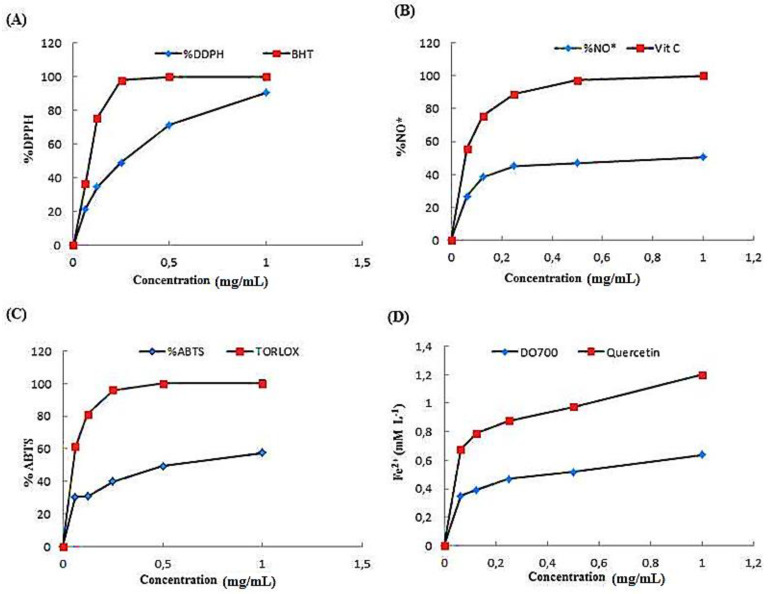
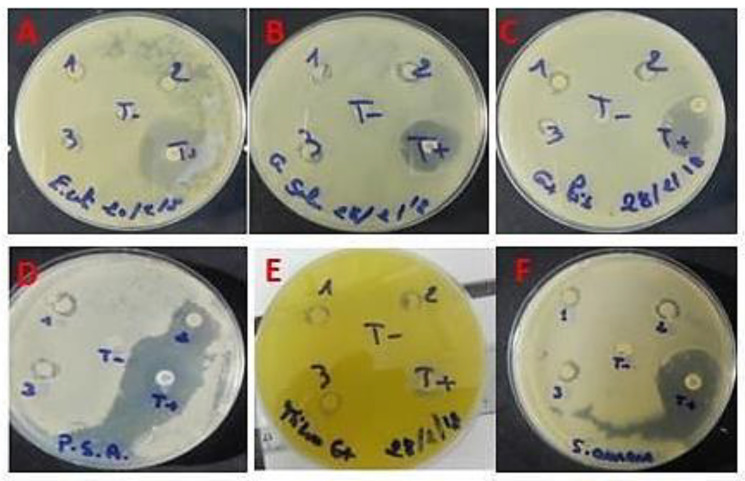
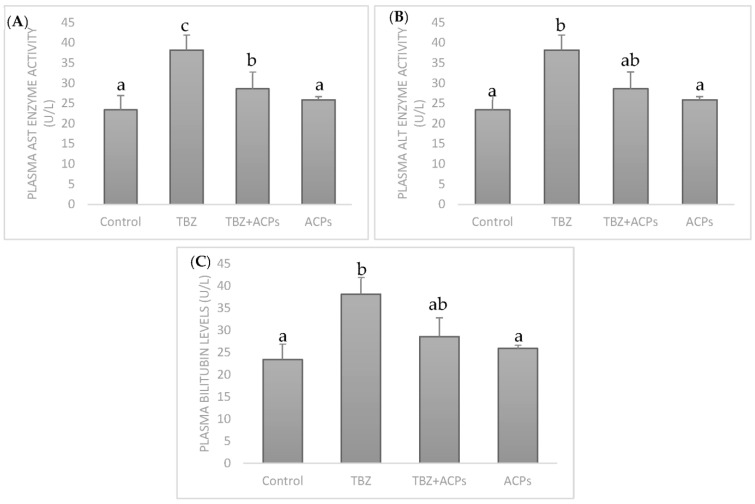
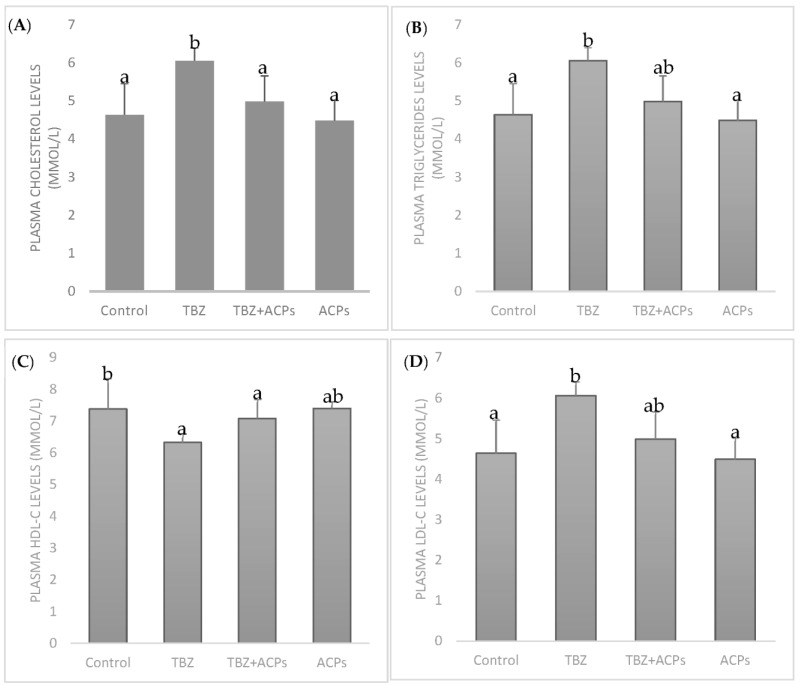
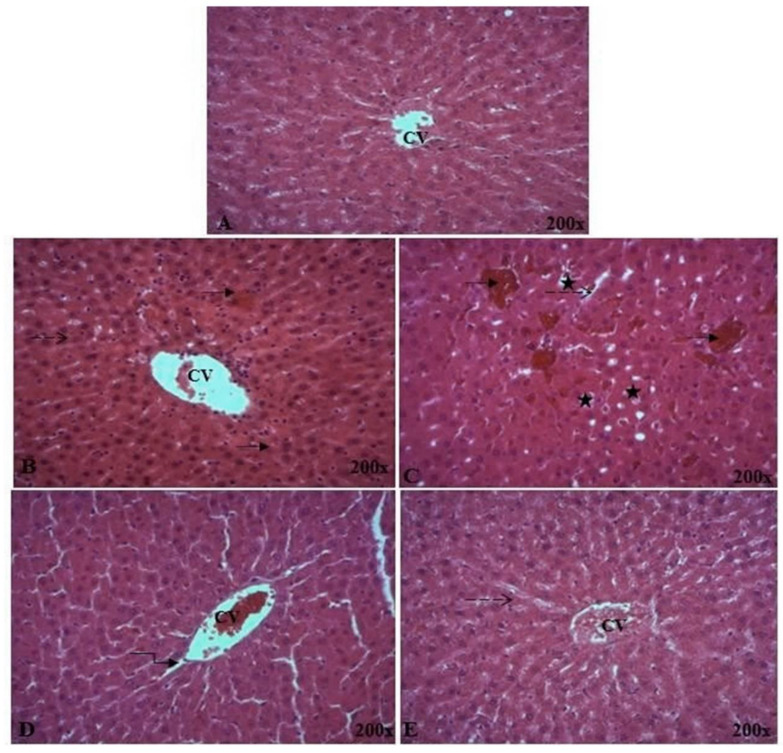
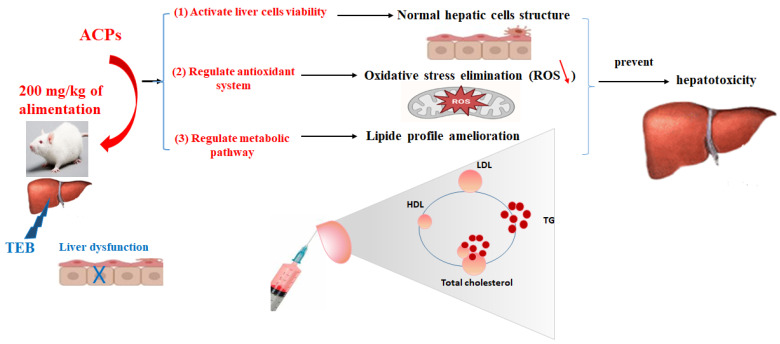
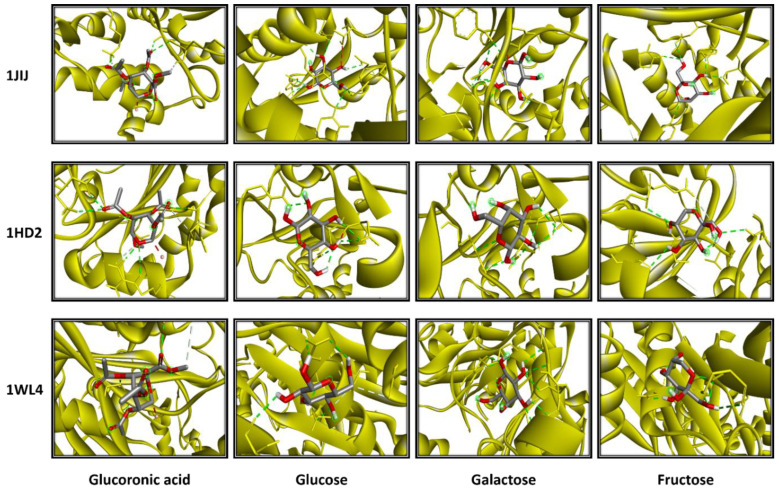
Sulfated polysaccharides from seaweed are highly active natural substances with valuable applications. In the present paper, attempts have been made to discuss the physicochemical and structural features of polysaccharides isolated from red marine alga (ACPs) and their protective effect in hepatic impairments induced by tebuconazole (TEB) in male adult rats. Structural features were determined using high-performance liquid chromatography, Fourier-transformed infrared, and solid-state H and C-Nuclear magnetic resonance analysis. ACPs are found to be hetero-sulfated-anionic polysaccharides that contain carbohydrates, sulfate groups, and uronic acids. In vitro biological activities suggested the effective antioxidant and antimicrobial capacities of ACPs. For antioxidant testing in vivo, the biochemical analysis and plasma profiles displayed that oral administration of ACPs could mitigate blood lipid indicators, including total cholesterol, triglyceride, low and high-density lipoprotein cholesterol, and bilirubin. Liver function indexes involving alanine aminotransferase and aspartate aminotransferase showed that ACPs possessed prominent antioxidant activities. Additionally, the intervention of ACPs potentially inhibited lipid peroxidation, protein oxidation, key enzymes of lipid metabolism (<0.001), and improved antioxidant status (<0.05). Histomorphological observation confirmed that ACPs intervention could partially repair liver injuries caused by TEB. The computational results showed that monosaccharides bound 1JIJ, 1HD2, and 1WL4 receptors with acceptable affinities, which, together with deep embedding and molecular interactions, support the antioxidant, antimicrobial, and hypolipidemic outlined effects in the in vitro and in vivo findings. Given their prominent antioxidant effects, ACPs are promising candidates for liver diseases and must be considered in pharmaceutical applications.
来自海藻的硫酸化多糖是具有重要应用价值的高活性天然物质。在本文中,已尝试讨论从红色海洋藻类中分离出的多糖(ACPs)的物理化学和结构特征,以及它们对成年雄性大鼠中戊唑醇(TEB)诱导的肝损伤的保护作用。使用高效液相色谱、傅里叶变换红外光谱和固态氢和碳核磁共振分析来确定结构特征。发现ACPs是含有碳水化合物、硫酸根和糖醛酸的杂硫酸化阴离子多糖。体外生物活性表明ACPs具有有效的抗氧化和抗菌能力。对于体内抗氧化测试,生化分析和血浆谱显示口服ACPs可以减轻血脂指标,包括总胆固醇、甘油三酯、低密度和高密度脂蛋白胆固醇以及胆红素。涉及丙氨酸氨基转移酶和天冬氨酸氨基转移酶的肝功能指标表明ACPs具有显著的抗氧化活性。此外,ACPs的干预可能抑制脂质过氧化、蛋白质氧化、脂质代谢关键酶(<0.001),并改善抗氧化状态(<0.05)。组织形态学观察证实ACPs干预可以部分修复TEB引起的肝损伤。计算结果表明,单糖以可接受的亲和力与1JIJ、1HD2和1WL4受体结合,这与深度嵌入和分子相互作用一起,支持了体外和体内研究结果中概述的抗氧化、抗菌和降血脂作用。鉴于其突出的抗氧化作用,ACPs是治疗肝病的有前途的候选药物,在药物应用中必须予以考虑。