College of Pharmacy, Chongqing Medical University, 400010, Chongqing, China.
Chongqing Key Laboratory for Pharmaceutical Metabolism Research, 400010, Chongqing, China.
Theranostics. 2023 Sep 4;13(14):4993-5016. doi: 10.7150/thno.87968. eCollection 2023.
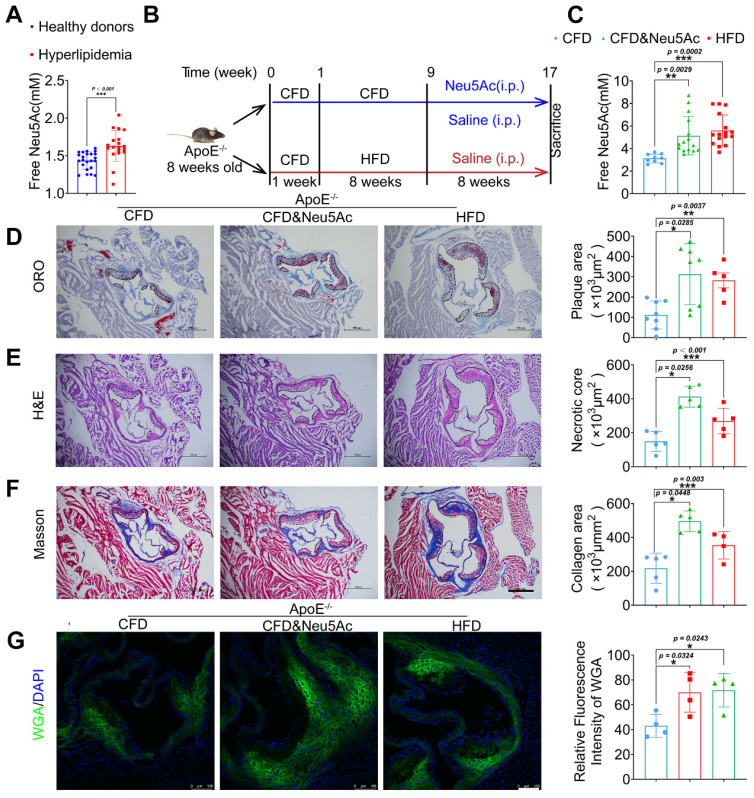
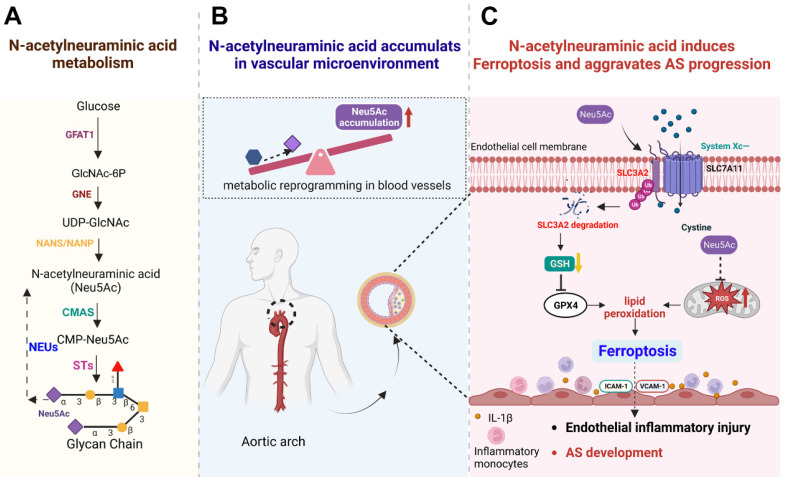
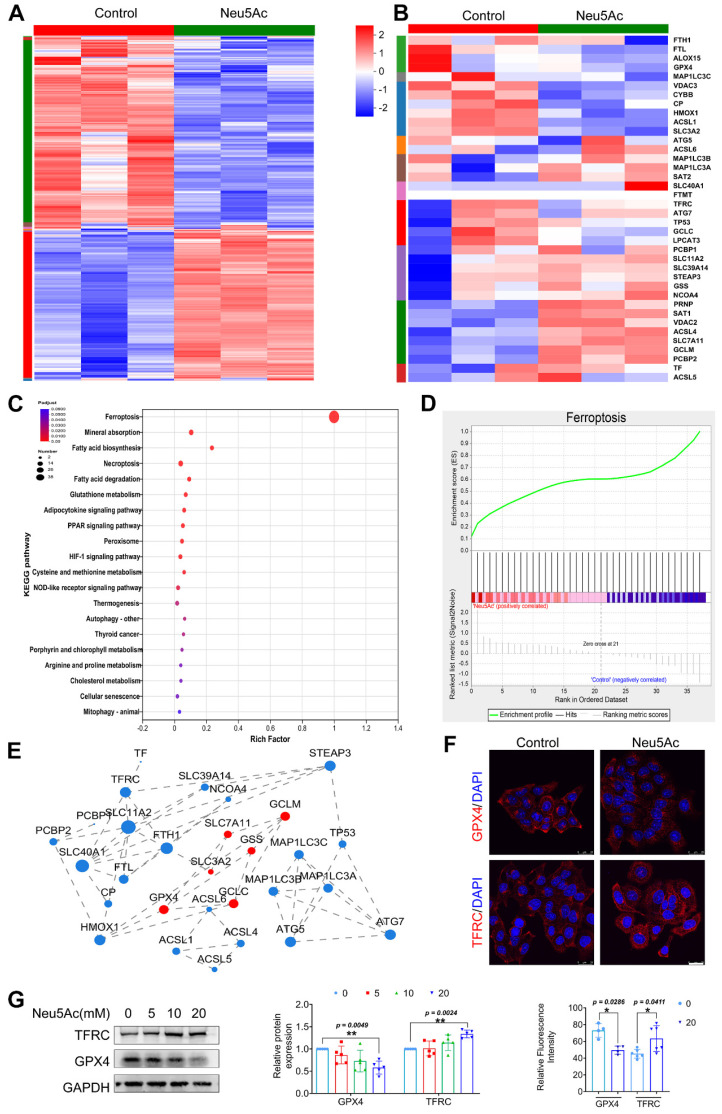
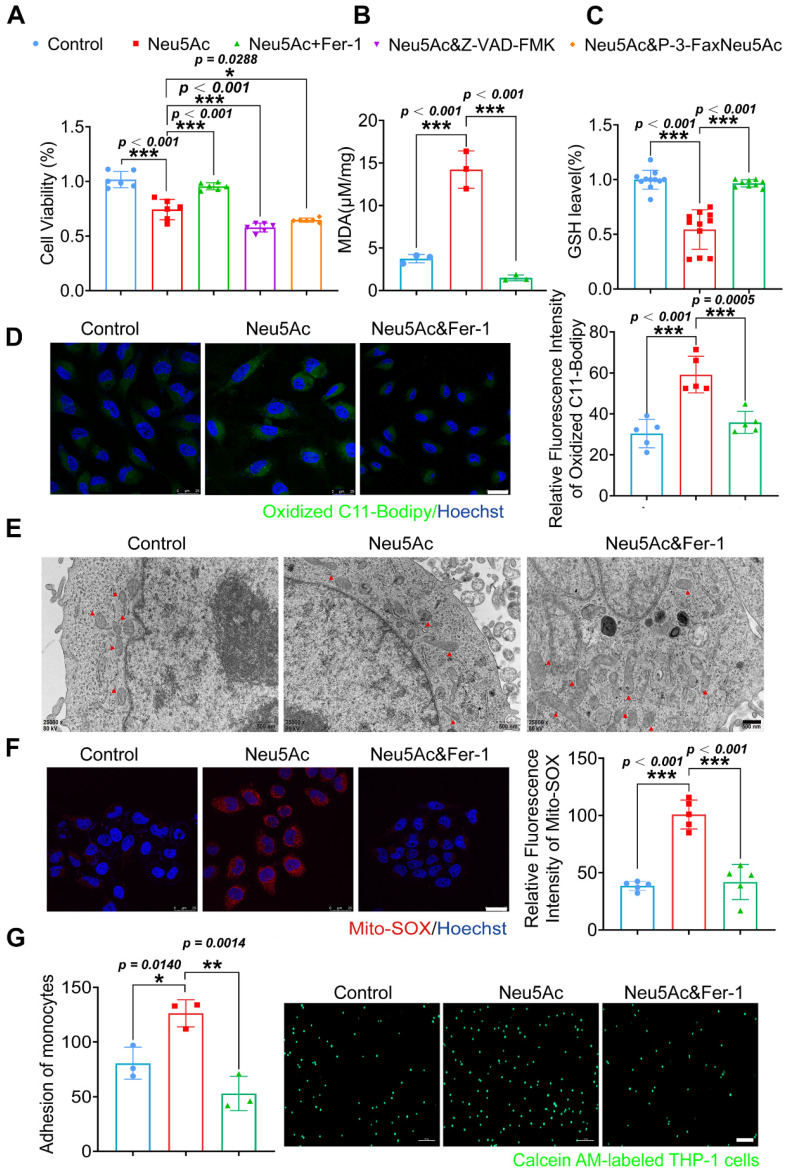
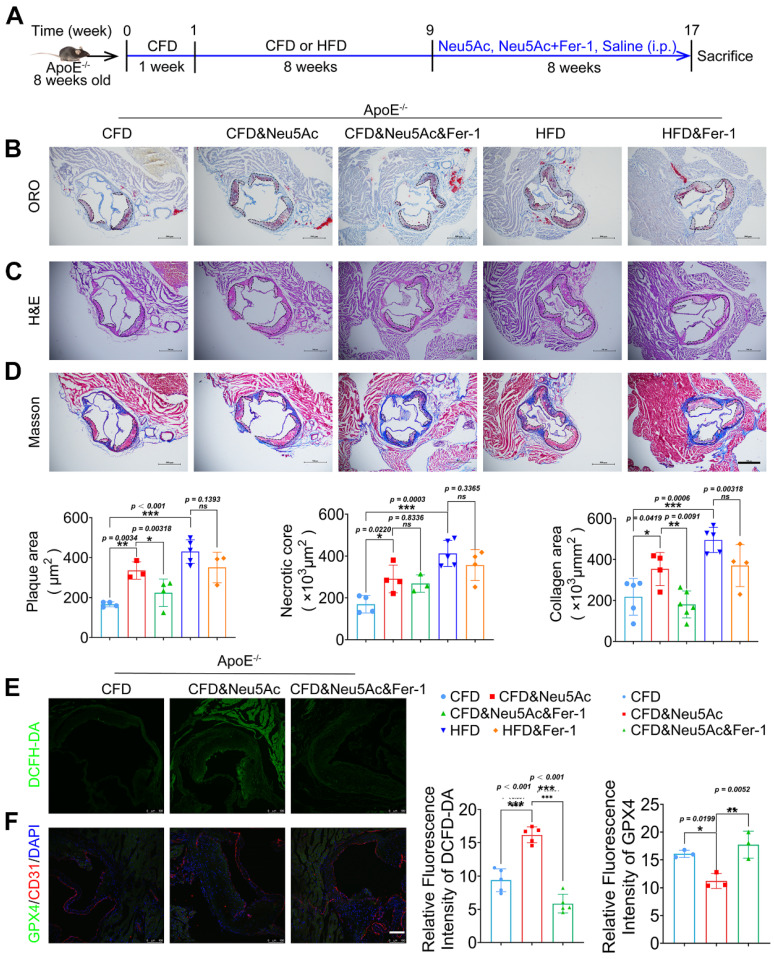
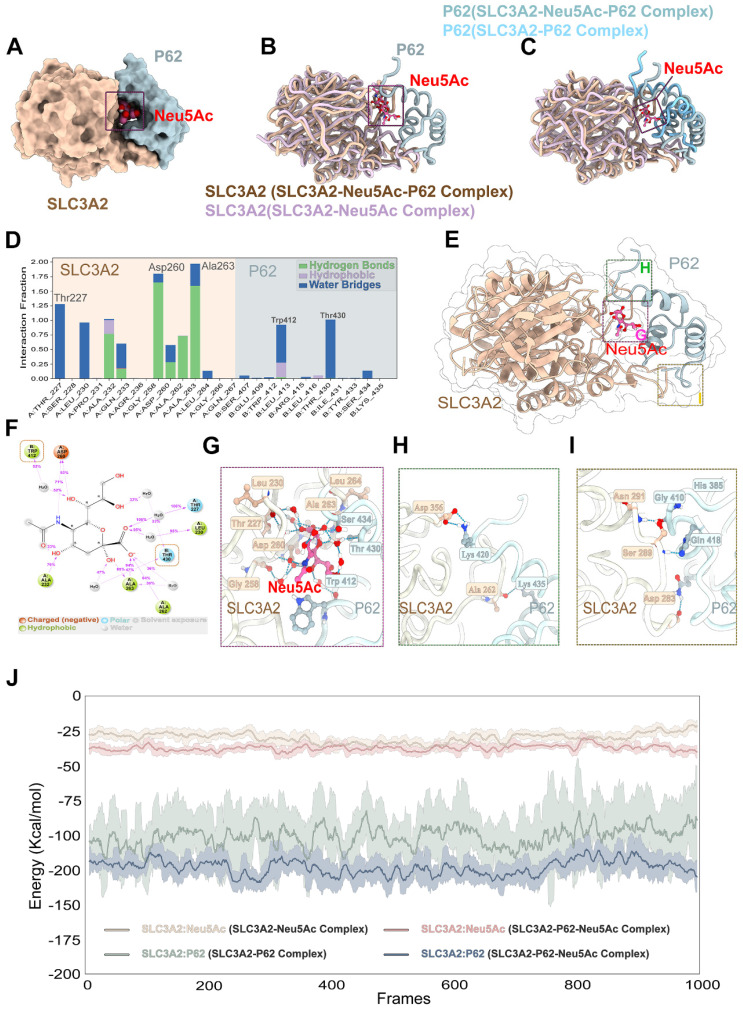
Atherosclerosis (AS) is still the major cause of cardiovascular disease (CVD) as well as stroke. Endothelial metabolic disorder has been found to be activated and then promote endothelial cells (ECs) injury, which is regarded to initiate AS progression. N-acetylneuraminic acid (Neu5Ac), a metabolite produced by hexosamine-sialic acid pathway branching from glucose metabolism, was presented as a notable biomarker of CVD and is positively correlated with ECs function. However, few studies explain whether Neu5Ac regulate AS progression by affecting EC function as well as its involved mechanisms are still unknown. Here, we mimicked an animal model in mice which displaying similar plasma Neu5Ac levels with AS model to investigate its effect on AS progression. We found that Neu5Ac exacerbated plaques area and increased lipids in plasma in absence of HFD feeding, and ECs inflammatory injury was supposed as the triggering factor upon Neu5Ac treatment with increasing expression of IL-1β, ICAM-1, and promoting ability of monocyte adhesion to ECs. Mechanistic studies showed that Neu5Ac facilitated SLC3A2 binding to ubiquitin and then triggered P62 mediated degradation, further leading to accumulation of lipid peroxidation in ECs. Fer-1 could inhibit ECs injury and reverse AS progression induced by Neu5Ac in mice. Interestingly, mitochondrial dysfunction was also partly participated in ECs injury after Neu5Ac treatment and been reversed by Fer-1. Together, our study unveils a new mechanism by which evaluated metabolite Neu5Ac could promote SLC3A2 associated endothelial ferroptosis to activate ECs injury and AS plaque progression, thus providing a new insight into the role of Neu5Ac-ferroptosis pathway in AS. Also, our research revealed that pharmacological inhibition of ferroptosis may provide a novel therapeutic strategy for premature AS.
动脉粥样硬化(AS)仍然是心血管疾病(CVD)和中风的主要原因。已经发现内皮代谢紊乱被激活,然后促进内皮细胞(ECs)损伤,这被认为是引发 AS 进展的原因。N-乙酰神经氨酸(Neu5Ac)是一种由葡萄糖代谢分支的己糖胺-唾液酸途径产生的代谢物,作为 CVD 的显著生物标志物被提出,并且与 ECs 功能呈正相关。然而,很少有研究解释 Neu5Ac 是否通过影响 EC 功能来调节 AS 进展,其涉及的机制仍不清楚。在这里,我们模拟了一种在小鼠中显示出与 AS 模型相似的血浆 Neu5Ac 水平的动物模型,以研究其对 AS 进展的影响。我们发现,Neu5Ac 在没有高脂饮食喂养的情况下加剧了斑块面积并增加了血浆中的脂质,并且 ECs 炎症损伤被认为是 Neu5Ac 处理后增加白细胞介素 1β(IL-1β)、细胞间黏附分子 1(ICAM-1)表达和促进单核细胞与 ECs 黏附的触发因素。机制研究表明,Neu5Ac 促进 SLC3A2 与泛素结合,然后触发 P62 介导的降解,进一步导致 ECs 中脂质过氧化的积累。Fer-1 可以抑制 Neu5Ac 在小鼠中引起的 ECs 损伤和逆转 AS 进展。有趣的是,线粒体功能障碍也部分参与了 Neu5Ac 处理后的 ECs 损伤,并且被 Fer-1 逆转。总之,我们的研究揭示了一种新的机制,即评估代谢物 Neu5Ac 可以促进 SLC3A2 相关的内皮铁死亡,从而激活 ECs 损伤和 AS 斑块进展,从而为 Neu5Ac-铁死亡途径在 AS 中的作用提供了新的见解。此外,我们的研究表明,铁死亡的药理学抑制可能为早期 AS 提供一种新的治疗策略。