Forest Research and Training Center, Pokhara, Nepal.
Ministry of Industry, Tourism, Forests and Environment, Gandaki Province, Pokhara, Nepal.
PeerJ. 2023 Sep 25;11:e16085. doi: 10.7717/peerj.16085. eCollection 2023.
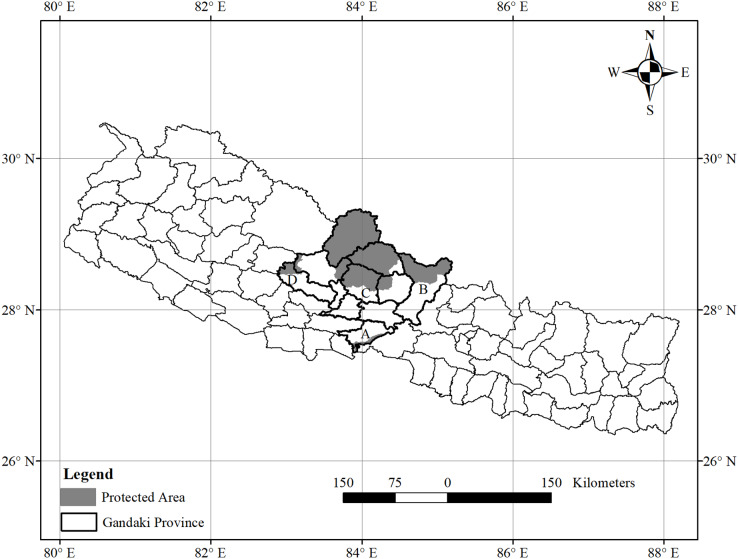
Biodiversity conservation is becoming challenging day by day. For this, it is essential to understand the distribution, habitat, and impact of anthropogenic activities on animals at risk. We assessed the suitable habitats and anthropogenic impacts on Asiatic black bears, common leopards, musk deer, and snow leopards in and outside the protected areas of Gandaki Province, Nepal.
We collected the presence locations of Asiatic black bears, common leopards, musk deer, and snow leopards based on scats and other signs. We employed the Maximum Entropy (MaxEnt) tool to identify suitable habitats of our studied species and their anthropogenic impacts on them.
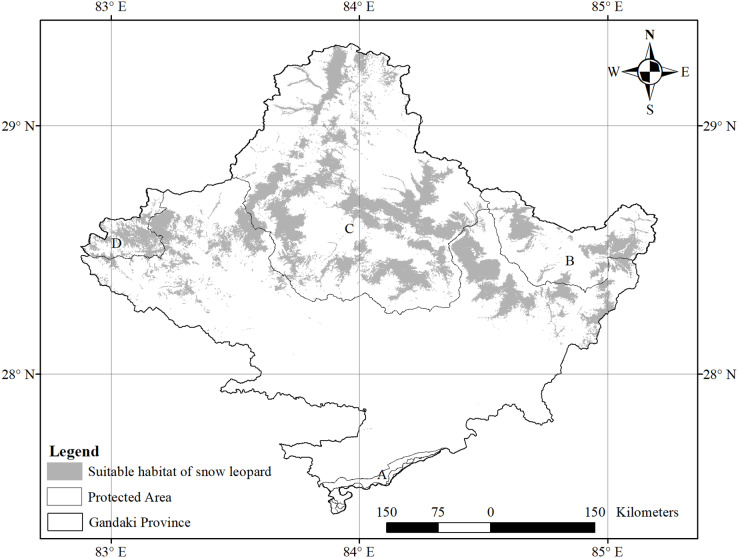
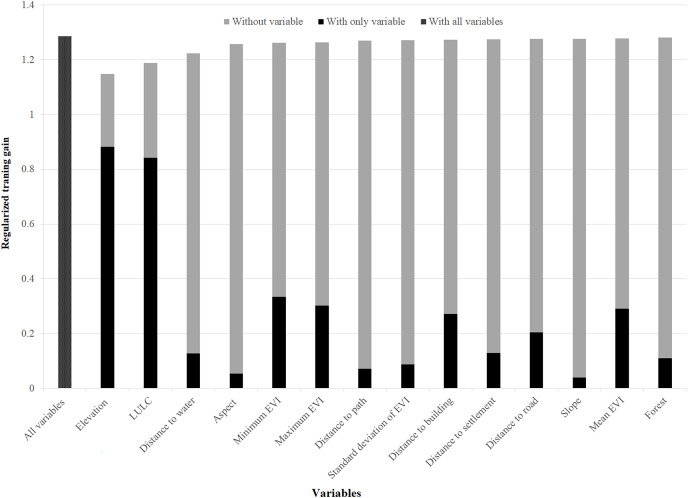
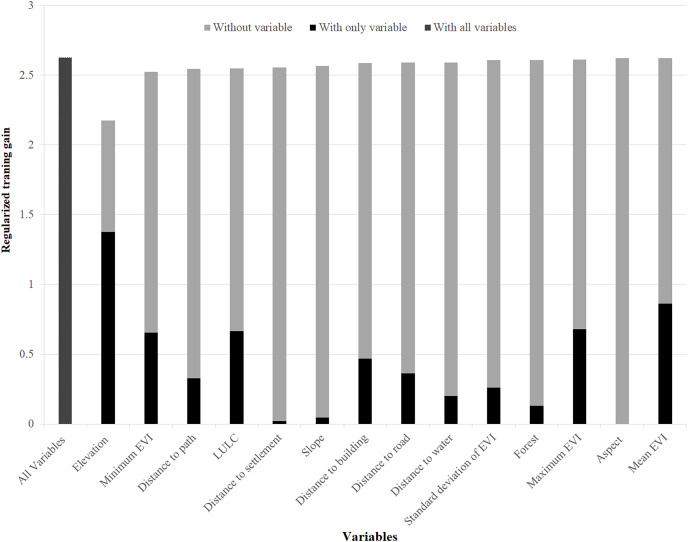
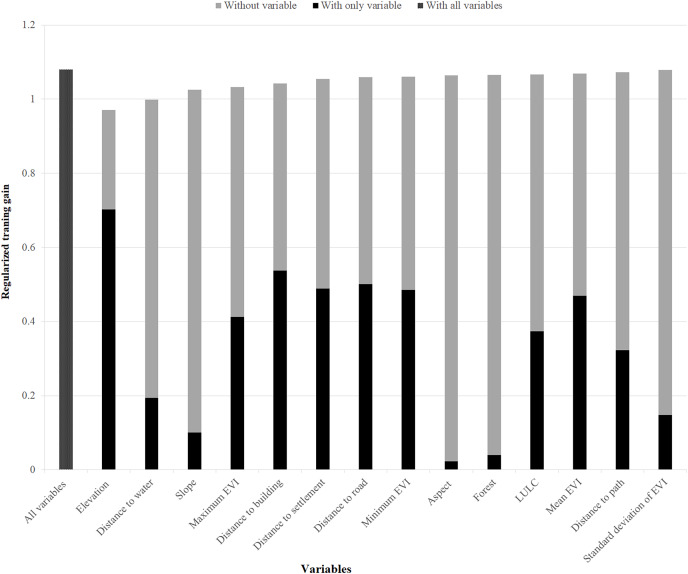
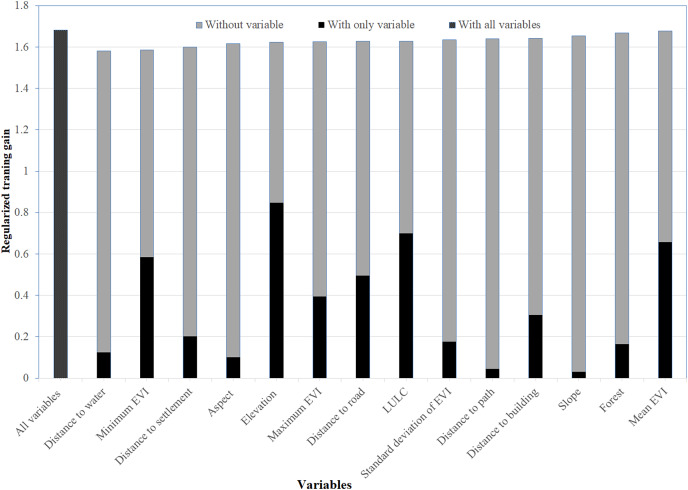
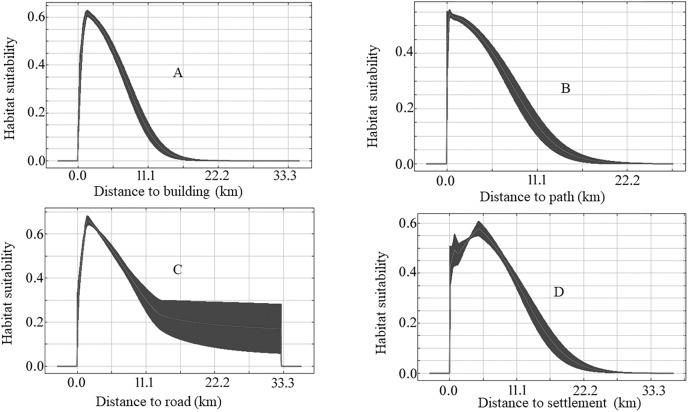
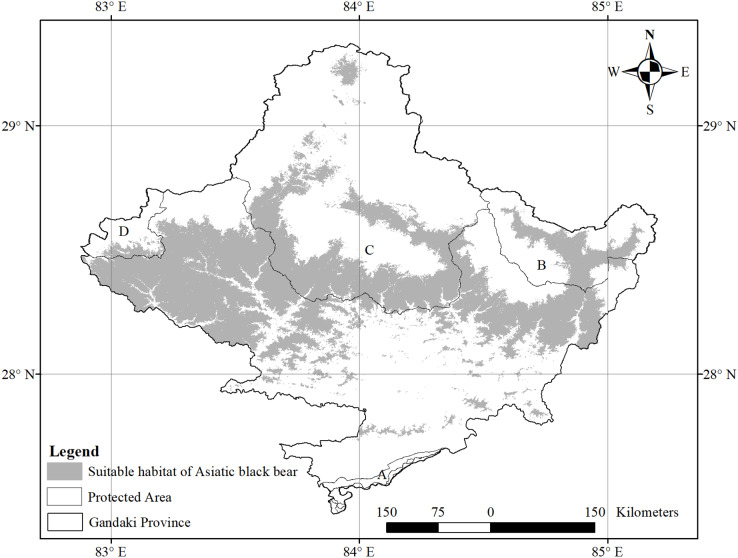
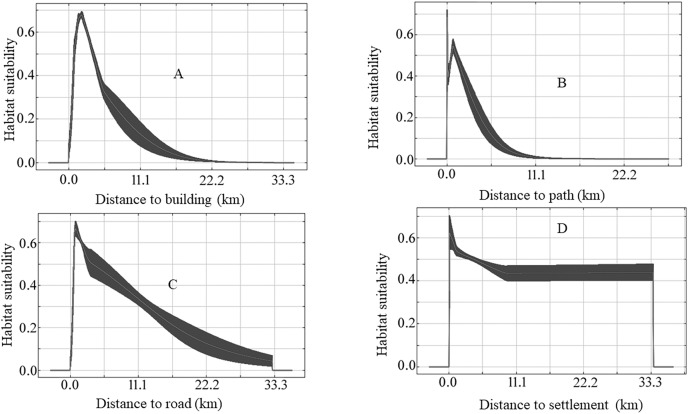
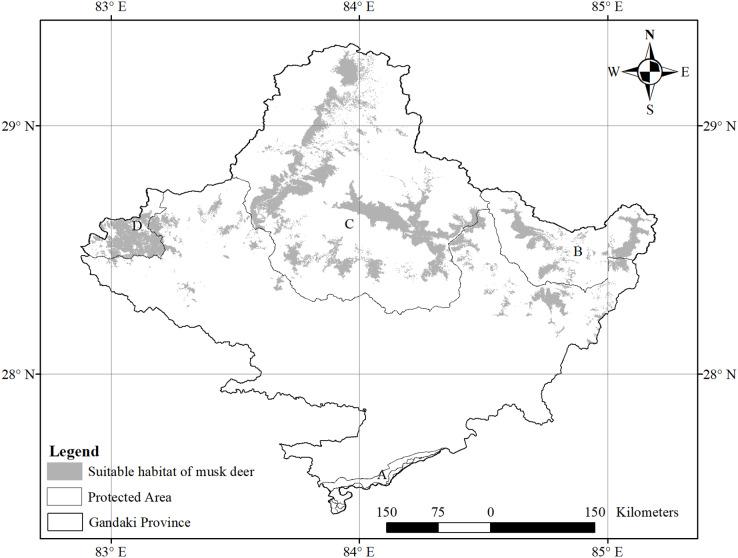
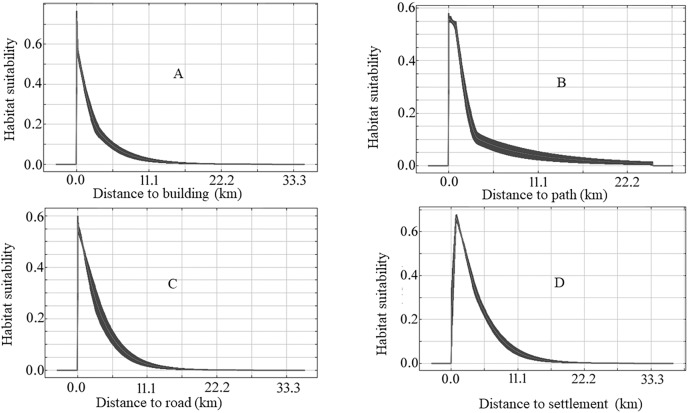
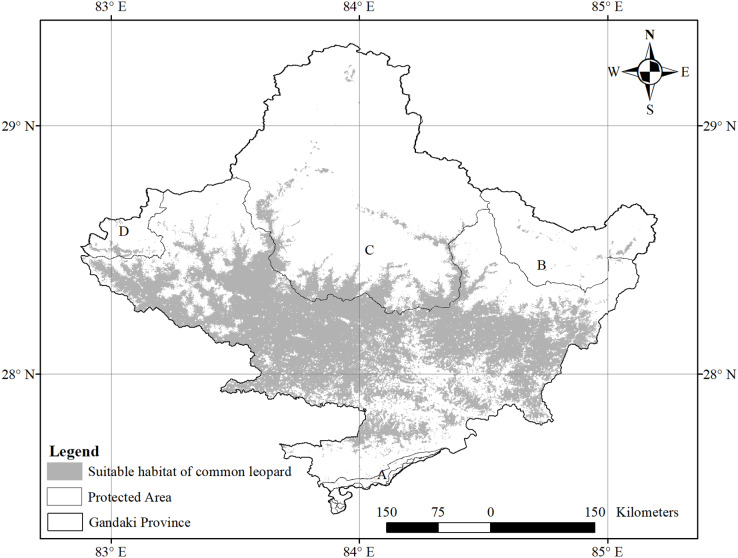
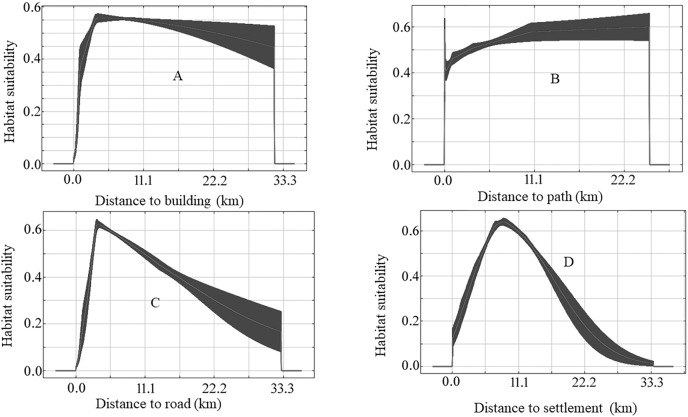
The total suitable habitat of the common leopard was found to be 6,052 km, followed by the Asiatic black bear (5,819 km), snow leopard (4,447 km), and musk deer (1,690 km) in Gandaki Province. Most of the areas of suitable habitat for common leopards and Asiatic black bears were outside the protected areas, and for musk deer and snow leopards were inside the protected areas. Elevation was the most important variable determining habitat suitability of Asiatic black bear, common leopard, and musk deer, whereas the distance to water was the most important variable determining habitat suitability of snow leopard. Asiatic black bears, common leopards, and musk deer face significant anthropogenic impacts, but snow leopards face some anthropogenic impacts.
Managing these animals' habitats inside and outside protected areas is essential. Hence, biodiversity conservation and livelihood opportunities should be balanced in the Himalayas on a win-win basis.
生物多样性保护正变得日益具有挑战性。为此,了解濒危动物的分布、栖息地和人为活动对其的影响至关重要。我们评估了尼泊尔甘达基省保护区内外亚洲黑熊、普通豹、麝香鹿和雪豹的适宜栖息地和人为活动的影响。
我们根据粪便和其他迹象收集了亚洲黑熊、普通豹、麝香鹿和雪豹的存在地点。我们采用最大熵(MaxEnt)工具来确定我们研究物种的适宜栖息地及其对它们的人为影响。
普通豹的总适宜栖息地面积被发现为 6052 平方公里,其次是亚洲黑熊(5819 平方公里)、雪豹(4447 平方公里)和麝香鹿(1690 平方公里)。甘达基省大部分普通豹和亚洲黑熊的适宜栖息地都在保护区外,而麝香鹿和雪豹的适宜栖息地都在保护区内。海拔是决定亚洲黑熊、普通豹和麝香鹿栖息地适宜性的最重要变量,而距离水源是决定雪豹栖息地适宜性的最重要变量。亚洲黑熊、普通豹和麝香鹿面临着重大的人为影响,但雪豹面临着一些人为影响。
在保护区内外管理这些动物的栖息地至关重要。因此,在喜马拉雅地区,应该在双赢的基础上平衡生物多样性保护和生计机会。