Neonatal Intensive Care Unit, Children's Hospital, Zhejiang University School of Medicine, National Clinical Research Center for Child Health, Hangzhou, China.
Department of Neonatology, Children's Hospital, Zhejiang University School of Medicine, National Clinical Research Center for Child Health, Hangzhou, China.
BMC Pulm Med. 2023 Oct 2;23(1):367. doi: 10.1186/s12890-023-02670-7.
Bronchopulmonary dysplasia (BPD) is the most challenging chronic lung disease for prematurity, with difficulties in early identification. Given lncRNA emerging as a novel biomarker and the regulator of ferroptosis, this study aims to develop a BPD predictive model based on ferroptosis-related lncRNAs (FRLs).
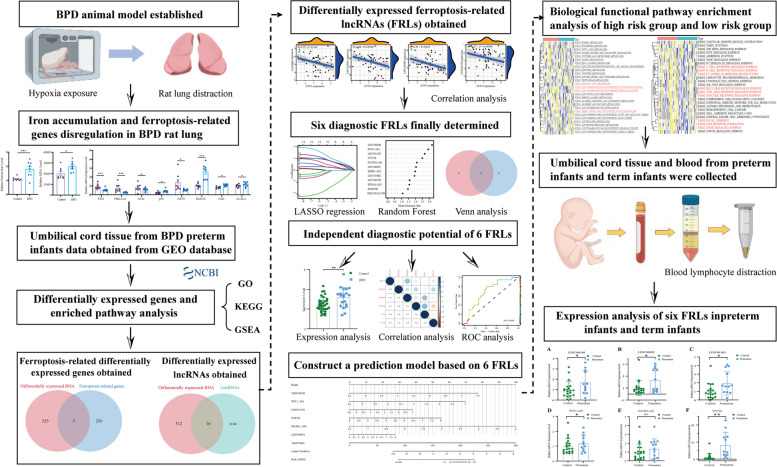
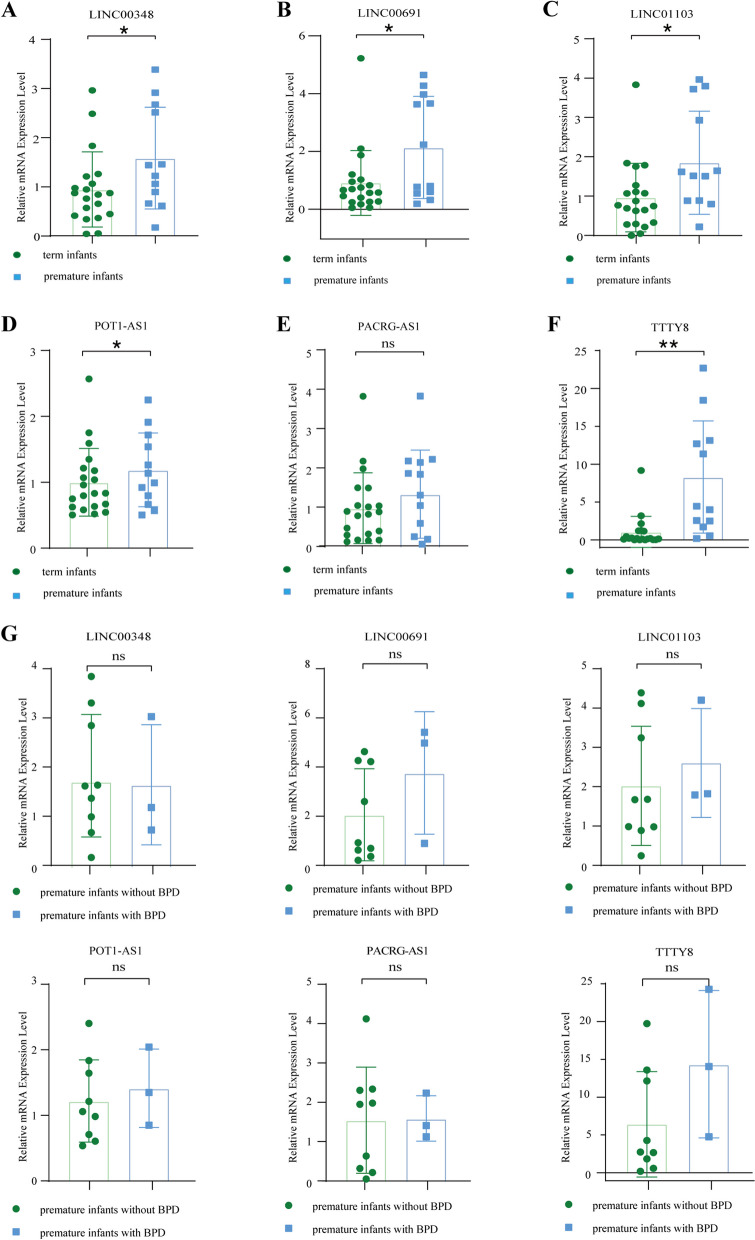
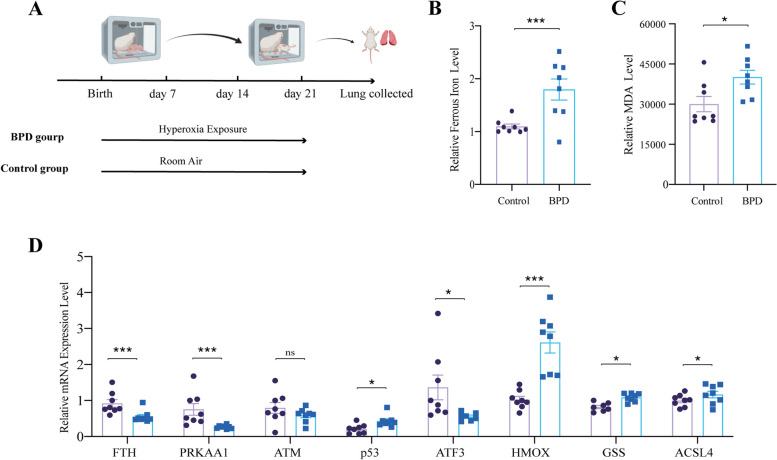
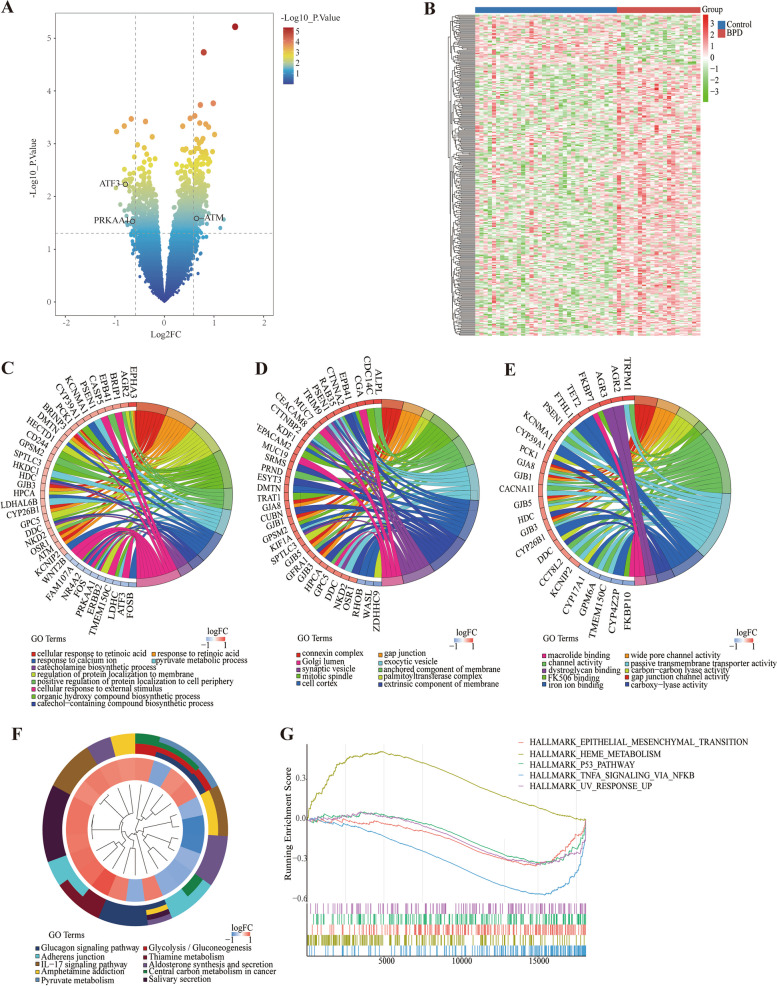
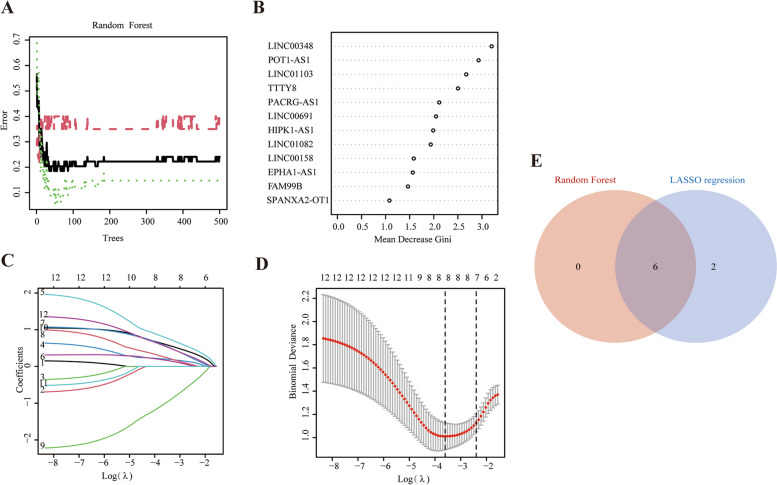
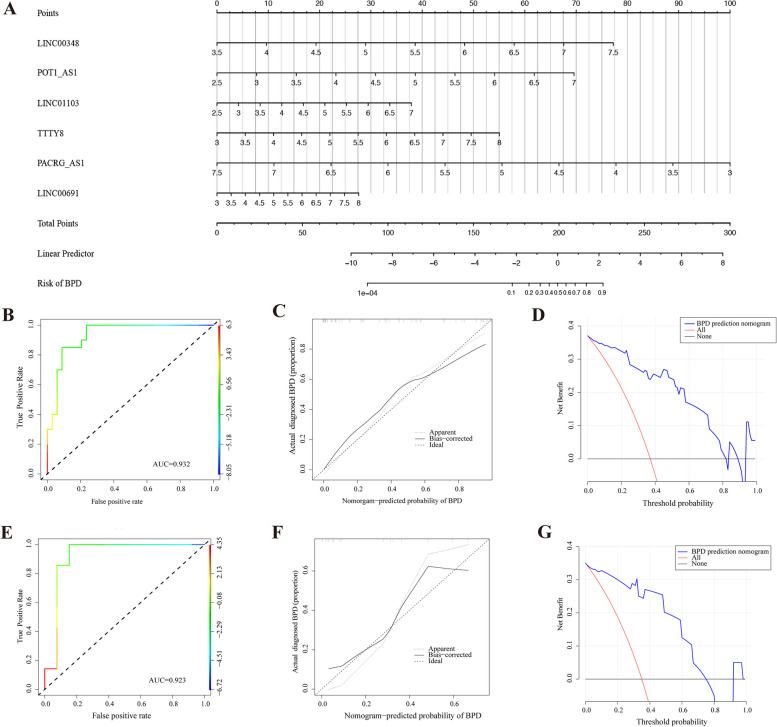
Using a rat model, we firstly explored mRNA levels of ferroptosis-related genes and ferrous iron accumulation in BPD rat lungs. Subsequently, a microarray dataset of umbilical cord tissue from 20 preterm infants with BPD and 34 preterm infants without BPD were downloaded from the Gene Expression Omnibus databases. Random forest and LASSO regression were conducted to identify diagnostic FRLs. Nomogram was used to construct a predictive BPD model based on the FRLs. Finally, umbilical cord blood lymphocytes of preterm infants born before 32 weeks gestational age and term infants were collected and determined the expression level of diagnostic FRLs by RT-qPCR.
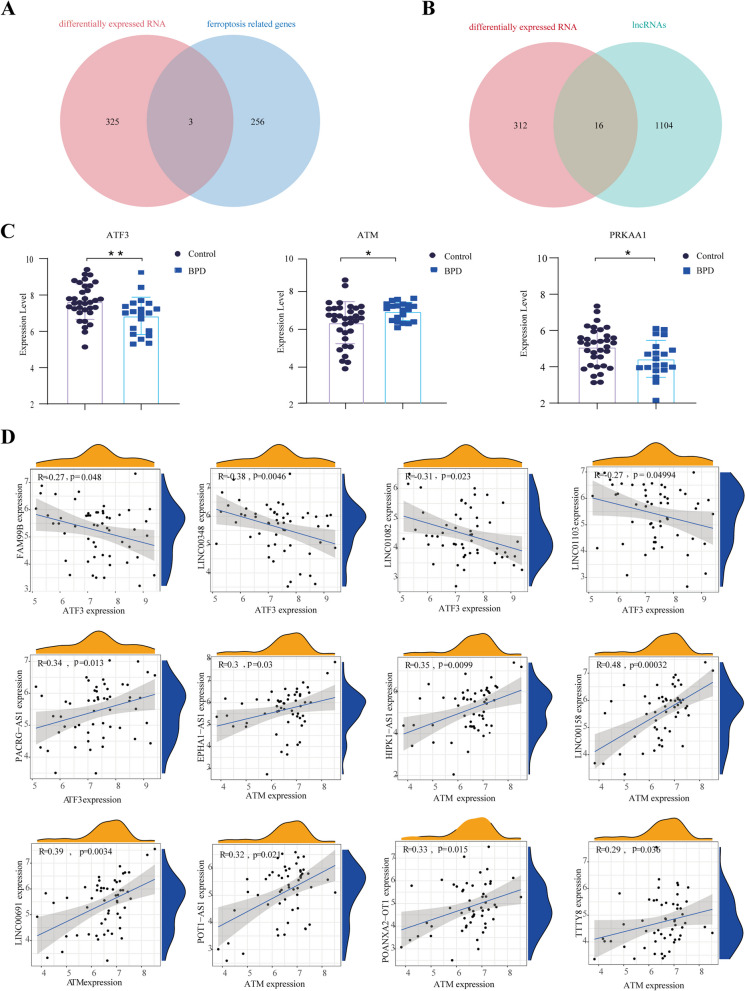
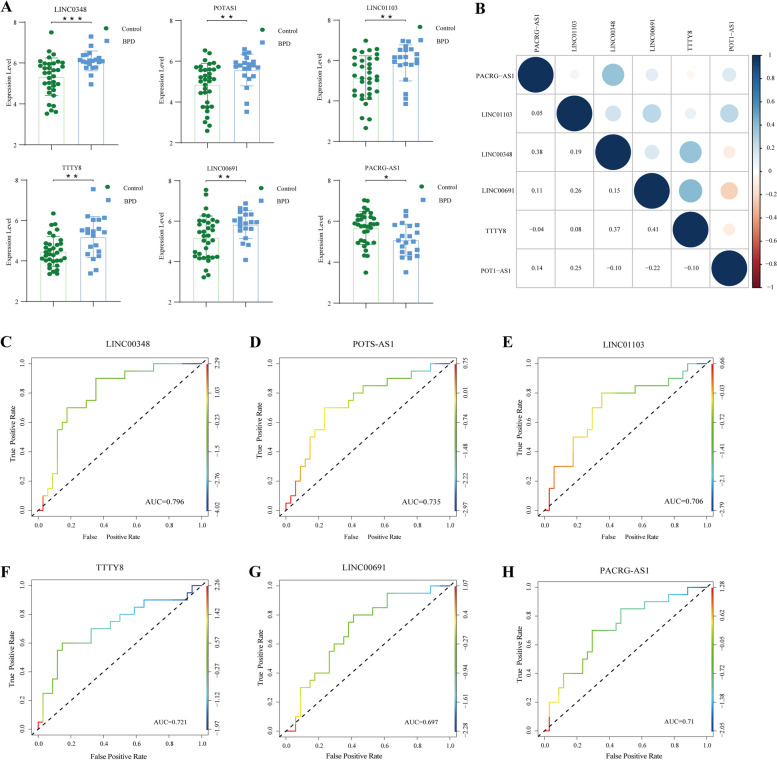
Increased iron accumulation and several dysregulated ferroptosis-associated genes were found in BPD rat lung tissues, indicating that ferroptosis was participating in the development of BPD. By exploring the microarray dataset of preterm infants with BPD, 6 FRLs, namely LINC00348, POT1-AS1, LINC01103, TTTY8, PACRG-AS1, LINC00691, were determined as diagnostic FRLs for modeling. The area under the receiver operator characteristic curve of the model was 0.932, showing good discrimination of BPD. In accordance with our analysis of microarray dataset, the mRNA levels of FRLs were significantly upregulated in umbilical cord blood lymphocytes from preterm infants who had high risk of BPD.
The incorporation of FRLs into a predictive model offers a non-invasive approach to show promise in improving early detection and management of this challenging chronic lung disease in premature infant, enabling timely intervention and personalized treatment strategies.
支气管肺发育不良(BPD)是早产儿最具挑战性的慢性肺部疾病,早期识别存在困难。鉴于长链非编码 RNA(lncRNA)作为一种新的生物标志物和铁死亡的调节剂的作用,本研究旨在基于铁死亡相关 lncRNA(FRLs)建立 BPD 预测模型。
使用大鼠模型,我们首先探索了 BPD 大鼠肺部铁死亡相关基因和亚铁积累的 mRNA 水平。随后,从基因表达综合数据库下载了 20 例患有 BPD 的早产儿和 34 例无 BPD 的早产儿脐带组织的微阵列数据集。采用随机森林和 LASSO 回归识别诊断性 FRLs。基于 FRLs,构建预测 BPD 的列线图模型。最后,收集 32 周胎龄前早产儿和足月儿的脐血淋巴细胞,通过 RT-qPCR 测定诊断性 FRLs 的表达水平。
BPD 大鼠肺组织中发现铁积累增加和几个铁死亡相关基因失调,表明铁死亡参与了 BPD 的发生发展。通过探索 BPD 早产儿的微阵列数据集,确定了 6 个 FRLs,即 LINC00348、POT1-AS1、LINC01103、TTTY8、PACRG-AS1 和 LINC00691,作为建模的诊断性 FRLs。模型的受试者工作特征曲线下面积为 0.932,对 BPD 具有良好的鉴别能力。与我们对微阵列数据集的分析一致,高 BPD 风险的早产儿脐血淋巴细胞中 FRLs 的 mRNA 水平显著上调。
将 FRLs 纳入预测模型提供了一种非侵入性方法,有望改善对早产儿这种具有挑战性的慢性肺部疾病的早期检测和管理,实现及时干预和个性化治疗策略。